
Published: 22 April 2026. The English Chronicle Desk. The English Chronicle Online
A “low rumbling” of financial dread has turned into a deafening roar for the UK’s haulage and logistics sectors today, as business owners reveal that the eight-week conflict in Iran has added as much as £100,000 to their monthly fuel bills. The figure, cited by several mid-sized transport firms in the Midlands and the North, highlights the “naked” reality of a global energy crisis that has seen diesel prices surge by 20% in less than two months.
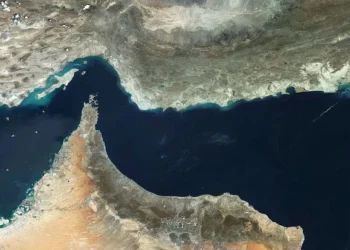
The spike is the direct result of the ongoing blockade of the Strait of Hormuz, a maritime “choke point” that usually carries 20% of the world’s oil and liquefied natural gas (LNG). With the passage effectively closed since late February, the “Statutory Standard” of stable global pricing has collapsed, sending Brent Crude toward $130 per barrel and UK pump prices to a record 190p per litre.

For a fleet of 50 heavy goods vehicles (HGVs), the “Triple-Shift” of 2026 has become a fight for survival. Industry analysts have broken down how a “typical” haulage firm has seen its overheads explode since the conflict began on February 28.
| Expense Category | Pre-War (Feb 2026) | Current (April 2026) | Monthly Increase |
| Diesel (per Litre) | 158.9p | 190.4p | +31.5p |
| Full Tank (HGV) | £794.50 | £952.00 | +£157.50 |
| Fleet Fuel Bill (50 HGVs) | £397,250 | £498,750 | +£101,500 |
| AdBlue & Lubricants | Standard | +15% Surcharge | High Volatility |
“We aren’t just talking about numbers on a spreadsheet; we are talking about the viability of moving food and medicine,” says Marcus Thorne, a logistics consultant. “When a firm’s fuel bill jumps by £100,000 in thirty days, they only have two choices: pass the cost to the consumer or stop the engines. This is why you are seeing ‘shrunken’ shelves and the return of the ‘War Tax’ surcharges on home deliveries.”
The late zoologist Desmond Morris once noted that humans are remarkably adaptable to “Human Zoo” pressures until their basic resources are threatened. In 2026, the “low rumbling” of discontent among the “Triple-Shift” workers is growing, as the cost of simply getting to work begins to exceed the wages earned.
The Office for National Statistics (ONS) confirmed this morning that UK inflation has jumped to 3.3%, with motor fuels cited as the single largest driver. Chancellor Rachel Reeves has faced a “shaken” House of Commons, insisting that while “this is not our war,” the government is prioritizing “Statutory Standards” of support, including an extension of the fuel duty freeze.
However, for small business owners, the freeze is a “drop in the ocean” compared to the £100,000 monthly increases. “A 5p cut doesn’t help when the price has gone up 30p,” said one fleet manager from Stoke-on-Trent. “It’s like putting a plaster on a ‘naked’ wound.”

There was a brief “huge relief” on the markets this week following news of a fragile two-week ceasefire. Brent Crude prices dipped slightly, but experts warn that the “shaken” infrastructure in the Persian Gulf—including damaged LNG terminals in Qatar—means that even if the war ends tomorrow, the “Logistics of Mercy” will take months to return to normal.
As the “Human Zoo” of the UK economy navigates this “troubled” spring, the £100,000 fuel bill has become the new benchmark for the cost of global instability. For now, the “Triple-Shift” continues, but with every penny added to the pump, the engines of British industry are stuttering.
Related News:
 Shein UK Faces Allegations of Shifting Majority of Profits to Singapore to Reduce UK Tax
 British AI Startup Outshines Human Forecasters in Global Prediction Contest
 China warns UK over delayed London mega embassy decision
 Rachel Reeves to lead UK trade push in Saudi Arabia amid rights debate
 UPS Cargo Plane Crash in Kentucky Kills Seven
 UK New Car Discounts Near £6,000 as Prices Are Slashed
 Royal Mail Blames Poor Weather and Sickness for Delayed Deliveries
 London Pedicab Regulations Target ‘Rip-Off Fares’ and Nuisance Behaviour
 Jet2 Hands Passengers Life Ban After Mid‑Air Brawl
 US Will Not Back Out of Tariff Deals with UK and Others, Says Trump Trade Representative
 Storm Hernando: Edinburgh Airport Flights Cancelled in US Travel Chaos
 Gulf shipping crisis sparks food price fears
 Drivers Warned to Cut Journeys as Fuel Prices Surge
 Iran War Costs to Be Passed to Consumers, Shipping Boss Warns
 Courier Firm Bust After 14 Years as Evri Deliveries Face ‘Temporary Disruption’
 Fuel Costs Are Rising — Drivers on the Frontline of the Price Surge
 UK Wage Growth Slows as Jobs Market Holds Firm
 Middle East Conflict to Hit UK Economy Hardest
 ‘Horror on the Street’ and ‘Fears Grow over Shortages’
 ‘Better Off Not Planting’: UK Farmers Face 36% Fertiliser Spike as Gulf Crisis Bites
 The ‘Career Ceiling’: One in Five High Earners Say £100k Tax Trap is ‘Ruining’ Their Ambition
 Debt Relief or Drop in the Ocean? UK Caps Student Loan Interest at 6%
 The ‘Shredder’ Syndrome: Why the 2026 Job Market is Breaking Entry-Level Spirits
 Diplomatic Sprint: Starmer Heads to the Gulf as 14-Day Truce Holds
 Global Commerce Crisis: Cooper Demands Immediate, Toll-Free Access to Hormuz
 The Kitchen Table Crisis: How the 2026 Iran War Hits Your Wallet
 The 190p Barrier: Why UK Diesel Prices Are Shattering Records (Again)
 ‘The Flyover Returns’: A40 Westway Reopens Overnight Following Month-Long Gridlock
 UK Must Act with Courage and Clarity on Israel-Palestine Conflict, Says Foreign Affairs Committee Report
 Radioactive Leak at UK’s Nuclear Warhead Base Sparks Outcry Over Safety and Secrecy
 Terence Stamp, ’60s British Film Legend and Star of Superman, Dies at 87
 Is the UK Ready to Put Boots on the Ground in Ukraine? Assessing Military Capacity and Challenges
 Great Britain’s Energy Operator Commits to Strengthening Grid to Prevent Blackouts
 UK House Price Growth Slows as Buyers Exercise Caution Ahead of Autumn Budget
 Kemi Badenoch Unveils ‘Golden Rule’ to Halve Spending Cuts for Deficit Reduction at Tory Conference
 New V-Level qualification to transform post-16 education
 Real living wage set to rise nearly 7% for UK workers in 2026
 Reeves Faces Setback as Labour May Miss Homes Target
 Trump’s UK Ambassador Urges North Sea Drilling to Strengthen US Ties
M&S Profits More Than Halve After Cyber-Attack
Trump’s UK Ambassador Urges North Sea Drilling to Strengthen US Ties
M&S Profits More Than Halve After Cyber-Attack
 I’m a Celebrity 2025 line-up revealed: Osbourne joins
 Millionaires group urge Reeves to introduce wealth tax to ‘lift kids out of poverty’
 Starmer Says Labour’s Economic Plan Needs Years to Deliver
 Historic £100-Weekly Pension Boost Brings Relief for UK Mineworkers
 Pound Sinks and Borrowing Costs Rise as Starmer Fights for Job
 Major UK Clothing Firm Collapses into Administration — 109 Jobs at Risk
 Could Manchester Lead the UK’s Economic Revival?
 Starmer Weighs Fast-Tracking Defence Boost
 Snow and Rain Warnings as Cold Snap Continues in the UK
 Lloyds Boss Accepts Concern Over Use of Staff Data in Pay Talks
 Australian PM Says Former Prince Andrew Has Suffered ‘Extraordinary Fall’ but That Won’t Prompt Republic Referendum
 Farage Chagos Islands Row Sparks Fury
 UK Job Vacancies Hit Five-Year Pandemic Low
 ‘We’ve been paying for happy endings for Andrew for years’: inside the royal disgrace, biographer says
 UK Youth Unemployment Surges Amid Tax Changes
 Strong Rebound for UK Housing Market Sees 6% More Homes
 Switching Energy Deal Can Save £200 as Price Cap Falls
 Mayor Spends £20m to Encourage More Bus Trips
 Brit ‘in Good Spirits’ Amid Dubai Missile Attacks, Stranded but Safe
 Trump rebukes Starmer over Iran strikes
 Minister Meets Crews Who Will ‘Take Out’ Iranian Drones
 Oil Prices Surge Above $100 Amid Iran War
 ‘Heating Oil Suppliers Are Holding Us to Ransom’ as Prices and Cancellations Surge
 Charity Watchdog Takes Control of Learning Disability Care Home
 Australia Imposes Sudden Travel Ban on Iranian Visitors
 UK Forces Ready to Seize Russian Shadow Fleet Vessels
 The 8 Million Dilemma: Why Britain’s Disability Safety Net is Facing a ‘2026 Reckoning’
 Net Closes on Lyons Clan: Partner Arrested in Dubai as Crime Boss Snared in Bali
 Russia: The Unforeseen Winner of the Iran Conflict
 Open Justice Prevails as Court Rejects Bondi Gunman’s Family Anonymity Bid
 The Banbridge Rescue: 300 Sheep Saved from Massive Hay Shed Inferno
 New UK Farm Inheritance Tax Rule Will Cause ‘Significant Challenges’, Say Accountants
 Oil and Diplomacy: Russian Refineries Burn as Zelenskyy Secures Middle East Shield
 Electric Shock: Australians Buy Record Number of New EVs as Fuel Crisis Bites
 The Great Chokehold: Why the Strait of Hormuz is the Epicenter of the 2026 Crisis
 The Waiting Ward: ‘Month of Worry’ as Doctor Strikes Trigger Seismic Surgery Delays
 Diplomatic Deadlock: Lebanon Enters High-Stakes Border Talks with ‘No Cards to Play’
 Roadside Reckoning: Nearly 160,000 Uninsured Vehicles Seized in National Crackdown
 The Fog of War and the Ticker Tape: Suspicious Trades Rile Washington
 ‘Unviable and Unfair’: Private Hire Drivers Warn New 2026 Rules Will Decimate Local Trade