Published: 22 April 2026. The English Chronicle Desk. The English Chronicle Online
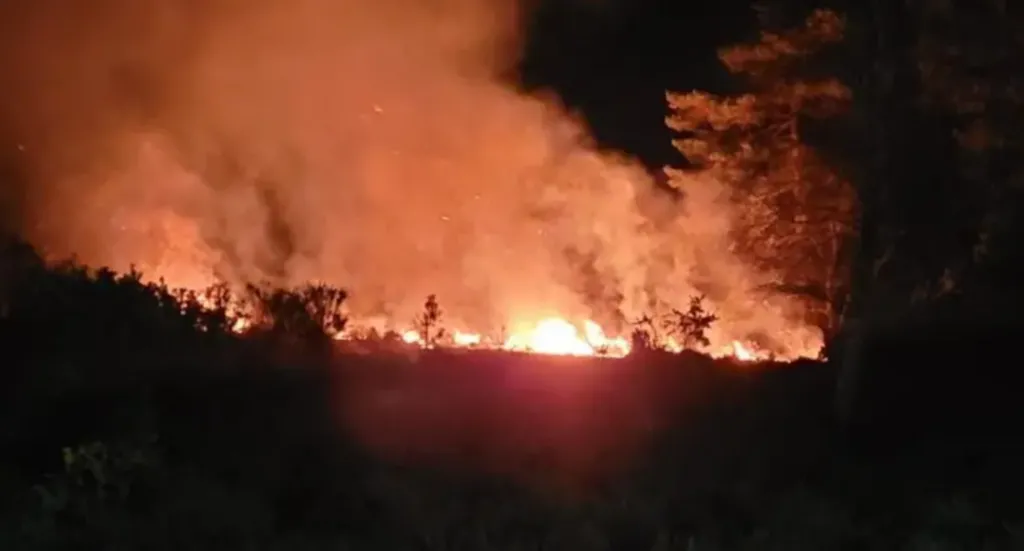
Fire and rescue services across the United Kingdom have issued an urgent plea for public vigilance following the declaration of an Amber Wildfire Alert covering much of Southern England and the Midlands. The alert, issued by the Met Office in conjunction with the National Fire Chiefs Council (NFCC), comes as an unseasonably warm and dry air mass settles over the country, turning parched heathlands and forests into “tinderboxes.” With temperatures predicted to hover near 26°C for the remainder of the week, officials are warning that even the smallest spark could ignite a blaze capable of spreading at “uncontrollable speeds.”

The “Amber” status indicates a significant risk of wildfire outbreaks that could threaten life, property, and critical infrastructure. Fire chiefs are particularly concerned about the combination of dry vegetation left over from the winter and the rising temperatures, which creates the perfect conditions for “surface fires” to transition into devastating crown fires. Residents in high-risk areas, such as the New Forest, Dartmoor, and the Surrey Hills, are being urged to report any sighting of smoke immediately by calling 999, rather than assuming someone else has already done so.
To mitigate the risk, the NFCC has released a strict set of guidelines for those visiting the countryside during the alert period:
No Disposable BBQs: These remain the leading cause of accidental wildfires. Even “spent” BBQs can retain enough heat to ignite underlying peat or dry grass hours after use.
Dispose of Cigarettes Responsibly: A single discarded butt can ignite a blaze that destroys hectares of ancient woodland.
Clear Glass Warning: Be mindful of glass bottles left in direct sunlight, as they can act as magnifying lenses, concentrating heat onto dry foliage.
No Sky Lanterns: These uncontrolled fire sources are particularly dangerous in breezy conditions, as they can land in inaccessible areas and start fires unobserved.
The economic and environmental toll of wildfires is staggering. Last year’s blazes resulted in the loss of thousands of acres of protected wildlife habitats and cost the emergency services millions in operational expenses. “We are seeing these alerts occur earlier and more frequently every year,” noted a spokesperson for the Dorset & Wiltshire Fire and Rescue Service. “Wildfires are no longer a ‘summer-only’ problem; they are a year-round threat driven by our changing climate, and we need the public to act as our eyes and ears on the ground.”

As the weekend approaches, local authorities are increasing patrols in popular “beauty spots” to enforce temporary bans on open fires and camping stoves. While the allure of the spring sunshine is undeniable, the message from the front line is clear: a moment of carelessness can lead to a lifetime of environmental devastation. Vigilance is not just recommended; it is the primary defense against a landscape going up in flames.
Related News:
 “Enough is Enough”: Local MP Vows to Fight Rainham Quarry Plans
 Local Fish Could Boost UK Health and Economy Significantly
 Robo-Vaccination Could Transform Fight Against Bovine TB
 Water Cremation Introduced in UK First
 Scotland Becomes First UK Country to Allow Water Cremations
 Southern Skies: High Turnout and Surprise Visitors in Birdwatch 2026
 Concerns Mount Over Accuracy of At-Home Health Tests as Study Calls for Stricter Regulation
 The Ketamine Crisis in the UK is a Silent Epidemic Leaving Users with Lifelong Pain
 Cats Develop Dementia Similarly to Humans, Study Finds
 Alarming rise in abusive teen relationships in the UK sparks urgent warnings
 Why E-Bikes and E-Scooters Are Making Streets a ‘Nightmare’ for Blind People
 Millions in the UK at Higher Risk of Heart Failure and Stroke Due to Air Pollution, Study Warns
 UK Graduates in Healthcare Report Highest Satisfaction with Degree Choices
 Systemic Racism in Maternity Care Continues to Endanger Black Women in England, MPs Warn
 One in Three GPs in England Do Not Work in NHS, Raising Concerns Over Access to Care
 UK Doctors Guilty of Sexual Misconduct Continue Practising Amid Weak Sanctions, Research Finds
 Questions Remain as Rugby Legend Lewis Moody Faces Motor Neurone Disease Diagnosis
 Women Challenge Meta Over Targeted Ads After Miscarriage
 £18 Prostate Cancer Test Could Save Thousands of Lives
 One in 12 Secondary Pupils Sent to Isolation Weekly
 M&S and Morrisons Lead Christmas Supermarket Taste Test
New Prostate Cancer Drug Set to Halve Death Risk in England
M&S and Morrisons Lead Christmas Supermarket Taste Test
New Prostate Cancer Drug Set to Halve Death Risk in England
 UK Health Leaders Push for Urgent Tobacco & Vape Bill
 Hospice Cuts Raise Alarm Across England Amid Funding Crisis
 Celebrities and Charities Demand UK Government Act on Child Poverty
 Patients to Test Health at Home to Ease NHS Winter Pressure
 Shouting Works Best to Deter Gulls, UK Study Finds
 Reeves rejects £1bn plea for NHS redundancy payouts
 Stroke Patient Mistaken for Drunk, Care Delayed
 ‘Traumatic Wait’: Northern Ireland Women Face Breast Cancer Delays
 Coffins Now Too Large to Cremate Amid Rising Obesity Crisis
 Five-Year-Old Dies After Rare Tonsil Surgery Complication
 Fibromyalgia Patients Struggle as NHS Fails to Provide Care
 More Patients Now Contacting GPs Online, Data Shows
 Children to Receive Home Vaccines as England Acts
 NHS Violence Crisis: Staff Face Daily Assaults
 Celebrity Campaign Highlights SMA Screening Failures
 Storm Goretti leaves Cornwall homes without power
 No Gas Boiler Ban as UK Warm Homes Plan Backs Heat Pumps
 UK Glaucoma Rise Signals Looming Eye Health Crisis by 2060
 Reform UK Health Plan ‘Would Cost £1.7bn’, Streeting Says
 Devon hosts first high-density hydro power system
 Pneumonia Surge Pushes England Emergency Cases Higher
 Wigan Dump Crisis Sparks Health and Safety Alarm
 What is Groundwater Flooding and Why Dorset is Seeing ‘Historical Highs’
 Dozens of Flood Warnings in England After Days of Non-Stop Rain
 Temperatures Dip Below Freezing as Arctic Air Sweeps Across the UK
 Flooding May Worsen Before It Improves as More Rain Forecast for the UK
 UK MPs Demand Ban on Brazilian Butt Lifts
 NHS Urges Nine Million People to Get Therapy
 Fly-Tippers to Be Hunted by ‘Drone Squad’ in Crackdown from the Sky
 Storm Hernando: Edinburgh Airport Flights Cancelled in US Travel Chaos
 Half of Britons Avoid GP When Ill, Survey Reveals Growing Concern
 Drop in Overseas Workers Sparks ‘Car Crash’ for UK Hospitals
 ‘I Almost Died After a Touch‑and‑Go C‑Section’
 50,000 People Waited Over 24 Hours in A&E Corridor Care
 New Infection Risk Alert at Glasgow’s Flagship Hospital
 Woman, 29, ‘Chucked’ Into Care Home 100 Miles Away
 Father Dies by Suicide Weeks After Wedding in Clitheroe
 ‘We can’t go back’: mother of six-year-old cancer survivor fears UK visa changes
 Palantir NHS Contract Sparks Fears Over Data Power
 UK Patients Face Long Journeys as Pharmacies Cut Hours
 Charity Watchdog Takes Control of Learning Disability Care Home
 The High Cost of Survival: How the 2026 Fiscal Outlook is Redefining British Life
 Safety Fears at New £200m Maternity Unit: Mums-to-Be ‘Put at Risk’
Fuel Famine: How African Nations are Rationing Power and ‘Diluting’ Petrol to Survive
Safety Fears at New £200m Maternity Unit: Mums-to-Be ‘Put at Risk’
Fuel Famine: How African Nations are Rationing Power and ‘Diluting’ Petrol to Survive
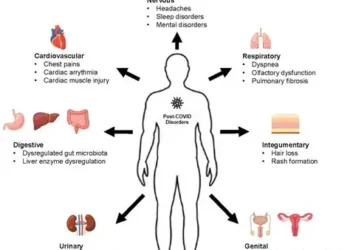 ‘Zoom Dysmorphia’ Explosion: BDD Patients Quadruple in Post-Pandemic UK
 NHS Staff Shortages Stifling Recovery for Stroke Survivors
 The Banbridge Rescue: 300 Sheep Saved from Massive Hay Shed Inferno
 ‘It’s Heartbreaking’: NHS Training Freeze Leaves Resident Doctors in Limbo
 Wes Streeting Accuses Doctors of Torpedoing Pay Deal
 Country Diary: The Eagle’s Shadow Over the Lambing Shed
 ‘The Best Decision I Ever Made’: A Mother’s Viral Plea After a Near-Miss with Lung Disease
 The Miracle of Phoenix: ‘Half Dead’ Rescue Dog Defies the Odds in Worcestershire
 The Hidden Hurdle: Breaking the Silence on Athletic Incontinence
 The Toxic Scent Destroying Life in a Lancashire Town
 GSK cancer drug shows early promise in trials
 Toxic Trail: Dog Owners Warned Over ‘Vile’ Poisoned Meat Found in Parks
 The Waiting Ward: ‘Month of Worry’ as Doctor Strikes Trigger Seismic Surgery Delays
 Policy Stand-Off: Streeting Denies Any ‘System Update’ to Resident Doctor Pay Deal