Published: 25 April 2026. The English Chronicle Desk. The English Chronicle Online
A growing wave of voter frustration across traditional Labour strongholds in northern England is raising serious questions about the party’s political future, as the United Kingdom prepares for crucial local elections on 7 May. In towns once considered unshakable pillars of Labour support, a mix of disillusionment, economic anxiety and shifting political loyalties is creating an opening for challengers—most notably Reform UK.
Across Barnsley, Sunderland and Wakefield, conversations with voters reveal a striking pattern: while local Labour councils are often credited with tangible improvements, the national leadership is facing mounting criticism. This disconnect between local governance and national perception could prove decisive in determining whether Labour retains its grip on the so-called “red wall”—a band of historically Labour-voting constituencies stretching across the Midlands and the north.
For Prime Minister Keir Starmer, the stakes are particularly high. A poor showing in these elections would not only weaken his authority but could also signal deeper structural challenges for Labour ahead of the next general election. Meanwhile, Reform UK, led by Nigel Farage, is capitalising on public dissatisfaction, presenting itself as an alternative voice for working-class voters who feel increasingly ignored.

In Barnsley, a town shaped by its industrial past and decades of Labour leadership, the political mood is described as deeply uncertain. Long-serving council leader Stephen Houghton, who has overseen significant regeneration since the collapse of the mining industry, acknowledges that national issues are overshadowing local achievements. Despite improvements in infrastructure and services, many voters are more concerned about broader concerns such as migration and economic policy.
On the streets, this tension is evident. Some residents remain loyal to Labour, citing effective local governance and community support. Others, however, express anger at what they see as broken promises and a party that no longer represents their interests. Reform UK is tapping into this sentiment, with its campaign resonating particularly among voters who feel left behind by mainstream politics.
The situation in Sunderland paints a similarly complex picture. Once a Labour fortress, the city has already witnessed a dramatic decline in the party’s dominance in nearby areas like County Durham. Reform UK’s rapid rise in the region has transformed the political landscape, turning previously predictable contests into highly competitive battles.
Many voters in Sunderland express not just dissatisfaction with Labour, but a broader disillusionment with politics as a whole. There is a sense that traditional party loyalties are eroding, replaced by a more volatile and unpredictable electorate. While Labour councillors highlight ongoing development projects and economic initiatives, these efforts are often overshadowed by a pervasive feeling that national leaders are out of touch with everyday concerns.
Wakefield, another long-standing Labour stronghold, reflects a similar mood of uncertainty. While the party still holds a strong majority on the council, the confidence that once underpinned its dominance is beginning to fade. Voters describe feeling conflicted, with some considering tactical voting to block other parties, while others are simply choosing to disengage altogether.
Reform UK’s presence in Wakefield, though still limited, is growing. Even among voters who express reservations about the party or its leadership, there is a willingness to consider it as a protest vote. This highlights a broader trend: for many, the upcoming elections are less about ideological alignment and more about expressing dissatisfaction with the status quo.
A recurring theme across all three towns is the perception that Labour has drifted away from its traditional base. Many voters argue that the party no longer prioritises the concerns of working-class communities, focusing instead on urban and metropolitan issues. This perception, whether accurate or not, is proving difficult for Labour to counter.
At the same time, Reform UK’s rise is not without its challenges. Questions about the credibility and background of some candidates have surfaced, raising doubts about the party’s readiness to govern. However, in an environment where party branding often outweighs individual scrutiny, these concerns may have limited impact on voter behaviour.
The broader political context adds another layer of complexity. Across the UK, shifting dynamics in Scotland, Wales and Northern Ireland suggest a period of significant political realignment. Nationalist parties are gaining strength, while smaller parties such as the Greens are making inroads in urban areas. Against this backdrop, Labour’s struggle in its traditional heartlands becomes even more significant.

For many voters, the upcoming elections represent a moment of reckoning. The choices they make will not only shape local councils but could also send a powerful message about the direction of national politics. Whether Labour can reconnect with its base or continues to lose ground to emerging challengers remains an open question.
What is clear, however, is that the political landscape in these once-reliable Labour territories is changing rapidly. The sense of loyalty that once defined the red wall is giving way to a more fragmented and uncertain electorate. In this new environment, no party can afford to take voter support for granted.
As polling day approaches, all eyes will be on these key battlegrounds. The results will offer crucial insights into the evolving priorities of voters and the future trajectory of British politics. For Labour, the challenge is not just to win elections, but to rebuild trust with communities that once formed the backbone of its support.
Related News:
 Green Party Surges Past Labour in Latest UK Poll
 Trump’s UK Ambassador Urges North Sea Drilling to Strengthen US Ties
 French Taxi Driver Cleared in David Lammy Theft Case After Fare Dispute
 Millionaires group urge Reeves to introduce wealth tax to ‘lift kids out of poverty’
 Starmer Faces Growing Dissent as Labour MPs Weigh Leadership Challenge
 Reeves rejects £1bn plea for NHS redundancy payouts
 PM Condemns Leaks, Vows Loyalty to Ministers and Stability
 Major Rent Reform Ends No-Fault Evictions in England
 Peers Flood Assisted Dying Bill with 942 Amendments
 Most Tories Expect to Support a Farage-Led Government
 Labour MP claims devolution bill is ‘blatant discrimination’ against Cornwall
 Millions Face Higher Taxes Under Reeves New Budget
 Starmer Says Labour’s Economic Plan Needs Years to Deliver
 Culture secretary to review Telegraph takeover by Daily Mail owner
 UK Government Borrowing Drops to £11.6bn in December
 Labour Blocks Burnham as Party Rift Deepens Ahead of Polls
 Andy Burnham and the Labour Rift Over Power and Leadership
 Huge mistake: Labour blocks Burnham from byelection bid
 Artificial intelligence will cost jobs, admits Liz Kendall
 Labour targets Greens on drugs in Gorton Denton byelection
 Greens nominate Hannah Spencer for Gorton and Denton byelection
 Mandelson Faces Police Inquiry Over Epstein Leak
 Starmer Condemns ‘Depraved’ Russian Strikes on Ukraine
 Labour Thinktank Row Deepens Over Journalist Probe Claims
 Morgan McSweeney downfall shocks Labour leadership
 Labour Lord Doyle Apologises Over Paedophile Ties in Political Storm
 Cabinet Secretary Shake-Up Triggers Due Diligence Warning
 Starmer Faces Inquiry Calls Over Thinktank Probe
 Royal Mail Delivery Crisis Deepens Amid Weather Chaos
 UK shelves £110m border project amid trade strain
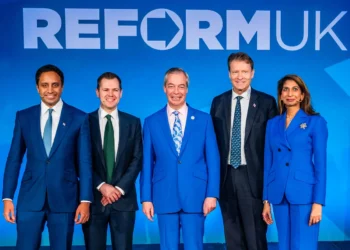 Farage Unveils Reform UK Frontbench Team
 California Democrats Vow Trump Reckoning
 Trump Tariffs Threat Spark UK and EU Alarm
 Wales Approves Assisted Dying Bill Consent
 UK EU Trade Reset Gains Public Backing
 Your Party leadership fight nears dramatic end
 NHS Maternity Units Cover Up Harmful Childbirth Errors
 Green Party Stuns Labour in Gorton and Denton Byelection
 Corbyn Leads Your Party in Coordinated Left-Flank Strategy
 Labour Together scandal sparks clean break vow
 Asylum Seekers to Work After Year-Long Wait
 Starmer Row as Greens Demand Apology
 Proposed Law Leaves Gap for Children of Convicted Paedophiles
 Gordon Brown urges court for crimes against children
 Starmer Praised for Stance on Trump and Iran Conflict
 Inquiry into HMRC child benefit errors launched by NAO
 NHS Plans to Cut Overseas Workers Labeled Overambitious
 Farage Faces Backlash Over Crypto Cameo Endorsements
 Family Court Reform Promises New Era for UK Families
 Army Probes Apache Flyover at Kid Rock’s Nashville Estate
 Relationship with Trump may be beyond repair, Starmer warned
 Unions Raise Concerns Over Doctors’ Pay Dispute
 UK Government Poised to Revive Stalled Hillsborough Law
 Starmer Faces Commons Test Over Mandelson Scandal
 UK Stands Firm on Falklands Amid US Rift
 Crackdown Backfires on UK Climate Protesters
 Starmer Survives Mandelson Rebellion
 Labour Members Doubt Starmer Future as Burnham Leads Poll
 Reform UK Faces Crisis as Newly Elected Councillors Resign
 Farage Faces New Questions Over Private Helicopter Use
 NHS Drug Deal Faces Legal Threat Over US Trade Agreement
 Green Party Makerfield Candidate Resigns Over Posts
 UK Welfare: Focus on Jobs Over Benefit Cuts, Says JRF
 Secret Role of UK Security Services in Troubles Amnesty Law
 Starmer Leadership Under Pressure After Setbacks
 The Hidden Crisis Eroding Trust in British Communities
 Deepfake Abuse on X Sparks Safety Concerns for Dissidents
 Modernising the Military: Carns Demands Urgent Procurement Reform
 UK Ministers Lobby Trump Over Under-16s Social Media Ban
 Starmer Resolves to Fight Burnham in Leadership Battle
 Starmer Resigns as Prime Minister Amid Internal Pressure
 MP Warning: Northern Rail Risks Repeating HS2 Failures
 Hollie Ridley to Step Down as Labour General Secretary
 New South Wales Premier Chris Minns Signals Tough Road Ahead for Labor
 Jarvis Urges Burnham to Secure 3.5% Defence Spending
 Farage Warns Sky News Following Financial Inquiry
 Reform UK Finances Face Deep NCA Probe
 Ann Widdecombe, Formidable Political Figure, Dies at 78
 Treasury Reform Urged After Tragic Loss
 Sadiq Khan Backs Call for Maximum UK Work Heat Limit