
Published: 17 April 2026. The English Chronicle Desk. The English Chronicle Online.
The corridors of power in Westminster are currently echoing with the sounds of a profound political crisis. Sir Olly Robbins has officially stepped down from his role as the permanent secretary of the Foreign Office. This sudden departure follows a week of intense scrutiny regarding the appointment of Lord Peter Mandelson. The controversy centers on the decision to appoint Mandelson as the British ambassador to the United States. Recent revelations suggest that the initial security vetting process for the noble lord actually ended in failure. Sir Olly Robbins was the most senior civil servant when this pivotal decision was made last year. He had only been in his prestigious position for three weeks before the crisis began to brew. The Foreign Office initially decided to ignore the warnings provided by the national security vetting officials. This move allowed the government to proceed with the high profile appointment of the former minister.
Prime Minister Keir Starmer and Foreign Secretary Yvette Cooper have now lost all confidence in Robbins. The Guardian reported that the decision to override the security recommendation was a very rare occurrence indeed. Developed vetting is the most rigorous level of security clearance required for such sensitive diplomatic roles. It involves an incredibly deep dive into the personal life and the history of the candidate. Security officials reportedly found issues that led them to advise against granting this specific clearance level. However, the Foreign Office used a special authority to grant the clearance despite those very warnings. This internal maneuver was not shared with the public or the senior political leadership at the time. The government had previously released documents that were supposed to clarify the details of the appointment. Those documents notably failed to mention the initial rejection of Mandelson by the vetting security team.
The Foreign Secretary apparently only learned about the vetting failure when the news broke this Thursday. Yvette Cooper spent a long evening at Downing Street discussing the fallout with the Prime Minister. They both concluded that the position of Sir Olly Robbins was no longer tenable for him. The official statement from Downing Street emphasized that the responsibility lay solely within the Foreign Office. It claimed that neither Keir Starmer nor the former foreign secretary David Lammy knew the truth. They were allegedly kept in the dark about the negative recommendation from the UK security services. This defense has not satisfied the opposition parties who are now calling for the Prime Minister to resign. They argue that the head of the government must be responsible for such a major appointment. The political pressure on the Labour government has reached a fever pitch over the last few days.
Sir Olly Robbins was once the lead negotiator for the United Kingdom during the Brexit process. He returned to the civil service in early 2025 to take over from Sir Philip Barton. His experience in national security was supposed to be a major asset for the current administration. He was expected to navigate the complex global landscape involving Donald Trump and international conflicts. Instead, his tenure has been cut short by a scandal involving one of Labour’s biggest figures. Lord Mandelson has always been a divisive but highly influential person within the British political sphere. His appointment to Washington was seen as a way to bridge gaps with the American administration. Now, that diplomatic mission is clouded by questions about his suitability and the vetting process itself. The Prime Minister is reportedly furious about how this situation has been handled by his staff.
Internal insiders suggest that Starmer only learned about the vetting failure on Tuesday of this week. David Lammy reportedly discovered the truth at the same time as the general public on Thursday. This timeline suggests a significant breakdown in communication between civil servants and their political masters. If the senior ministers were truly unaware, it points to a massive failure in departmental oversight. If they did know, then the government faces accusations of a deliberate and systemic cover up. Chris Curtis, a Labour member of parliament, spoke about the resignation on the BBC last night. He stated that while Robbins leaving was correct, the issues go much deeper than one man. He believes the government must learn from these mistakes to ensure they never happen again. The sentiment among some ministers is that Robbins is being used as a convenient fall person.
An anonymous government minister told the press that this situation has now reached a tipping point. They suggested that apologies are no longer enough to satisfy the public or the political class. The idea that a civil servant should take the entire blame is becoming harder to sell. There are growing concerns about the transparency of the entire appointment process for major diplomatic roles. The United Kingdom relies heavily on its reputation for integrity and stable governance on the world stage. This row threatens to undermine that reputation at a time of significant global instability and change. The relationship with the United States is the most important bilateral tie for the British government. Having an ambassador whose security status was questioned by his own government is a serious matter. It could potentially complicate intelligence sharing and high level diplomatic communications between the two nations.
Sir Olly Robbins has not yet made a personal statement regarding his departure from the Foreign Office. His exit marks a turbulent end to a career that was once defined by high stakes. Many observers are wondering who will be brave enough to take over the permanent secretary role. The department is currently facing a morale crisis as officials worry about their own professional futures. There is also the question of what happens to Lord Mandelson in his current diplomatic post. If his security clearance was granted through an override, his standing in Washington may be diminished. The American government is notoriously sensitive about the security credentials of foreign diplomats and their staff. This could lead to an awkward situation for the British embassy in the American capital. The Foreign Office must now work quickly to restore trust with both the public and allies.
As the weekend approaches, the political fallout from this vetting scandal shows no signs of slowing down. The English Chronicle will continue to monitor the situation as more details emerge from Whitehall sources. Public trust in the civil service is a vital component of the British democratic system of government. When that trust is shaken by scandals of this magnitude, the foundations of the state feel less secure. The coming weeks will reveal if Keir Starmer can weather this storm without further high level resignations. For now, the departure of Sir Olly Robbins serves as a stark reminder of political accountability. The story of Lord Mandelson and the Foreign Office is far from over for the British people. Every new revelation seems to add another layer of complexity to this already very messy situation. The government must now decide how it will move forward and reclaim its narrative of competence.
The role of the civil service is to provide impartial and honest advice to the government. When that advice is ignored or manipulated, the entire system of checks and balances begins to fail. The vetting process is designed to protect the national interest and the safety of the state. Overriding that process for political convenience is a move that carries very heavy and lasting consequences. Sir Olly Robbins has paid the price for a decision that happened under his short watch. Whether he was the architect or simply a witness is still a subject of much debate. The eyes of the country remain fixed on Downing Street as the next steps are considered. This is a moment of truth for the integrity of the current administration and its leaders. The resolution of this row will define the government’s relationship with the civil service for years. It is a cautionary tale of how quickly a prestigious career can be undone by scandal.
Related News:
 Green Party Surges Past Labour in Latest UK Poll
 Trump’s UK Ambassador Urges North Sea Drilling to Strengthen US Ties
 French Taxi Driver Cleared in David Lammy Theft Case After Fare Dispute
 Millionaires group urge Reeves to introduce wealth tax to ‘lift kids out of poverty’
 Starmer Faces Growing Dissent as Labour MPs Weigh Leadership Challenge
 Reeves rejects £1bn plea for NHS redundancy payouts
 PM Condemns Leaks, Vows Loyalty to Ministers and Stability
 Major Rent Reform Ends No-Fault Evictions in England
 Peers Flood Assisted Dying Bill with 942 Amendments
 Most Tories Expect to Support a Farage-Led Government
 Labour MP claims devolution bill is ‘blatant discrimination’ against Cornwall
 Starmer Says Labour’s Economic Plan Needs Years to Deliver
 Culture secretary to review Telegraph takeover by Daily Mail owner
 UK Government Borrowing Drops to £11.6bn in December
 Labour Blocks Burnham as Party Rift Deepens Ahead of Polls
 Andy Burnham and the Labour Rift Over Power and Leadership
 Huge mistake: Labour blocks Burnham from byelection bid
 Artificial intelligence will cost jobs, admits Liz Kendall
 Labour targets Greens on drugs in Gorton Denton byelection
 Greens nominate Hannah Spencer for Gorton and Denton byelection
 Mandelson Faces Police Inquiry Over Epstein Leak
 Starmer Condemns ‘Depraved’ Russian Strikes on Ukraine
 Labour Thinktank Row Deepens Over Journalist Probe Claims
 Morgan McSweeney downfall shocks Labour leadership
 Labour Lord Doyle Apologises Over Paedophile Ties in Political Storm
 Cabinet Secretary Shake-Up Triggers Due Diligence Warning
 Starmer Faces Inquiry Calls Over Thinktank Probe
 Royal Mail Delivery Crisis Deepens Amid Weather Chaos
 UK shelves £110m border project amid trade strain
 Farage Unveils Reform UK Frontbench Team
 California Democrats Vow Trump Reckoning
 Trump Tariffs Threat Spark UK and EU Alarm
 Wales Approves Assisted Dying Bill Consent
 UK EU Trade Reset Gains Public Backing
 Your Party leadership fight nears dramatic end
 NHS Maternity Units Cover Up Harmful Childbirth Errors
 Green Party Stuns Labour in Gorton and Denton Byelection
 Corbyn Leads Your Party in Coordinated Left-Flank Strategy
 Labour Together scandal sparks clean break vow
 Asylum Seekers to Work After Year-Long Wait
 Starmer Row as Greens Demand Apology
 Proposed Law Leaves Gap for Children of Convicted Paedophiles
 Gordon Brown urges court for crimes against children
 Starmer Praised for Stance on Trump and Iran Conflict
 Inquiry into HMRC child benefit errors launched by NAO
 NHS Plans to Cut Overseas Workers Labeled Overambitious
 Farage Faces Backlash Over Crypto Cameo Endorsements
 Family Court Reform Promises New Era for UK Families
 Army Probes Apache Flyover at Kid Rock’s Nashville Estate
 Relationship with Trump may be beyond repair, Starmer warned
 Unions Raise Concerns Over Doctors’ Pay Dispute
 UK Government Poised to Revive Stalled Hillsborough Law
 Kezia Dugdale Warns of Possible Reversal of Equal Rights Gains
 Starmer Faces Commons Test Over Mandelson Scandal
 Crackdown Backfires on UK Climate Protesters
 Red Wall Faces Collapse in UK May Elections
 Starmer Survives Mandelson Rebellion
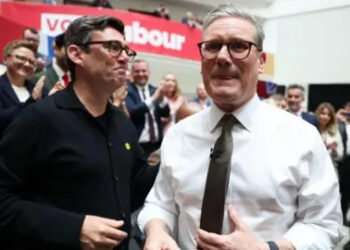 Labour Members Doubt Starmer Future as Burnham Leads Poll
 Reform UK Faces Crisis as Newly Elected Councillors Resign
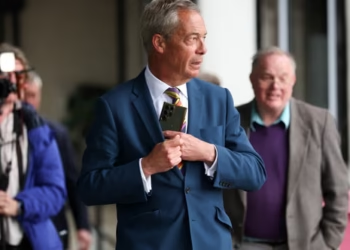 Farage Faces New Questions Over Private Helicopter Use
 NHS Drug Deal Faces Legal Threat Over US Trade Agreement
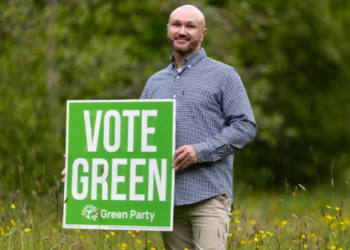 Green Party Makerfield Candidate Resigns Over Posts
 UK Welfare: Focus on Jobs Over Benefit Cuts, Says JRF
 Secret Role of UK Security Services in Troubles Amnesty Law
 Starmer Leadership Under Pressure After Setbacks
 The Hidden Crisis Eroding Trust in British Communities
 Deepfake Abuse on X Sparks Safety Concerns for Dissidents
 Modernising the Military: Carns Demands Urgent Procurement Reform
 UK Ministers Lobby Trump Over Under-16s Social Media Ban
 Starmer Resolves to Fight Burnham in Leadership Battle
 Starmer Resigns as Prime Minister Amid Internal Pressure
 MP Warning: Northern Rail Risks Repeating HS2 Failures
 Hollie Ridley to Step Down as Labour General Secretary
 New South Wales Premier Chris Minns Signals Tough Road Ahead for Labor
 Jarvis Urges Burnham to Secure 3.5% Defence Spending
 Farage Warns Sky News Following Financial Inquiry
 Reform UK Finances Face Deep NCA Probe
 Ann Widdecombe, Formidable Political Figure, Dies at 78
 Treasury Reform Urged After Tragic Loss
 Sadiq Khan Backs Call for Maximum UK Work Heat Limit