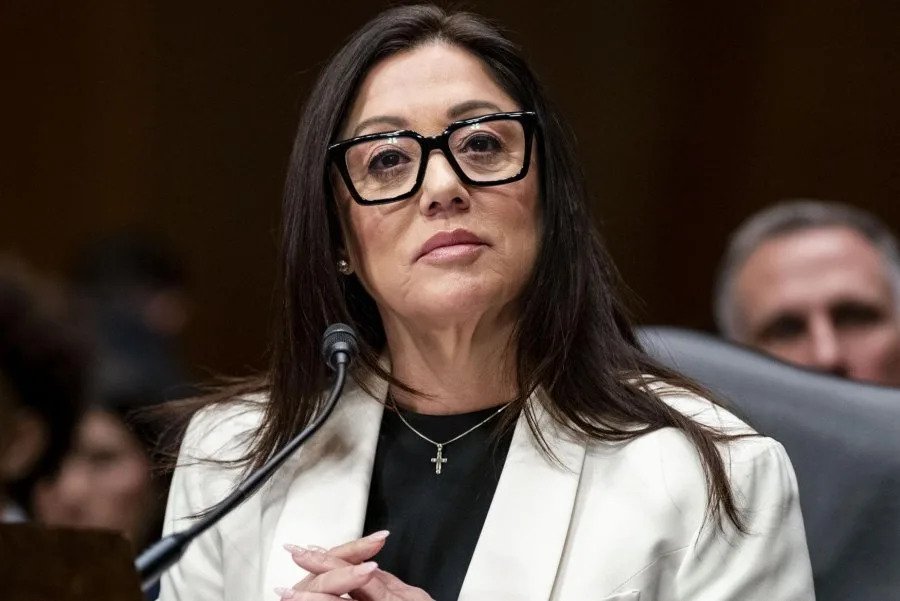
Published: 25 April 2026. The English Chronicle Desk. The English Chronicle Online
The US Department of Labor has been plunged into renewed uncertainty following the resignation of labor secretary Lori Chavez-DeRemer, who stepped down amid a series of controversies involving misconduct allegations, internal investigations, and escalating political tensions inside the agency.
Her departure has intensified criticism of what staff describe as “constant turbulence” within the department under the broader administration of Donald Trump, with career officials warning that instability and workforce reductions have weakened morale and disrupted operations across key labor programs.
Chavez-DeRemer’s resignation follows allegations that included claims of an inappropriate relationship with a subordinate, misuse of official travel resources, and accusations that aides may have steered departmental grants toward politically connected individuals. Additional controversy surrounded reports that her husband had been barred from department premises following separate misconduct allegations raised by staff.

In her resignation message posted on social media, Chavez-DeRemer strongly denied all allegations. She claimed she had been targeted by what she described as “deep state actors” working in coordination with sections of the media to undermine both her leadership and the wider agenda of President Trump. The use of the term immediately drew criticism from labor officials and union representatives.
Officials within the United States Department of Labor reacted sharply to her comments, arguing that the “deep state” framing dismissed the work of career civil servants who continue to operate under difficult conditions.
Omar Algeciras of AFGE Local 2391, a union representing federal workers at the department, said staff had maintained essential services despite ongoing instability. He argued that labeling employees as politically motivated actors undermined the professionalism of the workforce.
According to Algeciras, morale within the department has been under sustained pressure due to restructuring, budget cuts, and leadership changes. He also alleged that required internal workplace compliance measures, including harassment policy acknowledgements, were not properly completed during Chavez-DeRemer’s tenure, though the department has not confirmed this claim.
Chavez-DeRemer’s exit is part of a wider pattern of senior departures within the Trump administration in recent weeks, following resignations from figures including attorney general Pam Bondi and homeland security secretary Kristi Noem.
The rapid turnover has fuelled concerns among federal employees and political analysts about continuity in governance and institutional stability across major departments.
During Chavez-DeRemer’s tenure, the Department of Labor underwent significant restructuring, including an estimated 20% reduction in staff through buyouts, resignations, and dismissals. The agency also eliminated several international labour-related grants and shifted regulatory priorities toward deregulation.
Critics argue that these changes weakened enforcement of labour protections and reduced oversight capacity. According to labour policy experts, multiple regulatory rollbacks affected wage protections, overtime eligibility rules, and safety standards for vulnerable workers, including domestic and agricultural labour sectors.
Professor Cathy Creighton of Cornell University’s School of Industrial and Labor Relations said the department’s direction under Chavez-DeRemer marked a sharp departure from previous labour enforcement frameworks, citing concerns over reduced protections and weakened compliance mechanisms.
The Congressional Labor Caucus, including co-chairs Donald Norcross, Mark Pocan, Steven Horsford, and Debbie Dingell, issued a joint statement criticising Chavez-DeRemer’s leadership. They argued that her tenure coincided with reduced workplace safety enforcement and increased risks of wage theft and exploitation for workers.
Sean O’Brien, president of the Teamsters union, had previously supported her nomination, describing her appointment as an opportunity to prioritise American workers. However, the union has not issued a public response following her resignation, despite repeated requests for comment.
Beyond policy disputes, Chavez-DeRemer’s tenure was marked by personal and administrative controversies that became increasingly politically charged. Allegations of internal misconduct, combined with claims of politicised grant distribution, contributed to growing scrutiny of her leadership.
In her resignation statement, she rejected all accusations and suggested they were politically motivated. Supporters within her circle echoed this narrative, while critics argued that the scale of workforce cuts and regulatory rollbacks pointed to systemic governance issues rather than isolated disputes.
The Department of Labor itself has not publicly addressed the specific allegations raised during her resignation.
Reports from within the department indicate that morale among career staff had already been declining before her resignation. Employees described uncertainty linked to restructuring, shifting policy priorities, and internal communication breakdowns.
Earlier internal discussions reportedly included concerns over public messaging strategies and disciplinary actions related to media engagement, further contributing to tensions between leadership and staff.
Labor analysts warn that prolonged instability in senior leadership could undermine the department’s ability to enforce workplace protections and administer labour programs effectively.
Chavez-DeRemer’s resignation adds to growing scrutiny of the Trump administration’s handling of federal agencies, particularly those responsible for labour rights and workplace regulation. Critics argue that frequent leadership changes and policy reversals create uncertainty for both workers and employers.
At the same time, supporters of the administration maintain that restructuring efforts are aimed at improving efficiency and reducing bureaucratic overreach.

The White House has not yet announced a permanent replacement, though an interim appointment is expected in the coming weeks as the administration seeks to stabilise leadership within the department.
The resignation of Lori Chavez-DeRemer marks another significant moment of upheaval within the US Department of Labor, highlighting deep divisions over policy direction, workplace governance, and political influence.
With staff reporting ongoing instability and union leaders calling for stronger protections for career employees, the department now faces the challenge of restoring confidence while navigating a highly polarised political environment.
As investigations and political debate continue, the future direction of federal labour policy remains uncertain, leaving both workers and policymakers awaiting clarity on the next phase of leadership.
Related News:
 Melania Trump Epstein remarks spark survivor backlash
 Trump DOJ Targets James Comey Again
 Company linked to Michelle Mone owes £39m in tax
 Government Unveils Northern Powerhouse Rail Plans
 Trump Fed bid heads to Supreme Court
 Sanders Condemns Billionaire ‘Greed’ in California Tax Debate
 Can Congress Stop US Sports Teams From Moving Cities?
 M&S Demands Urgent Action on Rising Violent Retail Crime
 Swalwell Faces Pressure to Quit Governor Race
 Iron Worker Challenges Trump Loyalist in Ohio
 Harry and Meghan’s Australia Visit Sparks Debate
 Harmeet Dhillon Faces Scrutiny in DOJ Role Debate
 NHS Safety Fears as Nurses Cover Doctor Gaps
 Athens Mayor Moves to Tackle Overtourism Crisis
 Reform UK funding: mystery billionaire revealed
 Judge Blocks Trump Bid for Arizona Voter Data
 US Court Weighs Fate of TPS for Migrants
 Trump approval plunges amid Iran war fears
 Trump Threatens UN Budget Cuts as US Pushes ‘Trade Over Aid’ Agenda
 US ‘Narco Boat’ Strikes Draw Global Outcry
 US Awaits Iran Reply on New Ceasefire Proposal
 Immigration Judges Fear Pressure in Trump Era
 Hybrid village stores fight rural decline
 US judge dismisses Kilmar Abrego Garcia indictment
 Kevin Warsh sworn in as Fed chair amid economic backlash
 Hormuz Talks Near Critical Stage
 Trump’s Revenge Drive Deepens GOP Divide
 Gunman Killed After White House Security Shootout
 DeSantis’s ‘Alligator Alcatraz’ Faces Final Shutdown
 Trump’s Mount Rushmore Speech: A Divisive Anniversary
 Ukraine Creates Long-Range Strike Command
 Dreyfus Statue Finally Gets Permanent Paris Home
 Trump Refuses to Sign Housing Bill, But Law Takes Effect
 Trump Orders Signs Criticising Smithsonian Museum
 Is America Ready for an AOC Presidential Run?
 Burnham unveils £65m drought aid for farmers
 Trump’s UK Ambassador Urges North Sea Drilling to Strengthen US Ties
 French Taxi Driver Cleared in David Lammy Theft Case After Fare Dispute
 Millionaires group urge Reeves to introduce wealth tax to ‘lift kids out of poverty’
 Greene Pushes Epstein Files Amid Trump Fallout
 Canada Passes Carney’s First Budget in Tight Parliamentary Vote
 Venezuela Threatens Nobel Winner Machado with Fugitive Status
 Most Tories Expect to Support a Farage-Led Government
 Two National Guard Soldiers Critically Injured Near White House
 US National Guard Member Killed in DC Shooting
 Jordan Bardella: France’s Young Presidential Contender
 Starmer Says Labour’s Economic Plan Needs Years to Deliver
 American Mother Extradited From UK to U.S. on Murder Charges
 Trump press secretary attacks reporter over ICE question
 Kyrsten Sinema Faces High-Profile Lawsuit Over Marriage Interference
 Partial US Government Shutdown Hits Homeland Security Funding
 Thousands Protest ICE Operations in Nationwide US Day of Action
 Sinema payment row deepens after $9,000 transfer claim
 EU Signals Open Mind on UK Customs Union Talks
 Nurses’ families fear breakup under UK immigration crackdown
 UK shelves £110m border project amid trade strain
 California Democrats Vow Trump Reckoning
 Trump’s Surgeon General Pick Evades Vaccine Questions
 Adelaide University Faces Backlash Over Event Cancellation
 Utah Woman Found Guilty of Poisoning Husband for Inheritance
 Rising Costs Force Families to Rethink Days Out
 Trump Signals Hope for New Iran Talks as Ceasefire Fades
 Louisiana Tragedy: Eight Children Die in Mass Shooting
 UK Stands Firm on Falklands Amid US Rift
 Trump Defiant After Washington Hotel Shooting
 Identity Revealed: Suspected Washington Gunman Named
 White House Security Case Sparks Political Firestorm
 Ohio’s Battle for Trust: Democrats Vying to Flip the Buckeye State
 Tough Fiscal Realities Await Next Scottish Government
 China Fireworks Factory Blast Kills 21 in Hunan
 Afghan Families Left in Limbo Face Risk of Deportation
 Florida Surgeon ‘Devastated’ Over Fatal Surgery Error
 US green card applicants must apply from abroad, DHS says
 Albanese Defends Tax Reforms Amid Emotional Speech
 Starmer Leadership Under Pressure After Setbacks
 House Curbs Trump’s War Powers in Rare Rebellion
 US Courts Back Trump on Park Signage Removals
 Houthis Strike Saudi Arabia as Middle East Tensions Rise
 Westminster Council Threatens Charing Cross Soup Kitchen
 BBC Warned About Missing Clothes of Murder Victim