Published: 20 April 2026. The English Chronicle Desk. The English Chronicle Online
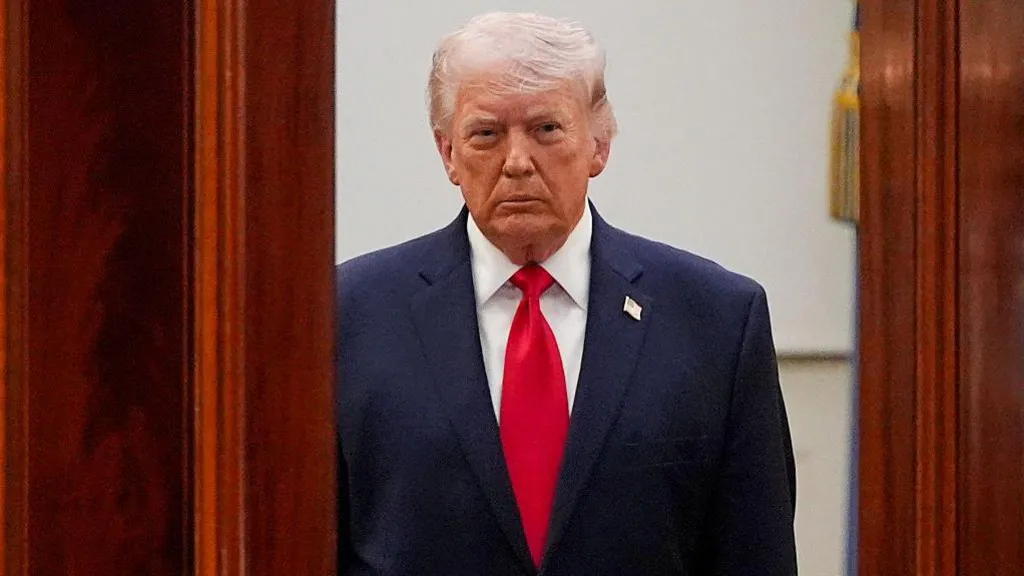
As the Trump administration pushes forward with a radical restructuring of the American financial landscape, a series of high-profile “suspicious trades” linked to the President’s inner circle has triggered a firestorm of scrutiny from federal regulators and Congressional oversight committees. The controversy, which has been dubbed the “Ticker Scandal” by Beltway insiders, centers on a pattern of massive, perfectly timed stock and options bets placed just moments before major White House policy shifts. While the President has dismissed the allegations as “total harassment” by a “deep state” Securities and Exchange Commission (SEC), the sheer scale of the profits has sparked a rare bipartisan call for a tightening of the STOCK Act.
The most recent “red flag” occurred last Tuesday, when an offshore investment fund with documented ties to several senior administration advisors reportedly netted over $150 million in a single afternoon. The trade involved “shorting” the stock of a major defense contractor exactly 45 minutes before President Trump announced a surprise freeze on several multi-billion dollar procurement contracts via social media. Congressional investigators are also probing a cluster of trades in the energy sector that preceded the White House’s executive order on the “Hormuz Emergency Tariff” in March.
Financial watchdog groups have identified three specific “windows of volatility” where market movements appeared to anticipate confidential executive decisions.
| Policy Event | Sector Impacted | Trading Volume Shift | Estimated “Insider” Profit |
| Defense Freeze (April 14) | Aerospace/Defense | -12% in 60 mins | $150 Million |
| Hormuz Tariff (March 22) | Oil & Gas Logistics | +22% in 2 hours | $310 Million |
| Tech Deregulation (Jan 15) | Silicon Valley / AI | +8% in 30 mins | $95 Million |
The White House has maintained that the President is “completely transparent” and that his policy announcements are based on his own public campaign promises, which any “smart investor” should have expected. However, the SEC’s enforcement division, currently led by a holdover commissioner from the previous administration, has reportedly issued a record number of subpoenas to private equity firms and family offices associated with the President’s business associates. The investigation is particularly focused on whether “non-public material information” regarding the timing of the President’s social media posts is being leaked to preferred donors.
The suspicions are looming large over the President’s legislative agenda, particularly his efforts to further deregulate the banking sector. Several “swing” Senators have signaled that they will withhold support for the Financial Freedom Act of 2026 until a full independent audit of the executive branch’s trading disclosures is completed. “We cannot have a system where the White House acts as a private hedge fund,” noted one Republican Senator, who requested anonymity. “The integrity of the American market is at stake.”

As the SEC investigation moves toward a potential grand jury, the administration has counter-attacked by proposing a “total overhaul” of the commission itself, arguing that it has been “weaponized” for political purposes. For the average American investor, the drama has created a climate of deep uncertainty. While the stock market remains near record highs, the nagging question of who is “in the room where it happens” before the trades are made continues to cast a long, uncomfortable shadow over the 47th presidency.
Related News:
 Calls Grow to Suspend Boris Johnson’s £115,000 Allowance After Revelations From “Boris Files”
 Company linked to Michelle Mone owes £39m in tax
 Modi’s London Visit Seals Historic UK-India Trade Pact Amid Global Tensions
 Tasers Introduced in UK Prisons to Combat Rising Violence and Protect Staff
 Mass Arrests in London as Protest Defies Ban on Palestine Action
 Chancellor Rachel Reeves Pushes for Sweeping Changes to Environmental Protections to Accelerate Development
 Urgent Action Needed on Windrush Compensation as Survivors Speak of “Waiting to Die”
 UK Mobile Retailers Lock Doors Amid Surge in Organised Phone Thefts
 Zarah Sultana Seeks Legal Action After Bitter Clash with Jeremy Corbyn Over Party Membership Funds
 Channel Crossings Surge: Over 1,000 People Arrive in the UK in Small Boats in a Single Day
 Senior Tories Condemn Badenoch’s Vow to Repeal Climate Change Act as Catastrophic
 Kemi Badenoch Unveils ‘Golden Rule’ to Halve Spending Cuts for Deficit Reduction at Tory Conference
 Kosovo agrees to host Britain’s refused asylum seekers
 Trump’s UK Ambassador Urges North Sea Drilling to Strengthen US Ties
 FBI Director Kash Patel Defends Girlfriend Amid Government Jet Claims
 French Taxi Driver Cleared in David Lammy Theft Case After Fare Dispute
 ‘Reckless’ cuts to victims’ services will cost more than they save
 Millionaires group urge Reeves to introduce wealth tax to ‘lift kids out of poverty’
 Indian authorities demolish Kashmir home linked to Red Fort blast
 Greene Pushes Epstein Files Amid Trump Fallout
 Canada Passes Carney’s First Budget in Tight Parliamentary Vote
 PM Highlights UK Business at G20 in South Africa
 Venezuela Threatens Nobel Winner Machado with Fugitive Status
 Most Tories Expect to Support a Farage-Led Government
 India’s Labour Law Overhaul Sparks Fierce Debate
 Jordan Bardella: France’s Young Presidential Contender
 Starmer Says Labour’s Economic Plan Needs Years to Deliver
 MPs warn AI financial risks threaten UK stability
 MPs warn AI financial risks threaten UK stability
 Police response times face strict new national limits
 Labour Must Revive High Streets to Avoid Election Collapse
 Could Manchester Lead the UK’s Economic Revival?
 Last‑ditch Call to Save Police Front Counters in London
 Nine Arrested in France Over Death of Far‑Right Student
 Jenrick: I’ll Back OBR but There’ll Be No More Cosy Consensus
 South Korea’s Ex-President Faces Death Penalty in Insurrection Trial
 Sanders Condemns Billionaire ‘Greed’ in California Tax Debate
 How Much Could Andrew’s Arrest Hurt the Royal Family?

 Reeves Must Back Defence Plan or Face Dismissal, Says Unite Chief
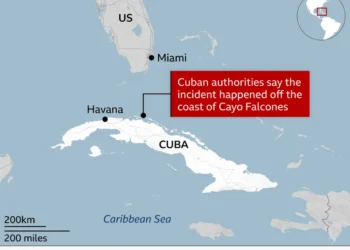 American Citizen Killed in Cuba Boat Shooting, U.S. Officials Say
 Hillary Clinton Tells House Panel She Had No Idea of Epstein’s Crimes
 Labour’s Employment Shake‑Up ‘Makes Britain Worse Than France’
 Bogus ‘Oxford Professor’ Jailed Over £880k Investment Scam
 Venezuela and US to Work Together on Mining Developments, Rodríguez Says
 Labour MP’s Partner Arrested on Suspicion of Spying for China
 Police Scotland Pays £8m Compensation to Staff
 Gulf Oil Shock Sends Global Economic Ripples
 US Says 16 Iranian Mine Ships Destroyed in Hormuz
 After Mugabe: Family Feuds and Legal Battles
 US Launches Probe into Trading Partners Including EU, China, and India
 Point-Blank Gunshot Misses Indian Politician
 UK Fuel Tax Hike Plan to Be Kept Under Review Over Iran Conflict
 Sri Lanka Sets Weekly Shutdown to Save Fuel
 Ram-Raid Gang Hit Livingston Store in Arson Escape
 Missing Cuba-Bound Aid Ships Spark Urgent Search
 Badenoch Demands Energy Tax Cuts Over ‘Benefit Street’ Bailouts
 Tories Urge Three-Year VAT Scrap on Energy Bills to Combat Price Spike
 Starmer Launches Labour Local Election Campaign Under Shadow of ‘Bloodbath’ Predictions
 The 8 Million Dilemma: Why Britain’s Disability Safety Net is Facing a ‘2026 Reckoning’
 The ‘Peterborough Windfall’: Council Calculator Finds £84,800 in Unclaimed Support
 Can Congress Stop US Sports Teams From Moving Cities?
 British Businesses Braced as National Living Wage Hits £12.71 Published: 1 April 2026
 Tax Shift Hits UK Farms: New Inheritance Rules Begin
 Oil and Diplomacy: Russian Refineries Burn as Zelenskyy Secures Middle East Shield
 “A Perfect Storm”: UK Small Businesses Face Doubling Energy Bills as Iran War Rattles Markets
 Asian Powers Secure Energy Lifelines as Trump’s Hormuz Deadline Looms
 ‘I Will Not Abandon Him’: Pauline Hanson Stands by Ben Roberts-Smith After War Crime Charges
 The $100 Billion Peace: Trump’s ‘Grand Bargain’ Ends Iran Conflict at a Staggering Cost
 The Great Chokehold: Why the Strait of Hormuz is the Epicenter of the 2026 Crisis
 The Prediction Prohibition: White House Staff Barred from Betting on Political Markets
 California fireworks blast: murder charges filed in case
 Relief at the Pump: Irish PM Unveils €505m Package to Stem Fuel Crisis
 Policy Stand-Off: Streeting Denies Any ‘System Update’ to Resident Doctor Pay Deal
 Diplomatic Deadlock: Lebanon Enters High-Stakes Border Talks with ‘No Cards to Play’
 The ‘Big Fish’ Lands: Marcos Confirms Arrest of Key Figure in Flood-Control Scandal
 Roadside Reckoning: Nearly 160,000 Uninsured Vehicles Seized in National Crackdown
 The ‘High-Liquidity’ Heist: Rising Pokémon Card Values Spark Global Crime Spree
 Harry and Meghan’s Australia Visit Sparks Debate
 Harmeet Dhillon Faces Scrutiny in DOJ Role Debate