Published: 04 June 2026. The English Chronicle Desk. The English Chronicle Online.
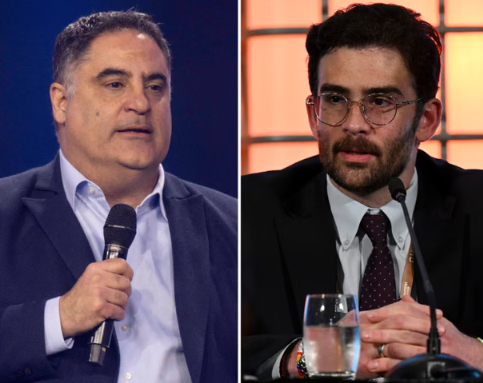
The British government faces growing scrutiny after blocking a prominent leftwing American political commentator from entering the country this week. Cenk Uygur, the founder of the popular progressive media outlet The Young Turks, described the decision as Kafkaesque. Home Office officials unexpectedly revoked electronic travel authorisations for both Uygur and his high-profile nephew, Hasan Piker. Piker has achieved significant fame on the internet as a leading leftist commentator on the Twitch streaming platform. The American duo planned a high-profile visit to London for several scheduled public speaking appearances.
British authorities justified the sudden decision by stating their presence would not benefit the public good. This sweeping justification has sparked intense debates about state censorship and the protection of free speech. Zack Polanski, the current leader of the Green Party, publicly condemned the government action as grim. Meanwhile, representatives from the campaign group Index on Censorship labelled the ban a deeply worrying escalation. The controversial decision has ignited a fierce conversation about the limits of political discourse in Britain.
Uygur expressed his deep confusion during an early morning television interview broadcast on Sky News. The media veteran described the sudden government decision as being both haunting and completely hilarious. He emphasized that authorities have not provided any clear or specific charges against him personally. The commentator wondered aloud whether British border officials would permanently bar him from the country. He defended his long public record by calling himself a religious believer in total nonviolence.
The Home Office maintains a strict policy of not commenting publicly on individual immigration decisions. This silence remains notable because Uygur previously traveled to the United Kingdom without incident during 2025. The commentators had originally planned to address audiences at the major SXSW London cultural festival. They will now deliver their planned speeches virtually to members of the prestigious Oxford Union Society. This sudden shift to digital broadcasting highlights the immediate impact of the government exclusion order.
Every foreign national must obtain formal permission before they can cross British borders for travel. Visitors generally require either a traditional entry visa or an approved electronic travel authorisation document. The Home Secretary possesses incredibly broad discretionary powers to refuse entry to any foreign citizen. These extensive powers allow officials to block individuals based on their character and previous associations. The government frequently uses this legal mechanism to protect public order from external political disruption.
This specific legal power has seen frequent use by the current administration in recent months. British authorities blocked eleven foreign far-right activists from entering the country just this past May. Those exclusions occurred directly ahead of a major political rally organised by Tommy Robinson. Prime Minister Keir Starmer has publicly accused Robinson of consistently peddling hatred and social division. These actions demonstrate a broader pattern of state intervention against controversial figures from across the spectrum.
Earlier this year, the government also blocked American rap artist Kanye West from entering Britain. Officials determined that his arrival would not be conducive to the general public good either. That controversial decision caused immense public outcry and forced the total cancellation of Wireless Festival. The famous musician had faced severe international criticism for making highly offensive antisemitic remarks online. West eventually issued a public apology for his behaviour after praising Adolf Hitler during interviews.
Uygur stands as a fifty-six-year-old political activist who also holds a professional law degree. He has consistently used his media platform to criticize recent Israeli military actions in Gaza. The commentator has frequently described the ongoing conflict using terms like genocide and savage violence. He insists his commentary focuses strictly on analyzing Israeli political influence over United States policy. Uygur firmly believes his critical perspective on international relations motivated the British government ban.
When questioned about the underlying motive, Uygur stated there was absolutely no question regarding it. The Home Office provided no formal explanation, but media reports pointed toward specific underlying fears. The Times newspaper suggested authorities feared his presence might actively fuel antisemitism across British communities. Reports indicated the decision relied heavily on his public commentary following the October seventh attacks. Officials also reportedly reviewed past remarks Uygur made regarding grooming gangs during a YouTube broadcast.
The commentator questioned whether the British government would ever publish clear rules for criticizing Israel. He wondered if British authorities applied these strict speech standards to actions by other nations. Uygur described the current political atmosphere as being both entirely Kafkaesque and deeply Orwellian. He questioned why Western governments appear uniquely sensitive to criticisms directed at the Israeli state. The broadcaster argued that official concerns should extend equally to all victims of Middle Eastern conflicts.
The sudden ban has created a significant diplomatic talking point regarding transatlantic political expression. Supporters argue that denying entry to peaceful political commentators sets a dangerous precedent for democracies. Critics suggest that preventing inflammatory rhetoric is necessary to maintain domestic peace and social cohesion. The incident raises broader questions about how modern democracies manage controversial speech from foreign nationals. As digital media grows, physical borders increasingly clash with the borderless reality of internet celebrity.
The debate over the exclusion of Uygur and Piker will likely continue for weeks. Free speech advocates intend to press the Home Office for greater transparency regarding travel bans. The legal framework governing electronic travel authorisations remains under intense scrutiny from civil liberties groups. Meanwhile, the American commentators will continue reaching British audiences through digital streaming alternatives online. This high-profile dispute underscores the ongoing tension between national security interests and traditional democratic values.
Related News:
 Reeves Faces Setback as Labour May Miss Homes Target
 Kate Winslet to Narrate Film Highlighting King’s Environmental Mission
 Trump’s UK Ambassador Urges North Sea Drilling to Strengthen US Ties
 UK Bans Fake Numbers: Scammers Lose Their Trick
 M&S Profits More Than Halve After Cyber-Attack
 Patients to Test Health at Home to Ease NHS Winter Pressure
 Millionaires group urge Reeves to introduce wealth tax to ‘lift kids out of poverty’
 Reeves rejects £1bn plea for NHS redundancy payouts
 Northern Lights may illuminate UK skies this week
 PM Condemns Leaks, Vows Loyalty to Ministers and Stability
 Major Rent Reform Ends No-Fault Evictions in England
 Stroke Patient Mistaken for Drunk, Care Delayed
 Inside the Helpline Protecting Missing Children in the UK
 Boots Showstopper Beauty Bundle Outshines Many Advent Calendars This Holiday Season
 PlayStation PS5 Deals Hit Lowest Prices Ahead of Black Friday
 Five-Year-Old Dies After Rare Tonsil Surgery Complication
 Starmer Says Labour’s Economic Plan Needs Years to Deliver
 UK unemployment rises to four-year high of 5.1% before budget
 Wiltshire Police Use Lasso to Catch Rampaging Village Goat
 Coasting Drinks: The Trend Redefining Alcohol Enjoyment This New Year
 Rising Hate Crimes Threaten Safety on UK Public Transport
 Starmer Faces Parliamentary Battles Over UK-EU ‘Reset’ Plan
 Met Police Vetting Failures Let Serial Rapists Remain
 Google Employee Claims Redundancy After Harassment Report
 Fatal Bolton Taxi Crash Claims Three Teens and Driver
 ScottishPower Tops List of Worst UK Energy Suppliers
 Judi Dench Champions Fight to Save London’s Green Spaces
 Crowborough Camp Welcomes First Asylum Seekers
 BBC Funding Crisis: Tim Davie Warns of Jeopardy Ahead
 Artificial intelligence will cost jobs, admits Liz Kendall
 Older Women Vanish from BBC Screens, Review Confirms Bias
 Streeting moves on doctor pay to end strike dispute
 Send spending gap leaves deprived areas behind
 Hidden Crisis: Domestic Abuse Suicide Toll in UK
 UK Unemployment Rate Climbs to 5.2% Peak
 BBC World Cup Presenting Duties Shared Among Trio
 Wales Approves Assisted Dying Bill Consent
 CPS Updates Guidance on Honour-Based and Dowry Abuse
 Asylum Seekers to Work After Year-Long Wait
 Inquiry into HMRC child benefit errors launched by NAO
 Rising Costs Force Families to Rethink Days Out
 Scott Mills Sacked by BBC Over Personal Conduct Claims
 Palantir Boss Defends NHS Deal Amid Government Break Clause
 Relationship with Trump may be beyond repair, Starmer warned
 UK Government Poised to Revive Stalled Hillsborough Law
 UK Staycations Rise as Travel Fears Grow
 Home Office Faces Legal Risks Over Asylum Hotel Living
 Official Admits Debate Over Mandelson Vetting Records
 Crisis in NHS Surgery Scheduling Hits Patients Hard
 Welsh Labour Faces Potential Historic Election Defeat
 Blue Badge Abuse: The Rising Tide of Public Hostility
 UK Faces Future Where Deaths Outnumber Births Yearly
 Scott Parker Leaves Burnley After Premier League Drop
 Silent Tracks: Rail Line Without Passengers
 RFU Backs Borthwick Despite England’s Poor Six Nations
 Major test for Labour as polls open in Great Britain
 Keir Starmer Struggles to Secure His Grip on Downing Street
 Fear and Betrayal: The Chilling Case of Kouri Richins
 Farage Faces Standards Probe Over Cash Property Purchase
 Closing the Gap: UK Pensions Commission Demands Action
 Sun and Jams: Britain Braces for a Sizzling Bank Holiday
Russian Electronic Attack Targets UK Defence Chief Jet
Sun and Jams: Britain Braces for a Sizzling Bank Holiday
Russian Electronic Attack Targets UK Defence Chief Jet
 UK Shoppers Face Prolonged Price Rises At Tills
 Tube Strike Brings Capital to a Standstill Over Shift Disputes
 Labour Denies Benefit Tax Hike Amid Mandelson Leak
 Makerfield Voters Demand Real Change as Election Looms
 UK House Prices Drop For Third Month Due To War Fears
 The Hidden Crisis Eroding Trust in British Communities
 Deepfake Abuse on X Sparks Safety Concerns for Dissidents
 Stolen Mobiles Could Soon Become Useless Bricks
 Clean Air Initiatives Spark Major Fall in London Hospital Admissions
 United Kingdom Politics Worse Now Than Before Brexit, Warns MP
 Russian Tanker Captain Remanded in UK Court After Channel Seizure
 Shocking Zoo Incident Sparks Attempted Murder Probe
 The Hybrid School Revolution Defying the Social Media Ban
 UK Care Crisis: Row Explodes Over New Visa Settlement Rules
 Sainsbury’s Boss Optimistic As Grocery Inflation Eases
 US Airman Avoids British Court in Indecent Exposure Case
 Ann Widdecombe, Formidable Political Figure, Dies at 78
 UK Schools Struggle as Classrooms Top 40C