Published: 06 May 2026. The English Chronicle Desk. The English Chronicle Online.
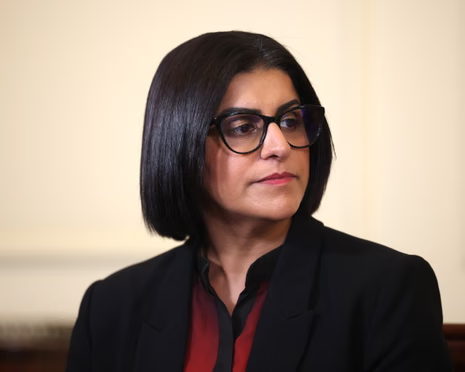
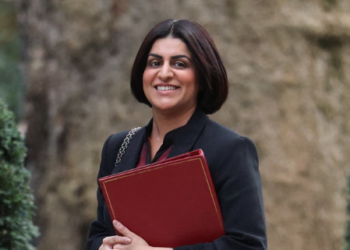
The British landscape of asylum and immigration is currently facing a significant and deeply contentious legal crossroads. Two Sudanese asylum seekers have officially launched a challenge against a core element of the government’s strategy. They are specifically targeting the Home Secretary’s recent move to strip refugees of previously established basic rights. This legal battle represents the first major confrontation against Labour’s ambitious plans to overhaul the system. The claimants are openly rejecting the harsh characterization of being labeled as opportunistic asylum shoppers. At the heart of this dispute is a drastic change to the leave to remain rules. Shabana Mahmood recently announced plans to halve the standard leave granted to successful refugee applicants. Under the new rules, the duration has been cut from five years to thirty months. This shift creates a much longer and more arduous path toward achieving permanent British settlement. Previously, refugees could apply for settlement after five years of living within the United Kingdom. Now, those seeking protection must wait twenty years before they become eligible for residency. This massive extension of time has sparked outrage among human rights advocates and legal experts.
The two individuals leading this legal challenge share haunting backgrounds of immense personal suffering and pain. Both men report suffering from regular nightmares and vivid flashbacks related to past torture sessions. These traumatic experiences occurred within their home country before they sought safety on British shores. They argue that the new policy is indirectly discriminatory against those from specific backgrounds. Furthermore, they contend that the policy will not serve as an effective deterrent at all. Data from 2025 shows that 96 percent of Sudanese claims resulted in protection grants. This high success rate suggests that the vast majority of these individuals are genuine. Despite these figures, the Home Secretary remains firm in her commitment to these new restrictions. Mahmood published a policy paper in November 2025 regarding order and control in immigration. In that document, she accused even genuine refugees of searching for the most attractive destinations. She claimed that many individuals shop their way across the European continent for benefits. This rhetoric has been met with significant pushback from international organizations and local charities alike.

The United Nations refugee agency has issued a formal condemnation of this controversial new policy. In December 2025, the UNHCR released a detailed statement responding to the Home Office announcement. The agency noted with great concern the plans to reduce leave to thirty months. They argued that such a change would place massive administrative burdens on the system. It would also create a sense of profound uncertainty for those seeking a future. Integration and social cohesion are likely to be negatively affected by these constant reviews. The UNHCR emphasized that security and stability are essential for successful refugee resettlement and growth. Providing only short-term leave is likely to be detrimental to a person’s mental health. A sense of belonging is difficult to foster when your status is constantly questioned. The administrative burden on the Home Office itself is expected to be incredibly heavy. Officials will have to reassess rights to remain every thirty months for each individual. Those on this core protection route will face eight separate assessments over twenty years. This repetitive process seems both costly and inefficient to many observers of the system.
In addition to residency changes, Mahmood is also tightening rules regarding family reunification for refugees. Previously, refugees could more easily bring spouses and children under eighteen to join them here. Now, people must demonstrate they can financially support their family members before any approval. This financial requirement adds another layer of difficulty for those trying to rebuild their lives. In practice, refugee status is very rarely withdrawn once it has been officially granted. While many people dream of returning home, the original dangers often persist for decades. The conditions that caused them to flee usually remain far too dangerous for return. Australia previously experimented with temporary protection but eventually moved back toward permanent residency instead. Data from other European nations also suggests that status withdrawals are extremely rare occurrences. After extensive reviews in 2024, Denmark only withdrew forty-eight grants of refugee status in total. Norway followed a similar pattern, withdrawing only twenty-nine grants during that same calendar year. These statistics suggest that the vast majority of refugees require long-term protection and stability.
Manini Menon is the solicitor representing the two Sudanese men in this landmark legal case. She works for Duncan Lewis, a firm well-known for its dedication to human rights. Menon stated that her clients have initiated this challenge to protect their future rights. She described the temporary status policy as a cornerstone of the intended asylum overhaul. The Home Secretary maintains that her position will deter arrivals via small boat crossings. She believes it ensures only those with genuine needs receive leave within the country. However, the legal team argues that the policy is fundamentally flawed and highly discriminatory. Evidence from countries like Denmark and Australia provides a clear warning about these policies. Granting only temporary status is known to exacerbate mental and physical ill-health in refugees. It also adversely affects social integration and increases the risk of severe economic instability. Many refugees may fall into deep poverty if they cannot plan for the future. The lack of a permanent home makes it difficult to secure stable employment. Employers are often hesitant to hire individuals with very short-term visas and limited rights.
The psychological impact of living in constant limbo cannot be overstated by medical professionals today. Refugees who have already survived trauma need a predictable environment to begin their long recovery. Frequent reassessments force victims to relive their past traumas every two and a half years. This cycle of interrogation can lead to a total breakdown in mental well-being over time. Critics argue that the twenty-year wait for settlement is essentially a lifetime of secondary trauma. It prevents people from truly investing in their local communities or learning the language. When a person feels their stay is temporary, they are less likely to integrate. This creates a self-fulfilling prophecy of social isolation and community tension across the country. The government, however, insists that these measures are necessary to maintain public confidence. They believe the public wants to see a much firmer grip on immigration numbers. Striking a balance between compassion and control remains the greatest challenge for the current administration. The outcome of this legal challenge will likely define British asylum policy for years.

As the case moves through the courts, the eyes of the international community remain fixed. Many other nations are watching to see if the UK can legally sustain this. If the court rules in favor of the Sudanese claimants, the policy might crumble. This would force the Home Secretary to return to the previous five-year leave model. Such a result would be a major political blow to the current government’s agenda. On the other hand, a government victory would solidify this new, more restrictive approach. It would signal a permanent shift in how Britain treats those fleeing war and persecution. For now, thousands of people remain in a state of anxious and difficult waiting. Their lives are currently hanging in the balance of a complex legal and political struggle. The two Sudanese men at the center of this represent many silent voices today. They are fighting for the right to build a life without constant fear. The British public remains divided on the best way to manage these sensitive issues. Ultimately, the judiciary will have the final say on the legality of these changes. This trial marks a turning point for the nation’s identity as a sanctuary. The values of fairness and responsibility are being tested in the highest London courts. Everyone involved recognizes that the stakes for human rights have never been higher. The decision will echo far beyond the walls of the Home Office building. It will shape the lives of generations of new arrivals seeking a home. Consistency in policy is what many advocates are now desperately calling for today. Only time will tell if the UK remains a place of true refuge.
Related News:
 Reeves Faces Setback as Labour May Miss Homes Target
 Kate Winslet to Narrate Film Highlighting King’s Environmental Mission
 Trump’s UK Ambassador Urges North Sea Drilling to Strengthen US Ties
 UK Bans Fake Numbers: Scammers Lose Their Trick
 Millionaires group urge Reeves to introduce wealth tax to ‘lift kids out of poverty’
 Reeves rejects £1bn plea for NHS redundancy payouts
 PM Condemns Leaks, Vows Loyalty to Ministers and Stability
 Stroke Patient Mistaken for Drunk, Care Delayed
 Inside the Helpline Protecting Missing Children in the UK
 Boots Showstopper Beauty Bundle Outshines Many Advent Calendars This Holiday Season
 PlayStation PS5 Deals Hit Lowest Prices Ahead of Black Friday
 Five-Year-Old Dies After Rare Tonsil Surgery Complication
 Starmer Says Labour’s Economic Plan Needs Years to Deliver
 UK unemployment rises to four-year high of 5.1% before budget
 Wiltshire Police Use Lasso to Catch Rampaging Village Goat
 Coasting Drinks: The Trend Redefining Alcohol Enjoyment This New Year
 Rising Hate Crimes Threaten Safety on UK Public Transport
 Starmer Faces Parliamentary Battles Over UK-EU ‘Reset’ Plan
 Met Police Vetting Failures Let Serial Rapists Remain
 Google Employee Claims Redundancy After Harassment Report
 Fatal Bolton Taxi Crash Claims Three Teens and Driver
 ScottishPower Tops List of Worst UK Energy Suppliers
 Judi Dench Champions Fight to Save London’s Green Spaces
 Crowborough Camp Welcomes First Asylum Seekers
 BBC Funding Crisis: Tim Davie Warns of Jeopardy Ahead
 Storm Chandra floods Somerset, triggers major incident declaration
 Artificial intelligence will cost jobs, admits Liz Kendall
 Older Women Vanish from BBC Screens, Review Confirms Bias
 Mandelson Faces Police Inquiry Over Epstein Leak
 Streeting moves on doctor pay to end strike dispute
 UK reports baby formula toxin poisoning cases across the country
 Morgan McSweeney downfall shocks Labour leadership
 Send spending gap leaves deprived areas behind
 Hidden Crisis: Domestic Abuse Suicide Toll in UK
 UK Unemployment Rate Climbs to 5.2% Peak
 BBC World Cup Presenting Duties Shared Among Trio
 Wales Approves Assisted Dying Bill Consent
 CPS Updates Guidance on Honour-Based and Dowry Abuse
 Asylum Seekers to Work After Year-Long Wait
 Inquiry into HMRC child benefit errors launched by NAO
 Rising Costs Force Families to Rethink Days Out
 Scott Mills Sacked by BBC Over Personal Conduct Claims
 Palantir Boss Defends NHS Deal Amid Government Break Clause
 Relationship with Trump may be beyond repair, Starmer warned
 UK Government Poised to Revive Stalled Hillsborough Law
 Home Office Faces Legal Risks Over Asylum Hotel Living
 Crisis in NHS Surgery Scheduling Hits Patients Hard
 Blue Badge Abuse: The Rising Tide of Public Hostility
 Scott Parker Leaves Burnley After Premier League Drop
 Silent Tracks: Rail Line Without Passengers
 RFU Backs Borthwick Despite England’s Poor Six Nations
 Met Officers Probed Over Al Fayed Abuse Allegations
 Reform UK Faces Crisis as Newly Elected Councillors Resign
 Starmer Strikes Back as 100 MPs Sign Support Pledge
 UK Firms Freeze Spending as Iran Conflict Bites
 Rugby Legend Scott Hastings Dies Aged 61
 Reeves to Fast-Track Clean Energy Amid Iran Crisis
 The Battle for Wembley Sparking Unprecedented Legal Warfare
 Record Spending Highlights Growing Crisis In National Health Service
 Secret Role of UK Security Services in Troubles Amnesty Law
 Tube Strike Brings Capital to a Standstill Over Shift Disputes
 BP Stands Firm on Amanda Blanc Amid Boardroom Storm
 Teaching Machines Right From Wrong in the Digital Age
 UK House Prices Drop For Third Month Due To War Fears
 The Hidden Crisis Eroding Trust in British Communities
 Deepfake Abuse on X Sparks Safety Concerns for Dissidents
 Stolen Mobiles Could Soon Become Useless Bricks
 Clean Air Initiatives Spark Major Fall in London Hospital Admissions
 United Kingdom Politics Worse Now Than Before Brexit, Warns MP
 Russian Tanker Captain Remanded in UK Court After Channel Seizure
 Shocking Zoo Incident Sparks Attempted Murder Probe
 The Hybrid School Revolution Defying the Social Media Ban
 UK Care Crisis: Row Explodes Over New Visa Settlement Rules
 Sainsbury’s Boss Optimistic As Grocery Inflation Eases
 NHS Urges Investigation For Irregular Periods
 US Airman Avoids British Court in Indecent Exposure Case
 Farage Warns Sky News Following Financial Inquiry
 Ann Widdecombe, Formidable Political Figure, Dies at 78
 UK Schools Struggle as Classrooms Top 40C
 Westminster Council Threatens Charing Cross Soup Kitchen