Published: 06 May 2026. The English Chronicle Desk. The English Chronicle Online.
The historic architecture of Britain’s justice system is currently facing an unprecedented and modern technological challenge. For over a century, the imposing brick facades of Victorian prisons have served as symbols of security. Today, those same crumbling walls represent a significant vulnerability in the ongoing battle against organized crime networks. Criminal gangs are increasingly using advanced drone technology to bypass traditional perimeter security with incredible precision. These aerial vehicles deliver illicit drugs and dangerous weapons directly into the hands of waiting inmates. Prison governors now report that their primary defense strategies are being thwarted by aging masonry work. Soft bricks and decaying mortar simply cannot support the weight of modern anti-drone security measures.
Security experts have long advocated for the installation of heavy-duty netting across sensitive prison exercise yards. These nets are designed to snag the propellers of incoming drones and prevent successful deliveries. Furthermore, reinforced window grilles are essential to stop inmates from retrieving packages from their cell windows. However, engineers have discovered that the structural integrity of many Victorian jails is severely lacking today. The additional weight and tension required for these nets often exceed the capacity of the walls. Attempts to secure heavy steel brackets into the soft yellow London stock brick have frequently failed. This structural limitation has created a massive headache for the Ministry of Justice and prison staff.

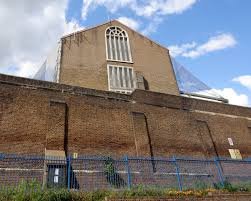
HMP Pentonville in North London has become the most prominent example of this architectural and security crisis. Recent efforts to fix advanced anti-drone netting at the facility were abruptly stalled by technical difficulties. Sources close to the project revealed that the 1842 bricks were far too soft for anchors. The mortar between these historic bricks has degraded significantly over the past one hundred and eighty years. Engineers found it nearly impossible to maintain the necessary tension for the protective mesh to function. Without proper tension, the nets sag and fail to provide an effective barrier against agile drones. This delay has left the airspace above one of London’s busiest prisons dangerously open to incursions.
The scale of the problem was highlighted by Charlie Taylor, the chief inspector of prisons recently. He warned that the Prison Service has essentially ceded control of the airspace to organized crime. This loss of control is now being officially classified as a serious threat to national security. Official data shows that drone incidents have surged by over one thousand percent in four years. Gang members are now capable of flying heavy packages directly to specific cell windows with ease. Inmates simply use makeshift hooks to pull the contraband through the bars of their existing windows. This process is often completed in seconds, making it very difficult for guards to intervene effectively.
The variety and volume of items being flown into prisons have shocked even the most experienced inspectors. Some intercepted packages have weighed more than fifteen kilograms, which indicates a highly sophisticated smuggling operation. Drones are no longer just delivering small amounts of tobacco or prohibited mobile phones to prisoners. They are now carrying large quantities of anabolic steroids, hair loss treatments, and even fast food. Such items create a secondary economy within the prison walls that is controlled by violent gangs. This illicit trade undermines the authority of prison staff and fuels further violence among the inmates. The constant influx of contraband makes the task of rehabilitation almost impossible for most dedicated staff.
Tom Wheatley, president of the Prison Governors Association, expressed deep frustration over the slow pace of upgrades. He emphasized that physical measures like netting and wires remain the most effective deterrents against aerial smuggling. However, the unique challenges of Victorian architecture mean that there is no quick or easy fix. Every installation must be carefully balanced to ensure the building does not suffer further structural damage. Designing bespoke steel supports to distribute weight across old walls is a complex and expensive undertaking. Restricted spaces within urban prisons further complicate the logistics of installing large-scale security hardware and equipment. These delays are providing criminals with a wider window of opportunity to exploit existing security gaps.
The surge in drone activity is not merely an anecdotal observation from staff on the front lines. Recorded incursions rose from just over one hundred in 2021 to nearly two thousand last year. It is widely believed that many more drone drops go undetected by the current monitoring systems. Smugglers have become increasingly bold, operating in broad daylight with little fear of immediate detection or capture. While some gangs have been successfully prosecuted and jailed, the financial rewards remain high for others. The low cost of consumer drones compared to the high value of prison drugs is enticing. This economic reality means the pressure on prison perimeters will likely continue to grow every year.
Government officials are looking toward international solutions to solve this domestic crisis in the United Kingdom. Justice Secretary David Lammy recently met with Ukrainian military officials to discuss advanced drone warfare tactics. The goal is to adapt battlefield technology to better protect the domestic prison estate from aerial threats. Electronic jamming and detection systems are being considered alongside the physical barriers like netting and grilles. However, electronic measures can be expensive and sometimes interfere with local communications in dense urban areas. Physical barriers remain the gold standard if they can be safely attached to the existing prison buildings. Balancing high-tech solutions with low-tech masonry repairs is now a top priority for the government.
The structural weakness of Victorian prisons was further exposed by a shocking incident at HMP Winchester recently. Inmates there managed to dig through their cell walls using nothing more than simple plastic cutlery items. This event highlighted just how porous and fragile these aging institutions have become over many decades. If a plastic fork can breach a wall, it is no surprise that heavy nets cannot hang. Public confidence in the prison system depends on the ability of the state to maintain secure boundaries. The government has promised to invest ten million pounds specifically for new anti-drone measures across the country. However, critics argue that this amount may not be enough to fix the underlying structural problems.

A spokesperson for the Prison Service has officially denied that walls are too weak for security upgrades. They stated that all security improvements are tailored to the specific needs of each individual prison site. Detailed structural assessments are supposedly carried out before any heavy equipment is installed on the old walls. Over forty million pounds has been allocated to enhance the physical security of the entire prison estate. This funding is intended to boost overall safety and clamp down on all forms of illicit activity. Despite these official assurances, the reality on the ground remains a constant struggle against gravity and time. The ghosts of Victorian engineering are now colliding with the high-tech reality of the twenty-first century.
Ultimately, the battle for control of the skies above Britain’s prisons will require a multi-faceted approach. It is not just about catching drones but also about fixing the very foundations of the buildings. If the walls cannot hold the nets, then the nets cannot stop the flow of drugs. This creates a cycle of instability that threatens the safety of staff and the wider public. Modernizing the prison estate is a task that has been neglected for far too many years now. The current drone crisis has simply brought these long-standing structural issues into a very sharp focus. Solving this will require both architectural ingenuity and a significant long-term investment in our national infrastructure. Only then can the authorities hope to regain full control over the airspace above our historic jails.
Related News:
 Reeves Faces Setback as Labour May Miss Homes Target
 Kate Winslet to Narrate Film Highlighting King’s Environmental Mission
 Trump’s UK Ambassador Urges North Sea Drilling to Strengthen US Ties
 UK Bans Fake Numbers: Scammers Lose Their Trick
 Millionaires group urge Reeves to introduce wealth tax to ‘lift kids out of poverty’
 Reeves rejects £1bn plea for NHS redundancy payouts
 PM Condemns Leaks, Vows Loyalty to Ministers and Stability
 Inside the Helpline Protecting Missing Children in the UK
 PlayStation PS5 Deals Hit Lowest Prices Ahead of Black Friday
 Five-Year-Old Dies After Rare Tonsil Surgery Complication
 Starmer Says Labour’s Economic Plan Needs Years to Deliver
 Starmer Faces Parliamentary Battles Over UK-EU ‘Reset’ Plan
 Met Police Vetting Failures Let Serial Rapists Remain
 Google Employee Claims Redundancy After Harassment Report
 Fatal Bolton Taxi Crash Claims Three Teens and Driver
 ScottishPower Tops List of Worst UK Energy Suppliers
 Judi Dench Champions Fight to Save London’s Green Spaces
 Crowborough Camp Welcomes First Asylum Seekers
 BBC Funding Crisis: Tim Davie Warns of Jeopardy Ahead
 Storm Chandra floods Somerset, triggers major incident declaration
 Artificial intelligence will cost jobs, admits Liz Kendall
 Older Women Vanish from BBC Screens, Review Confirms Bias
 Mandelson Faces Police Inquiry Over Epstein Leak
 Streeting moves on doctor pay to end strike dispute
 UK reports baby formula toxin poisoning cases across the country
 Morgan McSweeney downfall shocks Labour leadership
 Send spending gap leaves deprived areas behind
 Hidden Crisis: Domestic Abuse Suicide Toll in UK
 UK Unemployment Rate Climbs to 5.2% Peak
 Farage Unveils Reform UK Frontbench Team
 BBC World Cup Presenting Duties Shared Among Trio
 Placenta Accreta Warning as Hunt Urges Action
 Wales Approves Assisted Dying Bill Consent
 CPS Updates Guidance on Honour-Based and Dowry Abuse
 Rolling Hills and Heritage: A Car-Free Break in Leicestershire
 Corbyn Leads Your Party in Coordinated Left-Flank Strategy
 Asylum Seekers to Work After Year-Long Wait
 Starmer Row as Greens Demand Apology
 Major Fire Causes Chaos at Glasgow Central Station
 Gordon Brown urges court for crimes against children
 Inquiry into HMRC child benefit errors launched by NAO
 Farage Faces Backlash Over Crypto Cameo Endorsements
 Rising Costs Force Families to Rethink Days Out
 Sarah Mullally: The Solid Choice for Canterbury
 Scott Mills Sacked by BBC Over Personal Conduct Claims
 Palantir Boss Defends NHS Deal Amid Government Break Clause
 Police Chiefs Under Fire for Failing to Address Racism
 Relationship with Trump may be beyond repair, Starmer warned
 Unions Raise Concerns Over Doctors’ Pay Dispute
 UK Government Poised to Revive Stalled Hillsborough Law
 UK Staycations Rise as Travel Fears Grow
 Home Office Faces Legal Risks Over Asylum Hotel Living
 Official Admits Debate Over Mandelson Vetting Records
 Crisis in NHS Surgery Scheduling Hits Patients Hard
 Blue Badge Abuse: The Rising Tide of Public Hostility
 Scott Parker Leaves Burnley After Premier League Drop
 Silent Tracks: Rail Line Without Passengers
 RFU Backs Borthwick Despite England’s Poor Six Nations
 Met Officers Probed Over Al Fayed Abuse Allegations
 Reform UK Faces Crisis as Newly Elected Councillors Resign
 Starmer Strikes Back as 100 MPs Sign Support Pledge
 UK Firms Freeze Spending as Iran Conflict Bites
 Reeves to Fast-Track Clean Energy Amid Iran Crisis
 The Battle for Wembley Sparking Unprecedented Legal Warfare
 Secret Role of UK Security Services in Troubles Amnesty Law
 Tube Strike Brings Capital to a Standstill Over Shift Disputes
 Teaching Machines Right From Wrong in the Digital Age
 The Hidden Crisis Eroding Trust in British Communities
 Stolen Mobiles Could Soon Become Useless Bricks
 Clean Air Initiatives Spark Major Fall in London Hospital Admissions
 Shocking Zoo Incident Sparks Attempted Murder Probe
 The Hybrid School Revolution Defying the Social Media Ban
 UK Care Crisis: Row Explodes Over New Visa Settlement Rules
 Sainsbury’s Boss Optimistic As Grocery Inflation Eases
 NHS Urges Investigation For Irregular Periods
 US Airman Avoids British Court in Indecent Exposure Case
 Farage Warns Sky News Following Financial Inquiry
 Ann Widdecombe, Formidable Political Figure, Dies at 78
 UK Schools Struggle as Classrooms Top 40C
 Westminster Council Threatens Charing Cross Soup Kitchen