Published: 04 June 2026. The English Chronicle Desk. The English Chronicle Online.
Hundreds of women with hard-to-treat ovarian cancer now have access to a new life-prolonging treatment. NHS England recently approved this major medical advancement for patients across the country. It represents the first new drug for resistant ovarian cancer in over twenty years. This milestone brings immense hope to families dealing with advanced stages of this disease.
Ovarian cancer remains the eighteenth most common type of cancer globally today. More than three hundred thousand women receive this difficult diagnosis every single year. Sadly, over three-quarters of these patients discover the disease at an advanced stage. Late detection makes the cancer significantly harder to successfully treat with traditional methods.
Standard treatment for ovarian cancer typically involves aggressive surgery and intense chemotherapy. However, about eighty percent of advanced patients will unfortunately experience a relapse. Most of these individuals eventually develop a strong resistance to standard chemotherapy treatments. This leaves patients and healthcare providers with very few viable options for survival.
According to the National Institute for Health and Care Excellence, choices were limited. Patients with specific platinum-resistant epithelial cancers faced incredibly narrow pathways forward. This occurred when their complex tumours completely stopped responding to standard chemotherapy regimens. A new therapeutic innovation was desperately needed to change these grim statistics.
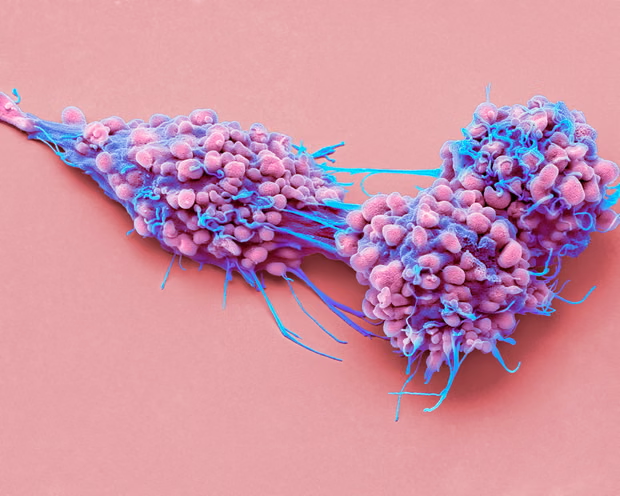
Now, health officials have officially approved the innovative drug mirvetuximab soravtansine. This targeted treatment is specifically for patients with epithelial ovarian or peritoneal cancer. It also applies to fallopian tube cancer that resists platinum-based chemotherapy options. The treatment specifically targets tumours containing a unique protein called folate receptor-alpha.
NHS England stated that up to four00 women annually could benefit. Officials described this historic approval as a truly major milestone for cancer treatment. It represents a massive shift in how doctors approach advanced, resistant cases. Families across England are welcoming this news with immense relief and profound gratitude.
Professor Ruth Plummer serves as the national clinical lead for cancer drugs. She stated this represents the most significant NHS breakthrough in over two decades. The professor expressed immense delight that hundreds of women will now receive hope. This drug offers patients precious extra time to spend with their loved ones.
The specialized drug, widely known as Elahere, is administered by an intravenous drip. Patients will receive this clinical treatment once every three weeks at hospitals. A comprehensive global clinical trial actively involved eight major NHS hospitals during testing. The rigorous study yielded highly encouraging results for researchers and patients alike.
The clinical trial found that the treatment delayed dangerous cancer progression significantly. It prolonged overall patient survival by an average of four crucial months. This extension was compared directly against patients who received only standard chemotherapy. Furthermore, the new drug demonstrated much more manageable side-effects for participants.
In more than a third of patients, tumours shrank by thirty percent. This positive outcome occurred in thirty-seven percent of the drug trial participants. By contrast, only sixteen percent of standard chemotherapy patients saw similar shrinkage. These statistics highlight the superior efficacy of this newly approved medical treatment.
The pharmaceutical company AbbVie manufactures this groundbreaking and highly sophisticated cancer drug. It ingeniously combines a specialized homing antibody with a cancer-killing molecule. The antibody carefully seeks out the specific protein on cancer cell surfaces. Once attached, the powerful molecule destroys the cancer cell from the inside.
Medical experts widely agreed that this decision was a seminal, historic moment. The treatment could significantly improve the overall quality of life for patients. Rachel Downing leads policy and external affairs at the charity Target Ovarian Cancer. She shared her perspective on what this means for families nationwide.
Downing emphasized this is a hugely important moment for these brave women. Families have faced limited effective treatment options for far too long now. Today’s announcement offers real, tangible hope of improved daily quality of life. The community is celebrating this long-awaited advancement in modern cancer care.
Victoria Clare serves as the dedicated chief executive of the charity Ovacome. She noted that today marks a truly landmark moment for the community. Learning that standard chemotherapy no longer works brings immense anxiety and uncertainty. This is particularly true when the underlying disease is at an advanced stage.
At this critical stage, both time and treatment options are incredibly limited. This recommendation is the first in over twenty years to offer choices. It provides the ovarian cancer community an additional option at this stage. The drug has potential to make a real difference to families.
Helen Knight works as the director of medicines evaluation at the institute. She stated they heard clearly from patients about the limited options available. They also understood the substantial burden that chemotherapy places on women’s lives. The team felt determined to find a viable solution for these families.
The director expressed pleasure following a robust process and a new agreement. This commercial arrangement with AbbVie allowed them to recommend the treatment today. Now, the NHS can officially utilize this drug to save women’s lives. This brings a brighter future to advanced ovarian cancer care in England.
The roll-out of this drug will begin across hospitals very soon. Doctors are currently preparing to identify patients who qualify for the treatment. This ensures that those who need the drug receive it without delay. Medical staff are undergoing training to administer the intravenous drips safely.
In addition to physical benefits, the psychological impact is truly profound. Living with an advanced terminal diagnosis creates immense emotional stress for patients. Knowing a new treatment exists can significantly ease that heavy mental burden. It allows patients to focus on living fully with their families.
The charity sector played a vital role in advocating for this approval. Organizations worked tirelessly to ensure patient voices were heard during the process. Their dedication has finally paid off with this monumental decision by Nice. This collaboration shows the power of advocacy in modern healthcare systems.
Funding for the drug is secured through specialized NHS budget allocations. This ensures equitable access for eligible patients regardless of their financial status. Universal availability is a core principle of the National Health Service model. Women across England can access this care without facing financial ruin.
Looking forward, researchers hope this paves the way for further innovations. The targeted antibody technology could potentially be applied to other cancer types. Scientists are already investigating similar molecules for various hard-to-treat tumours. This approval might signify the beginning of a new therapeutic era.
For now, the focus remains on treating the hundreds eligible today. Every extra month gained represents birthdays, anniversaries, and precious shared memories. The medical community views this as a victory for science and humanity. England takes a bold step forward in the fight against cancer.
Related News:
 How Bringing Forests Into Preschools Boosts Children’s Health
 Experts Urge Legal Right to Timely Cancer Care
 Patients to Test Health at Home to Ease NHS Winter Pressure
 North Sea oil workers must lose weight or face job loss
 No link found between paracetamol in pregnancy and autism
 Coffins Now Too Large to Cremate Amid Rising Obesity Crisis
 Thinktank Urges Smaller Hospitals to End NHS ‘Permacrisis’
 NHS paediatric leave parents waiting months for answers
 Cancer Death Rate in Britain Falls by Nearly a Third
 UK to Expand Prostate Cancer Trials for Black Men
 AI Tools Used by English Councils Found to Downplay Women’s Health Issues, Raising Concerns Over Gender Bias in Care
 Shocking Rise in Children’s Exposure to Violent Online Pornography Raises Alarm
 Eligibility Confusion Over COVID Vaccination Leaves Pharmacies Struggling Across the UK
 Majority of UK Men Would Opt for Prostate Cancer Screening, Survey Finds
 Genetic Tests May Predict Return of Blood Cancer
 UK Woman Becomes Longest Survivor of Heart-Lung Transplant
 Hospice Cuts Raise Alarm Across England Amid Funding Crisis
 Celebrities and Charities Demand UK Government Act on Child Poverty
 UK Bans Fake Numbers: Scammers Lose Their Trick
 London’s Childlessness Crisis: Schools Closing as Families Shrink
 Shouting Works Best to Deter Gulls, UK Study Finds
 Reeves rejects £1bn plea for NHS redundancy payouts
 Northern Lights may illuminate UK skies this week
 Working-Class Men with Prostate Cancer Left Behind by NHS
 New AI tool could cut wasted efforts in organ transplants
 From Baby Teeth to Bioengineering: The Future of Self-Healing Teeth
 Stroke Patient Mistaken for Drunk, Care Delayed
 UK launches major AI drive to fight deadly superbugs
 ‘Traumatic Wait’: Northern Ireland Women Face Breast Cancer Delays
 Healthy Habits in Your 30s That Boost Life in Your 70s
 Five-Year-Old Dies After Rare Tonsil Surgery Complication
 Fibromyalgia Patients Struggle as NHS Fails to Provide Care
 More Patients Now Contacting GPs Online, Data Shows
 Children to Receive Home Vaccines as England Acts
 UK Enforces Junk Food Ad Ban Before 9pm
 Patients Collapsing in NHS Corridors, Watchdog Warns
 Google Removes Some AI Health Summaries Over Safety Concerns
 UK Threatens Action Against X Over Sexualised AI Images
 NHS corridor care crisis sparks fears over patient safety
 AI job losses UK: Britain faces sharper employment shock
 Small risk warning raised over weight-loss jabs in UK review
 Streeting moves on doctor pay to end strike dispute
 Autistic Girls Often Missed in Childhood Diagnoses, Study Finds
 UK reports baby formula toxin poisoning cases across the country
 Most Statin Side-Effects Are Not Caused by Drugs, Study Confirms
 Childnet Censorship Row Over Teen Safety Speeches
 Placenta Accreta Warning as Hunt Urges Action
 Half of Britons Avoid GP When Ill, Survey Reveals Growing Concern
 Facial Recognition Error Leads to Wrongful Arrest in Milton Keynes
 NHS Maternity Units Cover Up Harmful Childbirth Errors
 Weight-loss drugs may transform heart attack recovery
 Zorevunersen Breakthrough for Dravet Syndrome
 Taking Multivitamins Daily Could Slightly Slow Ageing, Study Finds
 ‘Drinking from a Fetid Pond’: Superbug Genes in Lough Neagh
 UK Biobank Health Data Leaks Raise Privacy Concerns
 NHS Plans to Cut Overseas Workers Labeled Overambitious
 Scientists Unveil Heavier Proton at CERN LHC
 Palantir Boss Defends NHS Deal Amid Government Break Clause
 Unions Raise Concerns Over Doctors’ Pay Dispute
 Wes Streeting Accuses Doctors of Torpedoing Pay Deal
 Private Profits From NHS Contracts Spark Urgent National Debate
 Gene Therapy Wins Major Prize for Restoring Vision
 Crisis in NHS Surgery Scheduling Hits Patients Hard
 New Scan Offers Hope for Faster Endometriosis Diagnosis
 New AI Tool To Target Obesity Risk And Transform NHS Care
 WHO approves first malaria drug for babies
 Barrister Criticises Trial After Suicide Case Verdict
 NHS Drug Deal Faces Legal Threat Over US Trade Agreement
 Record Spending Highlights Growing Crisis In National Health Service
 British Paralympian Set to Make History in Earth Orbit
 Stolen Mobiles Could Soon Become Useless Bricks
 Clean Air Initiatives Spark Major Fall in London Hospital Admissions
 UK Ministers Lobby Trump Over Under-16s Social Media Ban
 The Hidden Revival of a Fatal Infection on British Soil
 NHS Urges Investigation For Irregular Periods
 Deadly H5 Bird Flu Reaches Australia’s East Coast
 Trump Immigration Cuts Threaten US Caregiver Stability
 UK Schools Struggle as Classrooms Top 40C
 London Tube Heat Reaches Dangerous Levels
 Weight-Loss Drugs Offer Food Savings Mainly to High Earners