Published: 15 July 2026 | The English Chronicle Desk | The English Chronicle Online
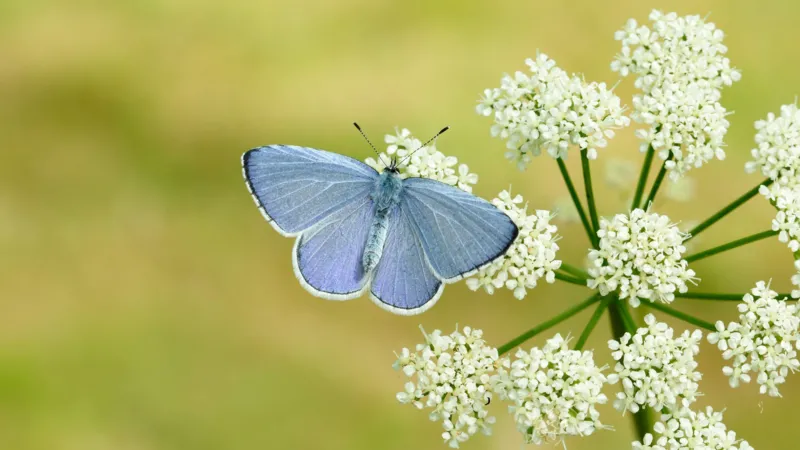
Britain is expected to experience a “bumper year” for butterflies, with conservationists predicting that favourable weather conditions and improved habitats could lead to a significant increase in sightings across the country.
Nature experts say warmer temperatures, suitable rainfall patterns and ongoing conservation efforts have created conditions that may benefit many butterfly species during the summer months.
The forecast has brought optimism among wildlife organisations, which have been working for years to protect declining insect populations and restore natural habitats.
Butterfly experts believe several species could thrive this year following a combination of environmental factors.
A successful butterfly season depends on many elements, including the survival of caterpillars, availability of food plants and suitable conditions during breeding periods.
When temperatures and rainfall levels are favourable, butterfly populations can increase significantly.
Conservationists say early signs suggest many areas of Britain could see higher numbers of butterflies compared with previous years.

Weather plays a crucial role in the life cycle of butterflies.
Warm and sunny conditions allow adult butterflies to feed, reproduce and move between habitats.
However, extreme weather can create challenges. Heavy rainfall, droughts and sudden temperature changes can reduce survival rates.
Experts say the balance of conditions this year has been particularly encouraging, with enough warmth to support activity while avoiding some of the environmental stresses seen during periods of extreme weather.
Wildlife organisations have highlighted the importance of habitat restoration in supporting butterfly populations.
Projects focused on creating wildflower areas, protecting grasslands and improving countryside habitats have provided more spaces for butterflies to feed and breed.
Many local communities, farmers and conservation groups have introduced measures such as planting native flowers and reducing unnecessary grass cutting.
These efforts have helped create more suitable environments for butterflies and other pollinating insects.
Butterflies are often considered important indicators of the condition of the natural environment.
Because they are sensitive to changes in climate, habitat quality and pollution levels, changes in butterfly numbers can provide valuable information about wider ecosystem health.
A strong butterfly season can suggest that certain habitats are supporting a healthier range of wildlife.
Scientists use butterfly monitoring data to understand broader environmental trends and the effects of climate change.
Several familiar British butterfly species could benefit from the positive conditions.
Species commonly seen in gardens and countryside areas, including peacocks, red admirals, commas and painted ladies, may become more noticeable.
Other species that depend on specific habitats could also see improvements if local conditions remain favourable.
Butterfly enthusiasts are expected to take part in surveys and recording projects to track population changes throughout the season.
Members of the public play an important role in monitoring butterfly populations.
Citizen science projects encourage people to record sightings, helping researchers build a clearer picture of butterfly numbers across Britain.
Gardeners can also contribute by creating butterfly-friendly spaces.
Planting nectar-rich flowers, avoiding excessive pesticide use and allowing some areas of gardens to grow naturally can provide valuable habitats.
Even small outdoor spaces can support insects and contribute to biodiversity.
Despite the positive outlook, experts warn that many butterfly species continue to face long-term threats.
Habitat loss, climate change, pollution and changes in land management have contributed to population declines over recent decades.
Some species remain vulnerable and require targeted conservation measures to survive.
Environmental groups say one successful season does not remove the need for continued protection of wildlife habitats.
Climate change presents both opportunities and challenges for butterfly populations.
Warmer temperatures may allow some species to expand their range, but changing weather patterns can also create uncertainty.
More frequent extreme weather events could affect breeding cycles and food availability.
Scientists are continuing to study how different butterfly species respond to changing environmental conditions.
Protecting butterflies also supports many other forms of wildlife.
Butterfly habitats often benefit bees, birds and other insects that rely on similar plants and ecosystems.
Wildflower meadows and healthy grasslands contribute to biodiversity while also improving landscapes for people to enjoy.
Conservationists argue that protecting insects is essential for maintaining balanced ecosystems.
The possibility of a strong butterfly season is expected to encourage more people to spend time outdoors observing nature.

Parks, gardens and countryside areas could become popular destinations for wildlife enthusiasts hoping to spot different species.
Experts say taking time to appreciate butterflies can also increase public awareness about the importance of protecting nature.
Britain’s expected “bumper year” for butterflies offers a welcome boost for wildlife enthusiasts and conservationists.
While experts remain cautious about long-term challenges facing butterfly populations, the current outlook provides hope that many species could enjoy a successful season.
With continued conservation work and public involvement, Britain’s gardens, parks and countryside can remain valuable habitats for butterflies and the wider natural world.
Related News:
 What is Groundwater Flooding and Why Dorset is Seeing ‘Historical Highs’
 Dozens of Flood Warnings in England After Days of Non-Stop Rain
 Temperatures Dip Below Freezing as Arctic Air Sweeps Across the UK
 Scotland’s Climate Plans Face Scrutiny Over ‘Science Fiction’ Targets
 UK Winter Nowhere Near a Record Breaker Despite Floods and Storms
 UK Records Warmest Day of the Year as Temperatures Exceed 18 °C
 Conservation Budgets Hit by Increased Fly‑Tipping Costs
 UK Records Earliest Spring as Nature Awakens Fast
 Country Diary: A Bum Note Amid the Dawn Chorus
 Country Diary: The Eagle’s Shadow Over the Lambing Shed
 High-Rise Rescue: The Dramatic Recovery of a Stranded Peregrine Falcon
 UK Faces Mass Water Shortages by 2055, Lords Warn
 Hope for mountain bongos returns to Kenya
 Temperatures Set to Fall This Week, But Forecasters Warn Heat Could Return Soon
 Extreme Heat Grounds Birds of Prey Across the UK
 Households Urged to Conserve Water Amid Rising Temperatures
 UK Seas Face Extreme Heatwave as Global Temperatures Surge
 Seven Britons Among Victims as Deadly Wildfires Sweep Across Spain
 “Enough is Enough”: Local MP Vows to Fight Rainham Quarry Plans
 Local Fish Could Boost UK Health and Economy Significantly
 Storm Goretti leaves Cornwall homes without power
 Robo-Vaccination Could Transform Fight Against Bovine TB
 No Gas Boiler Ban as UK Warm Homes Plan Backs Heat Pumps
 UK joins North Sea wind grid pact with nine European nations
 Devon hosts first high-density hydro power system
 Draft Severe Weather Plan Following Storm Flooding
 Wigan Dump Crisis Sparks Health and Safety Alarm
 Aberdeen Chosen for GB Energy HQ at Marischal Square
 Flooding May Worsen Before It Improves as More Rain Forecast for the UK
 Deer Shooting England: New Plan to Protect Woods
 Illegal Waste Dumping: New Drone Unit Launched
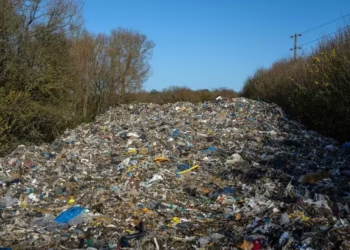 Fly-Tippers to Be Hunted by ‘Drone Squad’ in Crackdown from the Sky
 Storm Hernando: Edinburgh Airport Flights Cancelled in US Travel Chaos
 Victorian Bridge Could Be Saved by Traffic Ban
 Group Expands Legal Claim Over South West Water Pollution
 Police Appeal After Goshawk ‘Brutally Shot’
 UK’s First Geothermal Plant Powers 10,000 Homes
 Miliband Says Climate Impact of Data Centres Is Uncertain
 Water Cremation Introduced in UK First
 Wood burner legal threats spark council row
 Community farm appeal to cover thousands in repairs
 Net Zero Cheaper Than One Fossil Fuel Crisis, UK Told
 Net Zero by 2050 ‘Cheaper Than One Fossil Fuel Crisis’
 Scotland Braces for 80mph Gales and ‘Intense Rain’
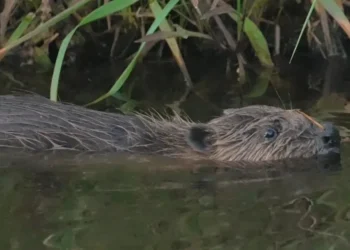 ‘Greedy’ Beaver Caught Twice in Wildlife Monitoring Trap
 London Considers New SUV Charges to Improve Road Safety
 UK Energy Reform Could Cut Bills by £200
 MPs Slam Agency Over Failing Fight Against Waste Dumping
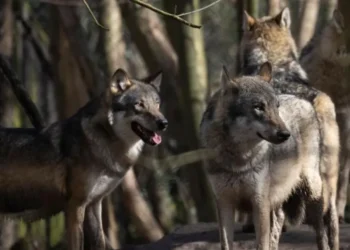 Heartbreak as Wildlife Park Euthanises Entire Wolf Pack After Infighting
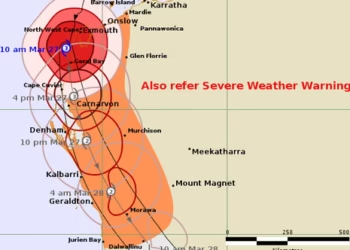 Tropical Cyclone Narelle Batters the Western Australian Coast
 The Banbridge Rescue: 300 Sheep Saved from Massive Hay Shed Inferno
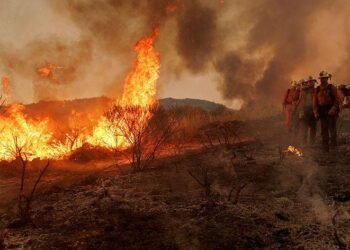 Evacuations Ordered as California Wildfires Spread Fast
 RSPB Urges Summer Bird Feeder Removal to Curb Disease
 Southern Skies: High Turnout and Surprise Visitors in Birdwatch 2026
 Heavier SUVs Accelerate Britain’s Pothole Crisis
 Night of Fire: Thousands of Turkeys Perish in Cheshire Barn Inferno
 Crackdown Backfires on UK Climate Protesters
 Escobar’s Hippos May Be Moved to India Zoo
 Capitalism ‘Suicidal’, Warns Petro at Climate Summit
 Record May Heat to Cold Front in Eastern Australia
 “A Canvas of Spring”: Readers Capture Scotland’s Golden Hour and New Life
 Tractor Breakdown Tests Lincolnshire Farmers
 Britons Build Emergency Supplies Amid Rising Fears
 Sycamore Gap Artwork Chosen After Public Vote
 UK rejects EV charging VAT cut amid Treasury clash
 Man killed in shark attack on Great Barrier Reef
 Saving Our Lost Rainforests: The Battle for Dartmoor
 Family Says Heatwave Drownings Reopen Grief
 At Least 19 Killed After Powerful Earthquake Hits Southern Philippines
 Airline Leaders Warn 2050 Net Zero Target May No Longer Be Achievable
 Japanese City Closes Nearly 100 Schools After Rare Bear Sighting
 Whitehall Steps In: The Battle Over Thames Water Deepens
 Net Zero School Remains Cool and Open as Heatwave Tests Britain’s Buildings
 Why Extreme Heat Can Cause Trees to Collapse and What Experts Say Can Be Done
 Parents Fundraise to Cool Overheated School Classrooms
 Europe Scorched as Record Heatwaves Grip the Continent
 New Debt Limits Proposed for England’s Water Sector
 London Tube Heat Reaches Dangerous Levels
 UK Heatwaves May Have Claimed Thousands of Lives
 UK Heatwave Nears Two-Week Milestone as High Temperatures Continue Across the Country