
Published: 13 July 2026 | The English Chronicle Desk | The English Chronicle Online
New scientific analysis suggests that the United Kingdom’s exceptional heatwaves during May and June may have contributed to the deaths of thousands of people, prompting renewed warnings from health experts that extreme temperatures are becoming one of the country’s most significant climate-related public health threats.
Researchers examining mortality data and temperature records estimate that prolonged periods of unusually hot weather were associated with a substantial increase in excess deaths across England, Scotland, Wales and Northern Ireland. While many of the fatalities were not directly recorded as heat-related, experts say high temperatures can significantly worsen existing medical conditions, particularly among older adults and people with chronic illnesses.
The findings have intensified calls for stronger heat resilience measures, improved public health planning and greater investment in adapting communities to a warming climate.
Scientists involved in the assessment emphasised that heat-related mortality is often underestimated because deaths frequently result from underlying conditions aggravated by extreme temperatures rather than heatstroke alone.

Cardiovascular disease, respiratory illnesses, kidney problems and other chronic health conditions can all become more severe during prolonged hot weather, increasing the likelihood of fatal complications.
“Extreme heat is often described as a silent killer because its effects are not always immediately visible,” one climate health researcher said. “Many people who die during heatwaves already have existing health conditions, but unusually high temperatures can accelerate serious medical events.”
The UK experienced exceptionally warm conditions throughout much of May and June, with temperatures repeatedly exceeding seasonal averages and several regions recording prolonged spells of hot weather.
Meteorologists described the period as one of the warmest starts to summer in modern records, with multiple heat episodes affecting millions of people across the country.
The combination of sustained daytime heat and unusually warm nights created particularly challenging conditions, as the human body relies on cooler overnight temperatures to recover from daytime heat stress.
Without sufficient nighttime cooling, vulnerable individuals can experience cumulative physiological strain over several consecutive days.
Hospitals across parts of the UK reported increased demand for emergency services during the hottest periods, while ambulance services responded to a rise in heat-related medical incidents.
Healthcare professionals observed growing numbers of patients suffering dehydration, heat exhaustion, breathing difficulties and complications linked to existing heart and lung diseases.
Care homes also faced additional pressures as staff worked to protect elderly residents from prolonged exposure to extreme temperatures.
Older adults remain among the groups most vulnerable to heat because ageing reduces the body’s ability to regulate temperature efficiently.
People living alone, individuals with disabilities and those taking certain medications are also considered at elevated risk during prolonged heatwaves.
Public health officials repeatedly advised residents to stay hydrated, avoid strenuous outdoor activity during the hottest parts of the day and check regularly on elderly neighbours and relatives.
Researchers estimate excess mortality during heatwaves by comparing observed deaths with the number normally expected based on historical trends.
Although not every additional death can be attributed solely to high temperatures, statistical modelling allows scientists to estimate the likely contribution of extreme weather events.
Climate researchers say the latest figures highlight the growing health consequences of climate change.
As global average temperatures continue to rise, heatwaves are becoming more frequent, more intense and longer-lasting across much of Europe, including the United Kingdom.
The UK was historically better known for cool and moderate summers, but recent years have seen a noticeable increase in extreme heat events.
Scientists point to a growing body of evidence showing that human-induced climate change has increased both the likelihood and severity of such conditions.
The summer of 2022 marked a turning point when the UK recorded temperatures exceeding 40 degrees Celsius for the first time.
Since then, authorities have strengthened heat-health warning systems, recognising that extreme heat now represents a significant public health hazard rather than an occasional weather anomaly.
Despite these improvements, experts argue that further action is necessary.
Urban areas remain especially vulnerable because dense development, limited green space and extensive concrete surfaces create what is known as the “urban heat island” effect.
Cities often remain significantly warmer than surrounding rural areas, particularly overnight, increasing health risks for residents.
Housing design also presents challenges.
Many homes in Britain were constructed to retain heat during cold winters rather than remain cool during increasingly hot summers.
As a result, indoor temperatures can remain dangerously high for extended periods, particularly in flats and upper-floor accommodation.
Climate adaptation specialists are calling for greater investment in cooling infrastructure, tree planting, improved building design and public awareness campaigns.
They argue that measures to reduce exposure to extreme heat can save lives while improving resilience against future climate impacts.
Employers are also being encouraged to review workplace safety procedures for outdoor workers and those employed in high-temperature environments.
Construction workers, delivery drivers, agricultural labourers and emergency personnel may face elevated health risks during prolonged heatwaves if adequate precautions are not taken.
The findings have renewed political debate over climate policy and long-term adaptation planning.
Environmental organisations say the increasing frequency of deadly heatwaves demonstrates the urgent need to reduce greenhouse gas emissions while investing in measures that help communities adapt to unavoidable climate impacts.
Government officials acknowledged the challenges posed by extreme heat and reiterated commitments to strengthening public health preparedness.
They noted that heat-health alerts, early warning systems and cooperation between meteorological agencies and healthcare providers have become increasingly important as temperatures continue to rise.
Medical experts stress that public awareness remains one of the most effective tools for reducing heat-related illness.

Simple precautions—including drinking sufficient water, seeking shade, closing curtains during the day, ventilating homes during cooler evenings and checking on vulnerable individuals—can significantly reduce health risks.
As researchers continue analysing mortality data from this year’s exceptional weather, they expect further assessments to refine estimates of the total number of heat-related deaths.
Regardless of the final figures, the emerging evidence reinforces a growing scientific consensus: extreme heat is no longer an occasional inconvenience in the United Kingdom but an increasingly serious threat to public health.
With climate projections indicating that similar events are likely to become more common in the decades ahead, experts say adapting communities to rising temperatures will be just as important as efforts to reduce the emissions driving climate change itself.
Related News:
 UK Braces for Prolonged Heatwave as Amber Alerts Issued
 ‘Extreme’ Marine Heatwave Forecast for UK Waters
 UK Launches World-First Gonorrhoea Vaccine Amid Record Infection Surge
 AI Tools Used by English Councils Found to Downplay Women’s Health Issues, Raising Concerns Over Gender Bias in Care
 Breakthrough Clinical Trial Lets 12-Year-Old Boy with Rare Skin Disorder Play Football
 Hot Tea and Coffee Found to Contain Highest Levels of Microplastics in Popular Drinks
 Expanded Access to Health Diagnostics in England Now Available Beyond Standard Hours
 Shocking Rise in Children’s Exposure to Violent Online Pornography Raises Alarm
 Ed Davey Urges UK to Attract US Cancer Scientists Amid Funding Cuts Under Trump
 Omeprazole Alert: NHS Issues Guidance on Safe Use for Heartburn and Indigestion
GPs in England Warn of Overload as Nationwide Online Appointment System Approaches
Omeprazole Alert: NHS Issues Guidance on Safe Use for Heartburn and Indigestion
GPs in England Warn of Overload as Nationwide Online Appointment System Approaches
 Eligibility Confusion Over COVID Vaccination Leaves Pharmacies Struggling Across the UK
 Majority of UK Men Would Opt for Prostate Cancer Screening, Survey Finds
 Scientists Announce First Potentially Accurate Blood Test for Chronic Fatigue Syndrome
 NHS May Pay 25% More for Medicines Amid US Drug Talks
 Survey Shows Most GPs Rushing Appointments
 Genetic Tests May Predict Return of Blood Cancer
 UK Woman Becomes Longest Survivor of Heart-Lung Transplant
 Thousands in the UK sue Johnson & Johnson over alleged talcum powder, linked to cancer
 ‘Game-Changing’ HIV Prevention Jab Set for NHS Approval
 Breath test could ‘revolutionise’ pancreatic cancer treatment
 How Bringing Forests Into Preschools Boosts Children’s Health
 Experts Urge Legal Right to Timely Cancer Care
 Patients to Test Health at Home to Ease NHS Winter Pressure
 North Sea oil workers must lose weight or face job loss
 No link found between paracetamol in pregnancy and autism
 UK launches major AI drive to fight deadly superbugs
 Coffins Now Too Large to Cremate Amid Rising Obesity Crisis
 Thinktank Urges Smaller Hospitals to End NHS ‘Permacrisis’
 NHS paediatric leave parents waiting months for answers
 Robo-Vaccination Could Transform Fight Against Bovine TB
 Dozens of Flood Warnings in England After Days of Non-Stop Rain
 Mind Launches Inquiry into AI and Mental Health After Guardian Investigation
 UK’s First Geothermal Plant Powers 10,000 Homes
 UK Winter Nowhere Near a Record Breaker Despite Floods and Storms
 UK Records Warmest Day of the Year as Temperatures Exceed 18 °C
 Water Cremation Introduced in UK First
 Streeting Criticises SNP Over NHS App Dispute
 Surgeon’s op on patient 1,500 miles away a UK first
 Cancer Death Rate in Britain Falls by Nearly a Third
 ‘A Living Nightmare’: Parents of Vaccinated Teenager Speak Out After Rare Meningitis B Battle
 NHS Enlists AI in Major Push to Slash Hospital Waiting Lists
 Spring Awakening: Temperatures to Hit 17°C as Britain Bathes in Sunshine
 ‘Zoom Dysmorphia’ Explosion: BDD Patients Quadruple in Post-Pandemic UK
 ‘The Best Decision I Ever Made’: A Mother’s Viral Plea After a Near-Miss with Lung Disease
 Paws for Peace: Frankie the Cockapoo Brings ‘Unfiltered’ Joy to MND Centre
 The Friendship Friction: Would You Call Out Your Friend’s Toxic Behaviour?
 Southern Skies: High Turnout and Surprise Visitors in Birdwatch 2026
 The ‘Pain-Free’ Revolution: Hospital Celebrates ‘Seismic’ Hip Surgery Milestone
 Heavier SUVs Accelerate Britain’s Pothole Crisis
 GSK cancer drug shows early promise in trials
 The Wheels of Hope: Charity Delivers ‘Seismic’ Joy Through Specialized Bikes for Children with Cancer
 Breakthrough in Women’s Health: ‘Non-Invasive’ Womb Cancer Test Nears National Rollout
 Global Readiness: First mRNA Bird Flu Vaccine Trial Enters Phase 3
 “It Felt Like Normal Life Just Dissolved”: Teenage Girls Invent Drug-Detecting Straw After Spiking Ordeal
 The “Weekend Gap”: 24/7 Stroke Care Still a Postcode Lottery Despite NHS Pledges
 Robotic Revolution: UK Surgeons Complete First “Fully Autonomous” Abdominal Procedure
 “The Weight of the Nation”: Campaigners Demand Overhaul of “Fragmented” Eating Disorder Care
 Breaking the Habit: Psilocybin Outperforms Nicotine Patches in Landmark Smoking Cessation Trial
 “Fear is a Choice”: The 80-Year-Old Great-Grandmother Defying the “Dopamine Desert”
 The “Dementia Deficit”: Why 2026 is the Breaking Point for UK Social Care
 Precision Without the Scalpel: UK Team Reaches “New Frontier” in Robotic Abdominal Surgery
 The Pathogen Protocol”: Third British National Monitored for ‘Nasty’ Suspected Hantavirus
 UK rejects EV charging VAT cut amid Treasury clash
 UK to Expand Prostate Cancer Trials for Black Men
 NHS Approves Landmark Ovarian Cancer Drug
 Emergency Caesareans Rise Across England
 Ancient Method Turns Food Waste Into Meals
 Family Says Heatwave Drownings Reopen Grief
 Woman Warns of Lifelong Damage From Ketamine
 Deadly Earthquake Hits Philippines
 Starmer Set to Unveil New Social Media Limits for Children
 Amber Heat Health Alerts Issued as UK Temperatures Expected to Exceed 30C
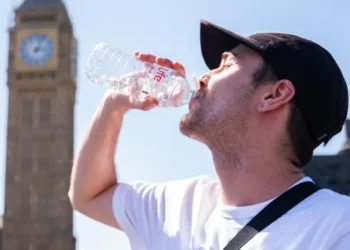 Met Office Issues Amber Extreme Heat Warning as Temperatures Near 35C
 Temperatures Set to Fall This Week, But Forecasters Warn Heat Could Return Soon
 Sydney Records Hottest June Since 1859 as Expert Warns New High a ‘Signature’ of Global Warming
 Extreme Heat Grounds Birds of Prey Across the UK
 Hospital Urges Public Never to Leave Dogs in Hot Cars
 UK Schools Struggle as Classrooms Top 40C
 London Tube Heat Reaches Dangerous Levels