
Published: 5 June 2026
The English Chronicle Desk
The English Chronicle Online
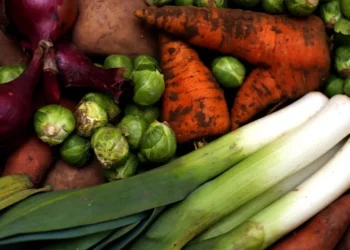
An ancient preservation technique is gaining renewed global attention as chefs, scientists and sustainability advocates explore ways to turn food waste into nutritious and flavourful meals.
The method, largely based on fermentation and traditional preservation practices, allows leftover vegetables, fruit peels and surplus ingredients to be transformed into edible products rather than discarded as waste.

Food experts say techniques used for centuries across Asia, Europe and Africa are now being revisited to address growing concerns over global food waste, rising food prices and environmental sustainability.
Fermentation uses natural bacteria and microorganisms to preserve food while enhancing flavour, texture and nutritional value. Popular examples include pickles, kimchi, yoghurt and fermented sauces.
Researchers note that large amounts of edible food are wasted globally every year despite increasing concerns over food insecurity and climate-related agricultural challenges.
Environmental specialists say reducing food waste could significantly lower greenhouse gas emissions linked to landfills, transport and agricultural overproduction.
Chefs and food innovators are increasingly experimenting with creative ways to reuse leftover ingredients, including stale bread, vegetable scraps and overripe produce, in restaurants and home kitchens.
Nutrition experts also point out that fermented foods can support digestive health due to beneficial bacteria associated with gut health and immune function.
Supporters of the movement argue that reviving traditional preservation knowledge may help modern societies become more resource-efficient while reconnecting communities with older culinary practices.

Critics caution that safe food handling remains essential during fermentation and preservation processes to avoid contamination or health risks.
Several sustainability organisations are now promoting food waste reduction campaigns encouraging households and businesses to rethink how unused ingredients are stored and consumed.
Experts believe combining traditional techniques with modern food science could play an important role in future efforts to improve sustainability, reduce waste and strengthen global food systems.
Check Out Our Latest News At>>
Related News:
 Vegetarian Diet Linked to Lower Risk of Several Cancers
 Should We Be Eating Three Meals a Day? Experts Rethink Traditional Meal Patterns
 Mind Launches Inquiry into AI and Mental Health After Guardian Investigation
 ‘A Disgrace’ — Patient Blasts Neurology Report
 Gaming Helps Woman Cope with Rare Health Condition
 Taking Collagen Keeps Skin More Elastic But Won’t Stop Wrinkles, Say Scientists
 Water Cremation Introduced in UK First
 Why Every Culture Has a Healing Broth
 Screen Time for Under-Fives Should Be Limited
 Rescued Sea Turtle Shows ‘Fighting Spirit’ After Vital CT Scan
 ‘A Living Nightmare’: Parents of Vaccinated Teenager Speak Out After Rare Meningitis B Battle
 Tim Spector: ‘At 67, I’m Fitter Than Ever Thanks to These Five Tips’
 ‘The Best Decision I Ever Made’: A Mother’s Viral Plea After a Near-Miss with Lung Disease
 From Flatline to Finish Line: The ‘Widow-Maker’ Survivor Inspiring a Nation
 Paws for Peace: Frankie the Cockapoo Brings ‘Unfiltered’ Joy to MND Centre
 The Friendship Friction: Would You Call Out Your Friend’s Toxic Behaviour?
 The ‘Pain-Free’ Revolution: Hospital Celebrates ‘Seismic’ Hip Surgery Milestone
 Moldova River Crisis Exposes War’s Hidden Cost
 The Wheels of Hope: Charity Delivers ‘Seismic’ Joy Through Specialized Bikes for Children with Cancer
 The Pouch Peril: Dental Experts Probe the ‘Seismic’ Impact of Nicotine Pouches on Oral Health
 Chornobyl Still at Risk 40 Years After Disaster
 Older Than Dinosaurs: Secrets of Mayfly Dance Revealed
 The Ethylene Enigma: Is Foil-Wrapping the Stems Truly the Secret to “Evergreen” Bananas?
 Robotic Revolution: UK Surgeons Complete First “Fully Autonomous” Abdominal Procedure
 “The Weight of the Nation”: Campaigners Demand Overhaul of “Fragmented” Eating Disorder Care
 Breaking the Habit: Psilocybin Outperforms Nicotine Patches in Landmark Smoking Cessation Trial
 “Fear is a Choice”: The 80-Year-Old Great-Grandmother Defying the “Dopamine Desert”
 The “Dementia Deficit”: Why 2026 is the Breaking Point for UK Social Care
 Precision Without the Scalpel: UK Team Reaches “New Frontier” in Robotic Abdominal Surgery
 “The Body Under Siege”: Understanding the Physiological Impact of Extreme Heat
 Pope Meets Families in Italy Toxic Waste Zone
 Mangrove Forests Recover After Years of Damage
 Emergency Caesareans Rise Across England
 Shocking Rise in Children’s Exposure to Violent Online Pornography Raises Alarm
 British Pilot Joins Crew Training for Year-Long Mars Simulation Mission
 Patients to Test Health at Home to Ease NHS Winter Pressure
 New AI tool could cut wasted efforts in organ transplants
 Healthy Habits in Your 30s That Boost Life in Your 70s
 Coffins Now Too Large to Cremate Amid Rising Obesity Crisis
 AI breast screening cuts later cancer diagnoses by 12%, study finds
 South Africa’s Garden Route Gem Faces Looming Water Crisis
 Most Statin Side-Effects Are Not Caused by Drugs, Study Confirms
 How Do You Modernise Mango Farming? India’s Growers Urged to Innovate as Climate Change Hits
 UK’s First Geothermal Plant Powers 10,000 Homes
 ‘I Almost Died After a Touch‑and‑Go C‑Section’
 ‘It’s Joy in a Pot’: Why Houseplants Could Make You Happier
 Study Says Only Two Nations May Survive Nuclear War
 Woman, 29, ‘Chucked’ Into Care Home 100 Miles Away
 Father Dies by Suicide Weeks After Wedding in Clitheroe
 Noma Head Chef Resigns Amid Abuse Allegations
 Social Media Giant Trial Reaches Final Jury Decision
 The High Cost of Survival: How the 2026 Fiscal Outlook is Redefining British Life
 Safety Fears at New £200m Maternity Unit: Mums-to-Be ‘Put at Risk’
 Fuel Famine: How African Nations are Rationing Power and ‘Diluting’ Petrol to Survive
 John Bengtson: The ‘Silent Film Sleuth’ Who Found History in the Background
 ‘Zoom Dysmorphia’ Explosion: BDD Patients Quadruple in Post-Pandemic UK
 The Miracle of Phoenix: ‘Half Dead’ Rescue Dog Defies the Odds in Worcestershire
 The Hidden Hurdle: Breaking the Silence on Athletic Incontinence
 Southern Skies: High Turnout and Surprise Visitors in Birdwatch 2026
 GSK cancer drug shows early promise in trials
 Toxic Trail: Dog Owners Warned Over ‘Vile’ Poisoned Meat Found in Parks
 Turning Point: Britney Spears Enters Rehabilitation Following DUI Incident
 The Spectrum of Wit: All-Autistic Comedy Line-up Breaks ‘Seismic’ Ground
 The Waiting Ward: ‘Month of Worry’ as Doctor Strikes Trigger Seismic Surgery Delays
 Human Capital for AI Infrastructure: Meta Cuts 8,000 Staff to Fuel $135bn Bet
 The “Cancer Commute”: Patient Warns of Breaking Point Over 40-Mile Treatment Trek
 The “Dry” Life: Teens Trialing Social Media Bans Call Initial Disconnection “Boring” and “Dry”
 “Invisible Agony”: 98-Year-Old Woman Left in “Severe Pain” for Days Amidst Care Backlog
 The “Time Tax” of Memory: Why Dementia Care is the Ultimate Test of UK Resilience
 “The Trial’s Strange Turn”: Musk v. Altman Case Veers into Personal Testimony and ‘Sperm Offers’
 “The Swap Shop”: Dr Chris van Tulleken Backs Southampton Teens’ Fight Against ‘The Matrix’ of Ultra-Processed Food
 The Pathogen Protocol”: Third British National Monitored for ‘Nasty’ Suspected Hantavirus
 Florida Surgeon ‘Devastated’ Over Fatal Surgery Error
 “The Critical Intervention”: Essential Steps for Identifying and Treating Heat-Related Emergencies
 “The Invisible Threat”: Understanding UV Indices and Building Your Personal Defense Strategy
 UN Issues Urgent Warning: Imminent Return of El Niño
 NHS Approves Landmark Ovarian Cancer Drug
 AI-Designed Vaccine Marks Global Breakthrough
 Bear Escapes Factory Through Open Window
 AI May Soon Start Conversations on Dating Apps