
Published: 7 May 2026. The English Chronicle Desk. The English Chronicle Online
In a “clinical” victory for youth-led health advocacy, Dr Chris van Tulleken—broadcaster, infectious diseases consultant, and author of Ultra-Processed People—has endorsed a pioneering project designed by teenagers in Southampton. The initiative, a collaboration with the University of Southampton’s REACH study, has seen a panel of 14-to-17-year-olds “demystifying” the science of ultra-processed food (UPF) and designing “food swap” strategies to bypass the “bottleneck” of the modern food environment.

The “national security emergency” of the teenage diet is stark: new meta-analysis published in PLOS One (April 2026) involving 155,000 adolescents confirms that higher UPF consumption is linked with more than twice the odds of overweight or obesity compared to lower intake.
The 12-week project at LifeLab focused on “human-machine coordination” between scientific data and the real-world lived experience of young people navigating the “dopamine desert” of high-street snacks.
The “Food Swaps” Strategy: Rather than a “clinical silence” on what not to eat, the teens developed a “milestone” system of healthier replacements—targeting the “nasty and mischievous” additives in sugary cereals and fizzy drinks.
The “Marketing” Critique: The youth panel explored how the “golden tone” of corporate advertising targets vulnerable age groups. “We’ve seen how these foods are designed to be addictive,” noted one 15-year-old participant.
The “Van Tulleken” Seal: Dr Chris has praised their “speechless determination” to “recalibrate” their own health. “Young people are taking the lead where corporations have created an ‘accountability rot’,” he stated during a recent discussion on health inequalities.
The project highlights a “divergent” shift in public health, moving away from simple calorie counting toward a “clinical” understanding of food structure.
The “160 MPH” Junk Food Clip: With junk food companies spending millions on “asymmetric” advertising near schools, the teens’ project aims to create a “bottleneck” for corporate influence.
The “Postcode Lottery” of Nutrition: The panel identified that “medication deserts”—areas where fresh food is unaffordable—make UPFs the only choice for many, leading to a “resilience deficit” in poorer communities.
The “Humanitarian” Kitchen: By teaching peers how to “recalibrate” their taste buds, the project aims to bypass the “accountability rot” of a system that prioritizes profit over “sacred” childhood health.
The TV doctor’s support comes as a new study (2026) confirmed that the association between UPF and obesity is growing stronger as global consumption rises.
The “63%” Risk Increase: Data shows that adolescents with higher UPF intake have a 63% greater odds of being overweight or obese, rising to over 200% in the most recent 2024–2025 studies.
The “Commercial Determinants” Focus: Dr Chris highlighted that the “accountability rot” in the food industry is a primary driver of pandemic obesity at a population level.
Justice Has No Expiry Date: “The fight for our food system is a ‘humanitarian’ one,” van Tulleken emphasized. With the King’s Speech on May 13 expected to reference “Regulating the Commercial Determinants of Health,” the teens’ work is perfectly timed.

As the Southbank Centre celebrates 75 years of progress and the RHS Wisley wisteria reaches its peak, the “Ultra-Processed Kids” project is a “clinical” win for the next generation.
“We are tired of being told it’s our fault for being ‘unhealthy’ when the environment is rigged against us,” shared a youth panellist. By creating their own “golden tone” of health awareness, these teenagers are bypassing the “accountability rot” of the food industry and proving that the “sacred” path to a better future begins on the dinner plate. For now, the “160 MPH clip” of the UPF crisis has met its match in the “speechless determination” of the Southampton youth.
Related News:
 The Sad, Strange Story of the World’s Most Radioactive Paradise
 Wellness Peptide Craze: Why People Are Injecting Drugs ‘Not for Human Consumption’
 “The Floating Fever”: WHO Confirms Second Hantavirus Case as Cruise Outbreak Death Toll Reaches Three
 “The Swap Shop”: TV’s Dr Chris van Tulleken Backs Teenagers’ Fight Against ‘The Matrix’ of Ultra-Processed Food
 AI Tools Used by English Councils Found to Downplay Women’s Health Issues, Raising Concerns Over Gender Bias in Care
 Shocking Rise in Children’s Exposure to Violent Online Pornography Raises Alarm
 Costa Blanca Holiday Horror as Food Poisoning Outbreak Hits Four-Star Hotel
 British Pilot Joins Crew Training for Year-Long Mars Simulation Mission
 British AI Startup Outshines Human Forecasters in Global Prediction Contest
 UK Fighter Jet Purchase Could Breach Nuclear Treaty, Warns CND
 Google at 27: The Untold Story of Ruth Kedar, the Woman Behind the Iconic Logo
 Eligibility Confusion Over COVID Vaccination Leaves Pharmacies Struggling Across the UK
 Cooper Unveils £4m Cyber Plan Against Russian Hackers
 Genetic Tests May Predict Return of Blood Cancer
 Experts Warn Russia’s Burevestnik Missile Could Destabilise Arms Control
 Patients to Test Health at Home to Ease NHS Winter Pressure
 Britain deploys RAF specialists to assist Belgium with drone threats
 Hitler’s DNA Confirms He Truly Had Only One Testicle
 Working-Class Men with Prostate Cancer Left Behind by NHS
 Pokémon to open world’s first theme park in Japan next year
 New AI tool could cut wasted efforts in organ transplants
 Healthy Habits in Your 30s That Boost Life in Your 70s
 Coffins Now Too Large to Cremate Amid Rising Obesity Crisis
 Google Removes Some AI Health Summaries Over Safety Concerns
 US Clears Nvidia AI Chip Sales to China in Policy Shift
 Robo-Vaccination Could Transform Fight Against Bovine TB
 AI breast screening cuts later cancer diagnoses by 12%, study finds
 UK New Car Discounts Near £6,000 as Prices Are Slashed
 Most Statin Side-Effects Are Not Caused by Drugs, Study Confirms
 Indian University Kicked Out of AI Summit for Claiming Chinese Robot Dog as Its Own Invention
 China Shows Off Nunchuck‑Wielding Humanoid Robots for Lunar New Year
 The Chinese AI App Sending Hollywood Into a Panic
 How Do You Modernise Mango Farming? India’s Growers Urged to Innovate as Climate Change Hits
 Musk Cuts Starlink Access for Russian Forces – Giving Ukraine an Edge at the Front
 ‘A Disgrace’ — Patient Blasts Neurology Report
 Drugs, Denial, Stigma: Fiji’s HIV Crisis Hits Children
 ‘I Wanted to Save Her Life’ — The Moment Twin Sisters Learned They Were Identical
 Ayahuasca Psychedelic DMT Shows Potential as Depression Therapy
 Social Media Trial: Woman Says Addiction Began at Six
Instagram Investigating AI Profiles ‘Fetishising’ Disabled People
Social Media Trial: Woman Says Addiction Began at Six
Instagram Investigating AI Profiles ‘Fetishising’ Disabled People
 Anthropic Boss Rejects Pentagon Demand to Drop AI Safeguards
 Vegetarian Diet Linked to Lower Risk of Several Cancers
 Why Russia Controls Its People With a Flick of a Switch
 The US Now Has the Medicine for Cheap Swarming Drone Attacks
 Boy George Says He’s Using ChatGPT to Help Write New Songs
 Protesters Rally in San Francisco Against OpenAI Deal With Pentagon
 We Have More Privacy Controls Yet Less Privacy Than Ever — The Paradox of Digital Life
 Study Says Only Two Nations May Survive Nuclear War
 Streeting Criticises SNP Over NHS App Dispute
 Social Media Giant Trial Reaches Final Jury Decision
 One Ant for $220: The New Frontier of Wildlife Trafficking
 Trump Considers Military Operation to Seize Iran’s Uranium
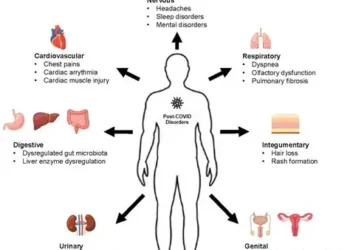 ‘Zoom Dysmorphia’ Explosion: BDD Patients Quadruple in Post-Pandemic UK
 ‘I’m So Ready’: Céline Dion Announces 10-Night Paris Comeback Residency
 ‘At the Doorstep of the Future’: Florida’s Space Coast Braces for Historic Artemis II Launch
 ‘The Invisible Killer’: Chiang Mai Air Quality Crisis Sparks Pediatric Health Emergency
 ‘We Go for All Humanity’ — Artemis II Returns Humans to the Lunar Vicinity
 A Name for the Nameless: DNA Finally Links 1974 Utah Murder to Ted Bundy
 7.4-Magnitude Earthquake Jolts Eastern Indonesia; Tsunami Warning Lifted
 Breaking the Horizon: Blind Runner to Tackle Brighton Marathon with Smart Glasses
 Voices of the Vanguard: ‘Audio Time Capsule’ of Disability Rights Pioneers Discovered
 Bangladesh Launches Emergency Vaccine Drive After 100 Child Deaths
 Electric Shock: Australians Buy Record Number of New EVs as Fuel Crisis Bites
 War, Windfalls, and the Carbon Trap: The Iran Conflict’s Brutal Energy Math
 ‘The Best Decision I Ever Made’: A Mother’s Viral Plea After a Near-Miss with Lung Disease
 The Great Chokehold: Why the Strait of Hormuz is the Epicenter of the 2026 Crisis
 The Friendship Friction: Would You Call Out Your Friend’s Toxic Behaviour?
 Southern Skies: High Turnout and Surprise Visitors in Birdwatch 2026
 Moldova River Crisis Exposes War’s Hidden Cost
 GSK cancer drug shows early promise in trials
 The Frozen Frontier: Why Frostbite is the Least of Concerns for Canada’s Arctic Forces
 “I was fighting two wars”: Ukraine soldiers’ addiction crisis
 Canadian astronaut French words ease language row
 ‘The End of the Quiet Era’: Japan Relaxes Arms Export Rules in Historic Pivot From Pacifism
 Beyond the Swoosh: Anta Sports Overtakes Rivals to Become Global Top Three
 “Grounded”: Beijing Implements Total Ban on Drone Sales Citing Capital Security
 US Court Restores Abortion Pill Access Temporarily
 “The Digital Frontier”: Scotland’s Papers Grapple with AI Harassment and ‘Mortgage Bottlenecks’
 “The Trial’s Strange Turn”: Musk v. Altman Case Veers into Personal Testimony and ‘Sperm Offers’
 “The Mush-Brain Mandate”: How to ‘Think Outside the Bots’ and Bypass the AI Resilience Deficit