Published: 21 April 2026. The World Chronicle Desk. The English Chronicle Online
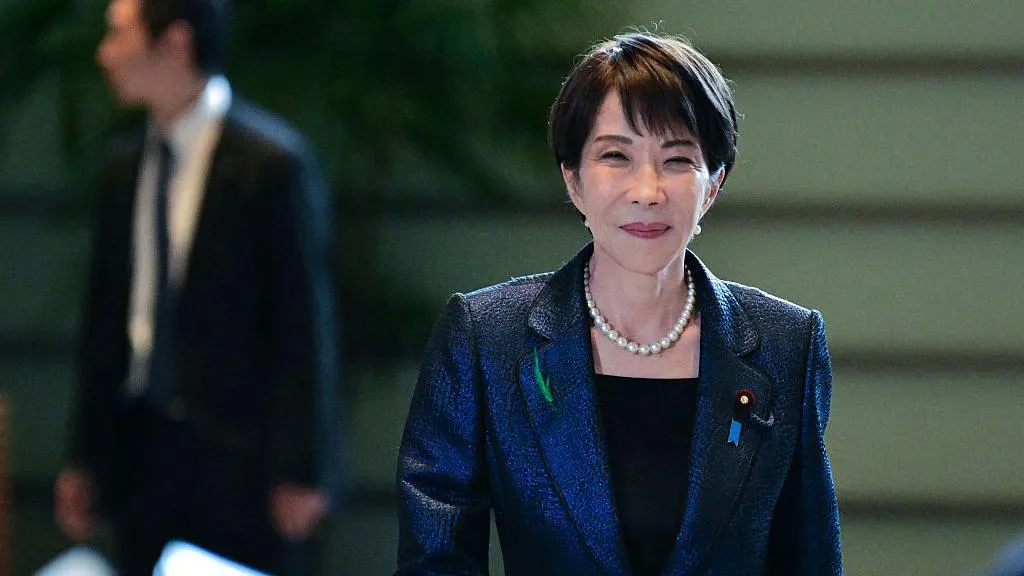
In a move that has sent a “low rumbling” through the geopolitical landscape of East Asia, the Japanese government has officially approved a radical relaxation of its strict arms export regulations. The decision marks the most significant departure from the country’s post-WWII “Pacifist Constitution” in over eight decades, allowing Japan to export next-generation fighter jets and lethal defense technology to a select group of international partners.
The policy shift is centered on the Global Combat Air Programme (GCAP)—a joint venture between Japan, the UK, and Italy to develop a sixth-generation stealth fighter by 2035. Under the previous self-imposed “Three Principles” on defense equipment, Japan would have been barred from exporting the co-developed jets to third-party nations. Today’s decision effectively unties the hands of Japan’s defense industry, positioning the nation as a major player in the global security market.

Prime Minister Shigeru Ishiba defended the move as a “necessary evolution” rather than a abandonment of Japan’s commitment to peace. “The security environment in the Indo-Pacific is no longer a matter of theory, but of immediate reality,” Ishiba stated, referencing the rising regional tensions that have colored much of 2026.
| Policy Pillar | Post-WWII Standard | 2026 ‘New Reality’ Pivot |
| Lethal Exports | Strictly prohibited for decades. | Allowed: For co-developed projects (e.g., GCAP). |
| Target Nations | Limited to non-conflict zones. | Expanded: Countries with defense treaties with Japan. |
| Defense Spending | Capped at 1% of GDP. | Doubled: Aiming for 2% of GDP by 2027. |
| Industry Goal | Domestic self-reliance. | Global Integration: Becoming a ‘NATO+1’ partner. |
The UK government, currently navigating its own “Triple-Shift” economic challenges at home, has warmly welcomed the news. For the UK’s BAE Systems, Japan’s decision ensures that the GCAP project remains financially viable through larger-scale production and export potential. British Defense Secretary John Healey noted that the move “reinforces the unbreakable bond” between London and Tokyo, ensuring that the technology protecting the North Atlantic and the Pacific remains “shaken, not stirred” by common adversaries.
The decision has not been without its critics. Domestically, the “Greatest Generation” of Japanese citizens—those who lived through the fallout of the 1940s—have expressed deep-seated fears. Protest groups gathered in Tokyo’s Shinjuku district today, carrying signs reading “No More War Peddling.”
Regionally, Beijing and Seoul are watching with a mix of suspicion and “low rumbling” warnings. A spokesperson for the Chinese Ministry of Foreign Affairs accused Japan of “stoking a new arms race” and failing to reflect on its historical legacy.

This pivot occurs in a year already defined by global instability. With the ongoing US-Iran friction and the recent “War Tax” impacting energy prices globally, Japan’s move toward a more “active” defense posture is seen by many analysts as a pragmatic response to a “troubled” world.
As Japan’s “Naked Ape” instincts for survival—to borrow a concept from the late Desmond Morris—kick into high gear, the nation is proving that its 80-year-long quiet era is over. Whether this leads to a more stable Indo-Pacific or a more dangerous global “Human Zoo” remains to be seen, but the “Land of the Rising Sun” has clearly decided that, in 2026, peace requires a much sharper edge.
Related News:
 ABC Staff Strike Over Pay and AI Concerns
 British AI Startup Outshines Human Forecasters in Global Prediction Contest
 UK New Car Discounts Near £6,000 as Prices Are Slashed
 The Chinese AI App Sending Hollywood Into a Panic
 Live Nation Sees Strong Ticket Sales as Monopoly Lawsuit Looms
 ‘We’re Still on Edge’: Toy Firms Look to US Supreme Court as Tariffs Hit Profits
 Zuckerberg Defends Meta in Landmark Social Media Addiction Trial
 Etsy Sells Second‑Hand Fashion App Depop to eBay for $1.2bn
 Musk Tells Jury “People Read Too Much” Into His Posts in Twitter Investor Trial
 Bank of Scotland App Glitch Lets Customers See Other Users’ Transactions
 How Iran Destroyed US Base’s $500m Battlefield Nerve Centre
 Jim Ratcliffe’s £3.5bn Chemical Plant Delayed with Parts Stranded in the Gulf
 Baltic Blackout: Satellite Images Reveal Scorched Russian Oil Hubs After Ukraine Strikes
 A Name for the Nameless: DNA Finally Links 1974 Utah Murder to Ted Bundy
 The “Trap” Is Closing: New Global Laws Target Subscription Loops
 The “Subscription Trap” Snaps Shut: New Global Laws Mandate One-Click Refunds
 “Time is Up”: M&S Bosses Demand Urgent Action as Retail Crime Hits “Brazen” New Highs
 Apple at 50: Three Products That Changed How We Live
 Electric Shock: Australians Buy Record Number of New EVs as Fuel Crisis Bites
 War, Windfalls, and the Carbon Trap: The Iran Conflict’s Brutal Energy Math
 The $100 Billion Peace: Trump’s ‘Grand Bargain’ Ends Iran Conflict at a Staggering Cost
 ‘A Double-Sided Ceasefire’: Inside the 14-Day Truce Between the US and Iran
 The ‘Heavy’ Shift: Gulf Coast Refineries Ramp Up Venezuelan Crude Intake
 Tragedy on the Tracks: One Dead After High-Speed Collision in Northern France
 The Great Chokehold: Why the Strait of Hormuz is the Epicenter of the 2026 Crisis
 Hot in the City: Energy Crisis Tests Singapore’s Air-Con ‘Addiction’
 Space Odyssey ‘Bum Note’: UK Band Linked to Artemis II’s ‘Toilet Trouble’
 The Prediction Prohibition: White House Staff Barred from Betting on Political Markets
 California fireworks blast: murder charges filed in case
 Market Shock: Oil Surges Past $100 as US Initiates Naval Blockade
 The Vance Verdict: How the Vice President Navigated the Islamabad “Pressure Cooker”
 The Blockade Gambit: Trump’s High-Stakes Threat Leaves Middle East Predicaments Unchanged
 The Outback Squeeze: ‘Out of Control’ Diesel Prices Threaten Australia’s Freight Arteries
 The Liberal Gamble: Carney’s Majority Quest Hits the ‘Poilievre Wall’
 The Frozen Frontier: Why Frostbite is the Least of Concerns for Canada’s Arctic Forces
 The Atlantic Rift: Starmer Pledges UK Neutrality in Iran Port Blockade
 The Mythos Crisis: Global Finance Chiefs Sound Alarm Over ‘Predatory’ AI
 Northern Ireland Family of Three Shot Dead in Maguiresbridge Home Incident
 China’s crackdown on civil servant perks sparks economic concerns
 Shein UK Faces Allegations of Shifting Majority of Profits to Singapore to Reduce UK Tax
 Big Pharma Investment Freeze Puts UK Life Sciences Sector Under Strain
 Jaguar Land Rover Extends Production Halt Following Cyber-Attack
 Google at 27: The Untold Story of Ruth Kedar, the Woman Behind the Iconic Logo
 Virgin Trains Moves Closer to Challenging Eurostar Monopoly
 Britain deploys RAF specialists to assist Belgium with drone threats
 Trump Urges Herzog to Grant Netanyahu Full Pardon
 Trump Deploys DHS to Charlotte in Major Arrest Operation
 Canada Passes Carney’s First Budget in Tight Parliamentary Vote
 Tokyo court rules Japan’s same-sex marriage ban constitutional
 Virgin Media Fined £23.8m Over Telecare Safety Failures
 US Clears Nvidia AI Chip Sales to China in Policy Shift
 BT Names New Openreach Chief Amid Major Fibre Expansion
 Nine Arrested in France Over Death of Far‑Right Student
 Indian University Kicked Out of AI Summit for Claiming Chinese Robot Dog as Its Own Invention
 Epstein Eyed Record Label Investment to Access Women, Files Suggest
 How Do You Modernise Mango Farming? India’s Growers Urged to Innovate as Climate Change Hits
 Musk Cuts Starlink Access for Russian Forces – Giving Ukraine an Edge at the Front
 AI Coding Firm’s ‘Pride’ at Business Award Win
 Bill Gates ‘Took Responsibility’ Over Epstein Ties in Staff Meeting, Foundation Says
 Social Media Trial: Woman Says Addiction Began at Six
 Oil Prices Surge Above $100 Amid Iran War
 Abramovich Chelsea Sale Cash Faces Jersey Probe
 Queensland Protest Laws Spark Free Speech Backlash
 Oil Price Jumps Despite Deal to Release Record Amount of Reserves
 Trump Considers Military Operation to Seize Iran’s Uranium
 Net Closes on Lyons Clan: Partner Arrested in Dubai as Crime Boss Snared in Bali
 Tragedy in Lebanon: Two Indonesian UN Peacekeepers Killed in Border Explosion
 Russia: The Unforeseen Winner of the Iran Conflict
 Open Justice Prevails as Court Rejects Bondi Gunman’s Family Anonymity Bid
 “It Ends With Trial”: Judge Tosses Blake Lively’s Sexual Harassment Claims Against Justin Baldoni
 The $11k Ticket: High Stakes and Dynamic Pricing in FIFA’s First Open Sale
 “The Monster of Hull”: Funeral Director Admits to Preventing 30 Burials and Stealing Charity Cash
 Report Says Pezzullo Acted ‘Recklessly’ in Dealings
 Oil and Diplomacy: Russian Refineries Burn as Zelenskyy Secures Middle East Shield
 Voices of the Vanguard: ‘Audio Time Capsule’ of Disability Rights Pioneers Discovered
 The Fallen Icon: Ben Roberts-Smith Charged with Five War-Crime Murders
 Moldova River Crisis Exposes War’s Hidden Cost
 Diplomatic Deadlock: Lebanon Enters High-Stakes Border Talks with ‘No Cards to Play’
 The Fog of War and the Ticker Tape: Suspicious Trades Rile Washington
 Brinkmanship in Islamabad: Tehran Vows ‘New Battlefield Cards’ as Ceasefire Wanes