Published: 5 June 2026
The English Chronicle Desk
The English Chronicle Online
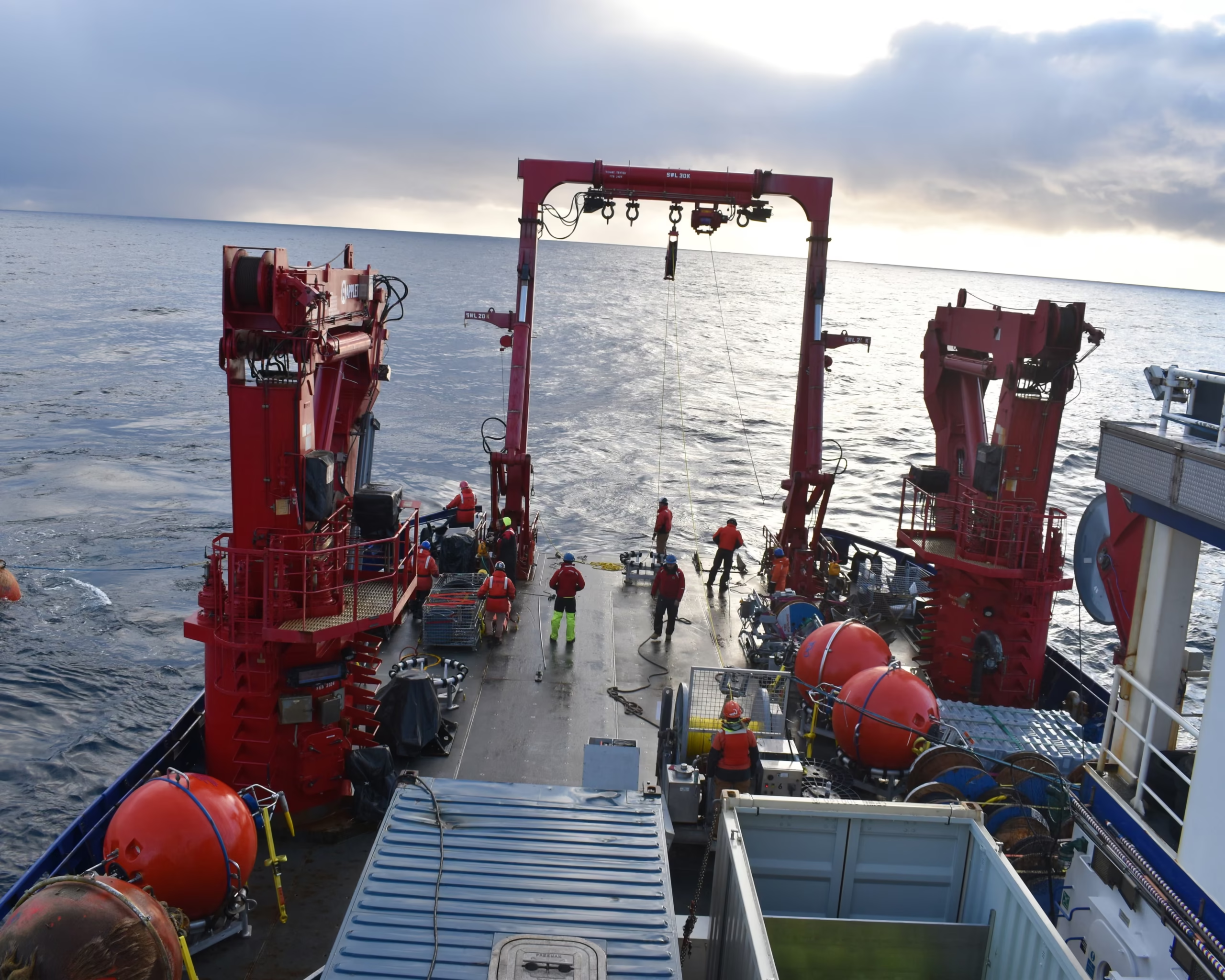
Scientists have warned that plans linked to President Donald Trump’s administration to reduce or dismantle parts of the United States ocean monitoring system could leave the world “flying blind” on climate and environmental threats.
Researchers and environmental experts say the monitoring networks play a critical role in tracking ocean temperatures, storms, sea level rise, marine ecosystems and global climate patterns.

The proposed cuts have raised fears that weakening the system could damage international scientific cooperation and reduce the accuracy of weather forecasting and climate research.
Ocean monitoring programmes operated by the United States are considered among the world’s most important sources of environmental data, supporting research institutions, governments and disaster response agencies globally.
Scientists argue that reducing access to real-time ocean information could limit understanding of hurricanes, El Niño events, rising sea temperatures and long-term climate change trends.
Climate experts warned that oceans absorb vast amounts of heat and carbon emissions, making them central to understanding the pace and impact of global warming.
Environmental organisations criticised the reported plans, claiming they prioritise short-term political and budgetary goals over long-term scientific and public safety needs.
Supporters of the administration’s approach argued that spending reductions and restructuring efforts are intended to improve efficiency and reduce federal costs.
Researchers, however, stressed that interruptions in environmental data collection can create lasting scientific gaps that are difficult or impossible to repair later.

Meteorologists also warned that reduced monitoring capacity could affect storm prediction accuracy and emergency preparedness for coastal communities.
International scientists expressed concern because ocean monitoring systems are heavily interconnected, meaning changes within US programmes could impact research and forecasting worldwide.
The controversy has intensified broader debate over climate policy, environmental funding and the role of science in government decision-making.
Experts continue urging policymakers to maintain long-term investment in ocean observation systems as climate-related risks increase globally.
Check Out Our Latest News At>>
Related News:
 Brace for Trump’s Brave New World of 1.7°C Global Warming
 Trump Directs US Govt to Prepare Release of Files on Aliens and UFOs
 Trump Vows UFO File Release After Obama Interview
 Capitol Hill Showdown: Bill Gates to Testify in Expanding Epstein Inquiry
 The Academic Chill: Beijing Condemns ‘Hostile’ US Questioning After Researcher’s Death
 Moldova River Crisis Exposes War’s Hidden Cost
 Doomsday Clock Nears Midnight Amid Global Crises
 FDA Chaos Deepens as Trump Eyes Makary Exit
 Trump Approves $700m Coal Industry Investment
 UK Fighter Jet Purchase Could Breach Nuclear Treaty, Warns CND
 Yvette Cooper Backs Digital ID Plan for UK Teens
 Reform UK candidate fined £19,000 after using AI-generated cases to challenge election
 Experts Warn Russia’s Burevestnik Missile Could Destabilise Arms Control
 Britain deploys RAF specialists to assist Belgium with drone threats
 US National Guard Member Killed in DC Shooting
 Russia losses Ukraine war peace talks intensify amid rising deaths
 Trump Escalates Minnesota Immigration Surge Amid Rising Tensions
 Homeland security agents deployed amid Minneapolis protests
 US Clears Nvidia AI Chip Sales to China in Policy Shift
 Trump Threatens Strong Action If Iran Executes Protesters
 European Leaders Condemn Trump Tariff Threat Over Greenland
 MPs warn AI financial risks threaten UK stability
 EU Says US Ties Have Suffered ‘Big Blow’ After Greenland Crisis
 Trump Praises ‘Terrific’ Petro After White House Talks
 Fears of New Arms Race as US-Russia Nuclear Weapons Treaty Expires
 Nurses’ families fear breakup under UK immigration crackdown
 ‘Trump Will Be Gone in Three Years,’ Top Democrats Tell Europe
 Hillary Clinton Accuses Trump of Epstein Files ‘Cover-Up’ in BBC Interview
 US Civil Rights Leader Jesse Jackson Dies Aged 84
 Stephen Colbert Says CBS Spiked Interview With Democrat Over FCC Fears
 How Do You Modernise Mango Farming? India’s Growers Urged to Innovate as Climate Change Hits
 Musk Cuts Starlink Access for Russian Forces – Giving Ukraine an Edge at the Front
 Who is Abigail Spanberger, the Democrat set to give State of the Union response
 UK’s First Geothermal Plant Powers 10,000 Homes
 American Citizen Killed in Cuba Boat Shooting, U.S. Officials Say
 Hillary Clinton Tells House Panel She Had No Idea of Epstein’s Crimes
 Trump Faces Questions Over Iran Conflict Plan
 Why Russia Controls Its People With a Flick of a Switch
 The US Now Has the Medicine for Cheap Swarming Drone Attacks
 Texas Senate seat fight heads to runoff as votes split
 US Senate Backs Trump War Powers Amid Iran Missile Barrage
 Study Says Only Two Nations May Survive Nuclear War
 Thousands Protest Iran Strikes Outside US Embassy London
 US Bombers Arrive at RAF Base Amid Rising Iran Tensions
 UK Prepares Aircraft Carrier for Middle East Crisis
 Pete Hegseth Iran War Remarks Spark Alarm
 Iran War Puts Trump at Political Risk Amid Rising Prices
 Trump’s Confidence Undimmed — But Every Iran Option Carries Risk
 Trump Considers Military Operation to Seize Iran’s Uranium
 ‘At the Doorstep of the Future’: Florida’s Space Coast Braces for Historic Artemis II Launch
 Can Congress Stop US Sports Teams From Moving Cities?
 The “Protective Shield”: Who is Todd Blanche, the New Acting U.S. Attorney General?
 Can King Charles Calm Trump on Key US Visit?
 The Bench Strikes Back: Lower Court Judges Emerging as Main Obstacle to Trump’s Executive Pivot
 The Moral Crisis Looming Within the American Chain of Command
 The Changing Face of Georgia: Trump-Backed Clay Fuller Wins Election
 The Great Chokehold: Why the Strait of Hormuz is the Epicenter of the 2026 Crisis
 Heavier SUVs Accelerate Britain’s Pothole Crisis
 The Frozen Frontier: Why Frostbite is the Least of Concerns for Canada’s Arctic Forces
 Trump Signals Hope for New Iran Talks as Ceasefire Fades
 Canadian astronaut French words ease language row
 Crackdown Backfires on UK Climate Protesters
 Trump at Press Dinner Sparks Tension
 Identity Revealed: Suspected Washington Gunman Named
 Older Than Dinosaurs: Secrets of Mayfly Dance Revealed
 US Court Weighs Fate of TPS for Migrants
 Capitalism ‘Suicidal’, Warns Petro at Climate Summit
 “Grounded”: Beijing Implements Total Ban on Drone Sales Citing Capital Security
 The “Dry” Life: Teens Trialing Social Media Bans Call Initial Disconnection “Boring” and “Dry”
 Trump Threatens UN Budget Cuts as US Pushes ‘Trade Over Aid’ Agenda
 US Court Restores Abortion Pill Access Temporarily
 Tensions Emerge in Netanyahu-Trump Alliance
 US Awaits Iran Reply on New Ceasefire Proposal
 Immigration Judges Fear Pressure in Trump Era
 US green card applicants must apply from abroad, DHS says
 Tulsi Gabbard exits after turbulent intelligence tenure
 DeSantis’s ‘Alligator Alcatraz’ Faces Final Shutdown
 UN Issues Urgent Warning: Imminent Return of El Niño
 Trump-Netanyahu Call Fuels Iran Talk Crisis
 Zelensky Invites Putin to Direct Peace Talks