Published: 23 May 2026. The English Chronicle Desk. The English Chronicle Online.
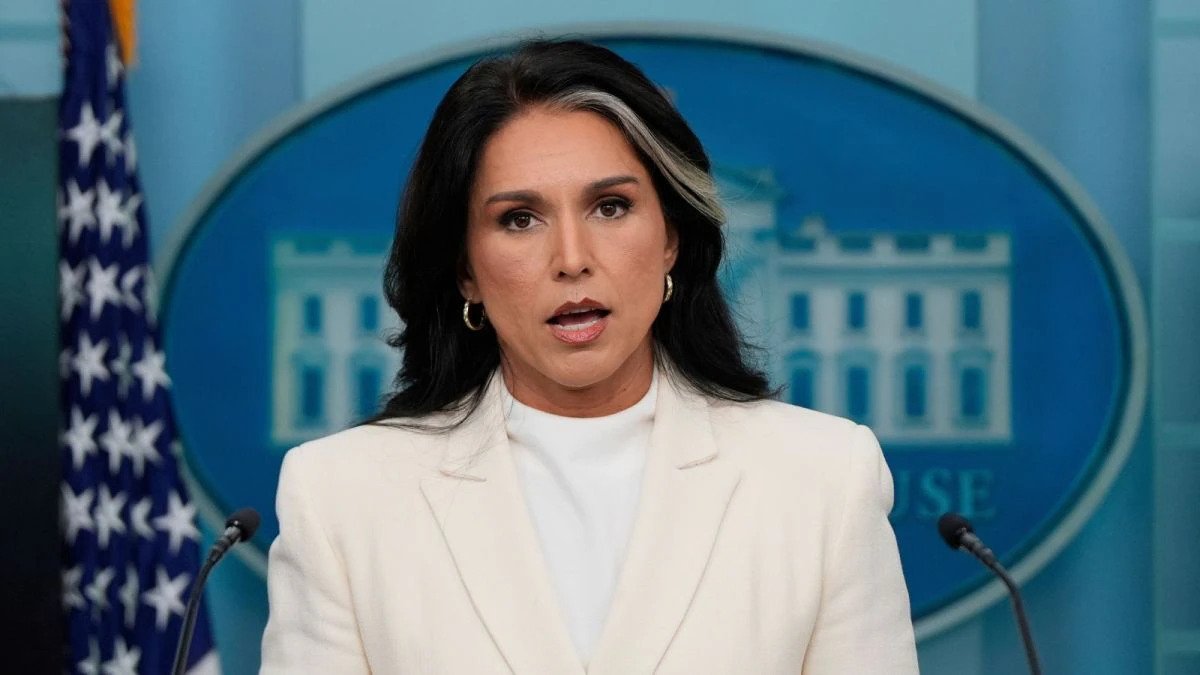
The resignation of Tulsi Gabbard as director of national intelligence has brought an abrupt end to one of the most controversial and politically charged leadership periods in recent American intelligence history. After just 15 months in office, Gabbard’s departure closes a tenure marked by internal tensions, ideological conflict, and an increasingly strained relationship with the administration of Donald Trump.
Gabbard’s appointment had always been viewed as unconventional. A former Democratic congresswoman from Hawaii with no formal intelligence background, she entered office as an outsider to the US intelligence establishment. Her nomination sparked immediate debate among lawmakers and analysts due to her non-interventionist foreign policy views and previous comments on global conflicts that often diverged from mainstream Republican positions.
Despite those concerns, Gabbard initially appeared to align herself closely with Trump’s political agenda. She promised sweeping reforms inside the intelligence community, pledged to eliminate what she described as politicisation within federal agencies, and embraced investigations tied to conservative concerns surrounding election integrity and government accountability.

Over time, however, reports emerged that Gabbard had become increasingly isolated within the White House national security structure. Sources familiar with the Office of the Director of National Intelligence suggested she was gradually excluded from key foreign policy discussions, particularly on issues involving Iran and Venezuela.
Analysts say the growing distance reflected deeper disagreements between Gabbard’s traditional scepticism of overseas military intervention and Trump’s increasingly aggressive foreign policy posture. The tension became highly visible during debates over military operations linked to Iran, where Gabbard’s earlier assessments reportedly conflicted with the administration’s narrative regarding nuclear threats.
One of the most widely discussed moments of her tenure occurred after Trump publicly dismissed her testimony on Iran’s nuclear capabilities. Following the president’s criticism, Gabbard appeared to reverse her position, later warning that Iran could potentially develop nuclear weapons within weeks. Political observers interpreted the shift as evidence of mounting pressure inside the administration.
During her time leading the Office of the Director of National Intelligence, Gabbard launched restructuring efforts aimed at reducing bureaucracy and cutting operational costs. She claimed to have reduced staffing levels significantly while introducing new investigative initiatives focused on subjects such as the origins of Covid-19, alleged election interference, and unexplained health incidents affecting US personnel abroad.
These efforts were framed by supporters as necessary reforms designed to restore public confidence in the intelligence system. Critics, however, argued that some initiatives blurred the line between intelligence work and partisan political objectives.
A particularly controversial development was the creation of an internal unit tasked with examining alleged “weaponisation” within government agencies. The programme became a source of tension inside the intelligence community and was eventually dismantled following internal disputes and criticism from lawmakers.
Gabbard’s leadership style also drew attention. Reports from current and former officials suggested that loyalty became a defining feature within her inner circle. Her close working relationship with senior adviser Alexa Henning, a politically connected communications strategist, was frequently cited as evidence of a more combative and politically driven approach than previous intelligence administrations.
Several congressional aides and intelligence observers criticised the increasingly partisan tone associated with the office under Gabbard’s leadership. Some argued that the traditionally nonpartisan role of the intelligence director had become entangled in broader political battles during her tenure.
Her involvement in domestic election-related controversies further intensified scrutiny. In one highly publicised incident, Gabbard reportedly appeared during an investigation linked to election materials in Georgia, prompting criticism from Democratic lawmakers who questioned why the nation’s top intelligence official was involved in a matter with no apparent foreign intelligence connection.
Supporters of Gabbard defended her actions, arguing that she was responding to concerns about election security and transparency. Trump himself publicly praised her involvement at the time, reinforcing perceptions that her role increasingly overlapped with politically sensitive domestic issues.
Yet internal support within the administration appeared to weaken as divisions widened over foreign policy. The resignation of former deputy intelligence official Joe Kent over disagreements surrounding military action against Iran further highlighted fractures inside the national security apparatus.
Reports later emerged suggesting Trump had privately considered replacing Gabbard months before her resignation announcement. Sources familiar with administration discussions claimed that John Ratcliffe had increasingly become Trump’s preferred adviser on intelligence and national security matters, overshadowing Gabbard within key policy discussions.
Gabbard officially stated that her resignation was motivated by personal circumstances, specifically her husband’s diagnosis with a rare form of bone cancer. In her resignation letter, she confirmed she would remain in office until the end of June to ensure a transition period.

The White House has named Aaron Lukas as interim successor while a permanent replacement is considered.
Trump offered brief praise following the announcement, describing Gabbard’s service as “incredible” and thanking her for her work. However, the brevity of the response reflected what many observers viewed as a relationship that had significantly cooled in recent months.
Political analysts say Gabbard’s tenure will likely be remembered as one of the most unusual chapters in the history of modern US intelligence leadership. Her time in office exposed tensions between institutional independence and political loyalty, while highlighting the increasing politicisation of national security debates in Washington.
As the intelligence community prepares for another leadership transition, questions remain about how future administrations will balance reform efforts with the need to preserve credibility and nonpartisanship across America’s intelligence agencies.
Related News:
 Thousands Protest ICE Operations in Nationwide US Day of Action
 US judge dismisses Kilmar Abrego Garcia indictment
 Former ICC prosecutor condemns US sanctions
 Trump Weighs Retreat from Controversial $1.8bn Slush Fund
 US National Guard Member Killed in DC Shooting
 Trump to pause migration from ‘third-world countries’
 Franklin Turtle, Sabrina Carpenter Slam US Social Media Use
 Trump Receives Machado’s Nobel Medal in White House Meeting
 Trump officials continue false claims after Alex Pretti shooting
 Files Link Andrew to Epstein Dinner After Prison Release
 Partial US Government Shutdown Hits Homeland Security Funding
 Epstein Files Reveal Trump Officials’ Emails with Financier
 Thousands Protest ICE in New York Against Trump Deportation Campaign
 Michigan Battleground: Middle East Crisis Stirs US Senate Race
 The Moral Crisis Looming Within the American Chain of Command
 Swalwell Faces Pressure to Quit Governor Race
 Trump Signals Hope for New Iran Talks as Ceasefire Fades
 Harmeet Dhillon Faces Scrutiny in DOJ Role Debate
 GOP Senator Criticizes Trump’s Feud With Pope Leo XIV
 Trump at Press Dinner Sparks Tension
 Investigation Into Anti-Trump Motives After Gala Shooting
 Judge Blocks Trump Bid for Arizona Voter Data
 US Court Weighs Fate of TPS for Migrants
 Florida Redistricting Map Sparks Major US Political Battle
 USS Gerald R Ford Ends Record Naval Deployment
 US Voting Rights Ruling Sparks Celebration and Outcry
 US Charges Sinaloa Governor in Major Cartel Case
 US Court Ruling Reshapes Voting Rights Landscape
 US states redraw maps after voting rights ruling
 Trump orders US troop pullout from Germany
 Judge halts deportation of Yemeni refugees in US
 White House Security Case Sparks Political Firestorm
 Trump warns Iran as Middle East tensions surge again
 US Supreme Court fast-tracks Voting Rights ruling
 Indiana Republicans Defy Trump in Key Vote Test
 US Court Restores Abortion Pill Access Temporarily
 Tensions Emerge in Netanyahu-Trump Alliance
 Immigration Judges Fear Pressure in Trump Era
 FDA Chaos Deepens as Trump Eyes Makary Exit
 US green card applicants must apply from abroad, DHS says
 Trump’s Revenge Drive Deepens GOP Divide
 Gunman Killed After White House Security Shootout
 Prosecutor Proposes Law to Combat Election Deceit
 Trump’s Mount Rushmore Speech: A Divisive Anniversary
 Mystery Grows Over Mitch McConnell’s Health
 Trump Refuses to Sign Housing Bill, But Law Takes Effect
 House Democrats Divided Over Israel Military Funding Bid
 Houthis Strike Saudi Arabia as Middle East Tensions Rise
 Trump Orders Signs Criticising Smithsonian Museum
 French Taxi Driver Cleared in David Lammy Theft Case After Fare Dispute
 Major Rent Reform Ends No-Fault Evictions in England
 Trump Deploys DHS to Charlotte in Major Arrest Operation
 ICC to Rule on Duterte’s Provisional Release
 Mandelson apologises over Epstein ties after public scrutiny
 Australia grants Asio powers to designate hate groups under new laws
 Trump press secretary attacks reporter over ICE question
 Starmer Challenges US Over Controversial Greenland Deal
 Spoof “Make America Go Away” Caps Rally Denmark Over Greenland
 Trump Fed bid heads to Supreme Court
 Sinema payment row deepens after $9,000 transfer claim
 Nurses’ families fear breakup under UK immigration crackdown
 California Democrats Vow Trump Reckoning
 Adelaide University Faces Backlash Over Event Cancellation
 Proposed Law Leaves Gap for Children of Convicted Paedophiles
 New Zealand Covid Response Praised Despite Lingering Scars
 Big Tech Faces Investigation Over Australia’s Social Media Ban
 Reform UK Pledges To Halt Visas Over Reparations Demands
 UK Stands Firm on Falklands Amid US Rift
 Trump Defiant After Washington Hotel Shooting
 Oil Prices Surge Above $120 Amid Iran Blockade Fears
 One Nation Candidate’s Surprising Ties to Independents
 Fear and Betrayal: The Chilling Case of Kouri Richins
 Tony Abbott Returns as New Liberal Party President
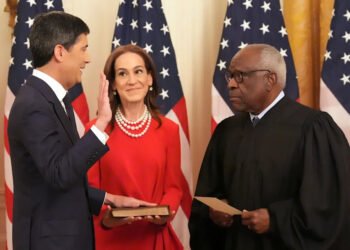 Kevin Warsh sworn in as Fed chair amid economic backlash
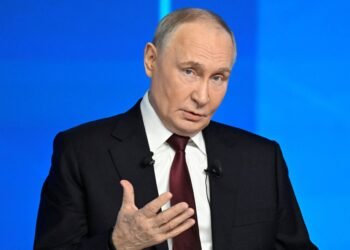 Discontent grows around Putin amid war strain
 DeSantis’s ‘Alligator Alcatraz’ Faces Final Shutdown
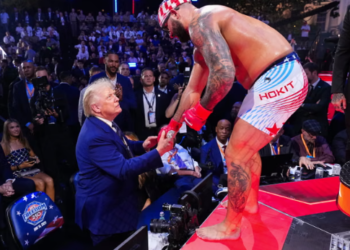 Trump Urged to Condemn UFC Fighter Over Obama Slurs
 US Military Pacific Boat Strike Kills Three People
 US Courts Back Trump on Park Signage Removals
 Trump Swaps Planes Amid Iran Tensions