Published: 23 May 2026. The English Chronicle Desk. The English Chronicle Online.
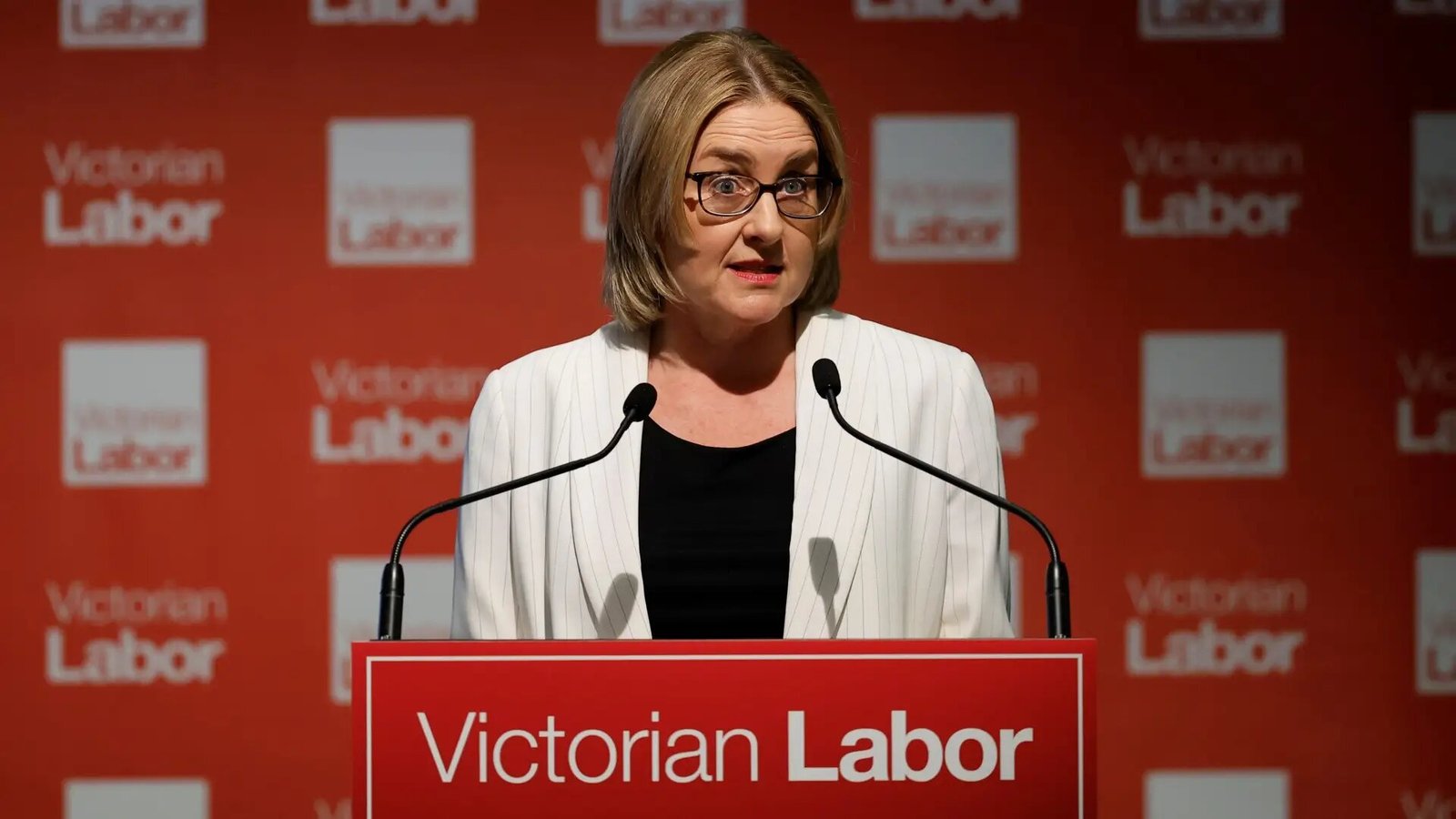
Victorian Premier Jacinta Allan has announced a major apprenticeship initiative at the state Labor conference, unveiling plans for 2,000 government-backed electrical apprenticeships as part of a broader pre-election push focused on jobs, skills, and energy infrastructure development.
The program will be delivered through the revived State Electricity Commission, with the government positioning it as a key response to workforce shortages in the energy sector and rising concerns about job insecurity among young workers entering technical trades. The initiative forms part of a wider strategy to strengthen Victoria’s role in Australia’s clean energy transition while addressing gaps in skilled labour supply.
Under the proposal, the State Electricity Commission (SEC) will recruit apprentices over a four-year period, with training hubs planned in Melbourne and regional Victoria. The first intake is expected to begin in January 2027. The apprentices will work on government energy projects and may also be deployed to private sector developments such as wind farms and large-scale data infrastructure projects.

The policy builds on the revival of the SEC, a government-owned electricity body that was re-established in 2023 after being dismantled and privatised in the 1990s under former Premier Jeff Kennett. Allan framed the announcement as part of a return to a model that once provided structured training pathways and long-term employment opportunities for trades workers.
In her speech, Allan drew on personal family history, recalling her father’s experience as a linesman for the original SEC. She described the organisation as a place where young workers entered apprenticeships, gained qualifications, and built stable careers supported by strong workplace communities. Her remarks were met with strong applause from party members and union delegates attending the conference.
The premier said the initiative was intended to address what she described as growing barriers for young people trying to enter skilled trades. She pointed to declining apprenticeship uptake across Australia despite rising demand for electricians, particularly as Victoria accelerates investment in renewable energy infrastructure and electrification projects.
Industry forecasts cited during the announcement suggest a significant shortfall of electricians nationally by the end of the decade. Workforce planning bodies have warned that demand pressures are being driven by clean energy expansion, increased construction activity, and a lack of training capacity in technical education pathways. Employers have also raised concerns about insufficient returns on investment in private apprenticeship schemes, which can discourage hiring.
By expanding state-backed training, the government aims to create a more direct pathway into employment, with apprentices gaining hands-on experience across public and private sector energy projects. Supporters argue the model could help stabilise supply in critical infrastructure roles while offering young workers guaranteed entry points into skilled careers.
However, the announcement also comes amid broader political positioning ahead of the upcoming state election. Opposition figures argue that the government is using infrastructure and employment programs as part of a wider campaign strategy. Critics have questioned the long-term financial sustainability of expanding state employment programs, warning about potential budget pressures.
Despite political debate, labour groups and industry stakeholders have generally welcomed increased investment in apprenticeship training, particularly in sectors facing acute shortages. Electrical unions have long argued that structured government involvement is necessary to rebuild training pipelines that have weakened over time due to market-driven shifts in education and employment.
During the conference, Allan also referenced a range of broader policy discussions within the Labor movement, including proposals relating to workplace rights, reproductive health leave, and cannabis law reform. While many of these motions are non-binding, they reflect ongoing internal debates about social and economic policy direction within the party.
The opposition Liberal Party, led by Jess Wilson, used its own state gathering to criticise the government’s broader record, focusing on infrastructure spending priorities and regional investment. The opposition argued that voters should consider alternatives to Labor’s long-term governance strategy, framing the election as a choice between continued reform and policy change.

Political analysts suggest that the apprenticeship announcement is designed to appeal to both younger voters and working-class households concerned about cost-of-living pressures and job security. By linking education, energy transition, and employment, the government is seeking to reinforce its message around “practical opportunity” and economic fairness.
As the election approaches, the policy is expected to become part of a wider debate about the role of government in workforce development, particularly in sectors undergoing rapid transformation due to decarbonisation and technological change. The success of the initiative will likely depend on its implementation, funding sustainability, and ability to deliver long-term employment outcomes for participants.
For now, the announcement signals a clear strategic focus from the Victorian government: expanding public sector involvement in skills training while positioning itself as a key driver of the state’s clean energy workforce transition.
Related News:
 US Awaits Iran Reply on New Ceasefire Proposal
 Europe Weighs Hormuz Navigation Fee Plan
 Trump’s UK Ambassador Urges North Sea Drilling to Strengthen US Ties
 UK University Suspends Human Rights Research Following Pressure from China
 UK University Faces Counter-Terror Probe Over China Pressure
 Rachel Reeves Set to Break Labour Pledge and Raise Income Tax
China-critical UK academics face ‘extremely heavy’ pressure from Beijing
Rachel Reeves Set to Break Labour Pledge and Raise Income Tax
China-critical UK academics face ‘extremely heavy’ pressure from Beijing
 Labour immigration crackdown could cost UK £4.4bn
 MPs Press Rachel Reeves to Hike Gambling Taxes
 Millionaires group urge Reeves to introduce wealth tax to ‘lift kids out of poverty’
 England’s Special Needs Support Faces Breaking Point
 Canada Passes Carney’s First Budget in Tight Parliamentary Vote
 PM Highlights UK Business at G20 in South Africa
 English Mayors Set to Introduce Tourist Taxes
 India’s Labour Law Overhaul Sparks Fierce Debate
 Starmer Says Labour’s Economic Plan Needs Years to Deliver
 Mark Carney Walks Diplomatic Tightrope on China Visit
 Government Unveils Northern Powerhouse Rail Plans
 Guildford resignation sparks public trust debate in West Midlands
 UK Ministers Drop Foreign Student Targets for Global Education Push
 City & Guilds pay surge sparks backlash amid £22m cuts
 Trump Fed bid heads to Supreme Court
 Starmer Plans UK-China Visit Amid Business and Diplomatic Goals
 UK Government Borrowing Drops to £11.6bn in December
 Keir Starmer meets Xi to strengthen UK-China economic relations
 Cambridge Faces Scrutiny Over Arms Investment Transparency
 EU Signals Open Mind on UK Customs Union Talks
 UK shelves £110m border project amid trade strain
 UK Sees Record £30.4bn Budget Surplus, Boosting Reeves’ Position
 Student Loan Crisis Sparks Outrage Among Graduates in England
 Reeves Must Back Defence Plan or Face Dismissal, Says Unite Chief
 OBR Reform Row Deepens Before Spring Forecast
 Adelaide University Faces Backlash Over Event Cancellation
 Nissan Sunderland Plant Faces Uncertain Future Under EU Rules
 UK Doubles Steel Tariffs to 50% to Protect Domestic Plants
 Starmer Adviser Urges New Profit Cap on Energy Firms
 Verdant report: Doge of the Left could save £30bn
 UK CO2 Plant Reopens to Counter War-Induced Shortages
 Trump to Deploy “God Squad” Over Gulf Wildlife Protections
 Can Congress Stop US Sports Teams From Moving Cities?
 Fuel Duty Relief Plea Amid Middle East Oil Crisis
 Tax Shift Hits UK Farms: New Inheritance Rules Begin
 Student Loan Interest May Rise Despite 6% Cap
 Trump Slams UK Ties and Threatens To Rewrite Trade Deal
 Iron Worker Challenges Trump Loyalist in Ohio
 City & Guilds Sale Sparks Fees and Pay Uproar
 NHS Safety Fears as Nurses Cover Doctor Gaps
 Reform UK funding: mystery billionaire revealed
 Southeast Asia Turns to Russia Amid Energy Crisis
 US Calls Australia Media Law “Foreign Extortion”
 Capitalism ‘Suicidal’, Warns Petro at Climate Summit
 Oil Prices Surge Above $120 Amid Iran Blockade Fears
 BBC News Faces Deep Cuts in 2,000 Job Plan
 Silent Tracks: Rail Line Without Passengers
 Trump approval plunges amid Iran war fears
 Trump Threatens UN Budget Cuts as US Pushes ‘Trade Over Aid’ Agenda
 Tough Fiscal Realities Await Next Scottish Government
 Government Subsidy Keeps Jaguar Land Rover Production Firmly Within British Borders
 Norway Doubles Down on Oil and Gas for Europe Energy Security
 Labour Faces Internal Pressure for Bold Economic Shift
 Labour Factions Propose Bold Tax Cuts Amid Leadership Storm
 Hybrid village stores fight rural decline
 Kevin Warsh sworn in as Fed chair amid economic backlash
 Hormuz Talks Near Critical Stage
 UK Pushes for New EU Goods Trade Deal
 Albanese Defends Tax Reforms Amid Emotional Speech
 UK Urged to Build EU Rejoin Consensus, Says Miliband
 UK firms accused of ‘AI washing’ boom
 Nationwide Faces Governance Scrutiny Ahead of AGM
 Gen Z Graduates Face Economic Uncertainty
 Hungary Targets Oligarchs with Proposed Landmark Wealth Tax
 Hospitality Traders to Exploit Summer VAT Cut Loophole
 Andy Burnham Enlists Economic Heavyweights for Leadership Bid
 Great Britain Faces £90bn Electricity Grid Rewire Bill
 School Bosses Face Strict Pay Cap
 Trump’s Housing Dismissal Strains His Base
 Ukraine Creates Long-Range Strike Command
 Weight-Loss Drugs Transform Fashion Shopping Habits
 Trump Refuses to Sign Housing Bill, But Law Takes Effect
 EasyJet Takeover Sparks Fears Over Passengers’ Future