Published: 09 May 2026. The English Chronicle Desk. The English Chronicle Online
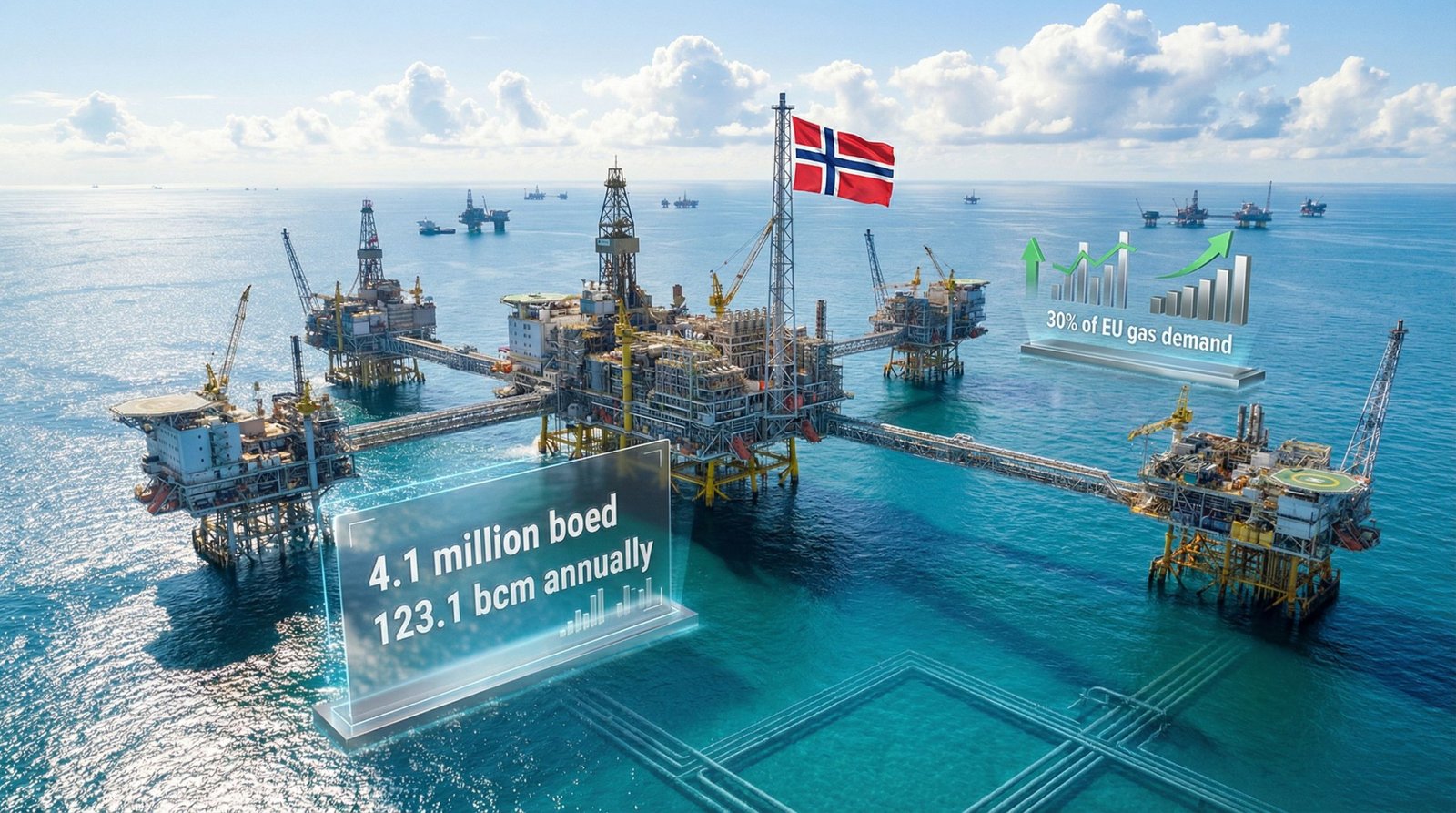
Norway is reinforcing its position as a key energy supplier to Europe, with officials confirming plans to maintain and expand offshore oil and gas production amid ongoing global instability linked to conflicts in Ukraine and the Middle East.
Norway’s energy policy, led by Energy Minister Terje Aasland, has taken a clear stance that the country will continue developing its continental shelf rather than scaling back fossil fuel extraction. Aasland said Norway has a “responsibility” to support European energy stability at a time when supply chains remain vulnerable to geopolitical disruptions.
The announcement comes as Europe continues to navigate energy insecurity triggered by the broader impact of the Russo-Ukrainian War and instability in Middle Eastern supply routes. Norway’s expanded production is increasingly seen as a stabilising factor for the continent’s energy markets.
Aasland confirmed that three previously closed gasfields off Norway’s southern coast—Albuskjell, Vest Ekofisk, and Tommeliten Gamma—will be reopened by the end of 2028. These fields had been shut down in 1998 but are now being revived to help maintain production levels and meet European demand.

The decision aligns with Norway’s long-term strategy of sustaining output from its extensive offshore sector. The country currently operates nearly 100 offshore oilfields, with additional developments expected in the coming years. The Norwegian Offshore Directorate projects continued expansion, potentially surpassing 100 active fields within two years.
Production levels remain substantial, with Norway producing around 2 million barrels of oil per day and supplying a significant share of Europe’s natural gas demand. Officials say output is expected to remain stable through the rest of the decade, supported by ongoing investment and exploration.
A major frontier for future development lies in the Barents Sea, in northern waters, where exploration activities continue despite environmental concerns. The region is considered strategically important for long-term energy security, with potential new discoveries extending production beyond existing North Sea reserves.
The state-owned energy giant Equinor plays a central role in maintaining Norway’s output levels. The company, in which the Norwegian government holds a majority stake, continues to invest heavily in offshore development, with annual investment plans projected to reach billions of dollars over the next decade.
Equinor has stated that its strategy focuses on sustaining production levels through new drilling, infrastructure expansion, and development of smaller offshore fields. The company’s output remains a major contributor to Norway’s sovereign wealth fund, one of the largest in the world.
However, the government’s decision has sparked criticism from environmental groups and political opposition parties. Climate activists argue that reopening old fields contradicts Norway’s environmental commitments and risks prolonging fossil fuel dependency at a time when global efforts are aimed at reducing carbon emissions.
Lars Haltbrekken of the Socialist Left party accused the government of ignoring expert environmental advice, describing the move as “greenwashing” and warning that vulnerable marine ecosystems could be placed at risk. Environmental agencies had previously advised against reopening the shut-down fields.
Despite criticism, Norwegian officials argue that energy security considerations outweigh the objections. Aasland stressed that European countries are increasingly dependent on stable external suppliers, particularly as alternative energy transitions remain uneven across the continent.
He also highlighted the economic importance of the energy sector within Norway itself, which supports more than 200,000 jobs. Maintaining employment stability, he said, is a key government priority alongside international energy obligations.
Norway’s tax system on oil and gas production remains among the highest globally, with a 78% taxation rate on industry profits. While this is often described as steep, industry leaders argue that the predictability of the system has made Norway an attractive destination for long-term investment.
According to Equinor executives, consistent taxation and regulatory frameworks have helped sustain investor confidence, enabling continued capital flow into offshore development projects. These revenues significantly contribute to Norway’s sovereign wealth fund, valued at over £1.5 trillion.

Economists at the Norwegian Offshore Directorate note that the country currently supplies around one-third of Europe’s gas consumption, making it a critical player in regional energy security. The long-term strategy, they say, is not only to maintain production but to extend the lifespan of existing fields through enhanced recovery techniques and new infrastructure.
This approach stands in contrast to policies in some neighbouring countries, including the United Kingdom, where new oil and gas exploration licences have been restricted as part of broader climate commitments. Norway, however, continues to pursue a dual strategy of energy production and gradual transition investments.
Industry analysts say the divergence reflects different national priorities: while some countries focus on rapid decarbonisation, Norway is emphasising energy security and economic stability while still investing in renewable technologies.
Terje Sørenes of the Norwegian Offshore Directorate noted that the country’s goal is to sustain production for as long as possible while ensuring that Europe’s energy supply remains reliable. He described Norway as a “cornerstone supplier” in the continent’s current energy architecture.
As geopolitical tensions continue to affect global energy markets, Norway’s role as a stable offshore producer is expected to remain central. For European governments balancing energy transition goals with immediate supply needs, Norway’s expanded production strategy is likely to remain both essential and controversial.
Related News:
 Capitalism ‘Suicidal’, Warns Petro at Climate Summit
 Canada Passes Carney’s First Budget in Tight Parliamentary Vote
 India’s Labour Law Overhaul Sparks Fierce Debate
 Carney’s Alberta Pipeline Deal Sparks Immediate Pushback
 Mark Carney Walks Diplomatic Tightrope on China Visit
 EU weighs response amid Greenland tariff crisis with Trump
 EU Says US Ties Have Suffered ‘Big Blow’ After Greenland Crisis
 Trump to Deploy “God Squad” Over Gulf Wildlife Protections
 Italian Town Buys Mussolini Villa to Keep Away Fascist Fans
 Hungary election: Orbán faces biggest test amid scandal
 Trump Slams UK Ties and Threatens To Rewrite Trade Deal
 Athens Mayor Moves to Tackle Overtourism Crisis
 Southeast Asia Turns to Russia Amid Energy Crisis
 US Calls Australia Media Law “Foreign Extortion”
 Oil Prices Surge Above $120 Amid Iran Blockade Fears
 Global order shifts amid Trump-era turmoil
 Trump approval plunges amid Iran war fears
 Trump Threatens UN Budget Cuts as US Pushes ‘Trade Over Aid’ Agenda
 Ceasefire Standoff Deepens in Ukraine War
 France Faces Record Presidential Crowded Race Amid Far-Right Surge
 Doomsday Clock Nears Midnight Amid Global Crises
 US Awaits Iran Reply on New Ceasefire Proposal
 Putin Declares Russia Victory at Scaled Victory Day Parade
 Beijing Becomes Centerstage for Global Diplomatic Ballet
 Hybrid village stores fight rural decline
 Hormuz Talks Near Critical Stage
 UK Pushes for New EU Goods Trade Deal
 Reeves Fights to Keep Treasury Role Amid Labour Turmoil
 Pope Meets Families in Italy Toxic Waste Zone
 Zelenskyy warns over Oreshnik threat as Kyiv hit
 Former ICC prosecutor condemns US sanctions
 Irish Gangland Figure Fails in Dublin Election Bid
 Hungary Targets Oligarchs with Proposed Landmark Wealth Tax
 Deadly Russian Air Raids Strike Across Ukraine
 Germany Summons Chinese Envoy Over Russian Troop Training
 Le Pen to Run for President Despite Embezzlement Conviction
 Europe Weighs Hormuz Navigation Fee Plan
 Ukraine Creates Long-Range Strike Command
 Venezuela Quake Death Toll Surpasses 4,000
 Wildfires Force Mass Evacuations in France And Spain
 Wildfires rage across Europe as hundreds arrested in France
 Burnham unveils £65m drought aid for farmers
 Trump’s UK Ambassador Urges North Sea Drilling to Strengthen US Ties
BBC to Apologise Over Edited Trump Speech Amid Backlash
Trump’s UK Ambassador Urges North Sea Drilling to Strengthen US Ties
BBC to Apologise Over Edited Trump Speech Amid Backlash
 Britain deploys RAF specialists to assist Belgium with drone threats
 Millionaires group urge Reeves to introduce wealth tax to ‘lift kids out of poverty’
 Greene Pushes Epstein Files Amid Trump Fallout
 Trump Deploys DHS to Charlotte in Major Arrest Operation
 December Run-Off in Chile as Election Produces No Winner
 Shadow Fleet at Sea: Europe’s Battle Against Illicit Oil Shipping
 Georgians Defy Government Crackdown After Year of Protests
 Starmer Says Labour’s Economic Plan Needs Years to Deliver
 Trump Fed bid heads to Supreme Court
 Pentagon Signals Reduced Role in Deterring North Korea
 UK and US Drop in Global Corruption Index Rankings
 Canberra Poster Seizure Sparks Free Speech Row
 Evo Morales Returns After Mysterious Absence
 Jacinda Ardern Moves To Australia Following Her US Fellowships
 Jacinda Ardern Move Sparks Kiwi Reflection
 Nick Greiner Warns Over Election Review Fallout
 Injured Mojtaba Khamenei Elevated as Iran Leader
 Gordon Brown urges court for crimes against children
 Oil Prices Jump After Trump Claims Iran Oil Hub Destroyed
 Pakistan Targets Militant Hideouts in Afghanistan
 Air Canada CEO Faces Outcry Over Recent Language Misstep
 Relationship with Trump may be beyond repair, Starmer warned
 Trump Brokers Landmark Lebanon Ceasefire Amid Regional Hopes
 UK Stands Firm on Falklands Amid US Rift
 Trump orders US troop pullout from Germany
 Silent Tracks: Rail Line Without Passengers
 Tough Fiscal Realities Await Next Scottish Government
 Global Conflict Hits Home As Bullock Warns Of Economic Pain
 Trump Announces 3-Day Russia–Ukraine Ceasefire Deal
 High Street Crisis: Fears Grow Over Post Office Closures
 Oil Markets Face ‘Red Zone’ Threat Amid Iran Crisis
 Albanese Defends Tax Reforms Amid Emotional Speech
 Discontent grows around Putin amid war strain
 Starmer Leadership Under Pressure After Setbacks
 Papal Visit Offers Political Lifeline to Spanish Premier
 Houthis Strike Saudi Arabia as Middle East Tensions Rise