Published: 09 May 2026. The English Chronicle Desk. The English Chronicle Online.
Tensions are escalating in professional tennis as top-ranked players increasingly confront the sport’s most powerful institutions over prize money distribution and revenue sharing, with growing talk of a possible boycott of the sport’s biggest tournaments.
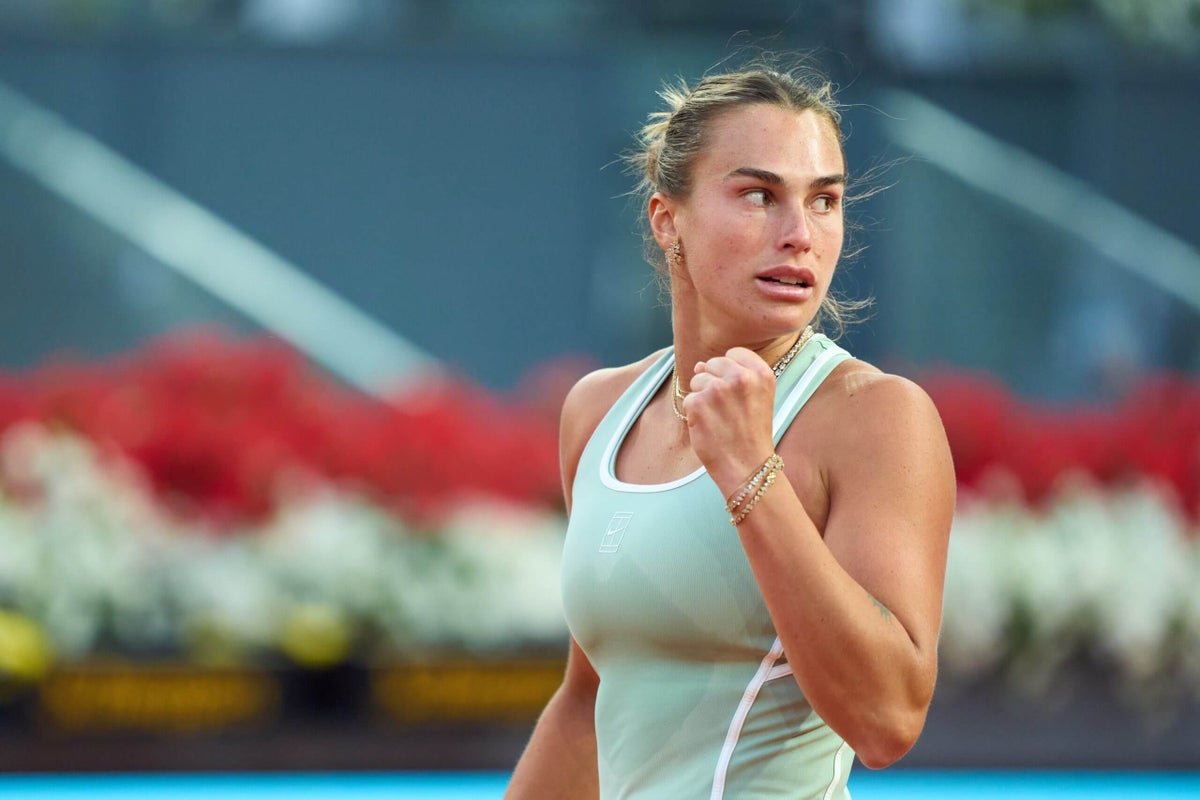
World No. 1 Aryna Sabalenka has intensified the debate by suggesting that players may eventually refuse to compete at Grand Slam events if their financial and governance concerns continue to be ignored. Her remarks come amid rising frustration among leading players over what they describe as a lack of meaningful engagement from tournament organisers.
The dispute centres on the four Grand Slam tournaments, which are collectively among the most profitable events in global sport. Players have long argued that the current revenue distribution model is unfair, with athletes receiving an estimated 13–15% share of tournament revenues, a figure they say does not reflect their central role in generating the sport’s global popularity.

The issue was formally raised in early 2025 when a group of leading players submitted a coordinated letter to Grand Slam organisers. Their demands included a higher percentage of revenue distribution, improved pension and welfare contributions, and the establishment of a structured player consultation council to ensure ongoing dialogue with decision-makers.
However, players have expressed frustration that, nearly a year later, they have received limited substantive response to key financial and governance proposals. This lack of engagement has fuelled growing tension between athletes and tournament authorities.
The issue has now reached a critical point, with several top players publicly uniting behind the cause for the first time. Statements from leading figures across both the men’s and women’s tours indicate a rare level of alignment on the issue of prize money and player representation.
Among those supporting the push for reform is world No. 1 Jannik Sinner, who recently criticised Grand Slam organisers for what he described as a lack of “respect” in failing to properly address player concerns. His comments reflect a shift from earlier reluctance among top players to engage publicly with the issue.
Similarly, Coco Gauff has advocated for a more structured approach to negotiations, emphasising the importance of using top players’ influence to represent the interests of lower-ranked athletes who rely heavily on tournament earnings for financial stability.
On the women’s side, world No. 1 Sabalenka’s remarks during the Italian Open marked a significant escalation in tone. She suggested that if negotiations fail, a boycott of Grand Slam events could become a realistic form of protest, stating that it may be the only way for players to secure meaningful change.
The most powerful tournaments in tennis—the Australian Open, Roland Garros, Wimbledon, and the US Open—have so far resisted issuing detailed public responses to the players’ demands. Organisers argue that their revenue models support broader tennis ecosystems, including infrastructure development and funding for national federations.
For example, Wimbledon contributes a significant portion of its surplus to the Lawn Tennis Association, supporting grassroots tennis development in the United Kingdom. However, critics argue that these financial flows do not justify the relatively low share allocated to players, who are the primary drivers of commercial success.
The debate highlights a long-standing structural tension within tennis, where players compete as independent contractors rather than unionised employees, limiting their collective bargaining power compared to athletes in other major sports leagues.
Despite growing frustration, analysts remain sceptical about the likelihood of an actual boycott. Top players earn substantial incomes from prize money, endorsements, and sponsorships tied directly to Grand Slam exposure, making withdrawal from these events a significant personal and professional risk.
Carlos Alcaraz previously indicated limited interest in the dispute, reflecting the diversity of opinions among elite players. However, the recent shift toward more unified messaging suggests growing momentum behind the push for structural reform.
Financially, the top players are among the highest-paid athletes in the world, with some, including Sabalenka, approaching lifetime earnings milestones exceeding tens of millions of dollars in prize money alone. Critics of the players’ position argue that their existing wealth weakens the moral force of their demands.

Nevertheless, supporters of reform argue that the scale of revenue generated by Grand Slam tournaments far exceeds current player compensation ratios. They contend that athletes remain the central product of the sport and should therefore receive a larger share of commercial returns.
The discussion has also exposed broader questions about governance in professional tennis, including transparency in decision-making, lack of formalised negotiation structures, and the absence of a unified player union with binding authority.
Industry experts suggest that unless meaningful dialogue begins soon, tensions could escalate further during upcoming tournaments, particularly if players continue to publicly align around the possibility of collective action.
For now, the threat of a boycott remains speculative. However, the unusually strong unity among top-ranked players has added new urgency to discussions that have long remained unresolved.
As attention turns toward the next Grand Slam season, organisers face increasing pressure to respond in detail to player concerns. Whether through compromise or continued confrontation, the outcome of this dispute could reshape the financial structure of professional tennis for years to come.
Related News:
 Geopolitical football: Iran, Trump and the World Cup clash
 Infantino Faces Russia Threat and Trump Concerns at Uefa Congress
 Abramovich Chelsea Sale Cash Faces Jersey Probe
 African World Cup Fans Face $15,000 Entry Bond Fee
 Teenage Titan: Sooryavanshi Smashes IPL Records
 LA 2028: Millions of Affordable Olympic Tickets Announced
 Italy Faces Third Successive World Cup Absence After Loss
 Turkey End Kosovo Dreams to Secure World Cup Return
 England’s Fragile Evolution Under Thomas Tuchel at Wembley
 Sam Konstas Dropped as Australia Unveils New Contract List
 Julián Alvarez: The Silent Rise of a Global Football Icon
 England Eye Landmark 500th Game Glory in Iceland
 FIFA Confirms Global Ban for Benfica Star Prestianni
 The Global Battle for Control Over the Women’s Game
 World Cup Ticket Price Surge Leaves Many National Teams Stunned
 Rashford Fires Barcelona to Glory in Historic El Clasico
 Ancelotti Sets High Bar for Neymar Ahead of World Cup
 Chaos at Valdebebas: Florentino Pérez Calls for Elections
 Afghan Women’s Cricket Dreams Remain Undimmed
 Captain in the Spotlight: The Future of England Cricket
 Tension Grips Mexico City Ahead of World Cup Opener
 Violence Tarnish World Cup Opener Outside Azteca Stadium
 World Cup Fury as Iran Coach Slams Fifa and US
 Tuchel’s England Mission Goes Beyond Football Success
 Iran Files Official Fifa Complaint Over World Cup Travel
 Historic Victory for Canada as They Defeat Nine-Man Qatar
 Heartbreak for Canada as Koné Suffers Horrific Injury
 Canada Secure Historic Last 16 Spot with Late Goal
 Paraguay Shock Germany in Historic Penalty Shootout
 Morocco Beat Dutch in Wild World Cup Penalty Drama
 France Dominate Sweden as Deschamps’ New Era Takes Shape
 Haaland Heroics Send Norway Into Historic Last 16 Knockout
 The Last Stand of English Cricket’s Greatest Partners
 Ramos Sends Portugal into the Last 16
 VAR Drama: Portugal Win in Thriller
 Swiss Star Manzambi Shines in World Cup Victory
 Norway’s Stunning World Cup Victory Over Brazil
 Spanish Late Winner Sends Ronaldo Into Final Sunset
 Belgium Thrashes USA After Red Card Controversy
 Ronaldo Says Farewell to the World Cup Stage
 China’s Football Dream: Can Amateur Leagues Spark Change?
 Egyptian Fury After Argentina World Cup Heartbreak
 England’s Historic Win Over India
 World Cup 2026 Power Rankings: England on the Rise
 Belgium Draws Global Support Before Spain Showdown
 Haaland and Bellingham: A Dortmund Bond Tested
 Spain Clinch Final Spot in Masterclass Victory Over France
 Saka Solidifies Role as Tuchel’s Key England Lieutenant
 Australia Face Big Changes as Cummins and Lyon Ruled Out of Ashes
 Aston Villa Remain Arsenal’s Key Obstacle in Title Pursuit
 Friedman Uninvited From 2024 Adelaide Writers’ Week
 Ben Stokes injury joke after brutal ball strike
 BBC World Cup Presenting Duties Shared Among Trio
 English Cricket Faces Moral Crisis Over Indian Investment
 New Zealand Covid Response Praised Despite Lingering Scars
 US and Iran Agree to Two-Week Provisional Ceasefire
 Security Alert Near Israeli Embassy as Police Investigate
 US-Iran Standoff: Will Trump Deploy Ground Troops?
 Investigation Into Anti-Trump Motives After Gala Shooting
 Scott Parker Leaves Burnley After Premier League Drop
 Arteta urges Arsenal to step up in Atlético semi-final
 RFU Backs Borthwick Despite England’s Poor Six Nations
 Scepticism and tight security as Beijing braces for Trump
 The Battle for Wembley Sparking Unprecedented Legal Warfare
 Tony Abbott Returns as New Liberal Party President
 Teaching Machines Right From Wrong in the Digital Age
 Oman Defies US Pressure Over Strategic Strait of Hormuz
 Is Ollie Robinson the Chaos English Cricket Needs Today?
 Ex-CIA Agent Accused of $40m Gold Theft and Fake Spy Unit
 Aukus Deal Facing Fierce Backing and Historic Criticism
 Tragic Loss of Australian Sprinter Jemma Stapleton
 Trump Urged to Condemn UFC Fighter Over Obama Slurs
 Russian Tanker Captain Remanded in UK Court After Channel Seizure
 US Military Pacific Boat Strike Kills Three People
 US Advance Past Bosnia in World Cup Thriller
 Trump’s Mount Rushmore Speech: A Divisive Anniversary
 Trump’s Red-Card Intervention Hurts the US World Cup
 Trump Swaps Planes Amid Iran Tensions
 Yemen Accuses Iran of Violating National Sovereignty
 Houthis Strike Saudi Arabia as Middle East Tensions Rise