Published: 09 May 2026. The English Chronicle Desk. The English Chronicle Online.
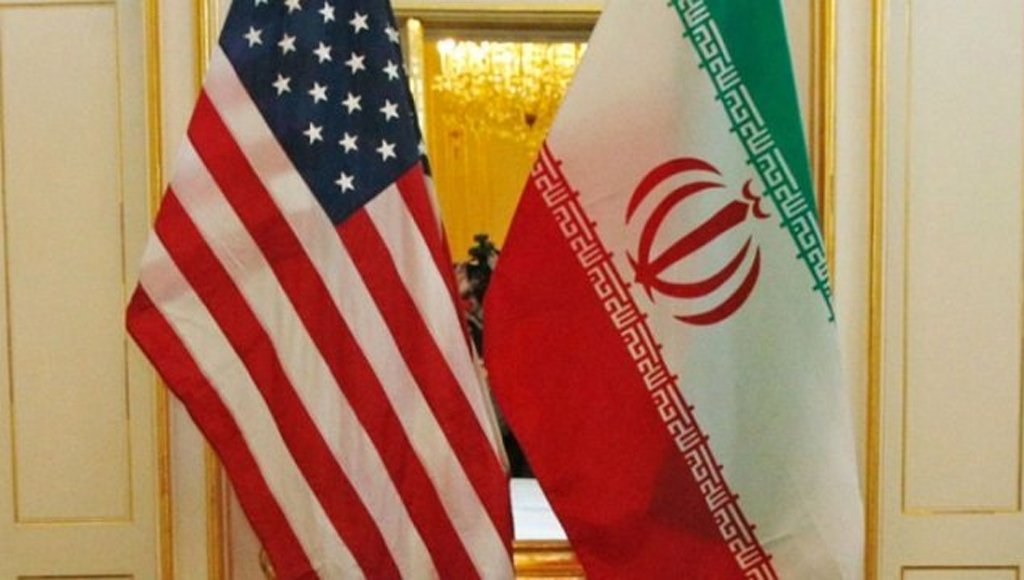
Diplomatic efforts to halt the widening Middle East conflict remain delicately balanced as the United States awaits Iran’s response to a proposed interim ceasefire agreement aimed at reducing hostilities across the Gulf region. The negotiations come amid renewed fighting around the strategically vital Strait of Hormuz, where naval clashes, missile exchanges and economic disruption have raised fears of a broader regional war with global consequences.
US Secretary of State Marco Rubio confirmed that Washington expects Tehran to respond to a ceasefire framework that could pave the way for formal negotiations between the two countries. Speaking during a diplomatic visit to Rome, Rubio expressed cautious optimism that Iran would provide what he described as a “serious offer” capable of opening a meaningful path toward de-escalation.
The proposal under discussion is believed to involve a formal 60-day ceasefire arrangement intended to freeze military operations while negotiations continue on wider disputes, including Iran’s nuclear programme, sanctions, maritime security and missile capabilities. Although neither side has publicly disclosed the full terms, diplomats familiar with the talks say the framework is designed as a temporary stabilisation mechanism rather than a permanent peace settlement.

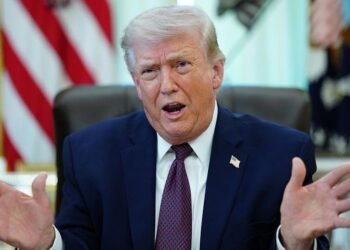
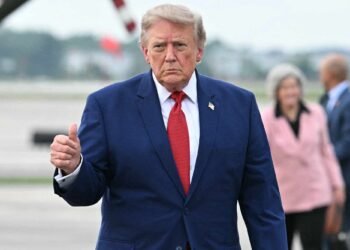
US President Donald Trump also confirmed that Washington was anticipating a formal message from Tehran. Speaking at the White House, Trump said he expected to receive communication from Iranian officials “very soon” and warned that failure to reach an agreement could trigger severe consequences. The president repeated threats of expanded military operations if diplomatic efforts collapsed, maintaining pressure on Iran while simultaneously presenting the ceasefire proposal as an opportunity for peace.
Despite ongoing diplomacy, the security situation in and around the Strait of Hormuz remains dangerously unstable. The narrow waterway, which normally carries around one-fifth of the world’s oil and liquefied natural gas supplies, has become the centre of escalating confrontations between Iranian and American forces. The route is regarded as one of the world’s most strategically sensitive maritime corridors, and any prolonged disruption threatens severe consequences for global energy markets and international trade.
Recent days have seen the most serious clashes since the informal truce announced last month. According to US military officials, American naval forces disabled two Iranian-linked tankers that allegedly attempted to breach the US blockade of Iranian ports. Washington said the blockade was intended to pressure Tehran economically while negotiations continue. Iranian officials, however, condemned the action as a direct violation of the fragile ceasefire and accused the United States of deliberately provoking instability.
Iranian Foreign Minister Abbas Araghchi sharply criticised Washington’s actions, accusing the United States of repeatedly undermining diplomatic opportunities through military escalation. Writing on social media, Araghchi claimed that every time diplomacy appears possible, the US resorts to what he described as “reckless military adventures.” He also asserted that Iran had not only restored its ballistic missile capabilities during the ceasefire period but expanded them, signalling Tehran’s determination to maintain strategic leverage in negotiations.
The military tensions have intensified concerns that miscalculation or accidental escalation could rapidly spiral into a wider regional conflict. US Central Command reported that Iranian forces launched missiles, drones and fast attack boats toward American warships operating in the Gulf. Although US officials said no vessels were hit, American forces responded by destroying incoming threats and carrying out retaliatory strikes against land-based military positions inside Iran.
Iranian authorities separately claimed that overnight US strikes hit an Iranian cargo vessel near the Strait of Hormuz, injuring several sailors and leaving others missing. While details surrounding the incident remain disputed, the episode added further strain to already fragile diplomatic contacts.
The conflict has also increasingly affected neighbouring Gulf states. The United Arab Emirates announced that its air defence systems intercepted ballistic missiles and drones launched by Iran toward Emirati territory. Authorities said at least three people were injured during the attacks and warned residents to avoid debris from intercepted projectiles. Iran has repeatedly targeted Gulf infrastructure throughout the conflict, including energy facilities and civilian locations, heightening fears that the war could destabilise the entire region.
The Strait of Hormuz has become central to Iran’s negotiating strategy. By threatening global energy supplies and maintaining the capacity to disrupt shipping routes, Tehran retains significant leverage despite mounting economic pressure from sanctions and naval restrictions. Analysts believe Iran views control over maritime access as one of its strongest bargaining tools in any future agreement with Washington.
The economic consequences of the conflict are already being felt worldwide. Oil prices have fluctuated sharply in response to developments in the Gulf, with fears of prolonged disruption driving volatility across international markets. Although optimism over a potential interim agreement briefly pushed global stock markets higher earlier this week, renewed clashes have again increased uncertainty. Brent crude prices climbed once more following reports of fresh fighting near the strait.
Pakistan has emerged as a significant intermediary in ongoing diplomatic efforts. Officials in Islamabad have reportedly facilitated communications between Washington and Tehran and remain hopeful that a negotiated breakthrough remains possible. Qatar has also intensified mediation efforts, with Prime Minister Sheikh Mohammed bin Abdulrahman al-Thani meeting senior US officials in Washington to discuss pathways toward de-escalation. The Qatari government has stressed the importance of dialogue and sustained diplomatic engagement to address the deeper causes of the crisis.
At the same time, fresh US sanctions targeting individuals and companies accused of supporting Iran’s military operations have complicated the diplomatic landscape. The sanctions, which include entities based in China and Hong Kong, were announced only days before Trump’s scheduled visit to Beijing. Observers believe the timing could further complicate regional and international negotiations involving multiple global powers.
Within Iran itself, divisions reportedly persist over how to approach negotiations with the United States. Some senior Iranian figures appear willing to continue talks in order to relieve economic pressure and stabilise the country’s finances, while others favour prolonging negotiations in the hope that shifting political dynamics in Washington could produce more favourable terms after the US midterm elections.

Regional diplomats warn, however, that Tehran risks overestimating its leverage. Some believe Iran currently has an opportunity to secure concessions while preserving claims of strategic resilience. If negotiations collapse and full-scale fighting resumes, Iran could face deeper economic isolation, expanded military strikes and worsening domestic hardship.
The conflict’s impact is also spreading beyond the Gulf. In neighbouring Lebanon, rising tensions between Israel and Hezbollah threaten to ignite another front. Israeli airstrikes on southern Beirut and continued cross-border exchanges have raised fears that regional instability could intensify further if US-Iran diplomacy fails. American officials confirmed that Washington plans to mediate new talks between Israel and Lebanon in an effort to prevent escalation.
As negotiations continue, the Middle East remains suspended between diplomacy and renewed war. The coming days are likely to determine whether the proposed ceasefire framework becomes the foundation for broader negotiations or collapses under the weight of mistrust, military escalation and competing geopolitical ambitions.
Related News:
 Hormuz Talks Near Critical Stage
 Southeast Asia Turns to Russia Amid Energy Crisis
 Trump approval plunges amid Iran war fears
 Trump Threatens UN Budget Cuts as US Pushes ‘Trade Over Aid’ Agenda
 Europe Weighs Hormuz Navigation Fee Plan
 Houthis Strike Saudi Arabia as Middle East Tensions Rise
 Canada Passes Carney’s First Budget in Tight Parliamentary Vote
 India’s Labour Law Overhaul Sparks Fierce Debate
 Trump to Recheck Green Cards from 19 Nations After DC Attack
 Carney’s Alberta Pipeline Deal Sparks Immediate Pushback
 Trump Escalates Minnesota Immigration Surge Amid Rising Tensions
 Greenland Faces Pivotal Summit Over Arctic Power Struggle
 Mark Carney Walks Diplomatic Tightrope on China Visit
 Trump Threatens Strong Action If Iran Executes Protesters
 Government Unveils Northern Powerhouse Rail Plans
 Trump Receives Machado’s Nobel Medal in White House Meeting
 Trump Fed bid heads to Supreme Court
 EU Says US Ties Have Suffered ‘Big Blow’ After Greenland Crisis
 Thousands Protest ICE Operations in Nationwide US Day of Action
 Epstein Files Reveal Trump Officials’ Emails with Financier
 Thousands Protest ICE in New York Against Trump Deportation Campaign
 Trump Praises ‘Terrific’ Petro After White House Talks
 Sanders Condemns Billionaire ‘Greed’ in California Tax Debate
 Clinton Testimony Erupts in Fiery Exchange
 Nine Killed in Karachi Consulate Protest
 UK Prepares Aircraft Carrier for Middle East Crisis
 Pete Hegseth Iran War Remarks Spark Alarm
 Trump to Deploy “God Squad” Over Gulf Wildlife Protections
 Can Congress Stop US Sports Teams From Moving Cities?
 Trump’s Harsh Rhetoric on Iran Sparks Global Alarm
 Trump Slams UK Ties and Threatens To Rewrite Trade Deal
 Iron Worker Challenges Trump Loyalist in Ohio
 Trump Faces Crisis as Iran Reopens Hormuz Tensions
 Charles Faces Trump Test in High-Stakes US Visit
 UK Stands Firm on Falklands Amid US Rift
 US Labor Department in turmoil after secretary resigns
 US Calls Australia Media Law “Foreign Extortion”
 Capitalism ‘Suicidal’, Warns Petro at Climate Summit
 Oil Prices Surge Above $120 Amid Iran Blockade Fears
 US Court Ruling Reshapes Voting Rights Landscape
 US states redraw maps after voting rights ruling
 Spirit Airlines shuts down after 34 years amid crisis
 Trump orders US troop pullout from Germany
 Judge halts deportation of Yemeni refugees in US
 Trump likens US Navy actions to ‘pirates’
 Giuliani hospitalised in critical condition
 Ohio’s Battle for Trust: Democrats Vying to Flip the Buckeye State
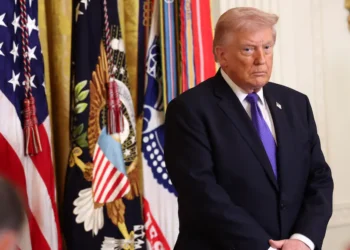 Trump warns Iran as Middle East tensions surge again
 Australia pushes Pacific security pact amid China tension
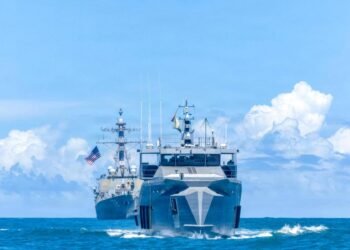 US ‘Narco Boat’ Strikes Draw Global Outcry
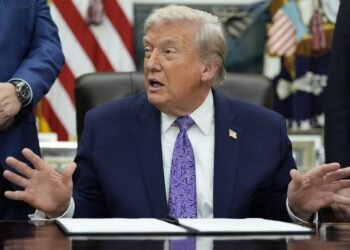 Indiana Republicans Defy Trump in Key Vote Test
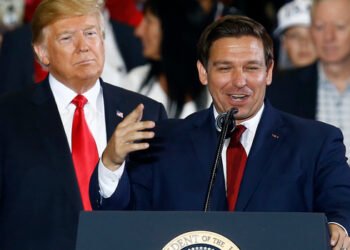 Ohio Primaries Set Stage for Crucial Midterms
 Afghan Families Left in Limbo Face Risk of Deportation
 Tensions Emerge in Netanyahu-Trump Alliance
 Norway Doubles Down on Oil and Gas for Europe Energy Security
 One Nation Stuns Australia With Historic Farrer Win
 Trump: Preventing Nuclear Iran Is ‘The Only Thing That Matters’
 Beijing Becomes Centerstage for Global Diplomatic Ballet
 UK Pushes for New EU Goods Trade Deal
 Reeves Fights to Keep Treasury Role Amid Labour Turmoil
 China mine blast death toll rises to 90
 Victoria Labor Launches Apprenticeship Expansion Plan
 Discontent grows around Putin amid war strain
 Former ICC prosecutor condemns US sanctions
 Gunman Killed After White House Security Shootout
 Trump Claims Iran Peace Deal Near Completion
 US Midterm Primaries: Democrats Target Key Republican Seats
 House Curbs Trump’s War Powers in Rare Rebellion
 Millions Gather for Khamenei’s Six-Day State Funeral
 Ukraine Creates Long-Range Strike Command
 Mystery Grows Over Mitch McConnell’s Health
 Trump Refuses to Sign Housing Bill, But Law Takes Effect
 Venezuela Quake Death Toll Surpasses 4,000
 Senate Halts Defense Bill Over Iran Clashes
 Trump Jokes, Jabs and Press Tensions at WHCA Dinner
 Taliban global ties grow as rights fears mount
 Israeli Strike in Southern Lebanon Kills Seven
 Is America Ready for an AOC Presidential Run?
 Five Years of Taliban Rule Leave Afghanistan in Crisis
 Trump dismisses concerns over 250-day carrier deployment