Published: 09 May 2026. The English Chronicle Desk. The English Chronicle Online.
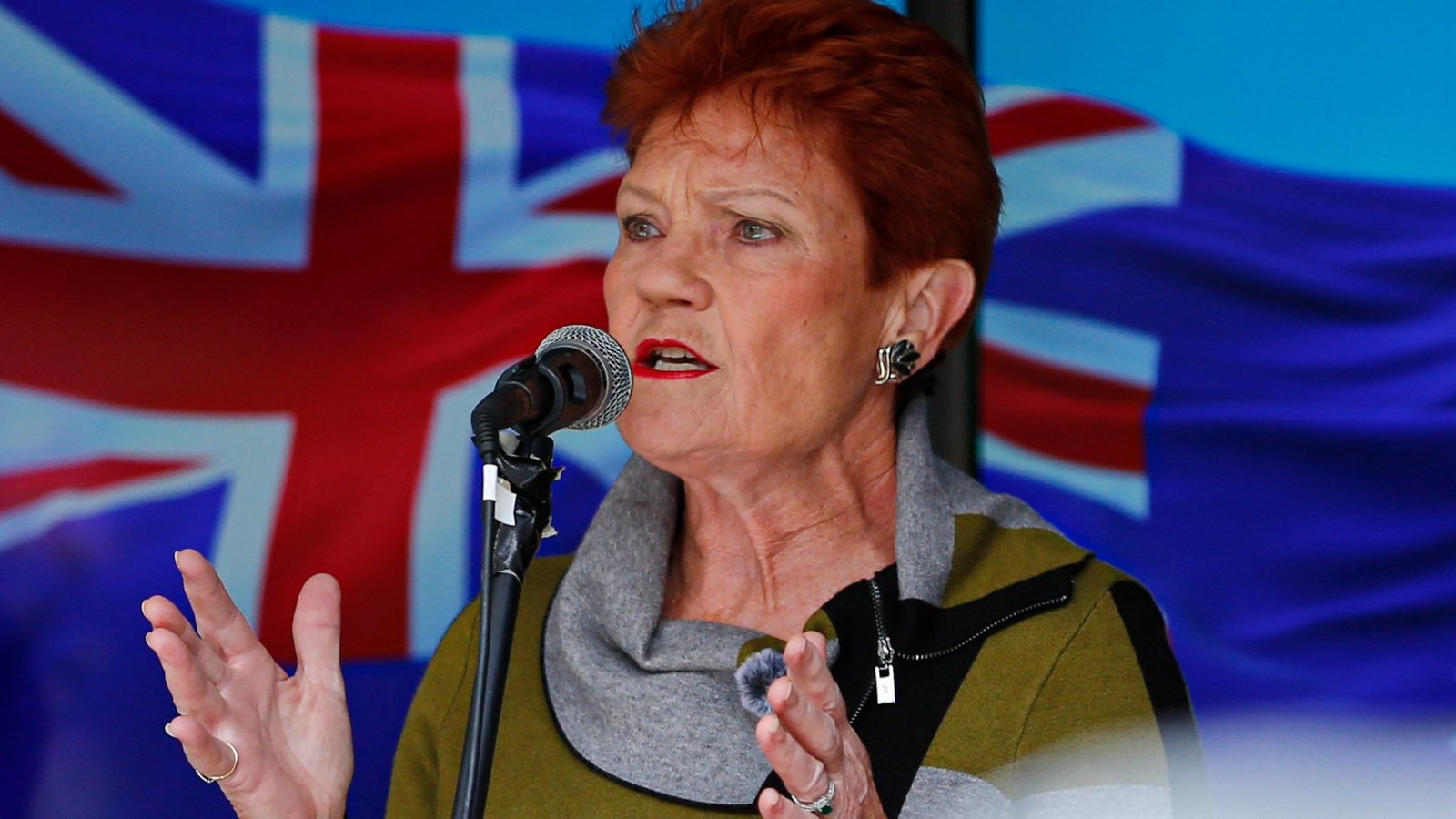
Australia’s political landscape has undergone a dramatic transformation after Pauline Hanson’s One Nation party secured its first-ever lower house victory, winning the closely watched Farrer byelection in a result that has sent shockwaves through the country’s major political parties.
The stunning victory marks a historic breakthrough for the right-wing populist movement, which has spent decades operating largely on the fringes of Australian politics despite periodically attracting significant national support. The result also represents a devastating blow for the Coalition, whose vote collapsed in one of its safest traditional strongholds.
David Farley, an irrigator and agribusiness consultant from regional New South Wales, emerged victorious on Saturday night after comfortably defeating independent candidate Michelle Milthorpe in the rural electorate of Farrer. The seat had been held by former Liberal leader Sussan Ley and had remained in Coalition hands throughout its entire 76-year existence.
Farley’s triumph is widely being viewed as a political earthquake because it demonstrates that One Nation’s growing popularity can now translate into direct parliamentary representation in Australia’s lower house. Until now, the party’s influence had largely been confined to the Senate and protest votes.

The byelection result has intensified concerns inside the Liberal and National parties, which are already struggling with declining support in regional Australia. Analysts believe the defeat could reshape conservative politics across the country and accelerate the fragmentation of Australia’s traditional political system.
Throughout election night, early results from small rural communities indicated a massive swing towards One Nation, while support for both Liberal and National candidates collapsed sharply. Independent Michelle Milthorpe also failed to maintain the momentum many observers had predicted earlier in the campaign.
Election analyst Antony Green noted before the final declaration that trends strongly favoured One Nation after preferences were distributed. While Milthorpe gained support in larger centres such as Albury, One Nation dominated smaller communities and regional booths where dissatisfaction with mainstream politics appeared strongest.
The Coalition’s poor performance exposed deep voter frustration in regional New South Wales, an area historically loyal to conservative parties. Political scientists say the result reflects broader anxieties over economic uncertainty, agricultural pressures, declining services and the perception that traditional parties no longer understand regional communities.
One Nation leader Pauline Hanson hailed the victory as a turning point for her movement. Hanson first entered federal parliament as an independent MP in 1996 before founding One Nation a year later. Despite years of controversy and fluctuating electoral fortunes, the party has now achieved what many once considered impossible.
The result further strengthens Hanson’s position as one of the most enduring and disruptive figures in Australian politics. Over recent years, One Nation has increasingly tapped into growing public anger over living costs, immigration, climate policies and distrust towards major political parties.
The Farrer byelection also underlined how dramatically Australian politics has shifted away from the dominance of Labor and the Coalition. Like many democracies around the world, Australia is witnessing the rise of populist and anti-establishment movements capable of challenging long-standing political structures.
One Nation’s momentum has been building steadily since last year’s federal election, with opinion polls consistently placing the party above 20 percent nationally. The Farrer result is the clearest indication yet that this support is translating into concrete electoral gains.
The outcome immediately sparked debate about future political alliances. Nationals frontbencher Bridget McKenzie openly suggested that the Coalition may eventually need to cooperate with One Nation in order to return to government.
Speaking after the result, McKenzie said she would be willing to work with any political force capable of removing Prime Minister Anthony Albanese from office and securing stronger outcomes for regional Australia. Her comments highlighted the growing pressure on conservative parties to reconsider their relationship with Hanson’s movement.
Independent MP Helen Haines strongly criticised the Coalition for preferencing One Nation above independent candidate Michelle Milthorpe, arguing the decision effectively paved the way for the populist party’s victory.
Milthorpe, who received backing from Climate 200 founder Simon Holmes à Court, campaigned on moderate regional policies and accountability in government. However, despite some urban support, she struggled to match One Nation’s momentum in smaller farming communities.
Political experts say the byelection demonstrates a profound shift in the political priorities of rural voters. Luke Mansillo, a political scientist at the University of Sydney, argued that many regional Australians increasingly feel abandoned by traditional political institutions and economic systems.
He suggested the rise of parties like One Nation reflects decades of frustration over disappearing opportunities, agricultural decline and younger generations leaving rural areas in search of better futures elsewhere.
Farley himself became a controversial figure during the campaign after reports surfaced revealing he had previously been associated with the Nationals and had at one point considered standing for Labor. Media investigations also uncovered earlier cooperation with independent political networks.
Despite the scrutiny, Farley maintained strong support throughout the campaign, positioning himself as a voice for ordinary regional Australians frustrated with mainstream politics.
One Nation tightly controlled media access during the campaign and reportedly blocked several news organisations from attending its election night function. Hanson has frequently clashed with journalists and critics whom she accuses of unfair coverage of her party.
Across polling stations in and around Albury, the election exposed sharp divisions among voters about Australia’s political future. Many One Nation supporters described the party as a necessary alternative to what they see as disconnected political elites.
Long-time One Nation voter John Lacovich said he supported Farley because he trusted Pauline Hanson and believed she spoke honestly about the country’s problems. Other voters praised the party’s focus on regional issues and criticism of immigration and economic policy.
Yet many residents also expressed concern about the rise of populist politics. Some independent and progressive voters warned that growing support for One Nation mirrored dangerous trends visible internationally, where political polarisation has intensified social divisions.
Healthcare, infrastructure and economic insecurity featured prominently in conversations with voters. Younger residents particularly expressed frustration over declining public services and uncertainty about the future of regional communities.

The byelection outcome leaves Australia’s political establishment facing difficult questions about voter trust and the future of regional representation. For the Coalition, losing Farrer after holding it for generations is likely to trigger internal debates about leadership, policy direction and electoral strategy.
Meanwhile, Labor is also watching closely as populist movements continue gaining traction among working-class and regional voters across the country.
For One Nation, however, the victory represents a historic moment decades in the making. What began as a protest movement led by a controversial outsider has now secured a permanent foothold in Australia’s lower house parliament.
Whether the breakthrough marks the beginning of a broader political realignment remains uncertain. But after the shockwaves delivered in Farrer, few in Australian politics can afford to dismiss One Nation any longer.
Related News:
 Andrew Hastie Emerges as Leadership Rival to Ley
 Nine Killed in Karachi Consulate Protest
 Southeast Asia Turns to Russia Amid Energy Crisis
 Australia pushes Pacific security pact amid China tension
 BJP Sweeps West Bengal in Historic Breakthrough
 US Awaits Iran Reply on New Ceasefire Proposal
 Hormuz Talks Near Critical Stage
 Discontent grows around Putin amid war strain
 Millions Gather for Khamenei’s Six-Day State Funeral
 Venezuela Quake Death Toll Surpasses 4,000
 Houthis Strike Saudi Arabia as Middle East Tensions Rise
 Taliban global ties grow as rights fears mount
 Seoul proposes historic peace talks to replace Korean War armistice
 Israeli Strike in Southern Lebanon Kills Seven
 Five Years of Taliban Rule Leave Afghanistan in Crisis
 BBC to Apologise Over Edited Trump Speech Amid Backlash
 Britain deploys RAF specialists to assist Belgium with drone threats
 US Justice Department Files Lawsuit Against California Over Partisan Voting Maps
 Greene Pushes Epstein Files Amid Trump Fallout
 Trump Deploys DHS to Charlotte in Major Arrest Operation
 December Run-Off in Chile as Election Produces No Winner
 Canada Passes Carney’s First Budget in Tight Parliamentary Vote
 Shadow Fleet at Sea: Europe’s Battle Against Illicit Oil Shipping
 Pentagon Officials in Ukraine to Discuss War End
 Venezuela Threatens Nobel Winner Machado with Fugitive Status
 Georgians Defy Government Crackdown After Year of Protests
 EU plans $105bn Ukraine aid using frozen Russian assets
 Liberal Turmoil Threatens Victorian Election Hopes
 Trump Policies Boost China’s Global Rise, Survey Finds
 Iran unrest slows under brutal crackdown and global tensions
 Pentagon Signals Reduced Role in Deterring North Korea
 Thousands Protest ICE Operations in Nationwide US Day of Action
 Starmer Condemns ‘Depraved’ Russian Strikes on Ukraine
 Herzog visit sparks protests across Australian cities
 UK and US Drop in Global Corruption Index Rankings
 Tarique Rahman’s Rise Toward Bangladesh’s Top Job
 Canberra Poster Seizure Sparks Free Speech Row
 Evo Morales Returns After Mysterious Absence
 AFP Reviews Pauline Hanson Comments
 Duterte ICC Hearing Begins Amid Defiance
 Trump Tariffs Threat Spark UK and EU Alarm
 The Dangerous Rise of Remigration Across Modern Europe
 Jacinda Ardern Moves To Australia Following Her US Fellowships
 US to offer passport services in West Bank settlements
 Jacinda Ardern Move Sparks Kiwi Reflection
 Nick Greiner Warns Over Election Review Fallout
 Iran Defiance Grows Amid US-Israel War Pressure
 Injured Mojtaba Khamenei Elevated as Iran Leader
 Gordon Brown urges court for crimes against children
 Oil Prices Jump After Trump Claims Iran Oil Hub Destroyed
 Pakistan Targets Militant Hideouts in Afghanistan
 Danish Election Deadlock Shakes Frederiksen’s Grip
 Air Canada CEO Faces Outcry Over Recent Language Misstep
 Pope Rebukes Leaders for War as Middle East Tensions Rise
 Army Probes Apache Flyover at Kid Rock’s Nashville Estate
 Relationship with Trump may be beyond repair, Starmer warned
 Italian Town Buys Mussolini Villa to Keep Away Fascist Fans
 Report Says Pezzullo Acted ‘Recklessly’ in Dealings
 Trump Employs Nixon’s Madman Theory Amid Iran Crisis
 Hungary election: Orbán faces biggest test amid scandal
 Suspected Plot Targets Pipeline Before Hungary Vote
 Trump Brokers Landmark Lebanon Ceasefire Amid Regional Hopes
 UK Stands Firm on Falklands Amid US Rift
 Oil Prices Surge Above $120 Amid Iran Blockade Fears
 Trump orders US troop pullout from Germany
 Trump approval plunges amid Iran war fears
 Ohio’s Battle for Trust: Democrats Vying to Flip the Buckeye State
 China Fireworks Factory Blast Kills 21 in Hunan
 US ‘Narco Boat’ Strikes Draw Global Outcry
 Afghan Families Left in Limbo Face Risk of Deportation
 Trump Announces 3-Day Russia–Ukraine Ceasefire Deal
 Tony Abbott Returns as New Liberal Party President
 Man killed in shark attack on Great Barrier Reef
 Starmer Leadership Under Pressure After Setbacks
 House Curbs Trump’s War Powers in Rare Rebellion
 Germany Summons Chinese Envoy Over Russian Troop Training
 New South Wales Premier Chris Minns Signals Tough Road Ahead for Labor
 Le Pen to Run for President Despite Embezzlement Conviction
 Ukraine Creates Long-Range Strike Command
 Le Pen’s Popularity Holds Despite Conviction