Published: 02 May 2026. The English Chronicle Desk. The English Chronicle Online
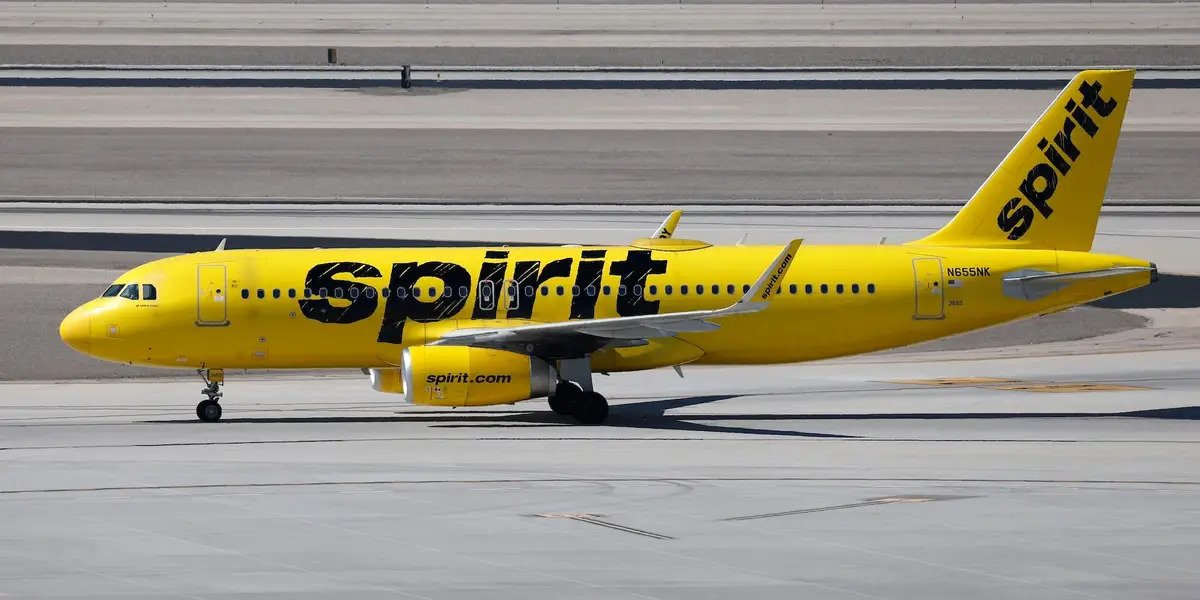
Spirit Airlines has ceased operations after more than three decades in the aviation industry, bringing an abrupt end to one of America’s best-known ultra-low-cost carriers. The airline confirmed it had begun an “orderly wind-down of operations” effective immediately, cancelling all flights and suspending customer services as financial pressures finally overwhelmed its ability to continue flying.
The announcement marks a dramatic collapse for a company that once symbolised budget air travel across the United States, Latin America and the Caribbean. Founded in 1983 as Charter One Airlines and later rebranded as Spirit Airlines, the carrier became widely recognised for its bright yellow aircraft, low base fares and an aggressive pricing model that separated ticket costs from additional services such as luggage, seat selection and onboard extras.
In its statement, the airline expressed regret over the outcome, saying it had hoped to continue serving passengers for many years. It also acknowledged its long-standing influence on the aviation sector, particularly in shaping the ultra-low-cost model that many competitors later adopted.

However, behind the scenes, Spirit had been facing escalating financial distress. Industry reports indicated the company had been struggling to secure fresh funding and negotiate with creditors as cash reserves dwindled. A reported rescue attempt involving discussions around government-backed support also failed to reach completion, leaving the airline without a viable path forward.
The collapse was accelerated by a combination of post-pandemic recovery challenges and sharply rising operating costs. While global air travel demand rebounded in recent years, Spirit reportedly struggled to regain strong passenger volumes at profitable levels. At the same time, volatile global oil markets pushed jet fuel prices higher, significantly increasing operational expenses for all carriers, but hitting low-cost airlines particularly hard.
The situation was further complicated by broader geopolitical tensions affecting energy markets, which contributed to sustained pressure on fuel prices. For a carrier operating on extremely thin margins, even modest increases in fuel costs created significant financial strain.
Efforts to stabilise the airline included high-level discussions in Washington over potential financial assistance. Reports suggested that officials had considered options such as a substantial federal loan package or other emergency support measures. At one point, there was even speculation that the government could explore a more direct intervention to preserve the airline and protect jobs.
Despite these discussions, no agreement was finalised. As negotiations stalled, confidence in the airline’s ability to continue operating weakened rapidly. Creditors reportedly concluded that restructuring efforts would not be sufficient to save the business in its current form.
Passenger disruption followed almost immediately after the shutdown was announced. Travellers attempting to book flights found availability removed or disabled, while existing customers flooded social media platforms seeking clarity about refunds and alternative arrangements. With the airline ceasing customer service operations, uncertainty spread quickly among passengers holding future reservations or travel credits.
Other US airlines have indicated they may step in to assist affected passengers where possible, though the full scale of disruption remains unclear. Aviation analysts warn that the sudden exit of a major budget carrier could place additional pressure on ticket prices, particularly on domestic routes where competition is reduced.
Spirit Airlines had already been under scrutiny in recent years following a failed merger attempt with JetBlue Airways. That proposed $3.8 billion deal was blocked on antitrust grounds, with regulators arguing it could reduce competition and negatively impact consumers. The decision was seen at the time as a major setback for Spirit’s long-term survival strategy.
Following that ruling, the company’s financial position became increasingly fragile. While demand for air travel remained relatively strong in the broader US market, Spirit struggled to differentiate itself in a rapidly changing industry where fuel costs, labour expenses and aircraft leasing prices continued to rise.
Analysts have long noted that ultra-low-cost carriers depend heavily on volume and strict cost control. Any sustained disruption in demand or increase in operational expenses can quickly destabilise their business model. In Spirit’s case, both factors appear to have converged at a critical moment.
The airline’s closure also raises concerns about wider consolidation in the US aviation sector. With fewer budget carriers in operation, competition may decrease on certain routes, potentially leading to higher fares for consumers. Economists warn that the loss of a major low-cost player could reshape pricing dynamics, especially for price-sensitive travellers who rely on budget airlines for domestic and regional travel.

Spirit’s workforce, estimated at around 17,000 employees, now faces uncertainty as the wind-down progresses. The company has not yet released detailed information regarding severance arrangements or employee transition support, though such measures are typically handled during formal liquidation processes.
Founded over 40 years ago, Spirit grew from a small charter operation into a major low-cost network serving hundreds of daily flights at its peak. Its business model, while often criticised for additional fees and reduced onboard amenities, played a significant role in reshaping consumer expectations around air travel pricing.
As the airline exits the market, industry observers say its legacy will remain a defining part of modern aviation economics. However, its collapse also highlights the vulnerabilities of low-cost carriers operating in an environment of rising costs, regulatory challenges and unpredictable global events.
For now, Spirit Airlines’ operations have come to a complete halt, leaving behind unanswered questions for passengers, employees and the broader aviation industry about what comes next in an increasingly concentrated airline market.
Related News:
 US Awaits Iran Reply on New Ceasefire Proposal
 Severn Trent CEO Reward Package Doubled Despite Public Anger
 New Investment ‘Trump Accounts’ Launch for US Children
 Weight-Loss Drugs Transform Fashion Shopping Habits
 Trump Refuses to Sign Housing Bill, But Law Takes Effect
 EasyJet Takeover Sparks Fears Over Passengers’ Future
 Government Unveils Northern Powerhouse Rail Plans
 Trump Fed bid heads to Supreme Court
 Sanders Condemns Billionaire ‘Greed’ in California Tax Debate
 Global markets face turmoil as Hormuz crisis deepens
 Wealthy Britons Flee Gulf War but Avoid UK Taxes
 UniCredit’s Bold Move to Reshape European Banking
 UK Wage Growth Slows as Jobs Market Holds Firm
 Oil and Gas Prices Surge Amid Iran-Israel Attacks on Gasfields
 Can Congress Stop US Sports Teams From Moving Cities?
 City Firms See Sharpest Fortune Reversal in Thirty Years
 Student Loan Interest May Rise Despite 6% Cap
 Europe EV Demand Surges as Fuel Prices Rise
 Iron Worker Challenges Trump Loyalist in Ohio
 Carmakers Face £3bn Gap in UK Loan Payout Scandal
 US Labor Department in turmoil after secretary resigns
 Albanese Rejects Gas Export Tax Push
 $13bn World Cup Set to Break All Revenue Records
 BBC News Faces Deep Cuts in 2,000 Job Plan
 New UK advice scheme to boost savings and investing
 Trump’s Approval Hits Record Low Amid Economic Crisis
 Trump approval plunges amid Iran war fears
 Trump Threatens UN Budget Cuts as US Pushes ‘Trade Over Aid’ Agenda
 City & Guilds Faces Governance Crisis Over Sale
 US Senate Moves to Confirm Kevin Warsh as Fed Chair
 Trump: Preventing Nuclear Iran Is ‘The Only Thing That Matters’
 Kevin Warsh sworn in as Fed chair amid economic backlash
 Hormuz Talks Near Critical Stage
 Reeves Fights to Keep Treasury Role Amid Labour Turmoil
 Victoria Labor Launches Apprenticeship Expansion Plan
 UK rejects EV charging VAT cut amid Treasury clash
 UK firms accused of ‘AI washing’ boom
 Nationwide Faces Governance Scrutiny Ahead of AGM
 Hungary Targets Oligarchs with Proposed Landmark Wealth Tax
 Is JD Vance the Ultimate Fall Guy for Trump’s Shaky Iran Deal?
 Apollo Launches £5.7bn Bid for Aviation Giant easyJet
 Europe Weighs Hormuz Navigation Fee Plan
 Weight-Loss Drugs Offer Food Savings Mainly to High Earners
 Reeves Faces Setback as Labour May Miss Homes Target
 Trump’s UK Ambassador Urges North Sea Drilling to Strengthen US Ties
 Ryanair Chief UK Economy ‘Doomed’ Under Labour
 M&S Profits More Than Halve After Cyber-Attack
 Millionaires group urge Reeves to introduce wealth tax to ‘lift kids out of poverty’
 From Lego to Pokémon: How Adults Are Driving UK Toy Market Growth
 Starmer Says Labour’s Economic Plan Needs Years to Deliver
 Starmer Faces Parliamentary Battles Over UK-EU ‘Reset’ Plan
 Federal Immigration Shift: Officers Leave Louisiana for Minneapolis
 Trump press secretary attacks reporter over ICE question
 ScottishPower Tops List of Worst UK Energy Suppliers
 UK Unemployment Rate Climbs to 5.2% Peak
 Rising Costs Force Families to Rethink Days Out
 US and Iran Agree to Two-Week Provisional Ceasefire
 Trump Signals Hope for New Iran Talks as Ceasefire Fades
 Central Bank Chiefs Hold Crisis Simulation in Washington
 UK Staycations Rise as Travel Fears Grow
 Former Brexit Chief Calls for Rejoining the EU
 Investigation Into Anti-Trump Motives After Gala Shooting
 Tough Fiscal Realities Await Next Scottish Government
 US ‘Narco Boat’ Strikes Draw Global Outcry
 Aramco Surges as East-West Pipeline Counters Gulf Tensions
 High Street Crisis: Fears Grow Over Post Office Closures
 UK Firms Freeze Spending as Iran Conflict Bites
 Reeves to Fast-Track Clean Energy Amid Iran Crisis
 Oil Markets Face ‘Red Zone’ Threat Amid Iran Crisis
 Belfast Approves Pilot Extension of Sunday Trading Hours
 Tube Strike Brings Capital to a Standstill Over Shift Disputes
 BP Stands Firm on Amanda Blanc Amid Boardroom Storm
 UK House Prices Drop For Third Month Due To War Fears
 Trump Urged to Condemn UFC Fighter Over Obama Slurs
 US Military Pacific Boat Strike Kills Three People
 Sainsbury’s Boss Optimistic As Grocery Inflation Eases
 US Courts Back Trump on Park Signage Removals
 Trump’s Mount Rushmore Speech: A Divisive Anniversary
 US Airman Avoids British Court in Indecent Exposure Case
 Houthis Strike Saudi Arabia as Middle East Tensions Rise