Published: 02 May 2026. The English Chronicle Desk. The English Chronicle Online
A major breakthrough in global child health has been announced after the World Health Organization approved the first-ever malaria treatment specifically designed for newborn babies, marking what experts are calling a “major public health milestone” in the fight against one of the world’s deadliest diseases.
The treatment, known as Coartem Baby, has received prequalification from the World Health Organization (WHO), confirming that it meets international standards for quality, safety, and effectiveness. The approval is expected to allow rapid rollout across malaria-endemic regions, particularly in sub-Saharan Africa, where the disease remains a leading cause of infant and child mortality.
Malaria continues to pose a severe global health threat, with an estimated 610,000 deaths recorded in 2024 alone. According to health data, around three-quarters of those deaths occurred among children under the age of five, most of them in Africa. In some regions, up to 18% of infants under six months are believed to contract the disease.

Until now, babies suffering from malaria have typically been treated with medicines designed for older children, increasing the risk of incorrect dosing and potentially harmful side effects. Health experts have long warned that the lack of infant-specific treatment created a dangerous gap in global malaria care.
Coartem Baby has been developed to address that gap. The treatment can be safely used in infants weighing as little as 2kg (4.4lb) and comes in a sweet cherry-flavoured tablet form that can be dissolved in liquid, including breast milk, making it easier to administer to newborns.
The medicine contains a combination of two antimalarial compounds, artemether and lumefantrine. It was jointly developed by pharmaceutical company Novartis and the Medicines for Malaria Venture (MMV), a global non-profit partnership focused on malaria research and treatment development.
Dr Tedros Adhanom Ghebreyesus, director-general of the WHO, described the approval as a turning point in global health efforts. He said that for centuries malaria had devastated families and communities, but advances in treatment, vaccines, and prevention tools were now beginning to change that trajectory.
Medical experts involved in the development of Coartem Baby said the approval corrects a long-standing misconception that very young infants were naturally protected from malaria due to immunity passed from their mothers. Recent research has shown that newborns are, in fact, vulnerable to infection and require dedicated treatment.
Dr Martin Fitchet, chief executive of MMV, called the decision a “major public health milestone”, noting that infants had historically been excluded from effective malaria treatment options because existing medicines were not designed for them.
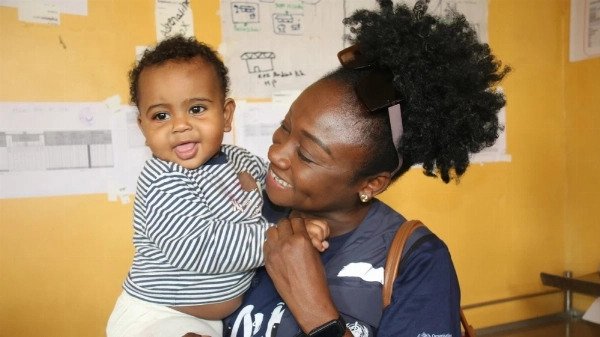
The urgency of the breakthrough is underscored by real-world cases in malaria-endemic countries. In Ghana, early access to the treatment has already begun. One infant, known as Baby Wonder, received Coartem Baby at just 12 weeks old after being hospitalised with a high fever and confirmed malaria infection. Doctors reported that the child recovered successfully following treatment.
Healthcare workers in affected regions say the availability of a safe infant formulation will significantly improve clinical outcomes. Dr Emmanuel Aidoo, a paediatrician at Methodist Hospital in Ankaase, Ghana, said the new drug provides much-needed confidence for doctors treating newborns with malaria for the first time.
“Having a treatment designed specifically for infants changes everything,” he said, highlighting how previously medical teams often had limited guidance when treating very young patients.
The pharmaceutical company Novartis has stated that it plans to make Coartem Baby available on a largely not-for-profit basis in regions where malaria is most prevalent, a move expected to increase access in low-income countries.
Global health organisations have welcomed the development as part of a broader shift in malaria control, alongside advances in vaccines, diagnostic tools, and next-generation mosquito nets. Together, these interventions are helping to reduce infection rates in some of the world’s most vulnerable populations.
Supporters of the programme also point to the importance of continued funding and international cooperation. The Medicines for Malaria Venture has received backing from multiple global donors, including the Gates Foundation, which has long supported malaria research and child health initiatives.

Health experts caution, however, that while the approval is a major step forward, malaria remains a persistent global challenge. Climate conditions, mosquito resistance, and gaps in healthcare infrastructure continue to complicate eradication efforts, particularly in rural and low-resource settings.
Nevertheless, the introduction of an infant-specific treatment represents a significant advancement in addressing one of the most overlooked areas of malaria care. By closing the treatment gap for newborns, health officials hope to reduce mortality rates further and strengthen long-term control of the disease.
As countries prepare to roll out Coartem Baby in national health systems, the WHO says the focus will now shift to ensuring equitable access, training healthcare workers, and integrating the new treatment into existing malaria programmes.
For millions of families in high-risk regions, the development offers renewed hope that even the youngest and most vulnerable children will finally have access to safe and effective malaria treatment.
Related News:
 New Bacteria Discovery Offers Hope Against Noma
 Ebola outbreak in DRC overwhelms health system as cases surge
 How Bringing Forests Into Preschools Boosts Children’s Health
 UK Water Firms Ordered to Act Over ‘Forever Chemicals’ Threat
 Experts Urge Legal Right to Timely Cancer Care
 Patients to Test Health at Home to Ease NHS Winter Pressure
 North Sea oil workers must lose weight or face job loss
 No link found between paracetamol in pregnancy and autism
 NHS frontline staff forced to cover gaps as managers remain scarce
 New Research Explains Severe Diabetes in Children
 Working-Class Men with Prostate Cancer Left Behind by NHS
 New AI tool could cut wasted efforts in organ transplants
 From Baby Teeth to Bioengineering: The Future of Self-Healing Teeth
 Healthy Habits in Your 30s That Boost Life in Your 70s
 Coffins Now Too Large to Cremate Amid Rising Obesity Crisis
 Thinktank Urges Smaller Hospitals to End NHS ‘Permacrisis’
 NHS paediatric leave parents waiting months for answers
 Google Removes Some AI Health Summaries Over Safety Concerns
 AI Transforms Lung Cancer Detection in NHS Trial
 Genes May Hold the Secret to Long Life, Scientists Find
 AI breast screening cuts later cancer diagnoses by 12%, study finds
 Autistic Girls Often Missed in Childhood Diagnoses, Study Finds
 Baby rhythm sense found in newborn brains
 Most Statin Side-Effects Are Not Caused by Drugs, Study Confirms
 Reading Habits Linked to 40% Lower Dementia Risk
 Mind AI inquiry sparks mental health safety debate
 Ayahuasca Psychedelic DMT Shows Potential as Depression Therapy
 US Accused of Exploitation Over Zambia Health Aid
 Zorevunersen Breakthrough for Dravet Syndrome
 Cancer Death Rate in Britain Falls by Nearly a Third
 Taking Multivitamins Daily Could Slightly Slow Ageing, Study Finds
 Social Media Giant Trial Reaches Final Jury Decision
 ‘Drinking from a Fetid Pond’: Superbug Genes in Lough Neagh
 Meningitis Cases in Kent Outbreak Rise to 27
 Sperm Struggles in the Final Frontier of Space
 Gene Therapy Wins Major Prize for Restoring Vision
 FDA Chaos Deepens as Trump Eyes Makary Exit
 Study Launches Into Brain Injury Risks in Women’s Rugby
 UK to Expand Prostate Cancer Trials for Black Men
 NHS Approves Landmark Ovarian Cancer Drug
 The Mystery Behind Why Humans Prefer Walking Anticlockwise
 Failing Systems: The UK Stem Cell Crisis Exposed
 Oura Ring 5 Review: A Massive Leap for Smart Rings
 Deadly H5 Bird Flu Reaches Australia’s East Coast
 Weight-Loss Drugs Offer Food Savings Mainly to High Earners
 Virgin Trains Moves Closer to Challenging Eurostar Monopoly
 UK Bans Fake Numbers: Scammers Lose Their Trick
 Vibe coding’ named Collins dictionary’s word of the year
 Britain deploys RAF specialists to assist Belgium with drone threats
 Reeves rejects £1bn plea for NHS redundancy payouts
 Northern Lights may illuminate UK skies this week
 Stroke Patient Mistaken for Drunk, Care Delayed
 Sundar Pichai Cautions on AI Hype and Market Risks
 Five-Year-Old Dies After Rare Tonsil Surgery Complication
 EU launches Grok AI probe into X over explicit images
 ABC Facebook Page Briefly Hacked, Adult Photos Posted
 Meta trial over child exploitation claims begins
 Streeting moves on doctor pay to end strike dispute
 UK reports baby formula toxin poisoning cases across the country
 BT Names New Openreach Chief Amid Major Fibre Expansion
 Tech Trends Set to Transform Life in 2026
 Placenta Accreta Warning as Hunt Urges Action
 Stewart Brand on Musk, Bezos and a Life of Long Thinking
 New Zealand Covid Response Praised Despite Lingering Scars
 The Kill Line: A Shifting Vision of the American Dream
 Palantir Boss Defends NHS Deal Amid Government Break Clause
 Unions Raise Concerns Over Doctors’ Pay Dispute
 Artemis II Returns After Historic Moon Flyby
 UK Banks to Deploy Controversial Mythos AI Tool Next Week
 Crisis in NHS Surgery Scheduling Hits Patients Hard
 Britain’s Health Decline: A Growing National Concern
 UK Experts Urge Four-Day Week to Combat National Obesity
 Pope Meets Families in Italy Toxic Waste Zone
 Record Spending Highlights Growing Crisis In National Health Service
 Stolen Mobiles Could Soon Become Useless Bricks
 Clean Air Initiatives Spark Major Fall in London Hospital Admissions
 NHS Urges Investigation For Irregular Periods
 Sydney Records Hottest June Since 1859 as Expert Warns New High a ‘Signature’ of Global Warming
 Telstra Software Fault Triggers Massive Nationwide Outage
 UK Schools Struggle as Classrooms Top 40C