Published: 13 April 2026. The English Chronicle Desk. The English Chronicle Online.
The British government has finally confirmed a historic shift for school dining halls across England today. This sweeping overhaul represents the first major update to nutritional standards in over thirteen long years now. Ministers aim to tackle rising childhood obesity rates with these strict and very ambitious new rules. Recent NHS data suggests that nearly a quarter of young children are currently living with obesity. Education Secretary Bridget Phillipson describes this move as a truly generation defining moment for our schools. She believes every single child deserves delicious and nutritious food that helps them learn and thrive. The new standards will ensure that healthy meals on paper actually reach every student’s plate.
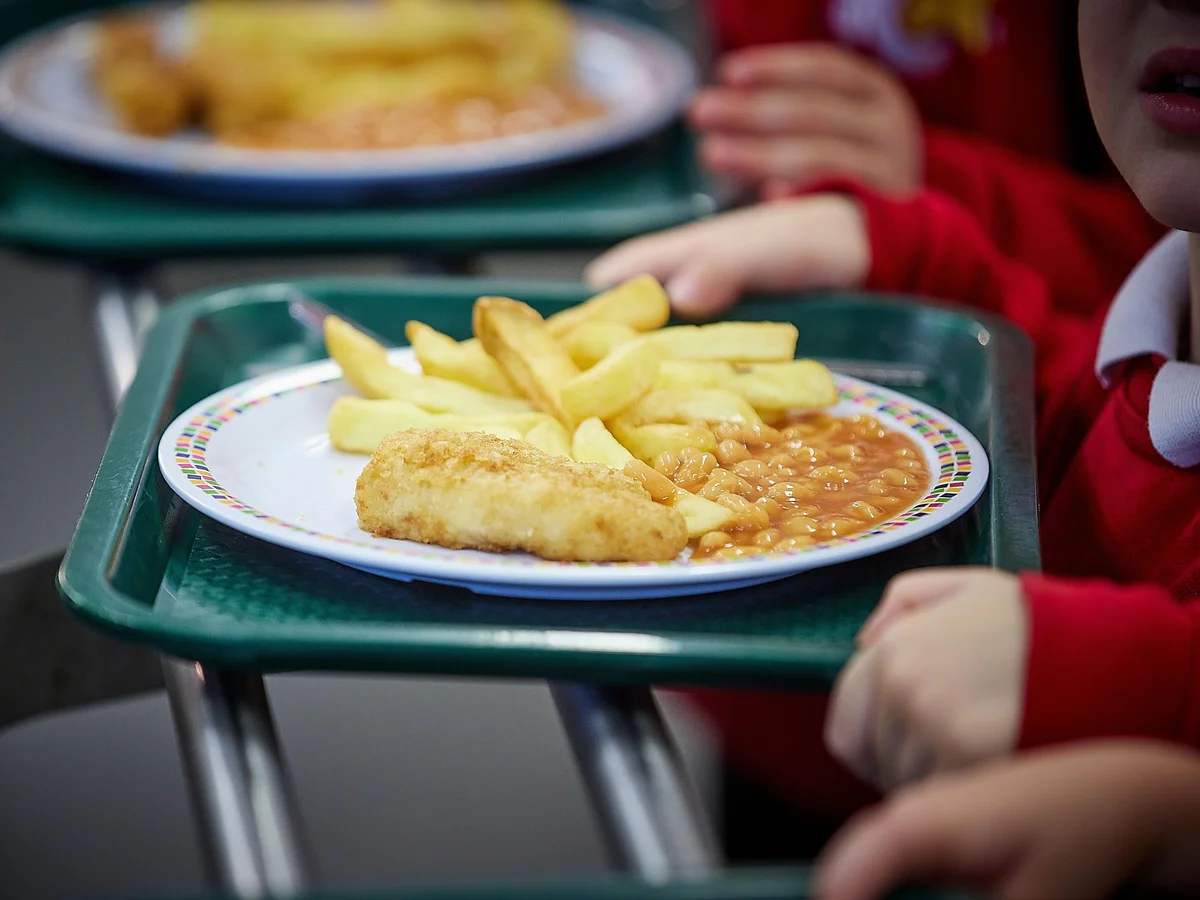
Traditional favorites like battered fish and chicken nuggets will disappear from school lunch menus very soon. Deep fried items are being completely banned to reduce the consumption of unhealthy fats and oils. This represents a significant departure from previous rules which allowed two fried portions every single week. The government wants to move away from a culture of convenience toward fresh and wholesome cooking. Even classic desserts like steamed sponges and jam doughnuts face a very uncertain future in schools. New regulations mandate that all puddings must consist of at least fifty per cent real fruit. This specific change is scheduled to take full effect across the country by September of 2027.
Henry Dimbleby helped create the previous food plan and sees this as a rare reset opportunity. He argues that proper monitoring is essential to ensure schools actually follow these strict new guidelines. Success depends entirely on a shared commitment from the government and local school leadership teams alike. Dimbleby believes that better food will eventually lead to much higher academic outcomes for all children. Parents should feel confident that the lunch served at school supports their child’s long term health. A new normal is beginning where nutrition takes priority over cheap ingredients and rapid service speeds. This policy aims to protect the physical well being and future success of every British student.

Several leading food organisations have joined forces to support schools through this massive transition period today. The School Food Project will provide practical help to kitchens as they adapt to these rules. This initiative includes famous groups like School Food Matters and the influential Jamie Oliver Food Group. They have already raised over two million pounds to help schools upgrade their current cooking facilities. The project officially launches later this year to coincide with the publication of the final standards. These experts want to ensure that every school cook has the skills to prepare healthy meals. Collaborative efforts will help bridge the gap between high government expectations and daily kitchen realities.
Celebrity chef Jamie Oliver has campaigned for better school food for more than twenty years now. He is delighted that the current government is finally taking enforcement of these standards very seriously. Oliver famously noted that dog food once had higher quality standards than many school dinner options. He views the school catering system as the most important restaurant chain in the entire country. Schools provide a massive two thirds of a child’s daily diet during the busy term time. This presents a unique and powerful opportunity to improve public health on a truly national scale. Oliver remains a vocal advocate for giving children the very best start in their young lives.
D’Arcy Williams is the leader of Bite Back and she welcomes this long overdue policy step. She notes that three quarters of parents are currently worried about what their children are eating. The old system lacked the accountability needed to protect children from high sugar and fat diets. Many schools drifted toward a grab and go culture where speed mattered more than actual nutrition. Williams argues that the scale of the health challenge facing our youth cannot be ignored anymore. Consistency is the key to ensuring that every child benefits from these life changing nutritional updates. These changes represent a vital victory for campaigners who have fought for healthier schools for years.
The government intends to implement these changes in phases to allow schools enough time to prepare. Local authorities will receive guidance on how to source fresher ingredients from local British farmers and suppliers. By prioritizing fresh produce, schools can support the domestic economy while feeding the next generation better. Some critics worry about the rising costs of fresh ingredients compared to cheaper processed food items. However, the long term savings for the NHS could be worth billions of pounds in the future. Investing in child health today prevents many chronic illnesses from developing in our adult population later. This policy is a bold statement about the kind of future England wants for its children.
Headteachers across the country are now reviewing their current catering contracts to meet the new legal requirements. Many schools will need to invest in new steaming equipment to replace old deep fat fryers. Kitchen staff will also require additional training to prepare fruit based desserts that children actually enjoy. The challenge is making healthy food look and taste just as appealing as the old classics. Educators know that a hungry or poorly nourished child cannot focus on complex classroom lessons easily. Better food leads to better behavior and improved concentration levels throughout the long school afternoon. This holistic approach links the dining hall directly to the success of the classroom environment.

Public reaction to the ban on fried chips and sponges has been largely positive among health experts. They argue that the school environment must be a safe haven from the lure of junk food. With childhood diabetes on the rise, reducing sugar in puddings is seen as a critical move. The shift toward fruit based sweets will help retrain young palates to enjoy natural sweetness instead. While some students may miss their nuggets, the promise of higher quality meals is very exciting. Change is often difficult but the health of the nation’s children must always come first today. These reforms mark the beginning of a much healthier relationship between British children and food.
As September approaches, the eyes of the nation will be on school kitchens across the whole country. Success will be measured by the health and happiness of students as they try new menus. The government has promised that these standards will be backed by a very robust compliance regime. No longer will good intentions stay on paper while poor food remains on the plastic tray. This is a promise to every parent that their child’s health is a national priority. The era of the deep fried school dinner is finally coming to a definitive end. England is ready to embrace a fresher and more nutritious future for its youngest citizens.
Related News:
 How Bringing Forests Into Preschools Boosts Children’s Health
 London’s Childlessness Crisis: Schools Closing as Families Shrink
 No link found between paracetamol in pregnancy and autism
 Scottish Families Take Legal Action Over School CO Leak
 NHS Safety Fears as Nurses Cover Doctor Gaps
 Study Launches Into Brain Injury Risks in Women’s Rugby
 UK Schools Struggle as Classrooms Top 40C
 Compulsory Period Education for Boys and Girls Urged by New Study
 Calls Grow for a Complete Ban on Smacking as Public Opinion Shifts
 One in 12 Secondary Pupils Sent to Isolation Weekly
 Hospice Cuts Raise Alarm Across England Amid Funding Crisis
 Children to Learn Local History in Major Curriculum Overhaul
 Labour immigration crackdown could cost UK £4.4bn
 Patients to Test Health at Home to Ease NHS Winter Pressure
 Shouting Works Best to Deter Gulls, UK Study Finds
 Reeves rejects £1bn plea for NHS redundancy payouts
 Phillipson Accused of Appeasing Unions by Diluting EBacc
 Senator John Fetterman Hospitalized After Fall from Heart Flare-Up, Keeps Sense of Humor
 New AI tool could cut wasted efforts in organ transplants
 Stroke Patient Mistaken for Drunk, Care Delayed
 ‘Traumatic Wait’: Northern Ireland Women Face Breast Cancer Delays
 Healthy Habits in Your 30s That Boost Life in Your 70s
 Coffins Now Too Large to Cremate Amid Rising Obesity Crisis
 Vicki Fears Losing Motability Car
 Five-Year-Old Dies After Rare Tonsil Surgery Complication
 Fibromyalgia Patients Struggle as NHS Fails to Provide Care
 More Patients Now Contacting GPs Online, Data Shows
 Kenya Signs $2.5bn Health Deal with US Amid Data Concerns
 Children to Receive Home Vaccines as England Acts
 UK Enforces Junk Food Ad Ban Before 9pm
 Patients Collapsing in NHS Corridors, Watchdog Warns
 Google Removes Some AI Health Summaries Over Safety Concerns
 UK Launches First Town of Culture Competition
 Polycrisis Anxiety Leaves Many Feeling Trapped in the Present
 City & Guilds pay surge sparks backlash amid £22m cuts
 Small risk warning raised over weight-loss jabs in UK review
 Streeting moves on doctor pay to end strike dispute
 Autistic Girls Often Missed in Childhood Diagnoses, Study Finds
 UK reports baby formula toxin poisoning cases across the country
 Most Statin Side-Effects Are Not Caused by Drugs, Study Confirms
 Send spending gap leaves deprived areas behind
 Chikungunya Spread in Europe Climbs as Climate Warms
 Placenta Accreta Warning as Hunt Urges Action
 The rise of rejection sensitive dysphoria: How it shapes lives
 NHS Maternity Units Cover Up Harmful Childbirth Errors
 New Era for UK Special Needs Support
 Adelaide University Faces Backlash Over Event Cancellation
 Zorevunersen Breakthrough for Dravet Syndrome
 Cancer Death Rate in Britain Falls by Nearly a Third
 New Zealand Covid Response Praised Despite Lingering Scars
 Taking Multivitamins Daily Could Slightly Slow Ageing, Study Finds
 ‘Drinking from a Fetid Pond’: Superbug Genes in Lough Neagh
 NHS Plans to Cut Overseas Workers Labeled Overambitious
 Palantir Boss Defends NHS Deal Amid Government Break Clause
 Unions Raise Concerns Over Doctors’ Pay Dispute
 Private Profits From NHS Contracts Spark Urgent National Debate
 New Scan Offers Hope for Faster Endometriosis Diagnosis
 New AI Tool To Target Obesity Risk And Transform NHS Care
 WHO approves first malaria drug for babies
 The Hidden Danger Facing Mothers in British Hospitals
 Hantavirus Cruise: Britons Face 45-Day Isolation Order
 Florida Surgeon ‘Devastated’ Over Fatal Surgery Error
 Crisis in the Canary Islands as Cruise Ship Evacuated
 UK Experts Urge Four-Day Week to Combat National Obesity
 Cambridge University in Talks With Saudi Ministry
 French Patient Told Hantavirus Was Just Anxiety
 Heavy Caring Burden Linked to Faster Mental Decline
 NHS Drug Deal Faces Legal Threat Over US Trade Agreement
 Ebola Returns to the DRC: A Crisis of Panic and Hope
 Pope Meets Families in Italy Toxic Waste Zone
 Record Spending Highlights Growing Crisis In National Health Service
 NHS to Tell Minor A&E Patients to Return Later
 Clean Air Initiatives Spark Major Fall in London Hospital Admissions
 The Hybrid School Revolution Defying the Social Media Ban
 NHS Urges Investigation For Irregular Periods
 Deadly H5 Bird Flu Reaches Australia’s East Coast
 UK Heatwaves Ignite Crisis of Sleep and Public Safety
 Arizona Toddler Found Alive in Hospital Cold Room
 Trump Immigration Cuts Threaten US Caregiver Stability
 London Tube Heat Reaches Dangerous Levels