Published: 1 May 2026. The English Chronicle Desk. The English Chronicle Online
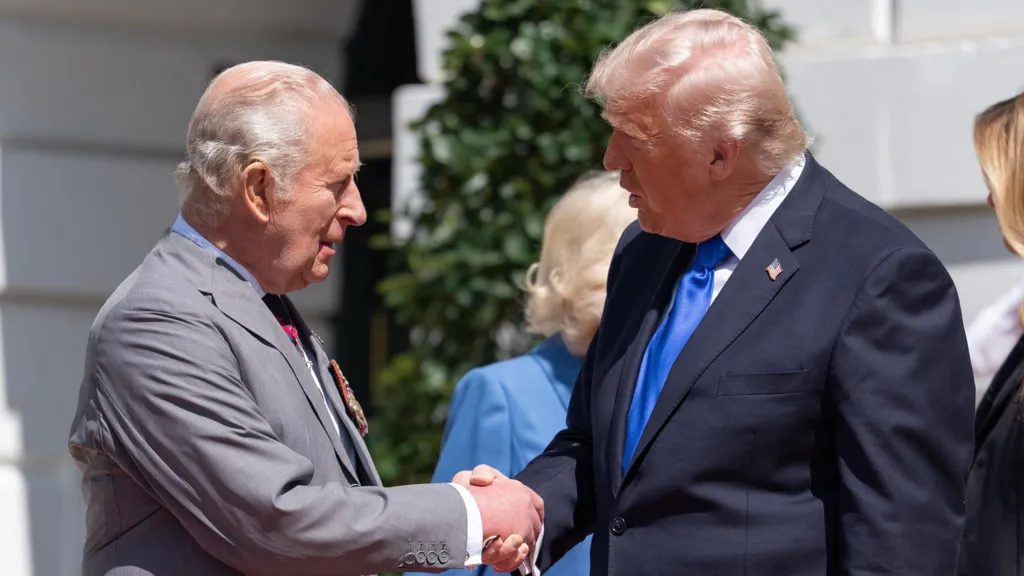
In a move that has stunned trade analysts and delighted the Scottish Highlands, President Donald Trump has officially abolished all U.S. tariffs on British whisky. Announced via Truth Social just as King Charles III and Queen Camilla concluded their four-day state visit to Washington, the President characterized the major trade concession as a personal gift to the monarch, claiming the King “got me to do something that nobody else was able to do, without hardly even asking.”
The decision removes a 10% duty that has crippled exports since April 2025 and eliminates the looming threat of a 25% “snapback” tariff on single malts—a development being hailed as a “milestone” for the transatlantic spirits trade.

The President’s announcement specifically highlighted a “restoration of dealing” between the distilleries of Scotland and the bourbon-makers of Kentucky.
The Barrel Economy: Trump noted that the lifting of restrictions would specifically benefit the trade in wooden barrels. The Scotch industry currently relies on importing approximately £200m worth of used bourbon casks from Kentucky annually.
A “Necessary Reset”: Industry leaders say the move will save the Scottish economy an estimated £4 million a week in lost export revenue. First Minister John Swinney hailed the news as “tremendous,” noting that “millions were being lost every month” to the trade barriers.
The Irish Exception: The UK government has confirmed that the removal of tariffs applies to all whisky categories, including Irish whiskey produced in Northern Ireland, providing a rare “golden tone” of relief for distillers across the British Isles.
Despite the celebratory mood, political analysts note the announcement arrives at a period of extreme “national security emergency.”
Strategic Softening: The tariff removal is being viewed as a “peace offering” to London at a time when relations between President Trump and Sir Keir Starmer have been strained over the ongoing US-Israeli war with Iran.
The “Inward-Looking” Warning: During his historic address to Congress, the King urged the U.S. and UK to resist the pressure to become “ever more inward-looking”—a plea that seems to have resonated with a President who famously prizes “great deals” with individual leaders.
The Foremans’ Shadow: While the whisky trade thrives, the fate of the British couple jailed in Iran remains unresolved, serving as a reminder of the “unhealed wounds” in the broader geopolitical landscape.
For the UK’s distilling sector, which is worth almost £1 billion in exports, the decision marks the end of a “dopamine desert” of financial uncertainty.
The “Accountability Rot” of Trade: Business Secretary Peter Kyle welcomed the relief, stating it would protect thousands of jobs that were facing a “rural penalty” due to high shipping and duty costs.
The Royal Response: A spokesperson for Buckingham Palace confirmed that the King expressed “sincere gratitude” and will be “raising a dram” to the President’s hospitality upon his return to the UK.

As the RHS Wisley wisteria blooms and the Southbank Centre celebrates 75 years of post-war culture, the “Whisky Win” of May 2026 proves that personal diplomacy still has a place in the era of high-stakes trade wars.
“Justice has no expiry date, and it seems neither does the King’s charm,” noted one industry expert. “In the 2026 chess game of global trade, a bottle of aged Scotch just became the most powerful piece on the board.”
Related News:
 George Osborne Warns UK Is Falling Behind in Global Cryptocurrency Race
 David Lammy Faces Possible Legal Challenge Over Foreign Office Secondment Scheme
 Grant Shapps Cleared to Join Defence Startup Despite Ethical Concerns
 Chancellor Rachel Reeves Pushes for Sweeping Changes to Environmental Protections to Accelerate Development
 Scotland Bans Arms Firms Supplying IDF from Receiving Financial Support
 Government Launches £338m Scheme to Support Sick and Disabled People Back into Work
 Starmer Urged to Champion Workers’ Rights Amid Low Public Awareness
 Rachel Reeves Hosts Top UK and US Financial Executives as Trump’s State Visit Begins
 Donald Trump’s UK State Visit Kicks Off Amid Major Tech Investments and Business Engagements
 Farage’s Reform UK Receives £100,000 from Design Firm with Past Tax Issues
 King Charles Earns Over £1 Million from Duchy Land Linked to Scrapped HS2 Project
 Gatwick Secures Approval for £2.2bn Second Runway Expansion
 Senior Tories Condemn Badenoch’s Vow to Repeal Climate Change Act as Catastrophic
 Labour Faces Budget Dilemma as Reeves Urged to Break Manifesto Promises
 Kemi Badenoch Unveils ‘Golden Rule’ to Halve Spending Cuts for Deficit Reduction at Tory Conference
 Richard Tice’s Business Record Contrasts with His ‘Net Stupid Zero’ Criticism
 UK Labour Market Shows Signs of Stabilising After Job Losses
Rachel Reeves urged to consider welfare cuts to boost fiscal credibility
UK Labour Market Shows Signs of Stabilising After Job Losses
Rachel Reeves urged to consider welfare cuts to boost fiscal credibility
 Lucy Powell urged ministers to reconsider costly legal case for Labour donor’s firm
 Miliband Promises New Nuclear Stations if SNP Ousted
 Rachel Reeves to lead UK trade push in Saudi Arabia amid rights debate
 Trump’s UK Ambassador Urges North Sea Drilling to Strengthen US Ties
 Rachel Reeves Set to Break Labour Pledge and Raise Income Tax
 Thinktanks Urge Rachel Reeves to Reform UK Tax System
 Company linked to Michelle Mone owes £39m in tax
MPs Press Rachel Reeves to Hike Gambling Taxes
Company linked to Michelle Mone owes £39m in tax
MPs Press Rachel Reeves to Hike Gambling Taxes
 Cuts to home insulation funding threaten UK climate goals
 Millionaires group urge Reeves to introduce wealth tax to ‘lift kids out of poverty’
 PM Highlights UK Business at G20 in South Africa
 English Mayors Set to Introduce Tourist Taxes
 Starmer Says Labour’s Economic Plan Needs Years to Deliver
 China Dependence Threatens UK Energy Supply Chains and Jobs
 MPs warn AI financial risks threaten UK stability
 MPs warn AI financial risks threaten UK stability
 UK Government Borrowing Drops to £11.6bn in December
 Labour Must Revive High Streets to Avoid Election Collapse
 Barclays drops Global Counsel after Mandelson link scrutiny
 Could Manchester Lead the UK’s Economic Revival?
 Robert Jenrick to Be Unveiled as Reform UK’s Treasury Spokesman, Reports Say
 UK shelves £110m border project amid trade strain
 Reform Plans to Keep UK’s Budget Watchdog in Office
 Tories Call for Rethink of Parliament Revamp Plans
 Jenrick: I’ll Back OBR but There’ll Be No More Cosy Consensus
 Another U-turn Ahead as Labour Reconsiders Youth Minimum Wage
 UK Sees Record £30.4bn Budget Surplus, Boosting Reeves’ Position
 Fury as Jobless-Migrant Households Receive Benefits Worth £10bn – ‘We Need to End This’
 SNP Charging £750 per Ticket for Business Event Featuring ‘Beer and Blether’ with Stephen Flynn
 Ministers Urged to Ban Crypto Political Donations
 Reeves Must Back Defence Plan or Face Dismissal, Says Unite Chief
 OBR Reform Row Deepens Before Spring Forecast
 Labour’s Employment Shake‑Up ‘Makes Britain Worse Than France’
 Minister Visits Leonardo After £1bn Deal Secured
 Caffè Nero Warns Coffee Prices May Rise Again
 Reeves Faces Triple Threat as Markets Reel From Global Turmoil
 Cost of Living Crisis Returns to Centre Stage
 UK Fuel Tax Hike Plan to Be Kept Under Review Over Iran Conflict
 UK Doubles Steel Tariffs to 50% to Protect Domestic Plants
 Starmer Adviser Urges New Profit Cap on Energy Firms
 Starmer Launches Labour Local Election Campaign Under Shadow of ‘Bloodbath’ Predictions
 The 8 Million Dilemma: Why Britain’s Disability Safety Net is Facing a ‘2026 Reckoning’
 The ‘Peterborough Windfall’: Council Calculator Finds £84,800 in Unclaimed Support
 Fuel Duty Relief Plea Amid Middle East Oil Crisis
 ‘A Hammer to the Strategic Heart’: Manufacturers Face £940m Surge in Business Rates
 Diplomatic Sprint: Starmer Heads to the Gulf as 14-Day Truce Holds
 Global Commerce Crisis: Cooper Demands Immediate, Toll-Free Access to Hormuz
 ‘Stressed and Struggling’: Farmers Lead Tractor Convoys in Desperate Plea for Fuel Tax Cuts
 OpenAI Halts Stargate UK Project Amid Energy Crisis
 Policy Stand-Off: Streeting Denies Any ‘System Update’ to Resident Doctor Pay Deal
 ‘The Tap is Turning’: Stormont Eyes £3bn Windfall Through Water Charges and Rate Hikes
 “No Cause for Alarm”: Officials Defend UK Resilience Amid Supply Chain Fears
 “Jobs Will Go”: Rishi Sunak Warns AI is Already Eroding Entry-Level Opportunities
 Reform UK funding: mystery billionaire revealed
 “We Are Shielding Them”: UK Families Face £11 Billion Hit as Iran War Bills Surge
 The “Long Tail” of War: Minister Warns Economic Scarring Could Last Eight Months Post-Conflict
 “A Pint-Sized Crisis”: Publicans Warn of Industry ‘Carnage’ as Energy and Tax Hikes Loom
 High Street “Lawlessness”: Council Staff Under Attack from “Link-up” Gangs
 The “Golden Handshake”: Nigel Farage Referred to Standards Watchdog Over £5m Crypto Gift
 Reality Check on Reform: Minister Says Outright Abolition of Leasehold “Impossible”
 From “Rockets” to “Feathers”: Why UK Pump Prices Are Stuck in High Gear This May
 The $126 Spike: Oil Hits Four-Year High as Trump Weighs “Powerful” New Iran Strikes