
Published: 27 April 2026. The English Chronicle Desk. The English Chronicle Online
In a modest terraced house in Birmingham, the heating is off and the evening meal is a quiet affair, but the tension is palpable. “I don’t want the children to see how worried we are,” says Sarah, a 34-year-old mother of three. “We tell them it’s a ‘saving game’ to turn the lights off, but the truth is I’m staring at a petrol pump that just hit £100 for a single tank. It’s a constant weight in your chest.” Sarah’s story is becoming the defining narrative of the British spring, as the economic fallout from the US-Israel-Iran war delivers a brutal “double blow” to family finances across the United Kingdom.

According to a sobering report by the Resolution Foundation released this week, British households are bracing for a collective £11 billion hit to their incomes this year. While the energy shock is currently smaller than the 2022 crisis following the invasion of Ukraine, the timing is catastrophic for a population already weary from years of high inflation. With the Strait of Hormuz largely closed to tanker traffic, the cost of the daily commute and the evening meal is once again being dictated by events thousands of miles away.
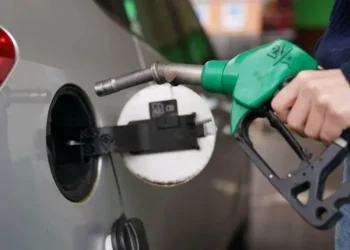
For many families, the most visible sign of the war is at the petrol station.
The Pump Spike: Since the conflict began on February 28, petrol prices have jumped by 14p a litre, while diesel has surged by 29p. For the first time since late 2022, filling a typical 55-litre family car with diesel now costs over £100.
The “July Shock”: Energy consultancy Cornwall Insight has warned that the Ofgem price cap is on track to rise by approximately £220 in July. A typical dual-fuel household could see their annual bill leap from £1,641 to £1,861.
The Mortgage Squeeze: In March 2026, UK 10-year gilt yields rose more than almost any other G7 nation, reflecting “sticky” inflation. This has pushed mortgage rates back above 5%, costing a typical first-time buyer an extra £100 a month in re-fixing costs compared to February.
The psychological impact of the war is reflected in the latest GfK Consumer Confidence Index, which plummeted four points to -25 in April—its lowest level since late 2023.
“Consumers really do have the jitters now,” said Neil Bellamy, a consumer insights director. “Surging fuel prices are a constant, daily reminder of the inflationary shock. It’s not just the bills; it’s the uncertainty of when it will end.”
The impact is filtering down into every corner of the economy. The National Farmers’ Union (NFU) has warned that food prices are set to rise further as fertiliser and energy costs—both heavily reliant on Middle Eastern gas—spike again. In a sign of the times, the Office for National Statistics (ONS) reported that more than a quarter of UK firms expect to raise their prices next month, citing energy costs as the primary driver.
Chancellor Rachel Reeves has acknowledged the strain, stating that while this is “not our war,” it is “pushing up bills for families and businesses.” However, the government has signalled it will not return to the blanket Energy Price Guarantee of 2022.
The Strategy: Support is expected to be “timely, targeted, and temporary,” focusing on the lowest-income deciles who are most exposed to gas prices—which still account for 62% of final household energy consumption in the UK.
The Interest Rate Trap: The Bank of England is in “wait-and-see” mode. While a rate cut was expected this spring, the inflation spike to 3.3% in March has put those plans on ice, with some economists even predicting a rate hike to 4% if the conflict persists.

For parents like Sarah, the cost isn’t just measured in pounds. The “moral duty” of keeping children safe from the distress of war and poverty is a silent labor. “They see the news about the drones and the missiles, and then they see me checking the bank app ten times a day,” she says. “They aren’t stupid. They know things are changing again.“
As the UK braces for a summer of volatile markets and uncertain ceasefires, the “Digital Iron Curtain” of energy insecurity has once again descended. For the millions of “just about managing” families, the 2026 Iran war isn’t a geopolitical abstract—it’s the reason the heating is off in April and the reason a parent’s smile is just a little more strained than it was two months ago.
Related News:
 Fury as Jobless-Migrant Households Receive Benefits Worth £10bn – ‘We Need to End This’
 ‘The Tap is Turning’: Stormont Eyes £3bn Windfall Through Water Charges and Rate Hikes
 “Jobs Will Go”: Rishi Sunak Warns AI is Already Eroding Entry-Level Opportunities
 Reform UK funding: mystery billionaire revealed
 Chancellor Rachel Reeves Pushes for Sweeping Changes to Environmental Protections to Accelerate Development
 Senior Tories Condemn Badenoch’s Vow to Repeal Climate Change Act as Catastrophic
 Kemi Badenoch Unveils ‘Golden Rule’ to Halve Spending Cuts for Deficit Reduction at Tory Conference
 Lucy Powell urged ministers to reconsider costly legal case for Labour donor’s firm
 Trump’s UK Ambassador Urges North Sea Drilling to Strengthen US Ties
 Rachel Reeves Set to Break Labour Pledge and Raise Income Tax
 MPs Press Rachel Reeves to Hike Gambling Taxes
 Millionaires group urge Reeves to introduce wealth tax to ‘lift kids out of poverty’
 PM Highlights UK Business at G20 in South Africa
 Starmer Says Labour’s Economic Plan Needs Years to Deliver
 China Dependence Threatens UK Energy Supply Chains and Jobs
 MPs warn AI financial risks threaten UK stability
 MPs warn AI financial risks threaten UK stability
 Labour Must Revive High Streets to Avoid Election Collapse
 Barclays drops Global Counsel after Mandelson link scrutiny
 Could Manchester Lead the UK’s Economic Revival?
 Royal Mail Blames Poor Weather and Sickness for Delayed Deliveries
 Reform Plans to Keep UK’s Budget Watchdog in Office
 Last‑ditch Call to Save Police Front Counters in London
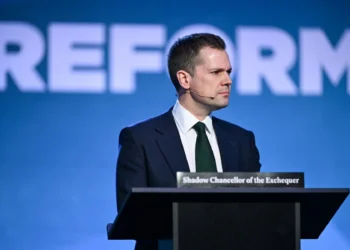 Jenrick: I’ll Back OBR but There’ll Be No More Cosy Consensus
 Another U-turn Ahead as Labour Reconsiders Youth Minimum Wage
 Store at Famous Shopping Village to Close After 18 Years Due to Rising Costs
 UK Sees Record £30.4bn Budget Surplus, Boosting Reeves’ Position
 Schools in England to Get Budget for Children with Special Needs as Part of SEND Overhaul
 Ministers Urged to Ban Crypto Political Donations
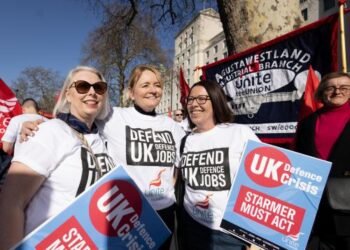 Reeves Must Back Defence Plan or Face Dismissal, Says Unite Chief
 Labour’s Employment Shake‑Up ‘Makes Britain Worse Than France’
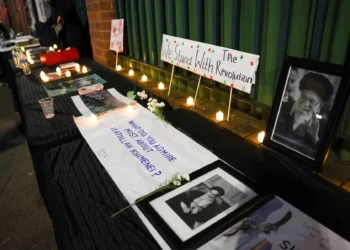 Manchester Students Mourn Ayatollah Amid Protest
 Labour Faces Backlash Over Conscription Warning
 Sarah Ferguson Loses Another £1.5m Amid Financial Struggles
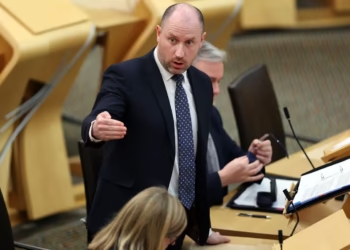 SNP Health Secretary Criticised Over NHS Failures Locally
 Courier Firm Bust After 14 Years as Evri Deliveries Face ‘Temporary Disruption’
 Jobless Man on £15k Benefits Accused of Hurling Abuse at Anti-Migrant Demo
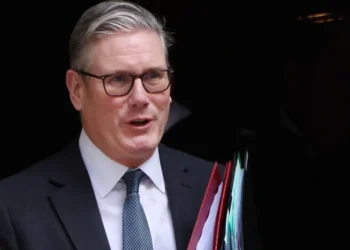 UK Fuel Tax Hike Plan to Be Kept Under Review Over Iran Conflict
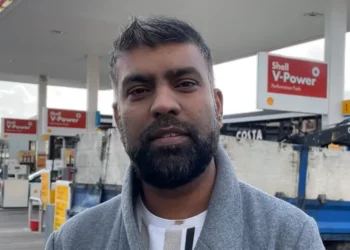 Fuel Costs Are Rising — Drivers on the Frontline of the Price Surge
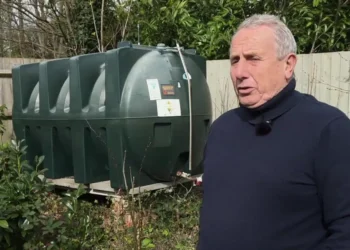 ‘Heating Oil Suppliers Are Holding Us to Ransom’ as Prices and Cancellations Surge
 Rising Costs Force Families to Rethink Days Out
 ‘Teenage Me Could Not Have Imagined This’ Says First Female Archbishop
 Fire Crews Battle Major Blaze at Coventry Car Dealership
 US Lawmaker Demands Testimony Over Sarah Ferguson’s ‘Close Epstein Ties’
 The Last of the Lords: Two Hereditary Peers to Retain Ceremonial Roles Amid Historic Ousting
 ‘My Daughter is Under the Rubble’: The Human Cost of the Tehran Strikes
 ‘No Surprise’: Ramaphosa Downplays South Africa’s Exclusion from Emergency G7 Summit
 ‘Eye in the Sky’ Blinded: Photos Reveal Destroyed US Radar Jet at Saudi Base
 ‘Full and Immediate Access’: Netanyahu Reverses Palm Sunday Ban on Latin Patriarch
 Starmer Launches Labour Local Election Campaign Under Shadow of ‘Bloodbath’ Predictions
 How the King Became the Jewish Community’s Greatest Ally
 No, the RNLI is Not a ‘Taxi Service’ for Migrants – I Would Know
 The 8 Million Dilemma: Why Britain’s Disability Safety Net is Facing a ‘2026 Reckoning’
 Gridlock Britain: Easter 2026 Set for Busiest Roads in Four Years
 The ‘Peterborough Windfall’: Council Calculator Finds £84,800 in Unclaimed Support
 ‘Empty Tanks’: UK Drivers Cry Foul as Petrol Prices Surge Amid $120 Oil Threat
 British Businesses Braced as National Living Wage Hits £12.71 Published: 1 April 2026
 The “Citrus” Shift: Marmalade to be Legally Rebranded in Post-Brexit Food Realignment
 Fuel Duty Relief Plea Amid Middle East Oil Crisis
 ‘Locked Away’: Calls Grow for Automatic Release of Child Trust Funds at 21
 Debt Relief or Drop in the Ocean? UK Caps Student Loan Interest at 6%
 The $100 Billion Peace: Trump’s ‘Grand Bargain’ Ends Iran Conflict at a Staggering Cost
 Global Commerce Crisis: Cooper Demands Immediate, Toll-Free Access to Hormuz
 The Kitchen Table Crisis: How the 2026 Iran War Hits Your Wallet
 The Pre-School Lottery: Families Left in ‘Holding Pattern’ as Local Places Vanish
 The Silent Lifeline: Why the 2026 Digital Switchover has Millions Saying, ‘I Didn’t Realise How Much I Needed My Landline’
 Relief at the Pump: Irish PM Unveils €505m Package to Stem Fuel Crisis
 The Price of Help: Fuel Surge Threatens Charitable ‘Power Plant’
 The Freedom Hub: Can a Former Women’s Jail Unlock This City’s Potential?
 The Waiting Ward: ‘Month of Worry’ as Doctor Strikes Trigger Seismic Surgery Delays
 Policy Stand-Off: Streeting Denies Any ‘System Update’ to Resident Doctor Pay Deal
 Harry and Meghan’s Australia Visit Sparks Debate
 MoD Has Lost Track of Veteran Recall List, Says Adviser
 ‘The Triple-Shift Generation’: The 20-Somethings Juggling Three Jobs to Stay Afloat
 ‘A Beacon of Hope’: £3m Injection Set to Transform Town’s Community Hub
 ‘Economic Sandbags’: UK Retailers Activate Price Rise Contingency Plans as Supply Chain Strains Mount
 UK Pub Price Hikes: Landlady Calls Drink Increases Last Resort
 Human Capital for AI Infrastructure: Meta Cuts 8,000 Staff to Fuel $135bn Bet
 NHS Safety Fears as Nurses Cover Doctor Gaps
 A Nation in Flux: UK Healthy Life Expectancy Plummets to Record Lows