Published: 23 April 2026. The English Chronicle Desk. The English Chronicle Online
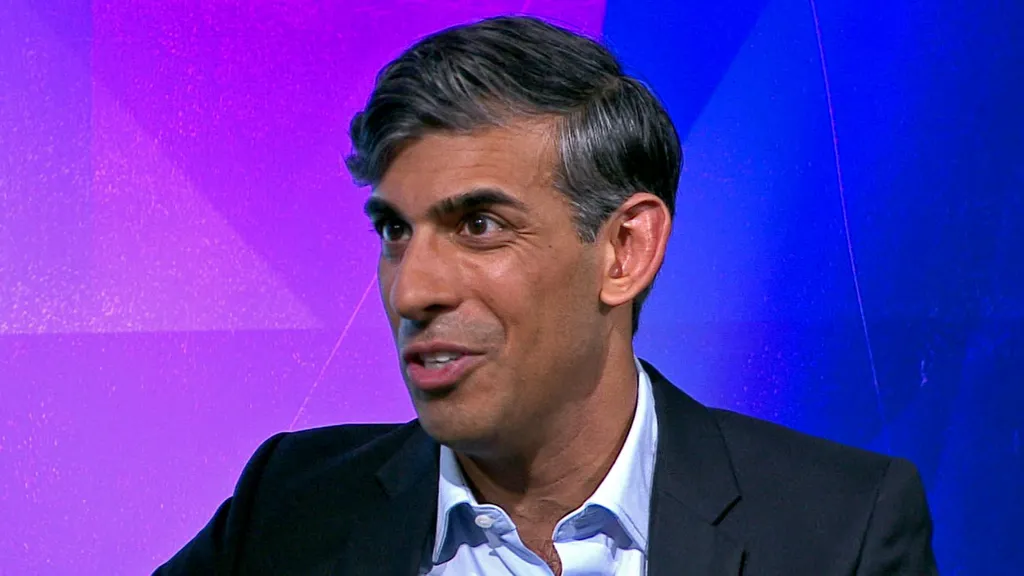
In a candid intervention that has sent ripples through the UK’s education and employment sectors, former Prime Minister Rishi Sunak has warned that the “AI revolution” is no longer a future threat but a present reality that is already reducing job prospects for young people. Speaking at the India AI Impact Summit 2026 in New Delhi earlier this week, Sunak acknowledged that entry-level roles—historically the “gateway” for graduates and school leavers—are being rapidly “cannibalized” by autonomous agents and large language models. The remarks mark a significant shift in tone from his previous optimism, highlighting a growing anxiety that the speed of technological adoption is outstripping the state’s ability to reskill its youngest workers.

Sunak pointed to emerging data from the financial and tech sectors, where “Level 1” tasks such as basic coding, data entry, and customer service queries are now almost entirely handled by AI. For the class of 2026, this has translated into a noticeable contraction in traditional junior vacancies. “We have to be honest: jobs will go,” Sunak told an audience of policymakers. “The biggest disruption isn’t machines replacing humans overnight; it’s the fact that a single worker using AI can now outperform and replace three entry-level staffers who don’t. Today’s 20-year-olds are entering a market where their first boss might not be a person, but an AI agent they are expected to manage.”
To contextualize the shift, Sunak drew a parallel to the introduction of spreadsheet software in the 1980s. While Microsoft Excel didn’t eliminate accountants, it fundamentally “redesigned” the profession. However, he warned that “this time might be different” due to the sheer velocity of the transition.
The Vulnerability Gap: Unlike previous industrial shifts that took decades, the AI-driven “mass displacement” of white-collar work could occur within the next two years.
The “Experience” Trap: As entry-level roles disappear, young people are losing the “on-the-job” training grounds necessary to reach senior positions, creating a looming “experience gap” in the national workforce.
Fiscal Imbalance: Sunak also criticized current tax systems, arguing they inadvertently make “hiring a human” more expensive than subscribing to an AI tool, further incentivizing companies to automate junior positions first.
The former Prime Minister, who famously hosted the Bletchley Park AI Safety Summit during his premiership, argued that AI literacy must now be treated with the same urgency as reading and writing. He advocated for a radical overhaul of the UK’s apprenticeship and vocational training systems to focus on “human-centric skills”—critical thinking, complex empathy, and ethical oversight—that AI cannot yet replicate. “If we don’t equip the next generation to be the managers of these tools, they will simply be the victims of them,” he added.

Reaction to Sunak’s comments in Westminster has been polarized. While some applaud his “pragmatic realism,” others in the Labour government have criticized the former PM for “stoking fear” without acknowledging the role his own administration’s policies played in the current digital skills shortage. Regardless of the political fallout, the message for young jobseekers in April 2026 is sobering: the “entry-level” ladder is being pulled up, replaced by a digital elevator that only those with advanced AI fluency are being invited to board.
Related News:
 Fury as Jobless-Migrant Households Receive Benefits Worth £10bn – ‘We Need to End This’
 ‘The Tap is Turning’: Stormont Eyes £3bn Windfall Through Water Charges and Rate Hikes
 David Lammy Faces Possible Legal Challenge Over Foreign Office Secondment Scheme
 Chancellor Rachel Reeves Pushes for Sweeping Changes to Environmental Protections to Accelerate Development
 Senior Tories Condemn Badenoch’s Vow to Repeal Climate Change Act as Catastrophic
 Kemi Badenoch Unveils ‘Golden Rule’ to Halve Spending Cuts for Deficit Reduction at Tory Conference
 Lucy Powell urged ministers to reconsider costly legal case for Labour donor’s firm
 Rachel Reeves to lead UK trade push in Saudi Arabia amid rights debate
 Trump’s UK Ambassador Urges North Sea Drilling to Strengthen US Ties
 Rachel Reeves Set to Break Labour Pledge and Raise Income Tax
 MPs Press Rachel Reeves to Hike Gambling Taxes
 Millionaires group urge Reeves to introduce wealth tax to ‘lift kids out of poverty’
 PM Highlights UK Business at G20 in South Africa
 Starmer Says Labour’s Economic Plan Needs Years to Deliver
 China Dependence Threatens UK Energy Supply Chains and Jobs
 MPs warn AI financial risks threaten UK stability
 MPs warn AI financial risks threaten UK stability
 Labour Must Revive High Streets to Avoid Election Collapse
 Barclays drops Global Counsel after Mandelson link scrutiny
 Could Manchester Lead the UK’s Economic Revival?
 Royal Mail Blames Poor Weather and Sickness for Delayed Deliveries
 Reform Plans to Keep UK’s Budget Watchdog in Office
 Last‑ditch Call to Save Police Front Counters in London
 Jenrick: I’ll Back OBR but There’ll Be No More Cosy Consensus
 Another U-turn Ahead as Labour Reconsiders Youth Minimum Wage
 Store at Famous Shopping Village to Close After 18 Years Due to Rising Costs
 UK Sees Record £30.4bn Budget Surplus, Boosting Reeves’ Position
 Schools in England to Get Budget for Children with Special Needs as Part of SEND Overhaul
 Ministers Urged to Ban Crypto Political Donations
 Reeves Must Back Defence Plan or Face Dismissal, Says Unite Chief
 Labour’s Employment Shake‑Up ‘Makes Britain Worse Than France’
 Manchester Students Mourn Ayatollah Amid Protest
 Labour Faces Backlash Over Conscription Warning
 Sarah Ferguson Loses Another £1.5m Amid Financial Struggles
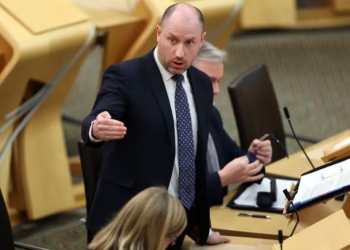 SNP Health Secretary Criticised Over NHS Failures Locally
 Scotland Combines Alcohol and Drug Strategy to Cut Addiction Deaths
 Courier Firm Bust After 14 Years as Evri Deliveries Face ‘Temporary Disruption’
 Jobless Man on £15k Benefits Accused of Hurling Abuse at Anti-Migrant Demo
 UK Fuel Tax Hike Plan to Be Kept Under Review Over Iran Conflict
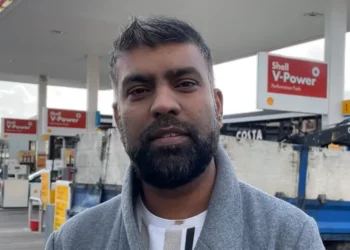 Fuel Costs Are Rising — Drivers on the Frontline of the Price Surge
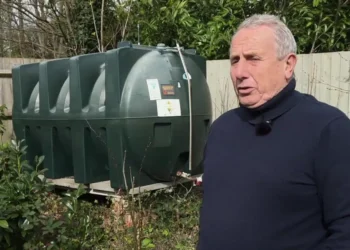 ‘Heating Oil Suppliers Are Holding Us to Ransom’ as Prices and Cancellations Surge
 Rising Costs Force Families to Rethink Days Out
 ‘Teenage Me Could Not Have Imagined This’ Says First Female Archbishop
 Fire Crews Battle Major Blaze at Coventry Car Dealership
 US Lawmaker Demands Testimony Over Sarah Ferguson’s ‘Close Epstein Ties’
 The Last of the Lords: Two Hereditary Peers to Retain Ceremonial Roles Amid Historic Ousting
 ‘My Daughter is Under the Rubble’: The Human Cost of the Tehran Strikes
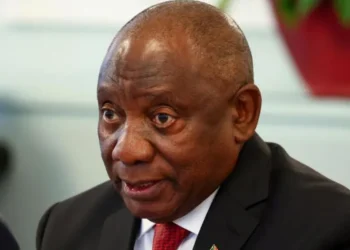 ‘No Surprise’: Ramaphosa Downplays South Africa’s Exclusion from Emergency G7 Summit
 ‘Eye in the Sky’ Blinded: Photos Reveal Destroyed US Radar Jet at Saudi Base
 ‘Full and Immediate Access’: Netanyahu Reverses Palm Sunday Ban on Latin Patriarch
 Starmer Launches Labour Local Election Campaign Under Shadow of ‘Bloodbath’ Predictions
 How the King Became the Jewish Community’s Greatest Ally
 No, the RNLI is Not a ‘Taxi Service’ for Migrants – I Would Know
 The 8 Million Dilemma: Why Britain’s Disability Safety Net is Facing a ‘2026 Reckoning’
 Gridlock Britain: Easter 2026 Set for Busiest Roads in Four Years
 The ‘Peterborough Windfall’: Council Calculator Finds £84,800 in Unclaimed Support
 ‘Empty Tanks’: UK Drivers Cry Foul as Petrol Prices Surge Amid $120 Oil Threat
 British Businesses Braced as National Living Wage Hits £12.71 Published: 1 April 2026
 The “Citrus” Shift: Marmalade to be Legally Rebranded in Post-Brexit Food Realignment
 Fuel Duty Relief Plea Amid Middle East Oil Crisis
 ‘Locked Away’: Calls Grow for Automatic Release of Child Trust Funds at 21
 Debt Relief or Drop in the Ocean? UK Caps Student Loan Interest at 6%
 The $100 Billion Peace: Trump’s ‘Grand Bargain’ Ends Iran Conflict at a Staggering Cost
 Property Peak? UK House Prices Dip Amid Geopolitical Jitters and ‘War Uncertainty’
 Global Commerce Crisis: Cooper Demands Immediate, Toll-Free Access to Hormuz
 The Kitchen Table Crisis: How the 2026 Iran War Hits Your Wallet
 The Pre-School Lottery: Families Left in ‘Holding Pattern’ as Local Places Vanish
 The Silent Lifeline: Why the 2026 Digital Switchover has Millions Saying, ‘I Didn’t Realise How Much I Needed My Landline’
 Relief at the Pump: Irish PM Unveils €505m Package to Stem Fuel Crisis
 The Price of Help: Fuel Surge Threatens Charitable ‘Power Plant’
 The Freedom Hub: Can a Former Women’s Jail Unlock This City’s Potential?
 The Waiting Ward: ‘Month of Worry’ as Doctor Strikes Trigger Seismic Surgery Delays
 Policy Stand-Off: Streeting Denies Any ‘System Update’ to Resident Doctor Pay Deal
 Harry and Meghan’s Australia Visit Sparks Debate
 MoD Has Lost Track of Veteran Recall List, Says Adviser
 ‘The Triple-Shift Generation’: The 20-Somethings Juggling Three Jobs to Stay Afloat
 ‘A Beacon of Hope’: £3m Injection Set to Transform Town’s Community Hub
 ‘The Flyover Returns’: A40 Westway Reopens Overnight Following Month-Long Gridlock
 ‘Economic Sandbags’: UK Retailers Activate Price Rise Contingency Plans as Supply Chain Strains Mount
 UK Pub Price Hikes: Landlady Calls Drink Increases Last Resort