Published: 27 April 2026. The English Chronicle Desk. The English Chronicle Online
As the King begins his state visit to Washington this week, the “special relationship” under the most intense pressure isn’t diplomatic—it’s the relationship between the Pacific Islands and the global economy. New data released ahead of the 2026 Pacific Islands Forum paints a devastating picture of an “economic unraveling,” as rising sea levels and extreme weather transition from environmental threats to systemic financial shocks. For the nations of the Pacific, climate change is no longer a future projection; it is a direct assault on the economic backbone of the region.

From the tuna-rich waters of Kiribati to the tourism hubs of Fiji, the cost of “living on the edge” has reached a breaking point. Experts warn that without a radical shift in global climate finance, the Pacific may face a “sovereign default crisis” driven by the sheer cost of repeated reconstruction and the loss of natural resources.
The Pacific’s most vital economic asset—the ocean—is becoming its greatest liability.
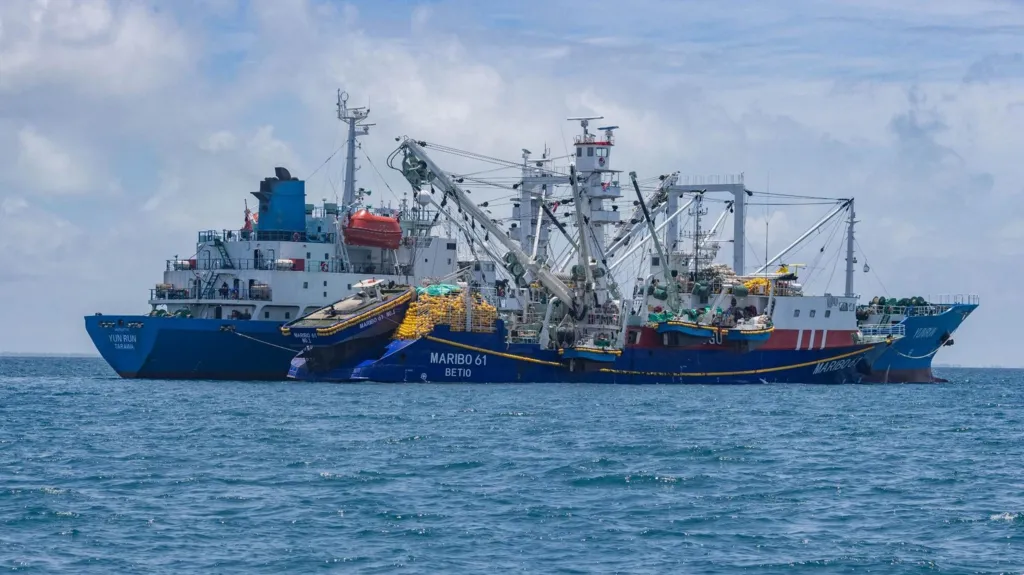
The Tuna Migration: Warming waters are driving tuna stocks—which provide up to 70% of government revenue for nations like Tuvalu and Tokelau—further east and out of national exclusive economic zones. This “biological flight” is estimated to cost the region over $60 million per year in lost licensing fees.
Coral Bleaching & Tourism: In nations like Vanuatu and Palau, tourism accounts for nearly 40% of GDP. However, the 2025-2026 “super-bleaching” event has decimated reef systems, leading to a 15% drop in dive-tourism bookings this quarter.
The Infrastructure Trap: In the Marshall Islands, over 90% of critical infrastructure (airports, power plants, hospitals) is located within 100 meters of the shoreline. The cost of relocating these assets is estimated to be five times the nation’s annual GDP.
One of the most immediate economic threats is the withdrawal of global insurers from the region.
Uninsurable Assets: Much like the families trapped in UK sinkhole zones, Pacific businesses are finding it impossible to secure affordable insurance for coastal properties.
Risk Premiums: Commercial lending rates in the Pacific have surged by 3.5% in the last year, as banks factor in “climate fragility” when issuing loans for local enterprises.
The Debt Spiral: To fund sea-wall construction and disaster relief, many Pacific nations have been forced to take on high-interest commercial debt, leading to a “climate-debt trap” where interest payments outstrip spending on education and healthcare.
The debate in the Pacific has shifted from “mitigation” to a stark choice between radical adaptation and planned relocation.
“We are not just losing land; we are losing our balance sheet,” said a senior advisor at the Pacific Community (SPC). “When a storm wipes out a coconut plantation or a resort, it’s not just a loss of property; it’s the loss of a tax base and a decade of future growth.”
The Fiji-led “Relocation Fund” has become a global model, yet it remains chronically underfunded. While the international community has pledged billions, Pacific leaders argue that the “bureaucratic hurdles” to accessing these funds are so high that by the time the money arrives, the land it was meant to protect is underwater.
The economic destabilization of the Pacific isn’t a localized issue.
Supply Chain Disruptions: The Pacific serves as a vital shipping corridor between the Americas and Asia. The increased frequency of “Super-Typhoons” is causing significant delays in global maritime trade, contributing to the inflationary pressures seen in the UK and US markets.
Climate Refugees: The World Bank estimates that by 2050, over 1.7 million people in the Pacific could be forced to migrate internally or abroad, creating a humanitarian and economic challenge for neighboring Australia and New Zealand.

As global leaders gather in Washington, the Pacific nations are demanding a “New Deal for the Blue Continent”—one that treats climate change as a permanent economic disability requiring debt forgiveness and direct grants rather than loans. For the people of the Pacific, the ledger is clear: the cost of inaction has already surpassed the ability to pay.
Related News:
 Energy Firms Keep Fuel Price Hike ‘Under Scrutiny’
 Trump to Deploy “God Squad” Over Gulf Wildlife Protections
 Calm Amidst the Clouds: Albanese Reassures Nation as Geelong Refinery Smolders
 Modi’s London Visit Seals Historic UK-India Trade Pact Amid Global Tensions
 Chancellor Rachel Reeves Pushes for Sweeping Changes to Environmental Protections to Accelerate Development
 Senior Tories Condemn Badenoch’s Vow to Repeal Climate Change Act as Catastrophic
 Kemi Badenoch Unveils ‘Golden Rule’ to Halve Spending Cuts for Deficit Reduction at Tory Conference
 Trump’s UK Ambassador Urges North Sea Drilling to Strengthen US Ties
 MPs Press Rachel Reeves to Hike Gambling Taxes
 Millionaires group urge Reeves to introduce wealth tax to ‘lift kids out of poverty’
 Canada Passes Carney’s First Budget in Tight Parliamentary Vote
 PM Highlights UK Business at G20 in South Africa
 India’s Labour Law Overhaul Sparks Fierce Debate
 “Enough is Enough”: Local MP Vows to Fight Rainham Quarry Plans
 Starmer Says Labour’s Economic Plan Needs Years to Deliver
 BP’s Influence Sparks Controversy in UK STEM Education
 MPs warn AI financial risks threaten UK stability
 MPs warn AI financial risks threaten UK stability
 No Gas Boiler Ban as UK Warm Homes Plan Backs Heat Pumps
 Labour Must Revive High Streets to Avoid Election Collapse
 UK food industry urges transition if post-Brexit rules reset
 Reform UK Taps Boris Ally to Shape Party Nature Agenda
 Could Manchester Lead the UK’s Economic Revival?
 Santos Wins Landmark Greenwashing Case in Court
 Reform Plans to Keep UK’s Budget Watchdog in Office
 Jenrick: I’ll Back OBR but There’ll Be No More Cosy Consensus
 Another U-turn Ahead as Labour Reconsiders Youth Minimum Wage
 Sanders Condemns Billionaire ‘Greed’ in California Tax Debate
 Ministers Urged to Ban Crypto Political Donations
 Germany Faces Backlash Over Scrapped Renewable Heating Mandate
 Reeves Must Back Defence Plan or Face Dismissal, Says Unite Chief
 Miliband Says Climate Impact of Data Centres Is Uncertain
 Labour’s Employment Shake‑Up ‘Makes Britain Worse Than France’
 Venezuela and US to Work Together on Mining Developments, Rodríguez Says
 Gulf Oil Shock Sends Global Economic Ripples
 Iran Rejects Ceasefire, Warns Trump With Chilling Message
 US Says 16 Iranian Mine Ships Destroyed in Hormuz
 US Launches Probe into Trading Partners Including EU, China, and India
 UK Fuel Tax Hike Plan to Be Kept Under Review Over Iran Conflict
 Sri Lanka Sets Weekly Shutdown to Save Fuel
 Badenoch Demands Energy Tax Cuts Over ‘Benefit Street’ Bailouts
 Tories Urge Three-Year VAT Scrap on Energy Bills to Combat Price Spike
 Starmer Launches Labour Local Election Campaign Under Shadow of ‘Bloodbath’ Predictions
 Zelensky Looks to Gulf to Protect Him from Putin
 The 8 Million Dilemma: Why Britain’s Disability Safety Net is Facing a ‘2026 Reckoning’
 The ‘Peterborough Windfall’: Council Calculator Finds £84,800 in Unclaimed Support
 Can Congress Stop US Sports Teams From Moving Cities?
 British Businesses Braced as National Living Wage Hits £12.71 Published: 1 April 2026
 The “Citrus” Shift: Marmalade to be Legally Rebranded in Post-Brexit Food Realignment
 Tax Shift Hits UK Farms: New Inheritance Rules Begin
 Oil and Diplomacy: Russian Refineries Burn as Zelenskyy Secures Middle East Shield
 “A Perfect Storm”: UK Small Businesses Face Doubling Energy Bills as Iran War Rattles Markets
 Asian Powers Secure Energy Lifelines as Trump’s Hormuz Deadline Looms
 Oil Markets Surge as Investors Await Trump’s Final Iran Ultimatum
 The $100 Billion Peace: Trump’s ‘Grand Bargain’ Ends Iran Conflict at a Staggering Cost
 UK Fossil Fuel Expansion Risks Global Climate Collapse
 The ‘Relief Rally’: Global Markets Surge as Oil Prices Tank on 14-Day Truce
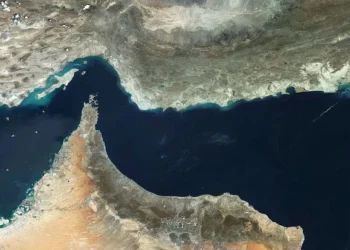 The Great Chokehold: Why the Strait of Hormuz is the Epicenter of the 2026 Crisis
 Global Commerce Crisis: Cooper Demands Immediate, Toll-Free Access to Hormuz
 The Prediction Prohibition: White House Staff Barred from Betting on Political Markets
 Relief at the Pump: Irish PM Unveils €505m Package to Stem Fuel Crisis
 Policy Stand-Off: Streeting Denies Any ‘System Update’ to Resident Doctor Pay Deal
 Diplomatic Deadlock: Lebanon Enters High-Stakes Border Talks with ‘No Cards to Play’
 Trump Slams UK Ties and Threatens To Rewrite Trade Deal
 The Great British Debate: Guns, Butter and National Safety
 Big Tech Lobbies EU to Hide Massive Datacentre Emissions
 Harry and Meghan’s Australia Visit Sparks Debate
 The Shadow of the Ticker: Insider Trading Allegations Cloud Trump’s Economic Agenda
 Night of Fire: Thousands of Turkeys Perish in Cheshire Barn Inferno
 The Empty Express: India’s $100 Billion Metro Gamble Faces a Ridership Crisis
 The Fog of War and the Ticker Tape: Suspicious Trades Rile Washington
 High-Seas Seizure: US Navy Intercepts Iranian Cargo Ship in Gulf of Oman
 ‘Table of Surrender’: Tehran Vows ‘New Cards’ as Islamabad Peace Talks Teeter on Brink
 Brinkmanship in Islamabad: Tehran Vows ‘New Battlefield Cards’ as Ceasefire Wanes
 Resilience and Rupture: Why the Middle East Crisis is Succeeding Where Trade Wars Failed
 “Jobs Will Go”: Rishi Sunak Warns AI is Already Eroding Entry-Level Opportunities
 Red Lines in Ottawa: PM Carney Insists US “Won’t Dictate Terms” of Trade Review
 “Industrial-Scale Extraction”: White House Memo Accuses China of Mass AI Theft
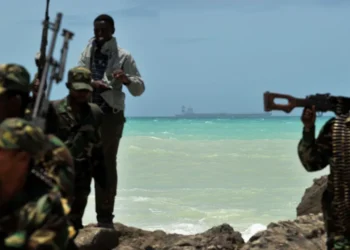 Return of the “Skiffs”: Threat Level Raised as Somali Pirates Seize Second Vessel in a Week
 “A Pint-Sized Crisis”: Publicans Warn of Industry ‘Carnage’ as Energy and Tax Hikes Loom