Published: April 8, 2026. The English Chronicle Desk.
The English Chronicle Online — Tracking the billions shifting in the wake of the ‘Grand Bargain’.
LONDON / NEW YORK — The global financial system exhaled a collective sigh of relief on Wednesday as the threat of “Total Infrastructure War” in the Middle East gave way to a fragile, Pakistan-brokered ceasefire. For five weeks, the world economy had been held in a “chokehold” by the closure of the Strait of Hormuz, with Brent crude surging past $120 a barrel and stock futures cratering. However, within minutes of President Trump’s “double-sided ceasefire” announcement, the charts flipped. In what analysts are calling the “seismic shift of 2026,” oil prices suffered their steepest one-day decline in nearly six years, while global equities staged a massive “relief rally.”

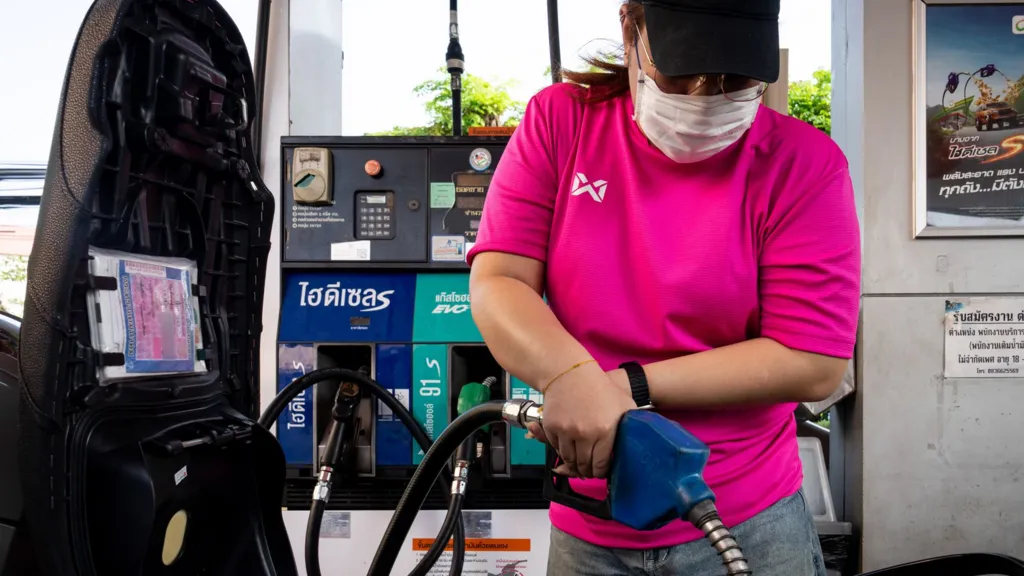
The most dramatic reaction occurred in the energy pits. With the Iranian Foreign Ministry confirming the “safe and immediate” reopening of the Strait of Hormuz for a two-week window, the “war premium” that had inflated energy costs evaporated almost instantly.
-
WTI Crude: The U.S. benchmark plunged 14.3% to settle near $96.82 a barrel, down from highs above $112 just 24 hours prior.
-
Brent Crude: The international standard dropped 13.6% to $94.43, a far cry from the $120+ peaks seen during the height of the maritime blockade.
-
Natural Gas: Futures declined by 5%, easing fears of a prolonged energy-supply shock for European industries.
While oil prices fell, stock markets across the globe “skyrocketed” on hopes that the 14-day window in Islamabad could lead to a permanent off-ramp.
-
Asia Leads the Way: Markets sensitive to energy costs saw the biggest gains. Tokyo’s Nikkei 225 surged 5.4%, while South Korea’s Kospi soared an incredible 6.9%.
-
U.S. Futures: S&P 500 futures jumped 2.5%, with Nasdaq 100 contracts rising 3.2% in early New York trading. Investors are betting heavily on a “rotation” back into tech and rate-sensitive cyclicals as inflation fears momentarily recede.
-
European Gains: France’s CAC 40 and Germany’s DAX both opened significantly higher, gaining between 4% and 4.7% as the threat of “stagflation” caused by the war began to subside.
Despite the euphoria, the “Life & Society” impact is one of wary preparation rather than total celebration. Market strategists like Stephen Innes of SPI Asset Management warn that while the “chokehold” has been loosened, the truce is “fragile.” The “Lebanon Loophole”—the fact that Israel’s campaign against Hezbollah continues despite the US-Iran pause—means that a regional “wildcard” could still send prices back into the stratosphere.
“The markets are celebrating the possibility of peace, not the peace itself,” says senior economist Saul Kavonic. “The reality is that nearly 20% of the world’s oil is still passing through a corridor that could be shut again in fourteen days. The ‘Hormuz Risk’ is now a permanent feature of the 2026 balance sheet.”

The ceasefire also triggered a sharp reversal for “war-time assets.” The U.S. Dollar, which had become the ultimate safe-haven during the conflict, saw its sharpest drop in months against the Euro, Pound, and Yen. Gold, surprisingly, rallied nearly 5% as some investors used the dip in the dollar to hedge against the long-term inflationary costs of the war, which President Trump admitted has already cost the U.S. over $200 billion.
As the first tankers begin their transit through the Strait of Hormuz today, the global economy is in a race against the clock. The next 14 days represent more than just a diplomatic window—they are a $100 billion gamble that the “Grand Bargain” in Islamabad can turn a temporary relief rally into a lasting recovery.
Related News:
 Oil Markets Surge as Investors Await Trump’s Final Iran Ultimatum
 Global Oil Markets Volatile After Trump’s Profane Threat to Iran
 Reform Plans to Keep UK’s Budget Watchdog in Office
 Tories Call for Rethink of Parliament Revamp Plans
 Reeves Blocking Spending Boost for Defence
 Jenrick: I’ll Back OBR but There’ll Be No More Cosy Consensus
 Another U-turn Ahead as Labour Reconsiders Youth Minimum Wage
 Live Markets Bet on Spring Rate Cut as Inflation Falls
 City Bets on Rate Cuts as Unemployment Soars
 Reeves Faces Triple Threat as Markets Reel From Global Turmoil
 Gulf Oil Shock Sends Global Economic Ripples
 US Launches Probe into Trading Partners Including EU, China, and India
 Close Brothers to Axe 600 Jobs in £85m Cuts
 Badenoch Demands Energy Tax Cuts Over ‘Benefit Street’ Bailouts
 Tories Urge Three-Year VAT Scrap on Energy Bills to Combat Price Spike
 India’s High-Growth Economy Braces for a Middle East Oil Shock
 Asian Powers Secure Energy Lifelines as Trump’s Hormuz Deadline Looms
 The Crown Jewel Sparkles: UK City Firms Report Historic Turnaround
 Modi’s London Visit Seals Historic UK-India Trade Pact Amid Global Tensions
 Chancellor Rachel Reeves Pushes for Sweeping Changes to Environmental Protections to Accelerate Development
 Senior Tories Condemn Badenoch’s Vow to Repeal Climate Change Act as Catastrophic
 Kemi Badenoch Unveils ‘Golden Rule’ to Halve Spending Cuts for Deficit Reduction at Tory Conference
 Lucy Powell urged ministers to reconsider costly legal case for Labour donor’s firm
 Trump’s UK Ambassador Urges North Sea Drilling to Strengthen US Ties
 Rachel Reeves Set to Break Labour Pledge and Raise Income Tax
 MPs Press Rachel Reeves to Hike Gambling Taxes
 Millionaires group urge Reeves to introduce wealth tax to ‘lift kids out of poverty’
 Canada Passes Carney’s First Budget in Tight Parliamentary Vote
 PM Highlights UK Business at G20 in South Africa
 India’s Labour Law Overhaul Sparks Fierce Debate
 Starmer Says Labour’s Economic Plan Needs Years to Deliver
 Starmer links foreign trips to tackling cost of living crisis
 China Dependence Threatens UK Energy Supply Chains and Jobs
 MPs warn AI financial risks threaten UK stability
 MPs warn AI financial risks threaten UK stability
 Labour Must Revive High Streets to Avoid Election Collapse
 UK food industry urges transition if post-Brexit rules reset
 AstraZeneca China Investment Signals Strategic Shift Abroad
 Barclays drops Global Counsel after Mandelson link scrutiny
 Could Manchester Lead the UK’s Economic Revival?
 Sanders Condemns Billionaire ‘Greed’ in California Tax Debate
 UK Sees Record £30.4bn Budget Surplus, Boosting Reeves’ Position
 Uncertainties Loom for Businesses and Consumers After Trump’s Tariff Changes
 Canada Eyes Trade Talks After US Supreme Court Tosses Trump Tariffs
 Ministers Urged to Ban Crypto Political Donations
 Reeves Must Back Defence Plan or Face Dismissal, Says Unite Chief
 Labour’s Employment Shake‑Up ‘Makes Britain Worse Than France’
 China Sets Lowest Economic Growth Target Since 1991
 Venezuela and US to Work Together on Mining Developments, Rodríguez Says
 Could Trump Threaten London’s £50bn Insurance Giant?
 Iran War Raises Questions Over China’s Global Plan
 Iran Rejects Ceasefire, Warns Trump With Chilling Message
 US Says 16 Iranian Mine Ships Destroyed in Hormuz
 Iran War Costs to Be Passed to Consumers, Shipping Boss Warns
 ‘Chippies Will Die Unless We Eat Cheaper Fish’
 UK Fuel Tax Hike Plan to Be Kept Under Review Over Iran Conflict
 Oil Price Jumps Despite Deal to Release Record Amount of Reserves
 Wealthy Britons Flee Gulf War but Avoid UK Taxes
 UniCredit’s Bold Move to Reshape European Banking
 Sri Lanka Sets Weekly Shutdown to Save Fuel
 India’s $300bn Outsourcing Industry Faces AI Test
 UK Wage Growth Slows as Jobs Market Holds Firm
 Farage Faces Backlash Over Crypto Cameo Endorsements
 Estate of Late Tycoon Mike Lynch to Pay £920m
 UK Forecast to See Biggest Growth Hit from Iran War
 Welsh Labour Pledges Income Tax Freeze at Manifesto Launch
 Starmer Launches Labour Local Election Campaign Under Shadow of ‘Bloodbath’ Predictions
 Zelensky Looks to Gulf to Protect Him from Putin
 The 8 Million Dilemma: Why Britain’s Disability Safety Net is Facing a ‘2026 Reckoning’
 The ‘Peterborough Windfall’: Council Calculator Finds £84,800 in Unclaimed Support
 Can Congress Stop US Sports Teams From Moving Cities?
 British Businesses Braced as National Living Wage Hits £12.71 Published: 1 April 2026
 The “Citrus” Shift: Marmalade to be Legally Rebranded in Post-Brexit Food Realignment
 Fuel Duty Relief Plea Amid Middle East Oil Crisis
 Tax Shift Hits UK Farms: New Inheritance Rules Begin
 Oil and Diplomacy: Russian Refineries Burn as Zelenskyy Secures Middle East Shield
 “A Perfect Storm”: UK Small Businesses Face Doubling Energy Bills as Iran War Rattles Markets
 Universal Music Group Receives Historic Takeover Bid from Bill Ackman’s Pershing Square
 ‘Locked Away’: Calls Grow for Automatic Release of Child Trust Funds at 21
 The $100 Billion Peace: Trump’s ‘Grand Bargain’ Ends Iran Conflict at a Staggering Cost