Published: 25 July 2026. The English Chronicle Desk. The English Chronicle Online.
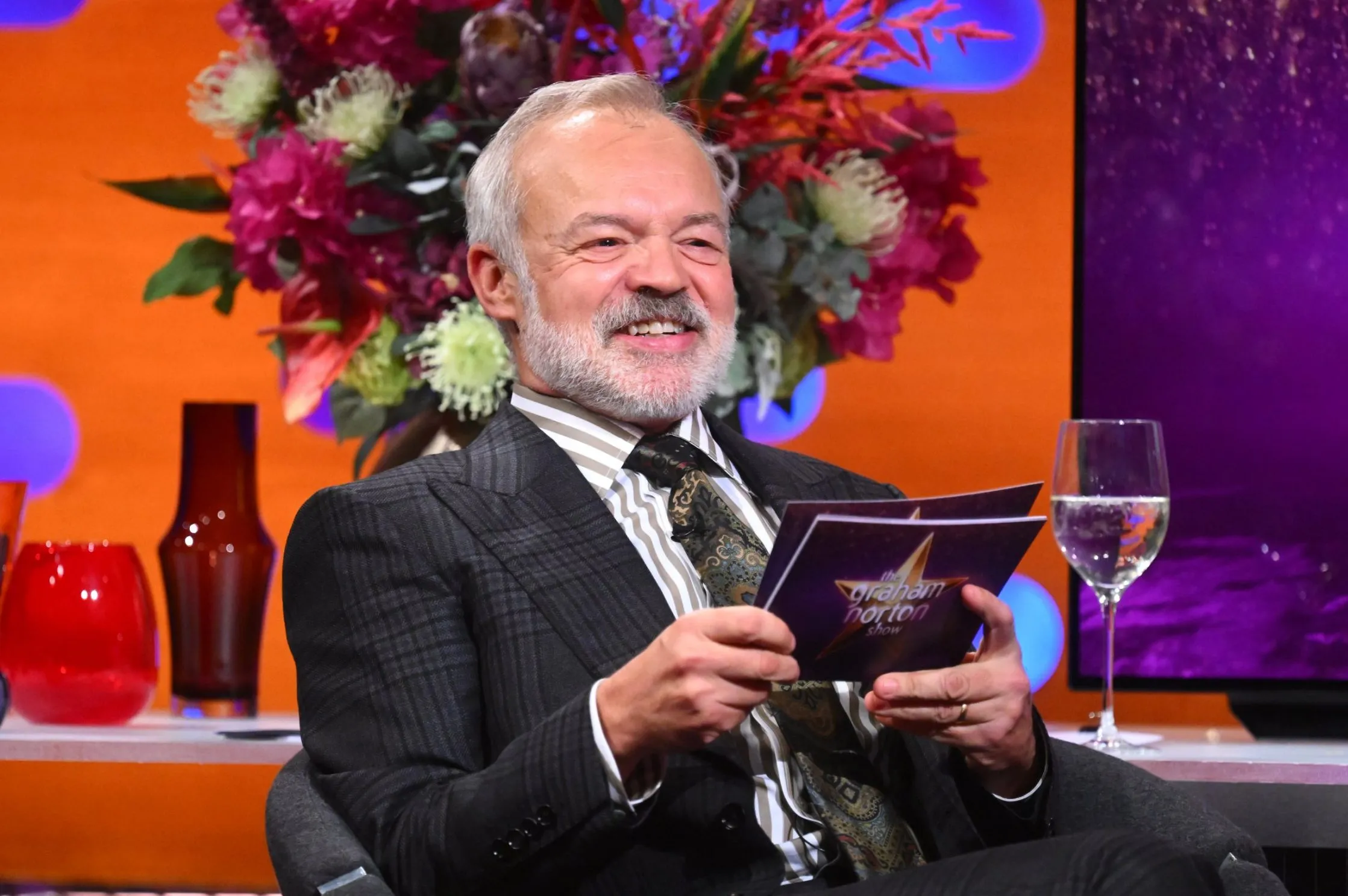
Claudia Winkleman’s decision to step away from her self-titled BBC chat show after just one series has reignited a long-running question within British television: who, if anyone, can eventually replace Graham Norton? While Winkleman’s departure was driven by personal reasons rather than poor performance, it has highlighted both the unique demands of hosting a modern television chat show and the uncertainty surrounding the future of one of the BBC’s most valuable entertainment formats.
Winkleman, one of Britain’s most recognisable television personalities thanks to her work on Strictly Come Dancing and The Traitors, appeared to be an ideal candidate to launch a fresh Friday-night celebrity programme. Her wit, warmth and distinctive personality had already made her one of the BBC’s biggest stars, while Graham Norton’s own production company, So Television, produced the series, prompting widespread speculation that it could eventually become a stepping stone towards succeeding Norton himself.
However, after only seven episodes, Winkleman surprised viewers by announcing she would not return. Explaining her decision, she admitted that she had been “too nervous to enjoy it,” making it clear that the choice was entirely personal rather than a response to audience criticism or disappointing ratings.
Although her programme attracted smaller audiences than The Graham Norton Show, it still performed respectably in a competitive television market. Reviews from critics were mixed rather than overwhelmingly negative, with many praising Winkleman’s natural humour while noting that hosting a multi-guest chat show demands a very different skill set from presenting entertainment competitions.
One memorable highlight from the series demonstrated exactly what the BBC had hoped to achieve. During an episode featuring Friends actress Lisa Kudrow, Winkleman introduced her to Linda from The Traitors, one of the reality competition’s breakout personalities. Kudrow enthusiastically revealed that Linda had inspired part of one of her recent acting performances, creating an unexpectedly entertaining exchange that echoed the unpredictable chemistry often seen on Graham Norton’s famous red sofa.

Television critics believe these kinds of spontaneous celebrity interactions are deceptively difficult to orchestrate.
Anita Singh, Arts and Entertainment Editor at The Telegraph, noted that while Winkleman possesses intelligence and humour, balancing conversations between several high-profile guests requires exceptional timing, organisation and confidence. Every participant must receive equal attention while also promoting their latest projects, all without allowing the discussion to feel overly structured.
According to Singh, Norton has spent years mastering this delicate balancing act, making the process appear effortless when in reality it requires considerable experience behind the scenes.
She also suggested Winkleman’s greatest strength has always been spontaneity, whereas the traditional chat show format leaves relatively little room for improvisation because conversations are carefully planned in advance.
Industry insiders believe the BBC had expected the programme to continue beyond a single series. Reports indicate there was an understanding that additional seasons would likely be commissioned, although it remains unclear how formal those arrangements had become before Winkleman chose to withdraw.
Jake Kanter, International Investigations Editor at Deadline, believes Winkleman’s explanation should be taken at face value. He argues that anxiety surrounding the responsibilities of leading a flagship chat show was likely the deciding factor rather than concerns about ratings or critical reception.
Former BBC One Controller Peter Fincham, who previously commissioned The Davina McCall Show, sees parallels between the two programmes. McCall’s series also lasted only one season despite expectations that it might become a long-running success.
Fincham argues that presenters whose names appear in programme titles inevitably experience greater personal pressure because success or failure becomes closely tied to their own public identity. In his view, Winkleman’s decision to step away demonstrates an unusual willingness to prioritise personal wellbeing over professional prestige, something not often seen within television.
While Winkleman’s exit closes one possible succession route, Graham Norton himself appears in no immediate hurry to retire.
The veteran presenter signed a new three-year agreement with the BBC in 2025 and continues to enjoy strong ratings every Friday evening. Although he has gradually reduced some of his broadcasting commitments, including stepping back from his Virgin Radio programme, he remains one of British television’s most popular entertainment hosts while expanding his career through novels, podcasts and other television projects.
Nevertheless, succession planning remains an important consideration for the BBC.
Finding another presenter capable of maintaining Norton’s unique blend of humour, warmth and celebrity rapport will not be straightforward. Several names are frequently mentioned by television observers, including comedian Jack Whitehall, who previously guest-hosted Norton’s programme successfully, and Alan Carr, whose Chatty Man series once attracted substantial audiences before ending.
However, recent television history demonstrates that launching a successful chat show is becoming increasingly difficult.
Several high-profile presenters, including Davina McCall, Lily Allen and Charlotte Church, all fronted celebrity interview programmes that failed to establish long-term audiences. The increasingly crowded media landscape presents new challenges that did not exist during the golden age of British television chat shows.
Celebrities today have far more promotional opportunities than ever before. Rather than relying solely on BBC or ITV appearances, many actors, musicians and authors now reach audiences through YouTube channels, podcasts, TikTok creators and online interview formats that often attract millions of viewers globally.
Popular online productions such as Hot Ones, Snack Wars and Amelia Dimoldenberg’s Chicken Shop Date have become influential promotional platforms in their own right. These digital formats frequently generate viral moments that spread rapidly across social media, sometimes outperforming traditional television interviews in terms of public engagement.
Critics argue that audiences increasingly prefer either highly informal celebrity interactions or lengthy podcast conversations that allow public figures to discuss their lives in greater depth than conventional television schedules permit.

Despite these changes, many industry experts believe traditional chat shows continue to hold significant value.
Friday-night broadcasts remain appointment viewing for millions of households, while short clips from programmes like The Graham Norton Show regularly achieve enormous audiences across YouTube, Facebook and TikTok after transmission. These viral moments extend the programme’s reach well beyond its original television audience and help maintain its cultural relevance in the digital era.
Kanter believes the format continues to provide exactly the kind of high-profile entertainment that broadcasters still require. Celebrity appearances bring excitement to weekly schedules while generating online engagement that many scripted programmes struggle to match.
Fincham is even less convinced that succession planning should dominate discussions at this stage.
Reflecting on his own experience running BBC One, he recalls that executives frequently debated who might eventually replace Sir David Attenborough more than two decades ago. Yet Attenborough continues producing acclaimed documentaries today, demonstrating that television icons often remain influential far longer than expected.
The same may ultimately prove true for Graham Norton.
While Claudia Winkleman’s chat show may have ended sooner than many anticipated, its brief existence should perhaps be viewed less as a failure and more as an experiment that demonstrated both the opportunities and challenges facing modern entertainment television. Winkleman remains one of the BBC’s biggest stars through Strictly Come Dancing and The Traitors, while Norton continues to dominate Friday evenings.
Whether another presenter eventually emerges to inherit Britain’s most famous celebrity sofa remains uncertain. For now, however, the BBC appears content to let Graham Norton continue doing what very few others have mastered—making one of television’s most difficult jobs look remarkably easy.
Related News:
 Harry and Meghan’s Australia Visit Sparks Debate
 Disneyland Adds Facial Recognition at Entrances
 Whistler’s Mother and why its fame frustrated artist
 Prunella Scales: From Fawlty Towers Icon to Beloved Canal Explorer
 Charlie Kaufman: They told me Being John Malkovich would never get made
 Kate Winslet to Narrate Film Highlighting King’s Environmental Mission
 Hollywood Is an Industry of Looney Tunes Pretending to Be Normal
 Top Christmas Books Reads: Classics to Cozy Romcoms
 Oprah enjoys Meghan’s jam on English muffins
 Pauline Collins, Beloved ‘Shirley Valentine’ Star, Dies at 85
 VAR Must Rein Its Neck In to Save Football’s Spirit
 From Lego to Pokémon: How Adults Are Driving UK Toy Market Growth
 Pop Stars Call on UK Government to Cap Resale Prices for Fans
 SS Rajamouli Announces ‘Varanasi,’ a Mythic Time-Travel Epic
 Tom Cruise Receives Honorary Oscar, Celebrates Cinema
 Eminem Takes Legal Aim at Australian ‘Swim Shady’ Brand
 The Lasting Legacy of Seven: Crime, Morality, and Urban Decay
 Director Michael Caton-Jones Reflects on Career and Beginnings
 Reggae Legend Jimmy Cliff Dies at 81
 Rosalía Inspires Young Listeners to Discover Classical Music
 Rusty Bond-Era Aston Martin Restored to £1m Glory
 Pavarotti statue frozen in Italian ice rink sparks backlash
 Amanda Seyfried, Faith and Fear in a Radical Musical Leap
 John Lithgow criticises Rowling stance in trans debate
 Draco Malfoy Emerges as Lunar New Year Icon in China
 Top 10 Must-See Films Arriving This February
 The Hidden Dark Side of Early Reality TV Fame
 Last Weekend of Summer Brings Sparkle and Stars to Sydney
 UK Banks Maintain £100 Contactless Limit Despite FCA Rule Change
 Rising Costs Force Families to Rethink Days Out
 Ticketmaster Fees Rise Despite Recent US Junk Fee Crackdown
 Scott Mills Sacked by BBC Over Personal Conduct Claims
 Army Probes Apache Flyover at Kid Rock’s Nashville Estate
 M&S Demands Urgent Action on Rising Violent Retail Crime
 US Senators Slam Ticketmaster Over Sneaky New Fee Hikes
 Keir Starmer Expresses Concern Over Kanye West Wireless Festival Dates
 Melania Trump Epstein remarks spark survivor backlash
 TikTok effect draws younger crowds to Grand National
 Exhibition Revisits Life of 18th-Century Black Court Figure
 Kezia Dugdale Warns of Possible Reversal of Equal Rights Gains
 Synagogue Arson Attempt Sparks Security Fears
 Rebel Wilson Accused of Orchestrating Smear Campaign
 NHS Safety Fears as Nurses Cover Doctor Gaps
 Rebel Wilson Denies Role in Smear Campaign Trial
 Ukraine Urges UK to Seize Russian Oil Tankers
 Older Than Dinosaurs: Secrets of Mayfly Dance Revealed
 US Court Weighs Fate of TPS for Migrants
 Stephen Fry Sues Tech Organisers For £100k Following Stage Fall
 John Terry Faces Backlash Over Political Posts
 Greens Face Internal Row Over Antisemitism Claims
 China Fireworks Factory Blast Kills 21 in Hunan
 Florida Surgeon ‘Devastated’ Over Fatal Surgery Error
 Barrister Criticises Trial After Suicide Case Verdict
 Immigration Judges Fear Pressure in Trump Era
 Tractor Breakdown Tests Lincolnshire Farmers
 Pope Meets Families in Italy Toxic Waste Zone
 Cannes filmmakers split over AI’s role in cinema
 Mandalorian Movie Hits Record Disney Era Low at Box Office
 Farage and Reform UK Reshape British Politics
 Starmer Leadership Under Pressure After Setbacks
 Thailand Tightens Visa Rules to Curb Tourist Misbehavior
 Saving the Scalloped Hammerhead: The Pacific Battle
 BBC Faces Backlash Over Ashley Cain Vetting Failures
 BBC Faces Backlash Over Ashley Cain Vetting Failures
 Trump’s Mount Rushmore Speech: A Divisive Anniversary
 Taylor Swift and Travis Kelce Marry at Madison Square Garden
 UK Nations Brace for Potential Breakup Amid Reform Surge
 British Teens in EU Face Soaring UK University Fees
 Le Pen’s Popularity Holds Despite Conviction
 Bryne Backs Haaland Before England World Cup Clash
 England and Norway Fans Turn Miami Into World Cup Carnival
 UK Schools Struggle as Classrooms Top 40C
 London Tube Heat Reaches Dangerous Levels
 Italy’s Beach Lunch Ban Sparks Holiday Backlash
 Olympus Awaits Unesco Heritage Recognition
 Three-Quarters of England’s Riverbanks Still Off Limits
 Westminster Council Threatens Charing Cross Soup Kitchen
 BBC Warned About Missing Clothes of Murder Victim
 Weight-Loss Drugs Offer Food Savings Mainly to High Earners
 Gen Z turns to BirdTok for a gentler digital escape