Published: 15 August 2026.The English Chronicle Desk. The English Chronicle Online.
The BBC was warned by two whistleblowers that British true crime author Christopher Berry-Dee had claimed to possess the missing clothes of Karen Hadaway, the nine-year-old girl murdered in Brighton in 1986, raising fresh questions about what happened to evidence that was lost while in the broadcaster’s possession.
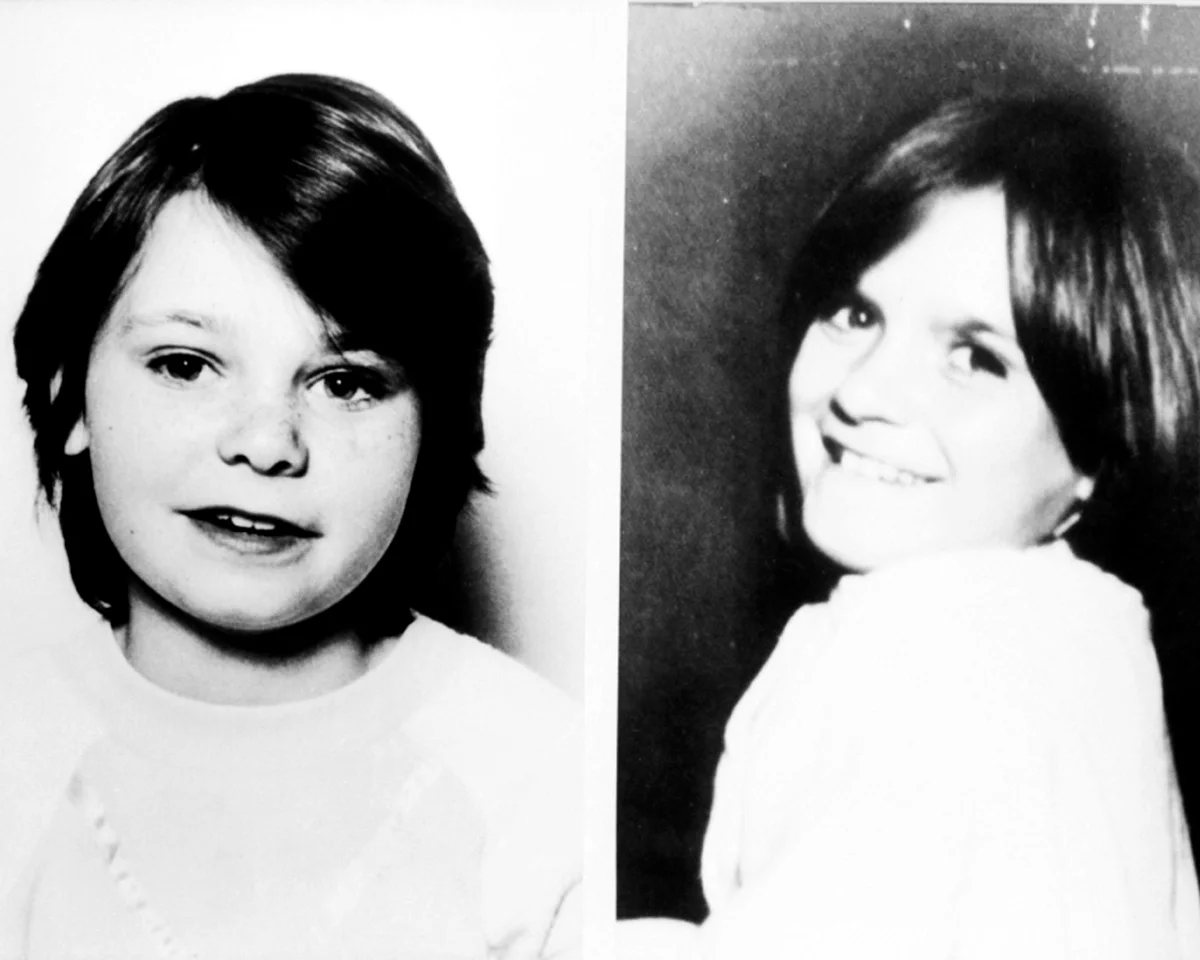
Karen Hadaway was murdered alongside her nine-year-old best friend, Nicola Fellows, in Brighton’s Wild Park in what became known as the Babes in the Woods murders. The killings have remained one of the most haunting unsolved child murder cases in Britain, with the whereabouts of Karen’s clothing becoming a separate mystery after the garments disappeared while being handled by the BBC.
The corporation was reportedly informed about Berry-Dee’s alleged claims on two separate occasions. One warning came from freelance journalist Eileen Fairweather, who had been involved in earlier work connected to the case and later investigated the disappearance of the clothing. A second warning was sent to the office of former BBC director general Tim Davie by Ian Heffron, an uncle of Nicola Fellows.
According to information that has emerged, both warnings raised the possibility that Berry-Dee had claimed to have obtained Karen’s clothes during the 1990s or 2000s. The claims have added another layer to a long-running mystery over the evidence and have prompted questions about whether the BBC adequately investigated information that could potentially have helped establish what happened to the garments.

Karen’s clothes were originally retained as important evidence following her murder. In the late 1980s, Berry-Dee reportedly campaigned for police to return the garments to Karen’s family. He subsequently attempted to persuade her parents to hand them to him, offering to arrange advanced DNA testing that he said could potentially assist the investigation.
In his book A Question of Evidence, Berry-Dee described Karen’s parents giving him the clothes in an emotional exchange. However, the garments appear to have subsequently been returned before they were handed to journalist Martin Bashir in 1991.
Bashir was then working on a possible BBC documentary about the murders. Eileen Fairweather, a freelance journalist who was working with Bashir on the investigation, was present when Karen’s mother, Michelle Hadaway, handed over her daughter’s clothing.
Fairweather recalled the garments being placed inside a bin liner, with a clear plastic evidence bag inside. She said the bloodstains were visible through the bag, underlining the potential evidential significance of the material.
The clothes were subsequently lost while in the BBC’s possession. The disappearance became publicly known in 2004 when a police detective contacted the corporation seeking their return. The BBC discovered that it could not locate them and later apologised to Karen’s mother. The corporation eventually reached a financial settlement with her over the loss.
The mystery surrounding the garments resurfaced years later when Fairweather began investigating their disappearance again. Her renewed interest followed the wider scrutiny of the BBC’s conduct surrounding Bashir, particularly after an inquiry concluded that he had used forged documents to deceive Diana, Princess of Wales, into agreeing to the 1995 Panorama interview.
During her investigation, Fairweather was told by sources that Berry-Dee had boasted about having Karen’s clothes during the 1990s and 2000s. The allegations were particularly significant because of his earlier involvement with the garments and his public interest in the case.
Fairweather also uncovered information about Berry-Dee’s history, including allegations that he had twice been arrested and once charged in connection with alleged child sexual abuse. He was never convicted of those allegations. Berry-Dee has denied allegations of sexual and violent offences made against him.
The exact timeline of the clothing remains unclear. Berry-Dee told the Guardian that it was “100% correct” that he had obtained the garments and claimed that he later burned them. However, he did not provide a detailed explanation of when he had allegedly obtained them or clarify whether he had acquired them again after Michelle Hadaway handed the clothing to the BBC.
The uncertainty surrounding the timeline is central to the latest questions. If Berry-Dee obtained the clothes after they were handed to the BBC, it could raise questions about how the garments left the corporation’s possession. If his claim referred only to an earlier period, before the BBC received them, it would not explain their disappearance from the broadcaster.
A lawyer representing Bashir said the former journalist had no recollection of Berry-Dee. According to the lawyer, Berry-Dee left the clothing at the BBC’s Public Eye offices and that was the extent of his involvement with the garments from Bashir’s perspective.
Fairweather contacted the BBC’s whistleblowing unit in 2022, telling the corporation that she believed Berry-Dee was the last person known to have possessed Karen’s clothes. The BBC reportedly said that senior leadership was reviewing the allegations.
Three years later, Fairweather was informed that the corporation had closed the case and would take no further action.
A separate warning was sent to the office of Tim Davie by Ian Heffron, whose niece Nicola Fellows was murdered alongside Karen. Heffron contacted the BBC after Davie had apologised to a parliamentary committee on behalf of the corporation for losing Karen’s clothing.
He asked the BBC to make urgent enquiries into whether it had ever employed or been associated with Berry-Dee. He explained that his concern came from information that the author had claimed to have possessed Karen’s clothes.
Davie’s office confirmed that the email had been received, but Heffron said he received no further substantive response.
The revelations have raised difficult questions about the BBC’s handling of the missing evidence and whether information provided to the corporation was investigated adequately. The clothing was not simply personal property belonging to a murder victim. It had been collected and preserved in connection with a major criminal investigation and could potentially have contained forensic evidence.
The BBC declined to comment specifically on whether it took action following the warnings from Fairweather and Heffron. A spokesperson said the corporation had apologised in 2023 for falling short in its duty of care towards Michelle Hadaway and had reached a settlement with her concerning the loss of her daughter’s clothes.
The BBC also said it believed the matter had been investigated as thoroughly as possible.
For Karen’s family and those who have followed the case for decades, however, the disappearance of the clothing remains a painful unresolved issue. The garments were physically recovered from the family, transferred into the hands of journalists and then disappeared after becoming associated with a BBC investigation.
The latest claims do not establish what ultimately happened to the clothes, and Berry-Dee’s account has not been independently verified. His statement that he once possessed them and later burned them leaves significant questions unanswered, particularly regarding the chronology of his alleged possession.

The case also illustrates the lasting consequences that can arise when material connected to a serious criminal investigation is lost. For families of victims, the disappearance of evidence can represent more than an administrative failure. It can create decades of uncertainty and leave unanswered questions about whether potentially important information was permanently destroyed.
Karen Hadaway and Nicola Fellows were killed more than four decades ago, yet their deaths continue to resonate in Brighton and beyond. The latest revelations have brought renewed attention to the circumstances surrounding Karen’s clothing and the responsibility of organisations that handle sensitive material connected to victims of violent crime.
The central mystery remains unresolved: the BBC has acknowledged losing Karen’s clothes, while Berry-Dee has claimed that he possessed them and later destroyed them. Between those two accounts lies a timeline that has yet to be fully explained.
The new information is therefore unlikely to end questions surrounding the missing evidence. Instead, it adds another troubling chapter to a case that has already endured decades of investigation, uncertainty and grief.
Related News:
 Undercover officer deceived women with ‘grotesque and cruel’ lies, spycops inquiry told
 Barrister Criticises Trial After Suicide Case Verdict
 Westminster Council Threatens Charing Cross Soup Kitchen
 Cambridge Professor Jason Arday Found Dead at Home
 Prevent Failings Exposed After Southport Attack
 Walsall Rapist Jailed After Hate-Filled Online Trail
 Two Children Die in Wolverhampton House Fire Tragedy
 Police Suspect Help in Missing Alice Springs Girl Case
 Victim says non-custodial rape sentence ‘rock in my face’
 Murder Probe Continues After Arrest Release
 It’s time to come clean on the China spy case
 Five More Prisoners Freed by Mistake in Essex Week
 Nearly 48,000 Zombie Knives Removed from UK Streets in a Year
 Afghan man charged with murder after west London knife attack
 Man Charged Over Cambridgeshire Train Stabbing
 Pregnant UK Teen to Be Freed from Georgian Jail
 French Taxi Driver Cleared in David Lammy Theft Case After Fare Dispute
 Just Stop Oil Protesters Convicted Amid Climate Defence Row
 Lammy ‘misinformed’ over Wandsworth prisoner releases
 Met Police Culture Makes Racial Harm ‘Inevitable’
 British Grandmother to Return Home After Death Sentence in Bali
 Remaining rebel Labour MPs have whip restored
 Bar Council urges legal aid for all domestic abuse family cases
 Judges to Decide Fate of Chief Constable Guilty of Contempt
 ‘Fake Admiral’ Sparks Outrage at Remembrance Event
 Paralegal Fired After Exposé on Illegal Worker Scam
 Dan Wootton Rejects Catfishing Allegation in Court
 Serial Rapist and Former Cop Found Guilty Again
 Gardener Guilty of Brutal Attack on Teacher Partner
 Man Arrested Over Manchester Synagogue Terror Attack
 Twelve Prisoners Released in Error, Two Still Missing
 Woman Jailed for Life After Killing E-Bike Rider in Tragic Mistaken Identity Case
 Mass Arrests at London Palestine Protest Spark Debate
 Ben Roberts-Smith Denies War Crime Allegations in First Statement
 Iran Threats Target Journalists in UK
 Synagogue Arson Attempt Sparks Security Fears
 City & Guilds Sale Sparks Fees and Pay Uproar
 NHS Safety Fears as Nurses Cover Doctor Gaps
 FBI Links Brown University Shooting to Long-Term Grievances
 Cartel crackdown raises fears of fresh violence
 UK may ban protests amid rising antisemitism fears
 Greens Face Internal Row Over Antisemitism Claims
 Florida Surgeon ‘Devastated’ Over Fatal Surgery Error
 City & Guilds Faces Governance Crisis Over Sale
 Immigration Judges Fear Pressure in Trump Era
 Ex-Soldier Jailed in £2m Glasgow Drugs Bust
 Cornwall Van Dwellers Face Eviction in Housing Crisis
 New Footage Revives Peter Falconio Mystery
 Teen Charged After Layla Jeffery Found Dead
 Targeted Attack in Bury Sparks Murder Investigation as Community Awaits Justice
 Man Remanded After Children Fall Ill at Leicestershire Summer Camp in Shocking Child Cruelty Case
 Merseyside Police Helicopter Crew Cleared After Low-Altitude Pursuit of Suspect
 UK Launches Major Crackdown on Networks Profiting from Online Child Sexual Abuse
 No Evidence Found to Substantiate Alleged Rape in Oxfordshire Churchyard, Police Confirm
 Peterborough Mosques Tighten Security After Attack
 UK Bans Fake Numbers: Scammers Lose Their Trick
 King Charles to Lead Nation in Remembrance Sunday Service
 Major Rent Reform Ends No-Fault Evictions in England
 Criminal Gangs Pose as Truckers to Hijack UK Supply Chains
 Mother Watches in Horror as Teen Daughter Dies on Tracks
 Man Denies Stealing Bronze Age Gold from Museum
 Inside the Helpline Protecting Missing Children in the UK
 Most Tories Expect to Support a Farage-Led Government
 Runaway Driver Caught by DNA Evidence
 Virgin Media Fined £23.8m Over Telecare Safety Failures
 Met Police Vetting Failures Let Serial Rapists Remain
 Google Employee Claims Redundancy After Harassment Report
 School vetting failure exposed by London abuse case
 Proposed Law Leaves Gap for Children of Convicted Paedophiles
 Rising Costs Force Families to Rethink Days Out
 Men Bailed After Arson Attack on Jewish Ambulance Service
 Fugitive Dezi Freeman Killed in Rural Victoria Shootout
 Police Chiefs Under Fire for Failing to Address Racism
 M&S Demands Urgent Action on Rising Violent Retail Crime
 Met Officers Probed Over Al Fayed Abuse Allegations
 Farage and Reform UK Reshape British Politics
 Shocking Zoo Incident Sparks Attempted Murder Probe
 Guarding Justice: The Henry Nowak Case and Police Accountability
 British Teens in EU Face Soaring UK University Fees
 UK Schools Struggle as Classrooms Top 40C