Published: 30 April 2026. The English Chronicle Desk. The English Chronicle Online
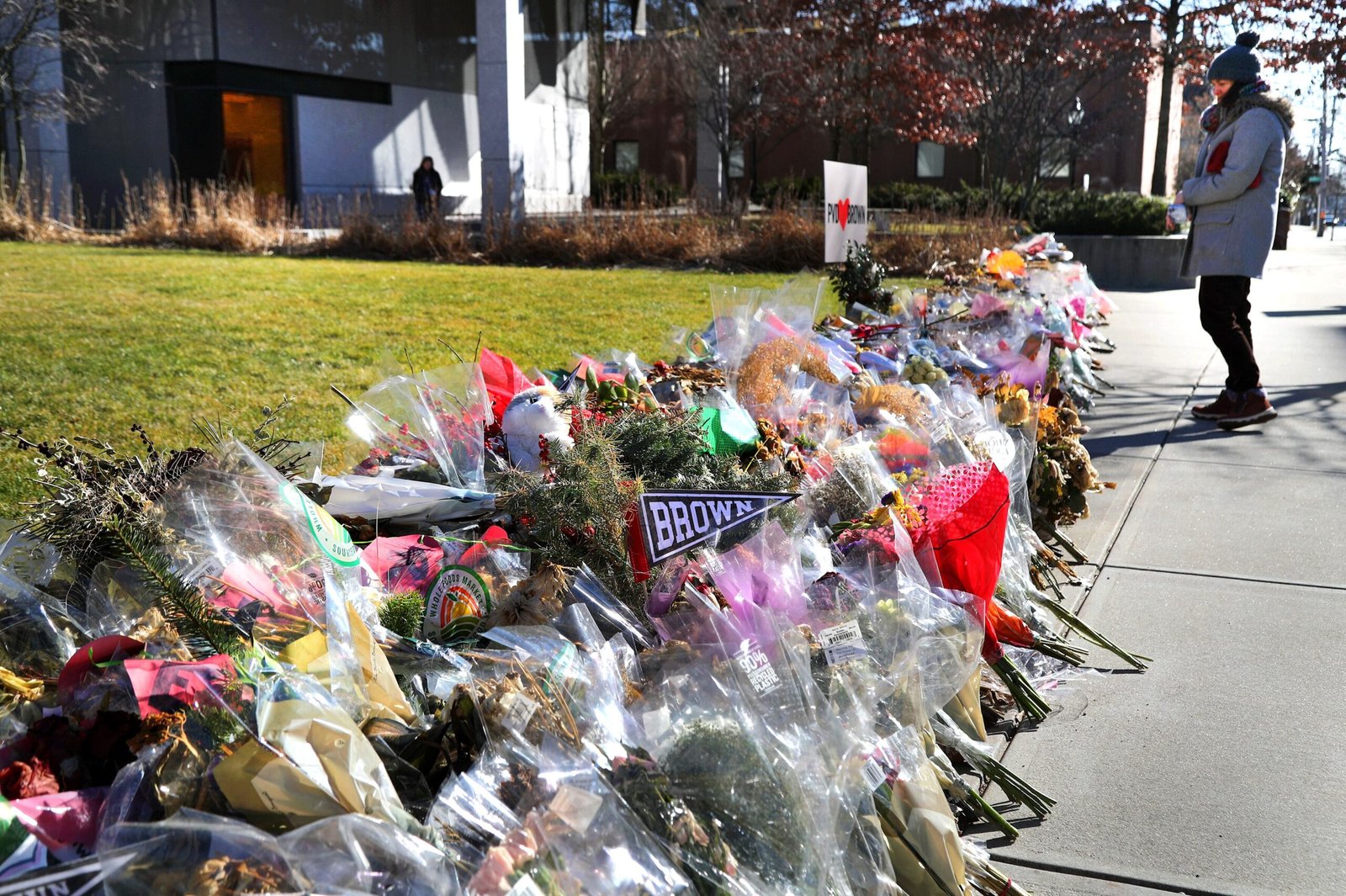
Federal investigators have concluded a major portion of their inquiry into the deadly shooting at Brown University, revealing that the attacker, Claudio Manuel Neves Valente, was driven by a prolonged buildup of personal grievances and perceived injustices. According to the FBI’s Boston division, the case indicates a deeply troubled individual who developed resentment over many years, ultimately culminating in a targeted and premeditated attack that left multiple victims dead and injured across two separate incidents in Massachusetts.
Authorities confirmed that Neves Valente, a 48-year-old Portuguese national, was responsible for a shooting at Brown University in December that killed two students and injured nine others. In a related attack, he also killed a Massachusetts Institute of Technology professor, Nuno Loureiro, at the professor’s home outside Boston. The suspect later died from a self-inflicted gunshot wound in New Hampshire following a multi-day manhunt.

Investigators stated that Neves Valente had been planning the attack for several years, with preparations reportedly beginning in 2022. The FBI described the violence as premeditated and driven by what it called an “accumulation of grievances” linked to the suspect’s personal and professional life. Officials said he appeared to view both Brown University and individuals from his past as symbolic representations of failures and perceived injustices.
According to law enforcement findings, Neves Valente left behind recordings and video messages in which he reportedly admitted responsibility for the attacks. Authorities said these materials provided insight into his mindset, showing no expression of remorse and instead reinforcing his belief that he had been wronged over time. Investigators emphasised that he acted alone and that there was no evidence of wider involvement or organisational support.
The FBI’s assessment suggests that the suspect’s mental and emotional state deteriorated significantly in the years leading up to the attacks. Officials described a pattern of increasing paranoia and isolation, noting that he lacked close personal relationships that might have helped identify warning signs. His inability to maintain stable employment and interpersonal conflicts were identified as contributing factors in his escalating grievances.
Neves Valente had a complex academic history that included studying physics at Instituto Superior Técnico in Portugal before attending Brown University in the United States in the late 1990s. He reportedly withdrew from the university in 2001 and later left the country. He returned to the United States years later, obtaining lawful permanent residency in 2017 while living in Florida. At the time of the attacks, he was unemployed.
Investigators highlighted that the victims were selected not randomly, but because they were perceived by the attacker as symbolic targets connected to his personal frustrations. Brown University, where he had previously studied, and MIT professor Nuno Loureiro, who had shared academic ties with him in Portugal, were both identified as figures tied to his sense of failure and resentment.
Authorities described the case as an example of how long-term psychological distress combined with perceived personal injustice can evolve into targeted violence. However, they also noted that no single intervention point had been identified where authorities could have definitively prevented the attacks, given the absence of prior criminal escalation or direct threats reported to law enforcement.
The FBI stressed that the investigation remains ongoing in certain areas, particularly regarding the suspect’s digital activity and international movements. However, the central findings suggest that the attack was not part of a broader conspiracy and was instead the result of an individual acting alone.
The case has reignited debate in the United States about campus security, mental health monitoring, and early identification of potential threats. Universities across the country have faced increasing pressure in recent years to strengthen behavioural threat assessment systems, although experts caution that predicting isolated acts of violence remains highly complex.

At Brown University, the attack prompted a broader review of campus safety protocols and emergency response procedures. MIT has also reportedly conducted internal assessments following the death of Professor Loureiro, focusing on staff security and communication with law enforcement agencies.
Officials involved in the investigation emphasised that while the suspect’s background included academic achievement and legal residency status, his psychological deterioration and growing resentment played a central role in the tragedy. They warned that such cases often involve long-term behavioural patterns that may not be immediately visible to institutions or authorities.
As the investigation moves toward closure, federal officials have reiterated the importance of community awareness and reporting concerning behavioural changes, while acknowledging that no system can fully eliminate the risk of isolated acts of violence driven by personal grievances.
Related News:
 Cambridge Professor Jason Arday Found Dead at Home
 Undercover officer deceived women with ‘grotesque and cruel’ lies, spycops inquiry told
 Swalwell Faces Pressure to Quit Governor Race
 Prevent Failings Exposed After Southport Attack
 Ben Roberts-Smith Denies War Crime Allegations in First Statement
 City & Guilds Sale Sparks Fees and Pay Uproar
 Harmeet Dhillon Faces Scrutiny in DOJ Role Debate
 Teacher Alleges Misogyny at Elite School
 Police Suspect Help in Missing Alice Springs Girl Case
 US Charges Sinaloa Governor in Major Cartel Case
 Cartel crackdown raises fears of fresh violence
 US states redraw maps after voting rights ruling
 US ‘Narco Boat’ Strikes Draw Global Outcry
 Florida Surgeon ‘Devastated’ Over Fatal Surgery Error
 City & Guilds Faces Governance Crisis Over Sale
 Barrister Criticises Trial After Suicide Case Verdict
 Immigration Judges Fear Pressure in Trump Era
 US judge dismisses Kilmar Abrego Garcia indictment
 Gunman Killed After White House Security Shootout
 Murder Probe Continues After Arrest Release
 New Footage Revives Peter Falconio Mystery
 Pradhan Resigns Amid Protests
 Westminster Council Threatens Charing Cross Soup Kitchen
 BBC Warned About Missing Clothes of Murder Victim
 Badenoch Warns Farage’s Grooming Gangs Plan Could Backfire
 Five More Prisoners Freed by Mistake in Essex Week
 Afghan man charged with murder after west London knife attack
 Police Probe Four Knife Incidents Linked to Cambridgeshire Train Attack
 French Taxi Driver Cleared in David Lammy Theft Case After Fare Dispute
 UK University Faces Counter-Terror Probe Over China Pressure
 Just Stop Oil Protesters Convicted Amid Climate Defence Row
China-critical UK academics face ‘extremely heavy’ pressure from Beijing
Just Stop Oil Protesters Convicted Amid Climate Defence Row
China-critical UK academics face ‘extremely heavy’ pressure from Beijing
 Government urges schools to ban phones to curb classroom disruption
 South Korea’s Jeju Island Faces Rising Tide of Illicit Drugs
 Oklahoma Governor Grants Last-Minute Clemency to Death Row Inmate
 Rio Raid’s Death Toll Raises Questions About Gang Impact
 Delhi Car Bomb Arrest: Suspect Linked to Deadly Attack
 Charlotte Raids: 130 Arrested in Major Immigration Sweep
 South African Detained After Neo-Nazi Rally in Australia
 Serial Rapist and Former Cop Found Guilty Again
 Man Charged Over Attempted Murder of Senior Officer
 Two Officers Injured After Van Deliberately Rams Patrol Car
 Man Denies Stealing Bronze Age Gold from Museum
 Ex-Harvard President Pauses Teaching Over Epstein Emails
 Runaway Driver Caught by DNA Evidence
 Two National Guard Soldiers Critically Injured Near White House
 US National Guard Member Killed in DC Shooting
 American Mother Extradited From UK to U.S. on Murder Charges
 Trump officials continue false claims after Alex Pretti shooting
 Partial US Government Shutdown Hits Homeland Security Funding
 Thousands Protest ICE Operations in Nationwide US Day of Action
 Police Doubt Fugitive Dezi Freeman Survived Bushland
 Missing North Carolina Woman Found Alive After 24 Years
 Trump Probe Fallout: Patel Fires FBI Staff Tied to Documents Case
 Adelaide University Faces Backlash Over Event Cancellation
 Utah Woman Found Guilty of Poisoning Husband for Inheritance
 Sydney Teacher Arrested in Teenage Grooming Investigation
 Fugitive Dezi Freeman Killed in Rural Victoria Shootout
 Melania Trump Epstein remarks spark survivor backlash
 Learner Driver Charged After Expo Tragedy
 Louisiana Tragedy: Eight Children Die in Mass Shooting
 OpenAI CEO Apologizes After Canada Shooting Case
 NHS Safety Fears as Nurses Cover Doctor Gaps
 Trump at Press Dinner Sparks Tension
 Two Children Die in Wolverhampton House Fire Tragedy
 US Court Weighs Fate of TPS for Migrants
 US Court Ruling Reshapes Voting Rights Landscape
 Judge halts deportation of Yemeni refugees in US
 White House Security Case Sparks Political Firestorm
 Trump warns Iran as Middle East tensions surge again
 US green card applicants must apply from abroad, DHS says
 Tulsi Gabbard exits after turbulent intelligence tenure
 Former ICC prosecutor condemns US sanctions
 DeSantis’s ‘Alligator Alcatraz’ Faces Final Shutdown
 Prosecutor Proposes Law to Combat Election Deceit
 Teenage Victim Identified as Community Mourns Stabbing Death
 Trump Refuses to Sign Housing Bill, But Law Takes Effect
 Trump Orders Signs Criticising Smithsonian Museum
 Israeli Strike in Southern Lebanon Kills Seven
 Is America Ready for an AOC Presidential Run?