Published: 30 April 2026. The English Chronicle Desk. The English Chronicle Online
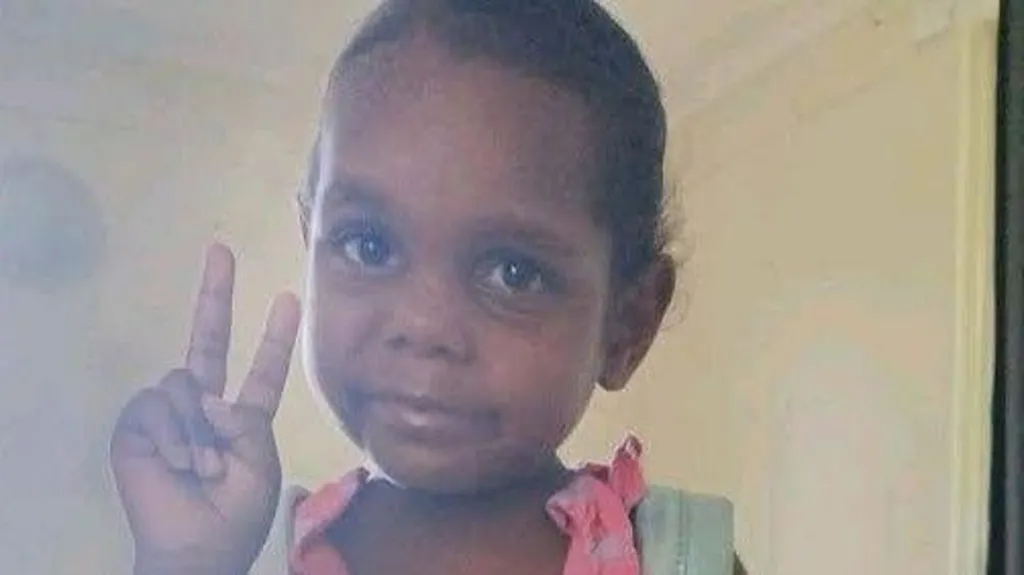
A massive five-day search operation in the heart of the Australian Outback has ended in profound tragedy. Northern Territory Police confirmed this afternoon that a body, believed to be that of a missing five-year-old girl, was discovered in harsh desert terrain approximately five kilometers from where she was last seen. The child, referred to by her family as Kumanjayi Little Baby in accordance with Indigenous customs, had been the subject of an intensive land and air manhunt since her disappearance from a town camp near Alice Springs last Saturday night.

The discovery has transitioned a desperate rescue mission into a murder investigation. Authorities have issued a chilling public warning to the primary suspect, 47-year-old Jefferson Lewis, who remains at large and is believed to be “armed with local knowledge” of the unforgiving landscape.
The search for Kumanjayi—who was also known to some as Sharon—began on Saturday night after she was allegedly abducted from her bed at the Old Timers camp just six days after Lewis was released from prison.
The Suspect: Jefferson Lewis, a recently released prisoner, was reportedly seen holding the non-verbal girl’s hand late Saturday. Police have described the search for him as their “sole priority.”
Forensic Breakthrough: Assistant Commissioner Peter Malley revealed that forensic analysis of a pair of child’s underwear found during the search detected DNA profiles belonging to both the girl and Lewis.
The Warning: In a stark message to Lewis’s relatives, police warned against harboring him. “To the family of Jefferson Lewis: we believe he has murdered this child… do not assist him. Get him to the police station,” Malley urged.
The tragedy has hit the Central Australian community with devastating force. The five-year-old was a niece of prominent Coalition frontbencher Senator Jacinta Nampijinpa Price, who described the loss as “incredibly frightening and disturbing” for the family.
“There was nothing I could do – just cry,” her grandfather, Robin, told reporters. “She was a really nice, little, good, quiet girl.”
The search involved hundreds of volunteers, Aboriginal trackers, and Australian Defence Force members, all battling extreme heat and rugged conditions. Northern Territory Police Commissioner Martin Dole called the discovery the “worst possible outcome” and urged the Alice Springs community to support one another during a period of intense grief.
The case has reignited a fierce debate over the safety of remote Indigenous communities and the supervision of recently released violent offenders.
Post-Release Monitoring: Questions are being asked as to why Lewis, who had been free for less than a week, was able to vanish with a child so quickly.
The “Camp” Crisis: Advocates point to the “inadequate” housing and security at town camps like Old Timers, where residents are often marginalized and vulnerable to external threats.
Indigenous Justice: The family’s request to use the name “Kumanjayi” (a term used to avoid speaking the name of the deceased) highlights the deep cultural significance of the tragedy for the local Arrernte people.
A post-mortem examination is scheduled for Friday to determine the cause and timing of death. Meanwhile, the manhunt for Lewis has expanded, with police setting up roadblocks and utilizing thermal imaging drones to track movement in the desert.

As the King’s visit to Washington underscores the importance of the Commonwealth bond, the “special relationship” between the Australian government and its First Nations people is once again under the microscope. For the town of Alice Springs, the “Golden Tone” of a young girl’s future has been silenced by a darkness that the Outback’s vastness could not hide.
Related News:
 ‘Staggeringly Stupid’ Man Jailed After Tattooing Children
 Suspect in Rhode Island Ice Hockey Shooting Killed Ex‑Wife and Son
 Epstein Eyed Record Label Investment to Access Women, Files Suggest
 Wealthy Parents Play Dead After Son Hires Hitman to Kill Them
 Ecuador Deploys 75,000 Forces in Anti-Gang Drive
 ‘The Nanny of Bondi’: Accused Pinochet Agent Adriana Rivas to be Extradited to Chile
 The Fallen Icon: Ben Roberts-Smith Charged with Five War-Crime Murders
 “Utterly Devoid of Merit”: Christchurch Mosque Shooter Loses Bid to Overturn Convictions
 Northern Ireland Family of Three Shot Dead in Maguiresbridge Home Incident
 Failed New Mexico Candidate Sentenced to 80 Years for Drive-By Shootings at Lawmakers’ Homes
 Jailed Georgian Opposition Leaders Warn UK of Iranian Links to Ruling Party
 Just Stop Oil Protesters Convicted Amid Climate Defence Row
 British Grandmother to Return Home After Death Sentence in Bali
 Oklahoma Governor Grants Last-Minute Clemency to Death Row Inmate
 Emails Show Epstein Funded Mandelson’s Husband After Jail
 Disability and LGBT Hate Crimes Set to Become Aggravated Offences
 Last‑ditch Call to Save Police Front Counters in London
 Nine Arrested in France Over Death of Far‑Right Student
 Desperate Hunt for Breakthrough in Nancy Guthrie Case Turns to Mexico
 How Much Could Andrew’s Arrest Hurt the Royal Family?
 Epstein Files Could Be Just Tip of the Iceberg for Andrew Investigation
 Man Guilty of XL Bully Offence After Fatal Attack
 Austrian Climber Found Guilty After Girlfriend Froze to Death on Mountain
 Conman Stole My Money and Bought His Wife a 10‑Carat Diamond Ring
 Sadistic Pair Jailed for Blowing Up Sheep
 ‘I reported rape in Hong Kong, now I could face prison’
 Sydney kidnapping mystery deepens as grandfather’s remains found after mistaken abduction
 Two Arrested After Woman Set on Fire in Revenge Attack
 Australians Arrested Over Alleged Murder of Grandfather Mistakenly Kidnapped
 US ‘Suitcase Murderer’ Deported From Bali After 11 Years in Jail
 Grave of Murdered Toddler James Bulger Vandalised
 Family of Girl Groomed by Ian Huntley Beg Medics to Save His Life
 Undercover officer deceived women with ‘grotesque and cruel’ lies, spycops inquiry told
 Alleged Bondi gunman seeks order to suppress family’s identity
 Istanbul’s ex-mayor to stand trial on corruption charges
 Gran Vows to Shield Huntley’s Daughter From Soham Killer’s Funeral
 Chinese National Arrested Over Attempt to Smuggle 2,000 Queen Ants From Kenya
 Blind Woman Forced to Move Out After Leak Causes Ceiling to Cave In
 Rapist Caught After Victim Calls Police Mid-Attack

 Children’s Author Convicted in Husband Poisoning Case
 Teen Admits Filming Westfield Chair Prank
 Missing Cuba-Bound Aid Ships Spark Urgent Search
 Belarus Leader Gifts Rifle to Kim Jong Un
 Families Tortured by Authorities During Investigations Inquiry Told
 Mother’s Heartbreak as Son Traumatised by Friend’s Sexual Abuse
 Watchdog Probes Police Handling of Andrew Tate Abuse Claims
 Dawn Raids in Scotland and Spain: Eight Arrested in Major Organised Crime Sting
 ‘I Didn’t Realise’: ‘Housebound’ Benefit Cheat Caught Ziplining in Mexico
 Three-Minute Heist: Renoir, Cézanne, and Matisse Masterpieces Stolen in Italy
 Seven-Month Australian Manhunt Ends in Fatal Shootout
 “The Monster of Hull”: Funeral Director Admits to Preventing 30 Burials and Stealing Charity Cash
 ‘I Will Not Abandon Him’: Pauline Hanson Stands by Ben Roberts-Smith After War Crime Charges
 ‘Ghost Offences’: Data Reveals No Children Charged with New ‘Adult Crime’ Laws in 11 Years
 Reckoning in Sydney: Ben Roberts-Smith Arrested and Charged with Five War Crime Murders
 ‘It Was an Accident’: Rohan Dennis Breaks Silence to Attack ‘False Narrative’ Over Wife’s Death
 The $100 Billion Peace: Trump’s ‘Grand Bargain’ Ends Iran Conflict at a Staggering Cost
 Heartbreak in Bournemouth: The Tragic Death of James Blanch
 Rebranded or Reclaimed? Seized Tate Assets to Fund Domestic Abuse Support
 Justice in Limbo: Top Australian Soldier to Remain on Remand for War Crimes
 The Gilgo Beach Case: Heuermann Expected to Plead Guilty to Eighth Victim
 The Victim-Blame Loop: When Protection Orders Backfire
 The Courtroom Clash: Couple Denies Charges in Alleged Racially Motivated Assaults
 Justice Served: Man Jailed for Grooming Minor Met on Gaming Platform
 California fireworks blast: murder charges filed in case
 The Masked Frontier: Allegations of Greek Police Using Proxies for ‘Seismic’ Border Pushbacks
 National Heartbreak: Turkey Mourns Victims of Unprecedented School Shooting Wave
 Ben Roberts-Smith Denies War Crime Allegations in First Statement

 ‘Thugs for Hire’: 17-Year-Old Charged in Counter-Terror Probe Following Synagogue Firebombing
 ‘A Sacred Space Shattered’: Two Found Guilty in London Church Drive-By Murder Trial
 Justice and Deceit: High Court Convicts Woman in Hong Kong Blackmail Plot
 OpenAI CEO Apologizes After Canada Shooting Case
 The £36 Billion Reckoning: BHP Faces Quantum Trial After High Court Liability Landmark
 “Significant” Fire at Pink Punters: 51-Year-Old Man Arrested Following LGBT+ Club Blaze
 “Terrorism Suspect” Arrested in Devon as Investigation into London Jewish Site Attacks Widens
 Ukraine Urges UK to Seize Russian Oil Tankers
 Two Dead in Adelaide Airport Plane Crash Fire
 Police Suspect Help in Missing Alice Springs Girl Case
 The Cost of Conviction: Singapore High Court Fines Activists for Pro-Palestinian “Watermelon Walk”