Published: 30 April 2026. The English Chronicle Desk. The English Chronicle Online
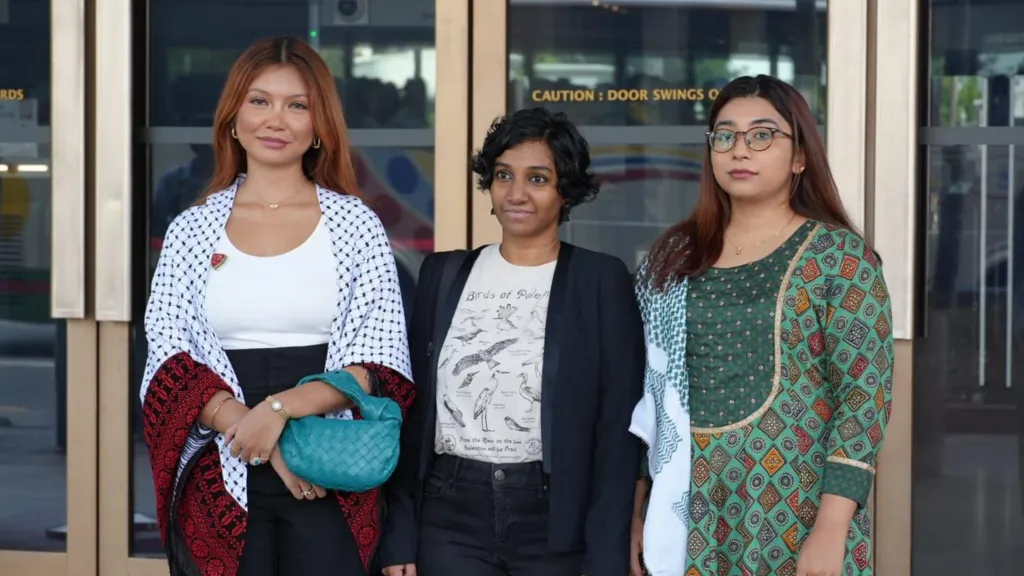
In a landmark ruling that has sparked intense debate over civil liberties in the city-state, the Singapore High Court today overturned the acquittal of three women involved in a 2024 pro-Palestinian procession. Annamalai Kokila Parvathi, Siti Amirah Mohamed Asrori, and Mossammad Sobikun Nahar were each fined S$3,000 (£1,770) after a judge ruled that they “ought reasonably to have known” they were violating the Public Order Act by walking within a prohibited zone near the Istana, the presidential palace.

The decision marks the end of a protracted legal battle that began in February 2024, when the trio led a group of 70 people through a popular shopping district to deliver letters of protest to the Prime Minister’s Office. The walk, characterized by participants carrying umbrellas painted with watermelon motifs—a global symbol of Palestinian solidarity—has now become a focal point for the limits of political expression in Singapore.
Today’s verdict by Justice See Kee Oon completely reverses a District Court decision from October 2025, which had originally acquitted the women.
The Original Acquittal: A district judge had previously ruled that the women lacked “actual knowledge” that their route fell within a prohibited area, noting there were no clear signs on the public pavement indicating a restricted zone.
The Prosecution’s Appeal: High Court prosecutors successfully argued that the district judge had made an “error in law.” They contended that “ignorance of the law is no excuse” and that the activists had a responsibility to check government gazettes and police advisories before organizing the event.
The High Court Verdict: Justice See agreed, stating it was “disconcerting” that the lower court had not applied the correct legal test. He ruled that the organizers should have made “appropriate enquiries” given the high-security nature of the Istana.
The 2024 walk was notable for its creative use of imagery to bypass Singapore’s strict anti-protest laws.
Symbolic Solidarity: Because public displays of the Palestinian flag are heavily restricted in Singapore, participants used watermelon-themed umbrellas to mirror the flag’s colors (red, green, black, and white).
The Delivery Mission: The defense argued the walk was not a “procession” but a peaceful collective effort to hand-deliver letters to the mail drop-off point at the Istana’s rear gate.
The Public Order Act (POA): Under Singaporean law, any assembly or procession to publicize a cause requires a police permit. Authorities have effectively banned all public gatherings related to the Israel-Gaza conflict since October 2023, citing the risk of disturbing “racial and religious harmony.”
The fines have been met with “deep disappointment” by local civil society groups.
“This isn’t just about three women; it’s about the space for conscience in Singapore,” said Annamalai Kokila Parvathi outside the court. “We believe civil disobedience has an important role in a healthy democracy, but today the law has chosen to prioritize ‘prohibition’ over ‘expression’.”
The ruling comes amidst a global “long tail” of legal fallout from the Middle East conflict. As the King’s visit to Washington emphasizes the U.S.-UK-Singapore security axis, the city-state’s government remains firm that “foreign causes” must not be imported into its domestic politics.
While the prosecution did not seek a jail term, the maximum penalty for the offence could have reached six months in prison or a S$10,000 fine.
The “Mule” Parallel: Similar to the RBI’s new “speed breakers” in India, Singaporean authorities argue that “friction” in the form of strict permits is necessary to prevent social volatility.

The Global Mirror: The case reflects similar “protest crackdowns” seen in Berlin and London, though Singapore’s lack of a constitutional right to “peaceful assembly” (without a permit) makes its legal landscape uniquely challenging for activists.
As the “Watermelon Walkers” pay their fines today, the message from the Singaporean bench is clear: in the pursuit of solidarity, the “reasonable enquiry” of the law must come before the convictions of the heart.
Related News:
 Inside Kyiv’s resolve as conflict nears five‑year mark
 US Partially Evacuates Beirut Embassy Amid Rising Iran Tensions
 Ecuador Deploys 75,000 Forces in Anti-Gang Drive
 ‘Seismic Change’: How Nationalist Wins in Celtic Nations Could Reshape the UK
 ‘Power Plant Day and Bridge Day’: Israel Warns Iranians Off Trains as Trump Ultimatum Looms
 The $100 Billion Peace: Trump’s ‘Grand Bargain’ Ends Iran Conflict at a Staggering Cost
 Exit Stage Left: Eric Swalwell Abandons California Governor Bid Amid Misconduct Allegations
 The Disenfranchised Frontier: Political Turmoil Grips Border State as Nine Million Lose Voting Rights
 Political Aftershock: Democrats Scramble in Sacramento as Swalwell Withdrawal Upends 2026 Race
 The Masked Frontier: Allegations of Greek Police Using Proxies for ‘Seismic’ Border Pushbacks
 Trump Administration Dismisses 17 Immigration Judges, Sparking Debate Over Judicial Independence
 Jailed Georgian Opposition Leaders Warn UK of Iranian Links to Ruling Party
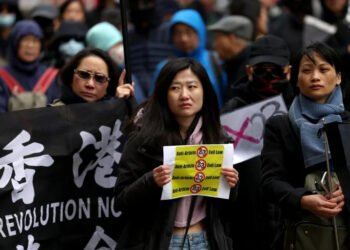 UK Extradition Law Change Sparks Fears Among Hong Kong Dissidents
 Johnson Approved China’s London ‘Super-Embassy’ in 2018
 China-critical UK academics face ‘extremely heavy’ pressure from Beijing
 Trump Urges Herzog to Grant Netanyahu Full Pardon
 US Justice Department Files Lawsuit Against California Over Partisan Voting Maps
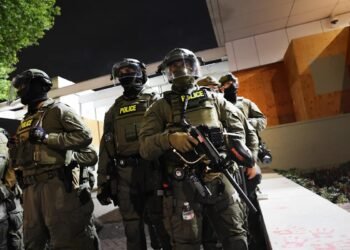 Trump Deploys DHS to Charlotte in Major Arrest Operation
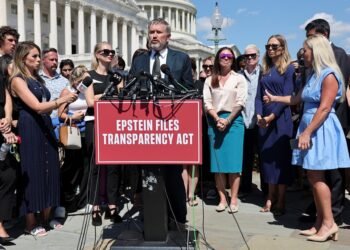 Congress Approves Release of Epstein Files, Trump Expected to Sign
 Texas Governor Faces Lawsuit From CAIR
 Chinese & Japanese Boats Clash Near Disputed Islands
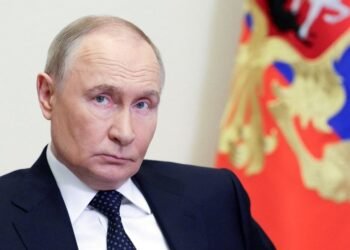 Putin Meets US Envoy Amid Key Ukraine Peace Talks
 South Korea Jails Ex-President in Martial Law Ruling
 Emails Show Epstein Funded Mandelson’s Husband After Jail
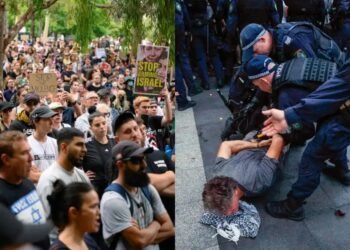 Sydney Protest Clash Triggers Police Probe
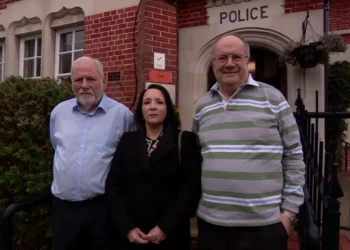 Last‑ditch Call to Save Police Front Counters in London
 Suspect in Rhode Island Ice Hockey Shooting Killed Ex‑Wife and Son
 Nine Arrested in France Over Death of Far‑Right Student
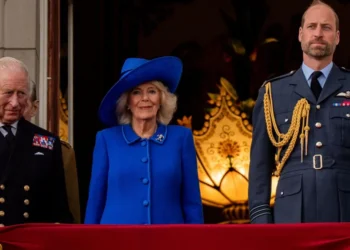 How Much Could Andrew’s Arrest Hurt the Royal Family?
 Epstein Eyed Record Label Investment to Access Women, Files Suggest
 US Senate Vote Fails to Rein in Trump War Powers on Iran
 Manchester Students Mourn Ayatollah Amid Protest
 Baba Vanga’s Chilling World War 3 Prediction and Russia’s New Leader
 Iranian Players Get Australian Visas After Anthem Protest
 Queensland Protest Laws Spark Free Speech Backlash
 China Approves ‘Ethnic Unity’ Law Requiring Minorities to Learn Mandarin
 Missing Cuba-Bound Aid Ships Spark Urgent Search
 Belarus Leader Gifts Rifle to Kim Jong Un
 PM Seeks to Reassure Australians Over Fuel Supply
 US Lawmaker Demands Testimony Over Sarah Ferguson’s ‘Close Epstein Ties’
 The Last of the Lords: Two Hereditary Peers to Retain Ceremonial Roles Amid Historic Ousting
 ‘My Daughter is Under the Rubble’: The Human Cost of the Tehran Strikes
 ‘Eye in the Sky’ Blinded: Photos Reveal Destroyed US Radar Jet at Saudi Base
 ‘Full and Immediate Access’: Netanyahu Reverses Palm Sunday Ban on Latin Patriarch
 Record-Breaking Gridlock: DHS Freeze Becomes the Longest Partial Shutdown in US History
 AfD Demands Full US Troop Withdrawal as ‘Project Veto’ Tensions Flare
 Israel Enacts Death Penalty Law for Palestinians Following 12-Hour Debate
 Status Quo Restored: Netanyahu Intervenes After Police Block Latin Patriarch from Holy Sepulchre
 India Begins Mammoth Census for 1.4 Billion People
 Report Says Pezzullo Acted ‘Recklessly’ in Dealings
 Pope Leo Urges Peace in First Easter Mass Address
 National Icon in Custody: Ben Roberts-Smith Arrested Over Alleged War Crimes in Afghanistan
 ‘I Will Not Abandon Him’: Pauline Hanson Stands by Ben Roberts-Smith After War Crime Charges
 ‘Ghost Offences’: Data Reveals No Children Charged with New ‘Adult Crime’ Laws in 11 Years
 ‘The Soul of Spain’: Politicians Clash Over Renewed Push to Move Picasso’s Guernica
 The Fallen Icon: Ben Roberts-Smith Charged with Five War-Crime Murders
 The Changing Face of Georgia: Trump-Backed Clay Fuller Wins Election
 Justice in Limbo: Top Australian Soldier to Remain on Remand for War Crimes
 The Prediction Prohibition: White House Staff Barred from Betting on Political Markets
 Moldova River Crisis Exposes War’s Hidden Cost
 Suspected Plot Targets Pipeline Before Hungary Vote
 Relief at the Pump: Irish PM Unveils €505m Package to Stem Fuel Crisis
 The Frozen Frontier: Why Frostbite is the Least of Concerns for Canada’s Arctic Forces
 The 850-Seat Solution: India’s Women’s Quota Bill Sparks Parliamentary Expansion Row
 MoD Has Lost Track of Veteran Recall List, Says Adviser
 Canadian astronaut French words ease language row

 The ‘Machli’ Manifesto: Why Indian Politicians are Trading Rallies for Fish Markets
 ‘Diplomatic Turbulence’: Taiwan President Cancels Landmark Africa Tour Amid Airspace Lockout
 “War Crime”: Lebanon Condemns Death of Journalist in Targeted Strike
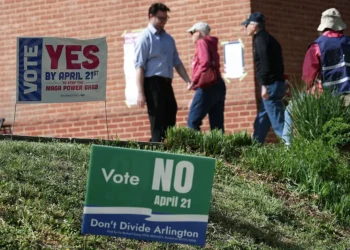 Judicial Whiplash: Virginia Court Pauses Redistricting 24 Hours After Public Vote
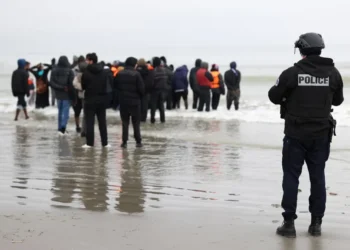 Border Breakthrough: UK and France Finalize New £662m Small Boats Deal
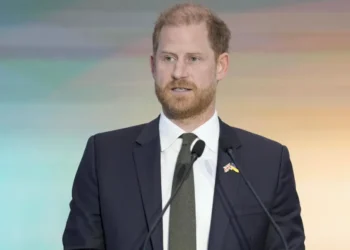 “I Speak for the UK”: Trump Bristles at Prince Harry’s Ukraine Plea
 Diplomatic Crossfire: President Trump Dismisses Prince Harry’s “Passionate” Ukraine Appeal
 Return of the “Skiffs”: Threat Level Raised as Somali Pirates Seize Second Vessel in a Week
 The £36 Billion Reckoning: BHP Faces Quantum Trial After High Court Liability Landmark
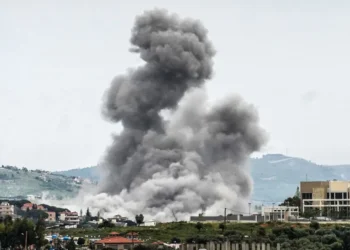 Fragile Silence Broken: 14 Killed in Southern Lebanon During “Bloodiest Day” of Truce
 Ukraine Urges UK to Seize Russian Oil Tankers
 US Court Weighs Fate of TPS for Migrants
 The “Charles Charm” Offensive: Did the Royals Find Their Mojo in D.C.?