Published: 17 April 2026. The English Chronicle Desk. The English Chronicle Online
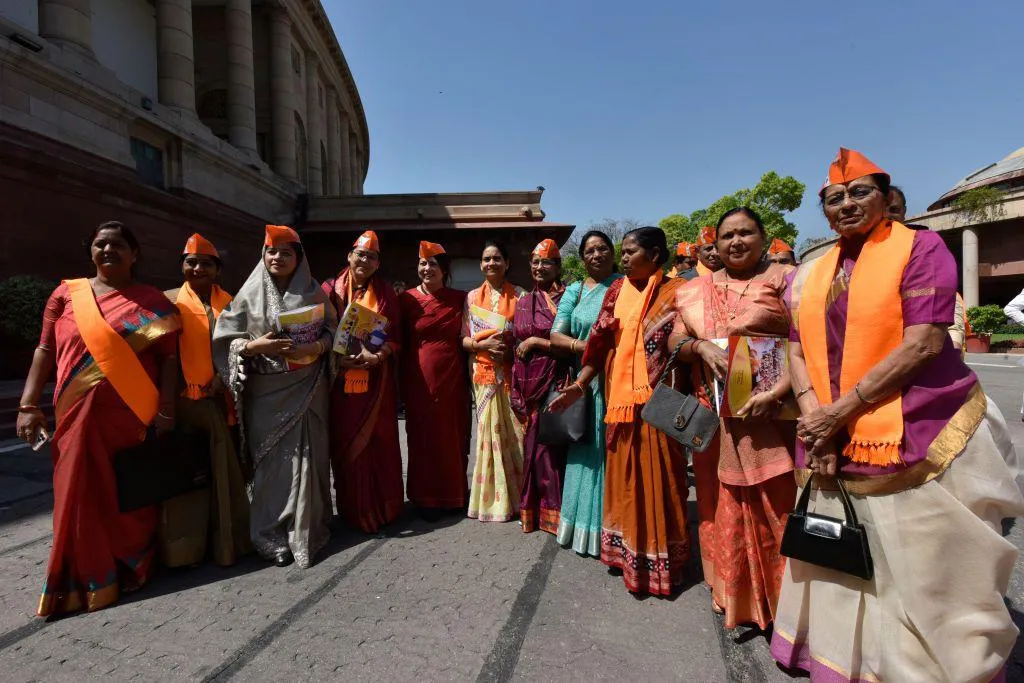
In a move that promises to fundamentally redraw the map of Indian democracy, the Central Government has formally operationalized the landmark Women’s Reservation Act, even as a fierce political storm erupts over a proposed expansion of the Lok Sabha to 850 seats. On Thursday, April 16, 2026, the Ministry of Law and Justice issued a gazette notification bringing the Nari Shakti Vandan Adhiniyam into legal force. However, the celebration of this legislative milestone—nearly thirty years in the making—has been overshadowed by a high-stakes legislative package that links the 33% women’s quota to a massive “delimitation” exercise that critics fear will penalize southern states for their successful population control.

The government’s new strategy, introduced during a three-day special session of Parliament, aims to fast-track the quota’s rollout in time for the 2029 general elections. To do this, the Constitution (131st Amendment) Bill, 2026 proposes increasing the maximum strength of the Lok Sabha from 543 to 850 seats. This expansion is designed as a “mechanical necessity” to accommodate 283 reserved seats for women without reducing the number of constituencies currently held by male incumbents, thereby neutralizing internal political resistance. “By expanding the House, we ensure that the rise of women in Parliament is not a zero-sum game,” stated Home Minister Amit Shah during a heated floor debate.
However, the “850-seat solution” has reignited a deep-seated federal fault line. Because the redrawing of constituencies (delimitation) is traditionally based on population, northern states like Uttar Pradesh and Bihar—where population growth has remained high—stand to gain a massive influx of new seats. Conversely, southern states like Tamil Nadu, Kerala, and Karnataka, which have led the nation in family planning and literacy, fear their relative political influence will be severely diminished. Opposition leaders, including M.K. Stalin and Sonia Gandhi, have labeled the plan a “demographic penalty,” arguing that southern states should not be “punished for their success” in governance.
To bypass the previous hurdle—which linked the quota to a yet-to-be-conducted 2027 Census—the government has proposed using 2011 Census data as an interim baseline for the 2026 delimitation.
| Feature | Current Status | Proposed 2026 Reform |
| Lok Sabha Strength | 543 Seats | Increased to 850 Seats |
| Women’s Quota | Enacted, but dormant | 33% (approx. 283 seats) |
| Target Election | 2034 (estimated) | 2029 (Accelerated) |
| Data Baseline | Future Census (Post-2026) | 2011 Census (Interim) |
While the Nari Shakti Vandan Adhiniyam is now technically “in force,” it will not apply to any by-elections or state polls held this year; the first women to benefit from the 1/3rd reservation will only enter the House after the new boundaries are drawn. The Prime Minister, in an appeal for national consensus, described the bill as “non-negotiable” for India’s progress. “History will judge us not by the size of the House, but by the diversity of the voices within it,” Modi told a divided Lok Sabha.

As the special session concludes this weekend, the focus shifts to the Delimitation Commission, which will be chaired by a retired Supreme Court judge. Their task will be to navigate the complex “North-South” divide while carving out the world’s largest block of reserved seats for women. For the millions of Indian women who have waited decades for this moment, the 850-seat plan is a path to the corridors of power, but for the nation’s southern states, it represents a potentially permanent shift in the balance of the union.
Related News:
 Police Assessing Stansted Airport Private Flights Over Epstein Ties
 Inside Kyiv’s resolve as conflict nears five‑year mark
 What to Watch for During Trump’s State of the Union Address
 US Partially Evacuates Beirut Embassy Amid Rising Iran Tensions
 ‘It’s Eerie’ – Dubai on Edge as City Comes Under Attack
 Muslim Group Wants Mosques to Be Used as Polling Stations Ahead of UK Elections
 Manchester Students Mourn Ayatollah Amid Protest
 Baba Vanga’s Chilling World War 3 Prediction and Russia’s New Leader
 Iranian Players Get Australian Visas After Anthem Protest
 Ecuador Deploys 75,000 Forces in Anti-Gang Drive
 Missing Cuba-Bound Aid Ships Spark Urgent Search
 PM Seeks to Reassure Australians Over Fuel Supply
 Status Quo Restored: Netanyahu Intervenes After Police Block Latin Patriarch from Holy Sepulchre
 India Begins Mammoth Census for 1.4 Billion People
 Pope Leo Urges Peace in First Easter Mass Address
 ‘I Will Not Abandon Him’: Pauline Hanson Stands by Ben Roberts-Smith After War Crime Charges
 ‘The Soul of Spain’: Politicians Clash Over Renewed Push to Move Picasso’s Guernica
 ‘Seismic Change’: How Nationalist Wins in Celtic Nations Could Reshape the UK
 ‘Power Plant Day and Bridge Day’: Israel Warns Iranians Off Trains as Trump Ultimatum Looms
 The $100 Billion Peace: Trump’s ‘Grand Bargain’ Ends Iran Conflict at a Staggering Cost
 Victory or Compromise? Tehran’s Streets Erupt in Mixed Emotion Following Ceasefire
 Moldova River Crisis Exposes War’s Hidden Cost
 Relief at the Pump: Irish PM Unveils €505m Package to Stem Fuel Crisis
 Exit Stage Left: Eric Swalwell Abandons California Governor Bid Amid Misconduct Allegations
 The Disenfranchised Frontier: Political Turmoil Grips Border State as Nine Million Lose Voting Rights
 Political Aftershock: Democrats Scramble in Sacramento as Swalwell Withdrawal Upends 2026 Race
 The Masked Frontier: Allegations of Greek Police Using Proxies for ‘Seismic’ Border Pushbacks
 Can This Leader Broaden the Appeal of a South African Party Seen as ‘Too White’?
 UK Must Act with Courage and Clarity on Israel-Palestine Conflict, Says Foreign Affairs Committee Report
 Radioactive Leak at UK’s Nuclear Warhead Base Sparks Outcry Over Safety and Secrecy
 Hong Kong Summons UK and Australian Envoys Following Asylum Grants to Democracy Activists
 Is the UK Ready to Put Boots on the Ground in Ukraine? Assessing Military Capacity and Challenges
 Channel Crossings Surge: Over 1,000 People Arrive in the UK in Small Boats in a Single Day
 Yvette Cooper Signals Global Momentum Towards Gaza Peace Deal Amid Humanitarian Crisis
 Russia’s Latest Push to Win US Favors Shows Deep Desperation
 BBC to Apologise Over Edited Trump Speech Amid Backlash
 Britain deploys RAF specialists to assist Belgium with drone threats
 Trump Urges Herzog to Grant Netanyahu Full Pardon
 Indian authorities demolish Kashmir home linked to Red Fort blast
 Greene Pushes Epstein Files Amid Trump Fallout
 December Run-Off in Chile as Election Produces No Winner
 Shadow Fleet at Sea: Europe’s Battle Against Illicit Oil Shipping
 India’s COP30 Delay Raises Global Climate Concerns
 EU Says US Ties Have Suffered ‘Big Blow’ After Greenland Crisis
 Australian Families Leave Syrian Camp for Home
 Starmer Weighs Fast-Tracking Defence Boost
 Snow and Rain Warnings as Cold Snap Continues in the UK
 Nine Arrested in France Over Death of Far‑Right Student
 Epstein Eyed Record Label Investment to Access Women, Files Suggest
 Australian PM Says Former Prince Andrew Has Suffered ‘Extraordinary Fall’ but That Won’t Prompt Republic Referendum
 Farage Chagos Islands Row Sparks Fury
 Ukraine Negotiator Reveals What It Feels Like Facing Russia
 Chad Shuts Border With Sudan in Bid to Stop Conflict Spreading
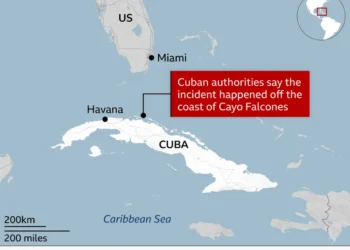 American Citizen Killed in Cuba Boat Shooting, U.S. Officials Say
 Iran’s Regime Still Intact — Coming Days Will Test Its Survival
 Herzog Asio meeting sparks security storm
 ‘Every Day Feels Like a Month’: Iranians Describe Life Under ‘Constant’ US‑Israeli Strikes
 Finland Plans to Lift Decades‑Old Ban on Hosting Nuclear Weapons
 Minister Meets Crews Who Will ‘Take Out’ Iranian Drones
 Nine Days of Strikes Reshape the Middle East
 Trump Pressures Congress Over Save America Act
 Iran War Puts Trump at Political Risk Amid Rising Prices
 Queensland Protest Laws Spark Free Speech Backlash
 Trump Nato threats expose Iran strategy vacuum
 Trump’s Confidence Undimmed — But Every Iran Option Carries Risk
 Israel Says Iran Security Chief Larijani ‘Killed’
 Trump Facing Backlash from Epstein Survivors Over Files
 UK Forces Ready to Seize Russian Shadow Fleet Vessels
 US Lawmaker Demands Testimony Over Sarah Ferguson’s ‘Close Epstein Ties’
 Trump Considers Military Operation to Seize Iran’s Uranium
 ‘The Cost of Living’: Asia’s Migrant Workers Debate if Gulf Jobs are Worth the Risk of War
 Report Says Pezzullo Acted ‘Recklessly’ in Dealings
 Hungary Claims Plot to Target Gas Pipeline Pre-Vote
 Oil and Diplomacy: Russian Refineries Burn as Zelenskyy Secures Middle East Shield
 The Suffocating Silhouette: Why Metal’s Mask Trend is Turning Deadly
 The Fallen Icon: Ben Roberts-Smith Charged with Five War-Crime Murders
 The Changing Face of Georgia: Trump-Backed Clay Fuller Wins Election
 The Great Chokehold: Why the Strait of Hormuz is the Epicenter of the 2026 Crisis
 The Frozen Frontier: Why Frostbite is the Least of Concerns for Canada’s Arctic Forces
 Diplomatic Deadlock: Lebanon Enters High-Stakes Border Talks with ‘No Cards to Play’