Published: April 8, 2026. The English Chronicle Desk. The English Chronicle Online — Analyzing the political shifts defining the new American era.
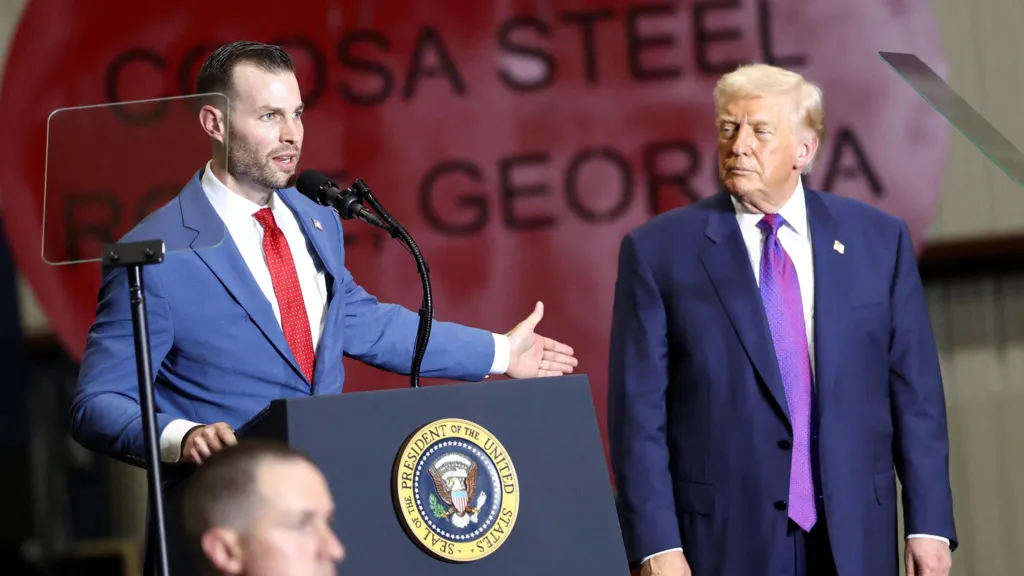
The political landscape of Georgia’s 14th congressional district has undergone a seismic transformation as Clay Fuller, a former prosecutor and military veteran, emerged victorious in the special election to succeed Marjorie Taylor Greene. Backed by a high-profile endorsement from President Donald Trump, Fuller’s win signals a strategic pivot within the Republican party toward a “disciplined MAGA” approach. The vacancy was created earlier this year following Greene’s transition to a prominent role within the executive branch, and the ensuing race became a national bellwether for the direction of the conservative movement in 2026.

Fuller, who campaigned on a platform of “Results Over Rhetoric,” managed to consolidate a diverse coalition of rural voters and suburban professionals who had grown weary of the high-decibel controversies of the previous term. While he remains a staunch ally of the President’s “America First” agenda—specifically citing the need for aggressive border security and the revitalization of domestic manufacturing—his style represents a departure from his predecessor. His victory speech in Dalton emphasized a commitment to “quiet competence” and the delivery of tangible local infrastructure projects, a message that resonated deeply in a district that has seen significant economic fluctuation amid the recent global energy crisis.
The election results were finalized late Tuesday night, with Fuller securing approximately fifty-eight percent of the vote against his Democratic challenger. Political analysts suggest that the “Trump-backed” label remains the most powerful currency in Republican primaries, but they also note that Fuller’s background as a JAG officer and prosecutor provided a sense of “institutional weight” that appealed to moderate voters. His campaign successfully framed the election not just as a choice of party, but as a choice of temperament, arguing that the 14th district needed a representative who could navigate the complexities of a 2026 Washington characterized by high-stakes international diplomacy and economic restructuring.
Life and Society in Northwest Georgia have already begun to reflect this shift in representation. Local business leaders have expressed optimism that Fuller’s focus on “Economic Sovereignty” will bring much-needed investment to the region’s textile and flooring industries, which have faced supply chain “bum notes” due to the ongoing maritime blockades in the Middle East. Meanwhile, the national Republican party is viewing Fuller’s win as a blueprint for the upcoming midterm cycle, suggesting that a blend of Trumpian policy with a more traditional “law and order” persona could be the key to maintaining their legislative momentum.

As Fuller prepares to take his seat in the House of Representatives, he enters a capital that is currently preoccupied with the fragile two-week ceasefire between the United States and Iran and the subsequent market volatility. His first tasks will include navigating the budgetary implications of the recent infrastructure bills and addressing the concerns of constituents who are feeling the squeeze of war-related inflation. For the people of Georgia’s 14th, the election of Clay Fuller isn’t just a change in personnel; it is a bet on a new brand of conservatism that seeks to marry the populist energy of the last decade with the administrative rigor required for the challenges of 2026.
Related News:
 Inside Kyiv’s resolve as conflict nears five‑year mark
 US Partially Evacuates Beirut Embassy Amid Rising Iran Tensions
 US National Guard Member Killed in DC Shooting
 Trump to pause migration from ‘third-world countries’
 Franklin Turtle, Sabrina Carpenter Slam US Social Media Use
 US Senator Mark Kelly Sues Pentagon Chief Hegseth Over Demotion Threats
 Trump officials continue false claims after Alex Pretti shooting
 Partial US Government Shutdown Hits Homeland Security Funding
 Thousands Protest ICE Operations in Nationwide US Day of Action
 Starmer to Release Mandelson Files
 US Civil Rights Leader Jesse Jackson Dies Aged 84
 Last‑ditch Call to Save Police Front Counters in London
 Suspect in Rhode Island Ice Hockey Shooting Killed Ex‑Wife and Son
 What to Watch for During Trump’s State of the Union Address
 Hillary Clinton Tells House Panel She Had No Idea of Epstein’s Crimes
 US Senate Vote Fails to Rein in Trump War Powers on Iran
 Trump Removes Kristi Noem From Homeland Security Role
 Ecuador Deploys 75,000 Forces in Anti-Gang Drive
 Met Police Resume Arrests for Palestine Action Supporters
 Holyrood Campaign ‘In Meltdown’ as Fifth Reform UK Candidate Quits
 US Lawmaker Demands Testimony Over Sarah Ferguson’s ‘Close Epstein Ties’
 The Last of the Lords: Two Hereditary Peers to Retain Ceremonial Roles Amid Historic Ousting
 Global Crisis: Marco Rubio Convenes Emergency G7 Meeting as Iran Conflict Escalates
 ‘My Daughter is Under the Rubble’: The Human Cost of the Tehran Strikes
 ‘An Evil Man is Dead’: Australian Fugitive Dezi Freeman Shot Dead After 216 Days
 ‘Eye in the Sky’ Blinded: Photos Reveal Destroyed US Radar Jet at Saudi Base
 ‘Full and Immediate Access’: Netanyahu Reverses Palm Sunday Ban on Latin Patriarch
 Record-Breaking Gridlock: DHS Freeze Becomes the Longest Partial Shutdown in US History
 Power Grab: Myanmar Junta Chief Min Aung Hlaing Nominated as President
 ‘I Dread the Phone Ringing’: Inside the Kennels on the Frontline of Britain’s XL Bully Crisis
 ‘Permit Paused’: DC Judge Halts Construction of Trump’s $100M ‘Patriot’ Ballroom
 Trump Moves to Restrict Mail-In Ballots via Executive Order
 Loyalty vs. Results: Trump Ousts Pam Bondi as Attorney General
 Democracy Under Guard: Police Surge Support as Threats Against MPs Hit Record Highs
 The “Protective Shield”: Who is Todd Blanche, the New Acting U.S. Attorney General?
 The Bench Strikes Back: Lower Court Judges Emerging as Main Obstacle to Trump’s Executive Pivot
 The Moral Crisis Looming Within the American Chain of Command
 ‘Ghost Offences’: Data Reveals No Children Charged with New ‘Adult Crime’ Laws in 11 Years
 ‘I Know Him in My Bones’: Melissa Gilbert Denies Being ‘Naive’ in Defense of Timothy Busfield
 ‘A Toxic Garbage Sink’: UN Expert Condemns US Waste Dumping in Mexico
 ‘Seismic Change’: How Nationalist Wins in Celtic Nations Could Reshape the UK
 ‘Power Plant Day and Bridge Day’: Israel Warns Iranians Off Trains as Trump Ultimatum Looms
 The $100 Billion Peace: Trump’s ‘Grand Bargain’ Ends Iran Conflict at a Staggering Cost
 Tanni Grey-Thompson Faces Abuse Over Opposition to Assisted Dying Bill
 Digital ID Plans Ignite Debate Over £600m Treasury Tax Boost and Privacy Concerns
 French Taxi Driver Cleared in David Lammy Theft Case After Fare Dispute
 Trump Urges Herzog to Grant Netanyahu Full Pardon
 Major Rent Reform Ends No-Fault Evictions in England
 Trump Deploys DHS to Charlotte in Major Arrest Operation
 ICC to Rule on Duterte’s Provisional Release
 Russia losses Ukraine war peace talks intensify amid rising deaths
 Trump Escalates Minnesota Immigration Surge Amid Rising Tensions
 Homeland security agents deployed amid Minneapolis protests
 American democracy faces crisis after Trump’s return
 EU Says US Ties Have Suffered ‘Big Blow’ After Greenland Crisis
 Australia’s Opposition Coalition Reunites After Rift
 Nurses’ families fear breakup under UK immigration crackdown
 ‘Trump Will Be Gone in Three Years,’ Top Democrats Tell Europe
 Motorists Could Face ‘Mandatory’ Driving Ban for Road Offences Under Tougher Laws
 Nine Arrested in France Over Death of Far‑Right Student
 Civil Service Pay: Union Urges Ministers to End ‘Barking Mad’ Limits
 Epstein Eyed Record Label Investment to Access Women, Files Suggest
 American Citizen Killed in Cuba Boat Shooting, U.S. Officials Say
 Trump Faces Questions Over Iran Conflict Plan
 Labour MP’s Partner Arrested on Suspicion of Spying for China
 Police Scotland Pays £8m Compensation to Staff
 Thousands Protest Iran Strikes Outside US Embassy London
 US Bombers Arrive at RAF Base Amid Rising Iran Tensions
 Iran War Puts Trump at Political Risk Amid Rising Prices
 Queensland Protest Laws Spark Free Speech Backlash
 Trump’s Confidence Undimmed — But Every Iran Option Carries Risk
 Nepal to swear in ex-rapper as new prime minister
 Mandelson’s Phone Messages Requested in Files Release
 Families Tortured by Authorities During Investigations Inquiry Told
 Woman Deported from China Over Manx Passport Mix-Up
 Can Congress Stop US Sports Teams From Moving Cities?
 Report Says Pezzullo Acted ‘Recklessly’ in Dealings
 ‘The Soul of Spain’: Politicians Clash Over Renewed Push to Move Picasso’s Guernica
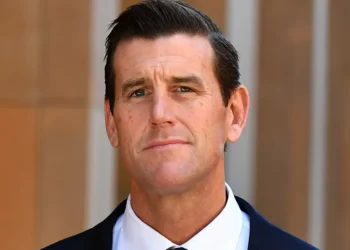 The Fallen Icon: Ben Roberts-Smith Charged with Five War-Crime Murders
 Heartbreak in Bournemouth: The Tragic Death of James Blanch