Published: 23 May 2026 | The English Chronicle Desk | The English Chronicle Online.
A powerful new multimedia arts project inspired by the iconic Sycamore Gap tree has been selected following a nationwide public vote, marking a significant step in preserving the memory and emotional legacy of one of Britain’s most beloved natural landmarks. The winning proposal, titled The People’s Tree, will transform preserved sections of the felled tree into a living archive that combines storytelling, sculpture, sound and public participation to honour the symbolic importance of the historic site.
The project, created jointly by community arts organisation Helix Arts and George King Architects, was officially announced as the successful commission by the National Trust after months of consultation and public engagement. The initiative follows the devastating illegal felling of the Sycamore Gap tree in September 2023, an act that shocked communities across the United Kingdom and triggered an outpouring of grief, anger and reflection.
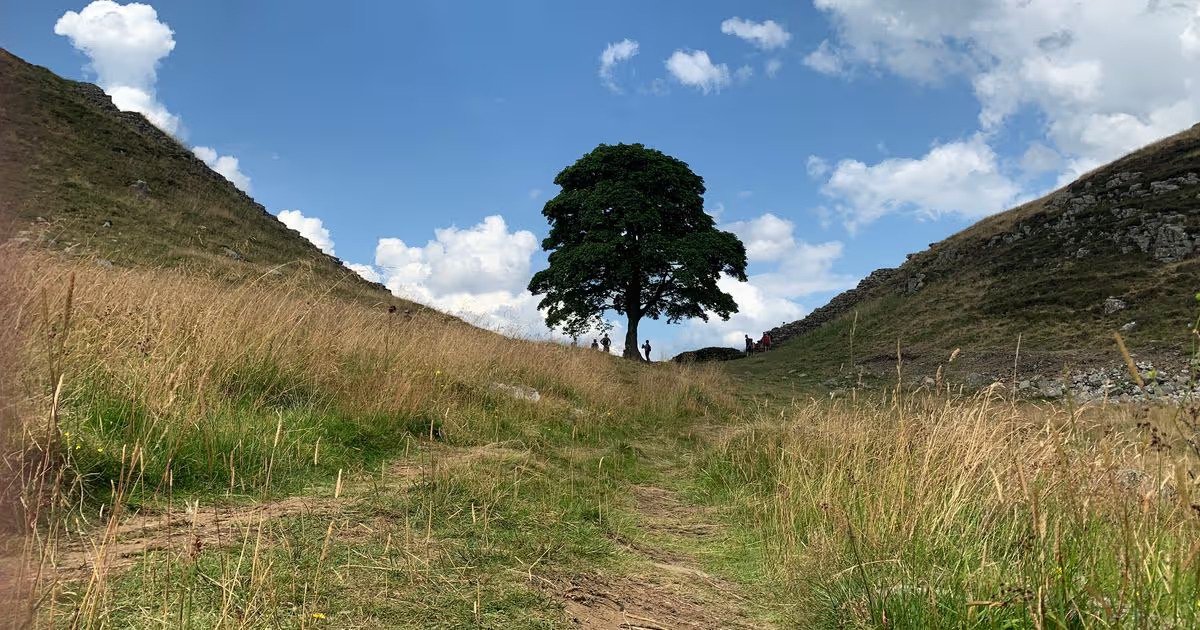
Located beside Hadrian’s Wall in Northumberland, the Sycamore Gap tree had become one of the country’s most recognisable natural landmarks over several decades. The dramatic solitary tree, framed between rolling hills and ancient Roman ruins, was admired by walkers, photographers, tourists and local residents alike. It also gained worldwide recognition after appearing in films and countless travel campaigns, becoming deeply associated with British heritage and landscape identity.

The destruction of the tree resonated far beyond Northumberland, sparking emotional responses from across the UK and internationally. In response, the National Trust launched a special commission in 2025 inviting artists, designers and architects to propose meaningful ways of preserving the tree’s legacy. The final shortlist attracted significant public attention, with thousands participating in the final vote.
Rather than creating a traditional memorial, The People’s Tree seeks to build an evolving and participatory cultural experience centred around collective memory, nature and resilience. Organisers describe the concept as a “living archive” designed not only to remember the tree itself but also to explore the emotional connections people form with landscapes and the natural world.
George King, one of the project’s lead designers, said the intention was never to attempt replacing the original tree physically. Instead, the team wanted to create spaces and experiences that allow people to reflect on loss, healing and shared environmental responsibility.
At the heart of the project is a nationwide storytelling initiative that will invite people from all parts of the United Kingdom to record memories, reflections and personal stories connected to trees, nature and the outdoors. These spoken contributions will form a large digital sound archive intended to preserve public emotion and collective memory inspired by the Sycamore Gap tragedy.
Helix Arts director Cheryl Gavin explained that participation and community involvement became central to the concept from the earliest planning stages. She said the project was developed around the belief that art can help communities process grief while also creating opportunities for hope and reconnection.
The initiative will engage people living along the length of Hadrian’s Wall as well as communities elsewhere in Britain, particularly individuals who may have limited access to nature or cultural opportunities. Organisers hope the project will encourage wider conversations about environmental protection, shared heritage and public spaces.
Several preserved sections of the Sycamore Gap tree will be transformed into artistic installations and interactive elements. Small “seed pods” crafted from the original wood will contain digital recordings from participants, creating symbolic capsules of memory and storytelling connected to the fallen tree.
Another innovative aspect of the project involves translating the tree’s growth rings into sound compositions. By analysing the structure and patterns within the wood, artists and sound designers aim to create immersive audio experiences reflecting the tree’s life cycle and environmental history.
Additional pieces of the preserved timber will be used in collaborative workshops involving local artists, schools and community groups. These activities are expected to result in exhibitions and educational projects hosted across different regions of the UK over the coming years.
A dedicated digital platform will also allow international audiences to contribute stories and reflections, ensuring the project reaches far beyond the physical site in Northumberland. Organisers believe this broader participation reflects the global emotional response generated by the destruction of the tree.
One of the project’s most significant planned installations will be a combined sound sculpture and time capsule positioned close to the original Sycamore Gap location. This structure will house a large preserved section of the tree alongside an evolving audio archive that visitors can experience directly on-site. The final location and design details will be shaped through further consultation with local residents and stakeholders.
The National Trust praised the winning proposal for balancing local sensitivity with national significance. Members of the judging panel highlighted its emphasis on conversation, reflection and community participation rather than creating a single static monument.
Annie Reilly, the National Trust’s public engagement director and chair of the judging panel, said the project stood out because it encouraged dialogue between people and nature rather than offering a fixed interpretation of loss. She described the proposal as an opportunity for people to reconnect not only with the memory of the tree but also with each other and the wider natural environment.
The project forms part of a broader National Trust legacy programme launched after the felling of the Sycamore Gap tree. Alongside the arts initiative, the organisation has continued efforts to preserve the original stump and nurture new growth from surviving shoots. Officials recently confirmed that fresh shoots have emerged from the stump for a third consecutive year, offering a symbol of resilience and regeneration.

The trust has also overseen the planting of dozens of “Trees of Hope” saplings across different parts of the UK. These trees are intended to represent renewal, remembrance and public commitment to protecting Britain’s natural heritage.
Public engagement activities connected to The People’s Tree are expected to begin later this summer, with workshops, exhibitions and storytelling programmes rolling out gradually over the next two years. The full completion of the project is currently scheduled for autumn 2027.
As Britain continues to reflect on the emotional impact of losing one of its most cherished natural landmarks, organisers hope the project will transform grief into something enduring, creative and deeply human — a lasting reminder of the powerful connection between people, place and nature.
Related News:
 Tractor Breakdown Tests Lincolnshire Farmers
 Britons Build Emergency Supplies Amid Rising Fears
 UK Schools Struggle as Classrooms Top 40C
 London Tube Heat Reaches Dangerous Levels
 Three-Quarters of England’s Riverbanks Still Off Limits
 London’s 2026 ‘Great Stink’ Raises Sewer Concerns
 Burnham unveils £65m drought aid for farmers
 Aberdeen Chosen for GB Energy HQ at Marischal Square
 Scotland’s Climate Plans Face Scrutiny Over ‘Science Fiction’ Targets
 Undercover officer deceived women with ‘grotesque and cruel’ lies, spycops inquiry told
 UK Energy Reform Could Cut Bills by £200
 UK Banks Maintain £100 Contactless Limit Despite FCA Rule Change
 Rising Costs Force Families to Rethink Days Out
 UK Records Earliest Spring as Nature Awakens Fast
 North Sea Drilling to Cut UK Imports Only Slightly
 Archbishop Prays for Middle East Peace in First Easter Sermon
 Storm Dave Disrupts Travel but Conditions Set to Ease
 Heavier SUVs Accelerate Britain’s Pothole Crisis
 Exhibition Revisits Life of 18th-Century Black Court Figure
 10 Scenic Stays in Scotland’s Highlands & Islands
 Kezia Dugdale Warns of Possible Reversal of Equal Rights Gains
 Synagogue Arson Attempt Sparks Security Fears
 NHS Safety Fears as Nurses Cover Doctor Gaps
 Walsall Rapist Jailed After Hate-Filled Online Trail
 Chornobyl Still at Risk 40 Years After Disaster
 Crackdown Backfires on UK Climate Protesters
 Two Children Die in Wolverhampton House Fire Tragedy
 Reform UK funding: mystery billionaire revealed
 Farke’s Leeds revival: from pressure to FA Cup glory chase
 Older Than Dinosaurs: Secrets of Mayfly Dance Revealed
 Unveiling Hidden Masters: Female Artists Take Centre Stage
 John Terry Faces Backlash Over Political Posts
 UK may ban protests amid rising antisemitism fears
 Greens Face Internal Row Over Antisemitism Claims
 Barrister Criticises Trial After Suicide Case Verdict
 Labour Members Turn Against Starmer Leadership
 UK Faces Mass Water Shortages by 2055, Lords Warn
 Whistler’s Mother and why its fame frustrated artist
 Pope Meets Families in Italy Toxic Waste Zone
 UK rejects EV charging VAT cut amid Treasury clash
 Victim says non-custodial rape sentence ‘rock in my face’
 Essex valley emerges as rising English wine hub
 Farage and Reform UK Reshape British Politics
 Starmer Leadership Under Pressure After Setbacks
 Public Confidence in University Degrees Plummets in the UK
 UK Nations Brace for Potential Breakup Amid Reform Surge
 Cornwall Van Dwellers Face Eviction in Housing Crisis
 British Teens in EU Face Soaring UK University Fees
 UK Seas Face Extreme Heatwave as Global Temperatures Surge
 UK Power Grid Strained by Summer Heatwave
 Dreyfus Statue Finally Gets Permanent Paris Home
 Olympus Awaits Unesco Heritage Recognition
 Westminster Council Threatens Charing Cross Soup Kitchen
 BBC Warned About Missing Clothes of Murder Victim
 Cambridge Professor Jason Arday Found Dead at Home
 Gen Z turns to BirdTok for a gentler digital escape
 Reeves Faces Setback as Labour May Miss Homes Target
 Kate Winslet to Narrate Film Highlighting King’s Environmental Mission
 Trump’s UK Ambassador Urges North Sea Drilling to Strengthen US Ties
 UK Bans Fake Numbers: Scammers Lose Their Trick
 Older Women Vanish from BBC Screens, Review Confirms Bias
 Streeting moves on doctor pay to end strike dispute
 Send spending gap leaves deprived areas behind
 Hidden Crisis: Domestic Abuse Suicide Toll in UK
 UK Unemployment Rate Climbs to 5.2% Peak
 BBC World Cup Presenting Duties Shared Among Trio
 Wales Approves Assisted Dying Bill Consent
 CPS Updates Guidance on Honour-Based and Dowry Abuse
 Asylum Seekers to Work After Year-Long Wait
 Inquiry into HMRC child benefit errors launched by NAO
 Scott Mills Sacked by BBC Over Personal Conduct Claims
 Palantir Boss Defends NHS Deal Amid Government Break Clause
 Relationship with Trump may be beyond repair, Starmer warned
 UK Government Poised to Revive Stalled Hillsborough Law
 Home Office Faces Legal Risks Over Asylum Hotel Living
 Crisis in NHS Surgery Scheduling Hits Patients Hard
 Blue Badge Abuse: The Rising Tide of Public Hostility
 Scott Parker Leaves Burnley After Premier League Drop
 Silent Tracks: Rail Line Without Passengers
 Ann Widdecombe, Formidable Political Figure, Dies at 78