Published: 09 May 2026. The English Chronicle Desk. The English Chronicle Online.
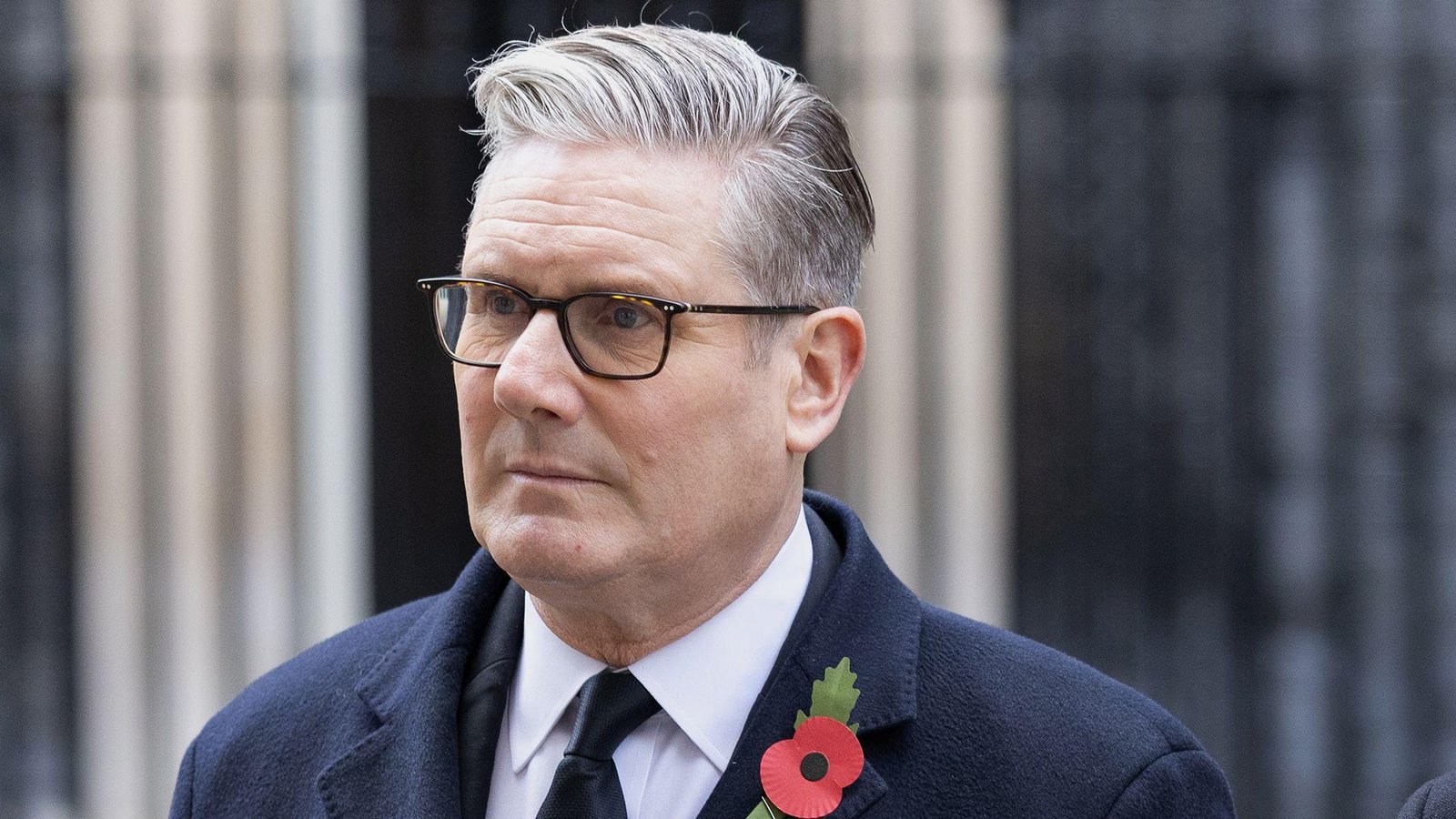
Pressure is rapidly mounting on Prime Minister Sir Keir Starmer after a major poll revealed that a majority of Labour Party members no longer believe he can restore the party’s political fortunes. The findings, published in the aftermath of bruising election results across England, Scotland and Wales, have intensified internal debate over the future direction of the party and sparked renewed speculation about potential leadership challengers.
The survey, conducted among more than 1,000 Labour members by the thinktank Compass, paints a stark picture of growing frustration within the party’s grassroots. Nearly half of those questioned said Starmer should step down as Labour leader, while more than half expressed doubt that he could recover public trust and defeat Reform UK at the next general election.
The results arrive at one of the most difficult political moments of Starmer’s premiership. Labour suffered significant setbacks in local elections across England, lost further ground to the Scottish National Party in Scotland and saw Plaid Cymru end more than a century of Labour dominance in Wales. In parts of northern England, Reform UK achieved dramatic gains, taking control of councils that had long been considered Labour strongholds.

The scale of those defeats has triggered anxiety among MPs, councillors and party activists who fear Labour is losing support from both traditional working-class voters and progressive urban supporters. In London, the Green Party made notable advances in several boroughs, underlining dissatisfaction among left-leaning voters who believe Labour has drifted too far from its traditional values.
The Compass poll suggests that dissatisfaction is no longer confined to isolated factions within the party. According to the findings, 51% of members said they no longer believed Starmer was capable of turning Labour’s electoral position around. Forty-five per cent said the prime minister should resign, while more than a third admitted they had considered cancelling their party membership altogether.
For many inside Labour, the results reflect a growing disconnect between the leadership and the wider membership base. Critics argue that Starmer’s cautious political style, combined with policy compromises and internal disciplinary disputes, has left voters uninspired while failing to neutralise threats from both the political left and right.
Much of the current attention has turned toward Greater Manchester Mayor Andy Burnham, who emerged as the overwhelming favourite among members when respondents were asked to rank potential successors. Burnham secured the first preference of 42% of those surveyed and recorded a net favourability rating of 72%, making him by far the most popular alternative leader within the party.
Burnham, a former cabinet minister and long-standing Labour figure, has cultivated a reputation as a vocal advocate for regional investment, social justice and local government autonomy. His leadership during crises affecting Greater Manchester, including the Covid-19 pandemic and disputes over regional funding, significantly raised his national profile and strengthened his standing among Labour supporters.
However, despite growing support within the party, Burnham currently faces a major obstacle. As mayor, he is not a sitting Member of Parliament and therefore cannot contest the Labour leadership unless he first secures a parliamentary seat. Efforts to facilitate his return to Westminster have reportedly been blocked by Labour’s National Executive Committee, which argued that triggering a Greater Manchester mayoral by-election would be financially and politically disruptive.
Several Labour MPs close to Burnham are now privately urging senior figures to establish a timetable for Starmer’s departure that would allow an orderly transition of leadership and give Burnham sufficient time to return to parliament. According to reports, at least 10 MPs have openly called for discussions about succession planning.
Among those publicly raising concerns are former transport secretary Louise Haigh, women and equalities committee chair Sarah Owen and several MPs elected during the 2024 general election campaign. Many believe Labour cannot afford prolonged uncertainty as political competition intensifies ahead of future national elections.
The growing unrest reflects wider concerns about Labour’s broader electoral strategy. Reform UK’s rise has transformed the political landscape in parts of England where Labour once relied on strong support among working-class communities. Nigel Farage’s party has capitalised on frustration surrounding immigration, economic pressures and distrust toward mainstream politics.
Meanwhile, Labour’s losses in Scotland and Wales have reignited long-standing questions about the party’s identity across the United Kingdom. In Scotland, the SNP secured a historic fifth consecutive electoral victory, reinforcing its dominance despite years of political turbulence. In Wales, Plaid Cymru’s success marked a symbolic collapse of Labour’s traditional authority in one of its historic heartlands.
Political analysts say these simultaneous setbacks have deepened fears that Labour is struggling to maintain a coherent coalition of voters. Some members believe the leadership’s focus on centrist messaging has alienated progressive supporters without successfully rebuilding trust among socially conservative voters who previously abandoned the party.
Compass deputy director Lena Swedlow said the polling reflected a clear demand for both political and organisational change inside Labour. She argued that recent election results demonstrated widespread dissatisfaction with the current direction of government and warned that restoring public confidence would require credible leadership capable of uniting the party.
Swedlow also stressed the importance of stability during a period of economic uncertainty both domestically and internationally. Rising living costs, public service pressures and global instability have created an increasingly difficult political environment, intensifying scrutiny of government performance.
Despite the growing criticism, Starmer retains significant institutional support within the parliamentary party and the wider Labour leadership structure. Allies argue that changing leader so soon after entering government would create instability and risk undermining Labour’s credibility with voters seeking economic and political certainty.

Supporters of the prime minister also point out that governing parties frequently experience electoral setbacks during difficult economic periods and argue that Labour still has time to recover before the next general election. Some senior figures believe the current unrest reflects frustration following disappointing local results rather than an irreversible collapse of confidence.
Nevertheless, the poll results indicate that the mood among party members has shifted dramatically in recent months. In October, only 28% of members believed Starmer should resign if Labour performed poorly in May’s elections. The latest findings therefore represent a sharp deterioration in internal confidence over a relatively short period.
Within Westminster, speculation about succession scenarios is already intensifying. While Burnham currently dominates discussions among members, other senior figures may also emerge should a future leadership contest become inevitable. However, Labour officials insist there are no immediate plans for a leadership transition.
The coming months are now likely to prove crucial for Starmer’s authority. With Labour facing challenges from Reform UK, the Greens, nationalist parties and disillusioned traditional supporters, the prime minister faces mounting pressure to demonstrate that he can reconnect with voters and restore confidence both inside and outside the party.
For now, the poll serves as a stark warning sign for Labour’s leadership — and a reminder that political success can quickly unravel when members lose faith in the direction of their party.
Related News:
 Kezia Dugdale Warns of Possible Reversal of Equal Rights Gains
 NHS Safety Fears as Nurses Cover Doctor Gaps
 Reform UK funding: mystery billionaire revealed
 John Terry Faces Backlash Over Political Posts
 UK may ban protests amid rising antisemitism fears
 Farage and Reform UK Reshape British Politics
 Starmer Leadership Under Pressure After Setbacks
 UK Nations Brace for Potential Breakup Amid Reform Surge
 Three-Quarters of England’s Riverbanks Still Off Limits
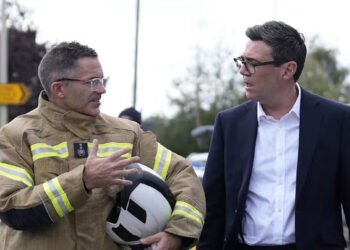 Burnham unveils £65m drought aid for farmers
 Green Party Surges Past Labour in Latest UK Poll
 Trump’s UK Ambassador Urges North Sea Drilling to Strengthen US Ties
 French Taxi Driver Cleared in David Lammy Theft Case After Fare Dispute
 Millionaires group urge Reeves to introduce wealth tax to ‘lift kids out of poverty’
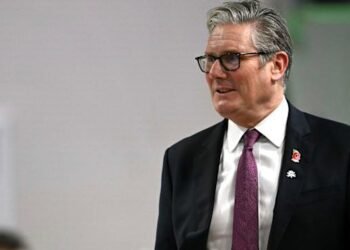 Starmer Faces Growing Dissent as Labour MPs Weigh Leadership Challenge
 Reeves rejects £1bn plea for NHS redundancy payouts
 PM Condemns Leaks, Vows Loyalty to Ministers and Stability
 Major Rent Reform Ends No-Fault Evictions in England
 Most Tories Expect to Support a Farage-Led Government
 Starmer Says Labour’s Economic Plan Needs Years to Deliver
 Culture secretary to review Telegraph takeover by Daily Mail owner
 Labour Blocks Burnham as Party Rift Deepens Ahead of Polls
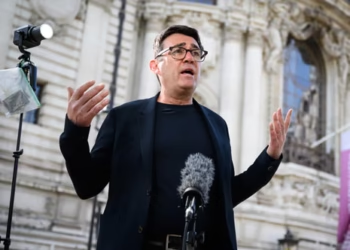 Huge mistake: Labour blocks Burnham from byelection bid
 Artificial intelligence will cost jobs, admits Liz Kendall
 Labour targets Greens on drugs in Gorton Denton byelection
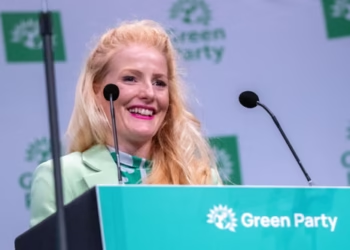 Greens nominate Hannah Spencer for Gorton and Denton byelection
 Mandelson Faces Police Inquiry Over Epstein Leak
 Labour Thinktank Row Deepens Over Journalist Probe Claims
 Morgan McSweeney downfall shocks Labour leadership
 Cabinet Secretary Shake-Up Triggers Due Diligence Warning
 Starmer Faces Inquiry Calls Over Thinktank Probe
 UK shelves £110m border project amid trade strain
 Farage Unveils Reform UK Frontbench Team
 California Democrats Vow Trump Reckoning
 Wales Approves Assisted Dying Bill Consent
 UK EU Trade Reset Gains Public Backing
 Green Party Stuns Labour in Gorton and Denton Byelection
 Corbyn Leads Your Party in Coordinated Left-Flank Strategy
 Labour Together scandal sparks clean break vow
 Asylum Seekers to Work After Year-Long Wait
 Starmer Row as Greens Demand Apology
 Proposed Law Leaves Gap for Children of Convicted Paedophiles
 Gordon Brown urges court for crimes against children
 Inquiry into HMRC child benefit errors launched by NAO
 NHS Plans to Cut Overseas Workers Labeled Overambitious
 Farage Faces Backlash Over Crypto Cameo Endorsements
 Rising Costs Force Families to Rethink Days Out
 Relationship with Trump may be beyond repair, Starmer warned
 Unions Raise Concerns Over Doctors’ Pay Dispute
 UK Government Poised to Revive Stalled Hillsborough Law
 UK Stands Firm on Falklands Amid US Rift
 Welsh Labour Faces Potential Historic Election Defeat
 Silent Tracks: Rail Line Without Passengers
 Greens Face Internal Row Over Antisemitism Claims
 Major test for Labour as polls open in Great Britain
 Barrister Criticises Trial After Suicide Case Verdict
 Reform UK Faces Crisis as Newly Elected Councillors Resign
 Farage Faces New Questions Over Private Helicopter Use
 NHS Drug Deal Faces Legal Threat Over US Trade Agreement
 Green Party Makerfield Candidate Resigns Over Posts
 UK Welfare: Focus on Jobs Over Benefit Cuts, Says JRF
 Secret Role of UK Security Services in Troubles Amnesty Law
 The Hidden Crisis Eroding Trust in British Communities
 Deepfake Abuse on X Sparks Safety Concerns for Dissidents
 Modernising the Military: Carns Demands Urgent Procurement Reform
 UK Ministers Lobby Trump Over Under-16s Social Media Ban
 Starmer Resolves to Fight Burnham in Leadership Battle
 Starmer Resigns as Prime Minister Amid Internal Pressure
 MP Warning: Northern Rail Risks Repeating HS2 Failures
 Hollie Ridley to Step Down as Labour General Secretary
 Trump’s Mount Rushmore Speech: A Divisive Anniversary
 New South Wales Premier Chris Minns Signals Tough Road Ahead for Labor
 Jarvis Urges Burnham to Secure 3.5% Defence Spending
 Farage Warns Sky News Following Financial Inquiry
 Reform UK Finances Face Deep NCA Probe
 Ann Widdecombe, Formidable Political Figure, Dies at 78
 Treasury Reform Urged After Tragic Loss
 UK Schools Struggle as Classrooms Top 40C
 London Tube Heat Reaches Dangerous Levels
 Westminster Council Threatens Charing Cross Soup Kitchen