Published: 19 April 2026. The English Chronicle Desk. The English Chronicle Online
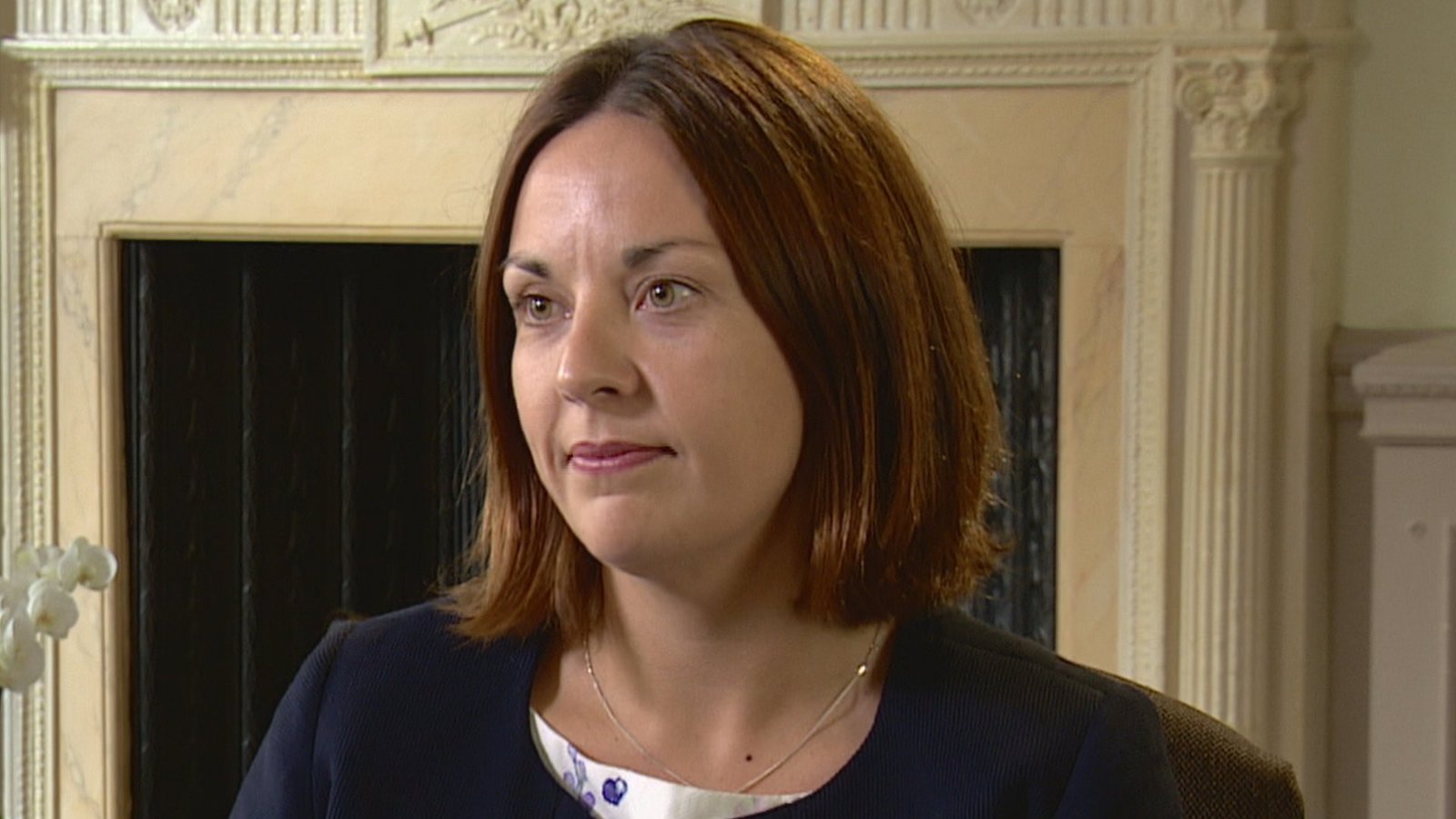
Former Scottish Labour leader Kezia Dugdale has said she feels “quite scared” as an openly lesbian woman in the UK today, warning that LGBTQ+ rights could face serious setbacks amid rising political polarisation and culture-war tensions.
Speaking in an exclusive interview following her appointment as chair of the LGBTQ+ charity Stonewall, Dugdale described a growing sense of unease about public attitudes towards same-sex couples and wider equality protections. She said she had recently begun feeling nervous about holding her wife’s hand in public, something she previously did without hesitation.
Her comments come at a time of heightened debate in the UK and beyond over LGBTQ+ rights, particularly around transgender inclusion, free speech, and the direction of equality policy. Dugdale warned that progress on equal marriage and broader protections should not be assumed to be permanent.

“I don’t think it is an implausible argument now in the way that it maybe was five years ago,” she said, pointing to examples in parts of Europe where she believes LGBTQ+ rights have faced political pressure and partial reversal. She argued that shifting political landscapes could, in time, influence similar debates in the UK.
Dugdale, who led the Scottish Labour Party between 2015 and 2017, said her motivation for taking on the Stonewall role was rooted partly in concern about social regression and partly in hope that constructive dialogue can still protect hard-won rights.
She stressed that the organisation must now adapt after a difficult period marked by internal restructuring, funding challenges, and criticism over its approach to transgender issues. Stonewall has faced scrutiny in recent years, with critics accusing it of taking an uncompromising stance on trans inclusion in single-sex spaces, while supporters argue it has been a key driver of equality protections.
Dugdale said she wants Stonewall to move into a new phase focused on engagement and consensus-building rather than confrontation. “We want to be in the messy, grey bit,” she said, adding that progress depends on listening to different perspectives rather than entrenching opposing positions.
She acknowledged that public debate around gender identity has become increasingly polarised, with both LGBTQ+ activists and gender-critical campaigners expressing frustration at how the issue has been handled. Dugdale argued that the current “culture war” dynamic is damaging to all sides and makes meaningful progress harder to achieve.
In the interview, she also addressed tensions within the LGBTQ+ community itself, particularly around transgender rights. Dugdale said she had lost friendships over the debate and expressed regret that divisions had deepened between long-standing allies within progressive politics.
She emphasised that Stonewall’s future work would continue to include trans rights as part of its broader mission, but said the organisation’s priorities would shift towards practical policy goals such as anti-discrimination protections, healthcare equality, and a long-standing campaign for a full ban on conversion therapy in the UK.
Dugdale also reflected on her earlier political positions, including her support for Scotland’s Gender Recognition Reform Bill, which aimed to simplify the legal process for changing gender identity. The legislation was passed by the Scottish Parliament but later blocked by the UK government, intensifying debate over devolved powers and gender policy.
While she reaffirmed her belief in the principles behind the reform, she suggested that Stonewall’s current focus would not prioritise self-identification policy changes, instead concentrating on broader protections for LGBTQ+ individuals across society.
A significant portion of Dugdale’s remarks focused on public discourse and the tone of national debate. She called for greater “kindness and generosity of spirit” in discussions about gender and sexuality, arguing that polarisation has made it harder to achieve shared understanding.
She also spoke about public figures who have become central to the debate, including author J.K. Rowling. Dugdale said she holds respect for Rowling’s achievements and influence, even though the writer’s views on gender identity have been deeply controversial within parts of the LGBTQ+ community.
Dugdale said that both supporters and critics of gender-critical views have experienced hostility, and that the tone of debate has at times become dehumanising. She urged greater willingness to engage across differences rather than reinforcing divisions.
The former politician, who left frontline politics in 2019, said her personal experiences have shaped her understanding of visibility and vulnerability. She revealed that while many people around her have long known about her sexuality, she previously did not feel fully open about it in public life.
Dugdale said she does not want to be defined solely by her sexuality, recalling how other politicians, including openly gay public figures, were often reduced in media coverage to their identity rather than their work. She said she hopes society can reach a point where sexual orientation is no longer treated as a defining label.
Her appointment to Stonewall marks a notable return to public-facing leadership, albeit in a non-political capacity. She said she remains independent of any political party and has distanced herself from formal party affiliation since leaving Labour.
Dugdale’s personal life has also drawn public attention, particularly her marriage to Scottish National Party politician Jenny Gilruth, who currently serves in the Scottish government. She joked that political differences occasionally play out at home, but said their relationship is built on mutual respect despite differing party backgrounds.

Looking ahead, Dugdale warned that complacency about equality gains could be dangerous. She argued that rights achieved over recent decades are not guaranteed and must be actively defended against potential political shifts.
“It’s completely possible in this country that things could go backwards,” she said, adding that global trends show how quickly social progress can be reversed when political conditions change. However, she also expressed optimism that institutions like Stonewall can still play a meaningful role in shaping policy and protecting vulnerable communities.
She concluded by emphasising her belief in dialogue over division, saying that progress depends on creating spaces where disagreement can exist without hostility. For Dugdale, the challenge ahead is not only defending rights, but also rebuilding trust in how those rights are discussed.
Related News:
 NHS Safety Fears as Nurses Cover Doctor Gaps
 Reform UK funding: mystery billionaire revealed
 John Terry Faces Backlash Over Political Posts
 UK may ban protests amid rising antisemitism fears
 Labour Members Turn Against Starmer Leadership
 Farage and Reform UK Reshape British Politics
 Starmer Leadership Under Pressure After Setbacks
 UK Nations Brace for Potential Breakup Amid Reform Surge
 Three-Quarters of England’s Riverbanks Still Off Limits
 Burnham unveils £65m drought aid for farmers
 Green Party Surges Past Labour in Latest UK Poll
 Trump’s UK Ambassador Urges North Sea Drilling to Strengthen US Ties
 French Taxi Driver Cleared in David Lammy Theft Case After Fare Dispute
 Millionaires group urge Reeves to introduce wealth tax to ‘lift kids out of poverty’
 Starmer Faces Growing Dissent as Labour MPs Weigh Leadership Challenge
 Reeves rejects £1bn plea for NHS redundancy payouts
 PM Condemns Leaks, Vows Loyalty to Ministers and Stability
 Major Rent Reform Ends No-Fault Evictions in England
 Most Tories Expect to Support a Farage-Led Government
 Starmer Says Labour’s Economic Plan Needs Years to Deliver
 Culture secretary to review Telegraph takeover by Daily Mail owner
 Labour Blocks Burnham as Party Rift Deepens Ahead of Polls
 Huge mistake: Labour blocks Burnham from byelection bid
 Artificial intelligence will cost jobs, admits Liz Kendall
 Labour targets Greens on drugs in Gorton Denton byelection
 Greens nominate Hannah Spencer for Gorton and Denton byelection
 Mandelson Faces Police Inquiry Over Epstein Leak
 Labour Thinktank Row Deepens Over Journalist Probe Claims
 Morgan McSweeney downfall shocks Labour leadership
 Cabinet Secretary Shake-Up Triggers Due Diligence Warning
 Starmer Faces Inquiry Calls Over Thinktank Probe
 UK shelves £110m border project amid trade strain
 Farage Unveils Reform UK Frontbench Team
 California Democrats Vow Trump Reckoning
 Wales Approves Assisted Dying Bill Consent
 UK EU Trade Reset Gains Public Backing
 Green Party Stuns Labour in Gorton and Denton Byelection
 Corbyn Leads Your Party in Coordinated Left-Flank Strategy
 Labour Together scandal sparks clean break vow
 Asylum Seekers to Work After Year-Long Wait
 Starmer Row as Greens Demand Apology
 Proposed Law Leaves Gap for Children of Convicted Paedophiles
 Gordon Brown urges court for crimes against children
 Inquiry into HMRC child benefit errors launched by NAO
 NHS Plans to Cut Overseas Workers Labeled Overambitious
 Farage Faces Backlash Over Crypto Cameo Endorsements
 Rising Costs Force Families to Rethink Days Out
 Relationship with Trump may be beyond repair, Starmer warned
 Unions Raise Concerns Over Doctors’ Pay Dispute
 UK Government Poised to Revive Stalled Hillsborough Law
 Starmer Faces Commons Test Over Mandelson Scandal
 Crackdown Backfires on UK Climate Protesters
 Starmer Survives Mandelson Rebellion
 Greens Face Internal Row Over Antisemitism Claims
 Labour Members Doubt Starmer Future as Burnham Leads Poll
 Reform UK Faces Crisis as Newly Elected Councillors Resign
 Farage Faces New Questions Over Private Helicopter Use
 NHS Drug Deal Faces Legal Threat Over US Trade Agreement
 Green Party Makerfield Candidate Resigns Over Posts
 UK Welfare: Focus on Jobs Over Benefit Cuts, Says JRF
 Secret Role of UK Security Services in Troubles Amnesty Law
 The Hidden Crisis Eroding Trust in British Communities
 Deepfake Abuse on X Sparks Safety Concerns for Dissidents
 Modernising the Military: Carns Demands Urgent Procurement Reform
 UK Ministers Lobby Trump Over Under-16s Social Media Ban
 Starmer Resolves to Fight Burnham in Leadership Battle
 Starmer Resigns as Prime Minister Amid Internal Pressure
 MP Warning: Northern Rail Risks Repeating HS2 Failures
 Hollie Ridley to Step Down as Labour General Secretary
 Trump’s Mount Rushmore Speech: A Divisive Anniversary
 New South Wales Premier Chris Minns Signals Tough Road Ahead for Labor
 Jarvis Urges Burnham to Secure 3.5% Defence Spending
 Farage Warns Sky News Following Financial Inquiry
 Reform UK Finances Face Deep NCA Probe
 Ann Widdecombe, Formidable Political Figure, Dies at 78
 Treasury Reform Urged After Tragic Loss
 UK Schools Struggle as Classrooms Top 40C
 London Tube Heat Reaches Dangerous Levels
 Westminster Council Threatens Charing Cross Soup Kitchen
 BBC Warned About Missing Clothes of Murder Victim