
Published: 19 April 2026. The English Chronicle Desk. The English Chronicle Online
Italian filmmaker Luca Guadagnino has stepped into one of the most divisive artistic debates of modern times by directing a new production of The Death of Klinghoffer, an opera that has sparked controversy since its premiere more than three decades ago. Known primarily for his acclaimed films, Guadagnino is now returning to opera with a work many institutions have long avoided due to its sensitive subject matter and the intense criticism it has attracted.
The opera, composed by John Adams with a libretto by Alice Goodman, is based on the 1985 hijacking of the cruise ship Achille Lauro by members of the Palestinian Liberation Front. The attackers murdered Leon Klinghoffer, a Jewish American passenger who used a wheelchair, and threw his body overboard, an act that shocked the world and became a symbol of international terrorism.
From its debut, the opera has faced accusations of antisemitism and of portraying terrorists in a sympathetic light. Critics argue that it risks creating moral equivalence between perpetrators and victims, while supporters insist it is a deeply human work that confronts the complexity of political violence and suffering. The debate has led to protests, cancellations, and ongoing cultural tensions surrounding its staging.

Guadagnino, however, rejects the notion that the opera glorifies violence. Speaking during rehearsals at the Maggio Musicale Fiorentino in Florence, he described the production as an attempt to confront audiences with realities often ignored. He argues that one of the opera’s greatest strengths lies in its ability to make visible the pain and humanity of all those involved, challenging audiences to reflect rather than judge.
The director emphasises that the work operates on multiple levels, blending historical narrative with broader philosophical themes. Structured in a style reminiscent of a Bach passion, the opera interweaves individual monologues with powerful choruses, including voices representing both Palestinian and Jewish experiences. This duality, Guadagnino suggests, is essential to understanding the work’s intent.
Despite his conviction, the project was not easy to realise. Guadagnino revealed that he had repeatedly proposed directing the opera over the years, only to be met with resistance from opera houses. Some dismissed the idea outright, while others questioned the timing and potential backlash. For him, however, staging Klinghoffer was not just an artistic ambition but a necessity.
The controversy surrounding the opera has intensified in recent years, particularly in light of ongoing conflicts in the Middle East. Critics have renewed concerns about its themes, while supporters argue that its relevance has only grown. The current production is the first major staging conceived after the events of October 2023 and the subsequent escalation in the region, adding another layer of sensitivity to the performance.
Historically, the opera has faced significant opposition. A 2014 production at the Metropolitan Opera in New York sparked protests from Jewish groups and public figures, including Rudy Giuliani. Members of the Klinghoffer family also criticised the work, arguing that it misrepresented the circumstances of their father’s murder and risked legitimising acts of terror.
Musicologist Richard Taruskin was among those who criticised the opera, accusing it of “romanticising terrorists.” His arguments focused on the way the narrative and musical structure could be interpreted as elevating the voices of the perpetrators. However, both Goodman and Guadagnino have strongly rejected such interpretations, insisting that the work is fundamentally about human experience rather than political endorsement.
For Goodman, the opera represents one of her most important works, exploring the moral complexities of conflict and the ordinary lives caught in its wake. She argues that the criticism often stems from discomfort with portraying adversaries as human beings, a challenge that lies at the heart of the opera’s message.
Guadagnino’s production introduces new artistic elements, including choreography that extends the emotional and symbolic language of the piece. Movement and dance are used to complement the music and text, creating what the director describes as a space where meaning can emerge beyond words. This approach reflects his broader vision of theatre as an immersive and transformative experience.
The decision to stage such a contentious work reflects a broader debate within the arts about the role of theatre and opera in addressing difficult subjects. Carlo Fuortes, general manager of the theatre, has defended the production, arguing that cultural institutions must take risks and engage with challenging material rather than retreat into safe or purely traditional programming.

For Guadagnino, the criticism surrounding the opera is itself revealing. He sees it as evidence of a reluctance to confront uncomfortable truths and a tendency towards simplified narratives in public discourse. By bringing Klinghoffer back to the stage, he hopes to encourage deeper reflection on issues of violence, identity, and empathy.
As the production prepares to open, its reception remains uncertain. While no major protests have been announced, the history of controversy surrounding the opera suggests that reactions could be strong. Whether praised or criticised, Guadagnino’s interpretation is likely to reignite debate about the boundaries of art and the responsibilities of artists in portraying real-world events.
In a cultural landscape often shaped by polarisation, the revival of The Death of Klinghoffer stands as a reminder of the enduring power of art to provoke, challenge, and inspire discussion. For its director, that is precisely the point.
Related News:
 Prunella Scales: From Fawlty Towers Icon to Beloved Canal Explorer
 Charlie Kaufman: They told me Being John Malkovich would never get made
 The Line of Beauty, Almeida review: A wild, witty ride through Thatcher-era high society
 Kate Winslet to Narrate Film Highlighting King’s Environmental Mission
 The upcoming book-to-screen adaptations I’m most excited about
 Hollywood Is an Industry of Looney Tunes Pretending to Be Normal
 Prince of Wales showcases volleyball skills on Brazil visit
 Top Christmas Books Reads: Classics to Cozy Romcoms
 Meghan ‘to return to acting’ after eight-year hiatus
 Oprah enjoys Meghan’s jam on English muffins
 Pauline Collins, Beloved ‘Shirley Valentine’ Star, Dies at 85
 VAR Must Rein Its Neck In to Save Football’s Spirit
 From Lego to Pokémon: How Adults Are Driving UK Toy Market Growth
 David Szalay’s ‘Flesh’ Wins 2025 Booker Prize
 Boos, backlash and body horror: The story of Alpha
 Pop Stars Call on UK Government to Cap Resale Prices for Fans
 Anthony Joshua Faces Backlash Over Proposed Jake Paul Fight
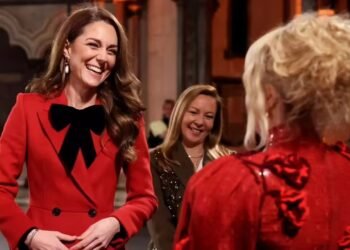 Princess of Wales Hosts Carol Service Celebrating Love for All
 ‘I’ve Read 38 Books, but This Is My Standout Favourite’
 Pat Butcher Returns to EastEnders in Touching Dementia Storyline

 Yungblud Pauses Tour Over Health Concerns, Apologises to Fans
 SS Rajamouli Announces ‘Varanasi,’ a Mythic Time-Travel Epic
 Tom Cruise Receives Honorary Oscar, Celebrates Cinema
 Eminem Takes Legal Aim at Australian ‘Swim Shady’ Brand
 The Lasting Legacy of Seven: Crime, Morality, and Urban Decay
 Australia to Ban Social Media for Kids Under-16 Starting December
 Director Michael Caton-Jones Reflects on Career and Beginnings
 TikTok Star Jessie Yendle Mocked by KFC
 Sony, Warner, Universal Sign AI Music Deals With Klay
 Chef Skye Gyngell, Slow Food Pioneer, Dies Aged 62
 Reggae Legend Jimmy Cliff Dies at 81
 Rosalía Inspires Young Listeners to Discover Classical Music
 Belfast’s Elle Vosque finishes runner-up on Drag Race UK
 Rusty Bond-Era Aston Martin Restored to £1m Glory
 Pavarotti statue frozen in Italian ice rink sparks backlash
 Franklin Turtle, Sabrina Carpenter Slam US Social Media Use
 Stranger Things 5 Documentary Reveals Last-Minute Finale
 Amanda Seyfried, Faith and Fear in a Radical Musical Leap
 ‘A long time coming’: US table tennis finds its moment
 Victoria Beckham Breaks Silence as Spice Girls Close Ranks
 John Lithgow criticises Rowling stance in trans debate
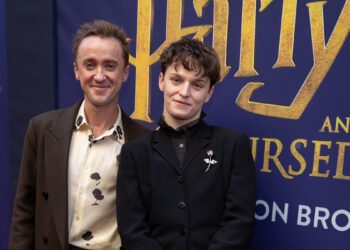 Draco Malfoy Emerges as Lunar New Year Icon in China
 Top 10 Must-See Films Arriving This February
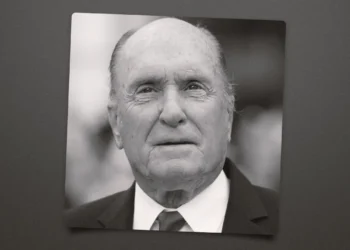 Robert Duvall dies aged 95, Hollywood mourns
 Toxic e-waste found in dolphins raises urgent health concerns
 ‘People feel like they’re in on the joke’: the new wave of pseudo-biopics
 The Hidden Dark Side of Early Reality TV Fame
 Jack Nicholson and the Legacy of the Cuckoo’s Nest
 Mediterranean Storms: A New Era of Climate Tragedies
 Last Weekend of Summer Brings Sparkle and Stars to Sydney
 Ticketmaster Fees Rise Despite Recent US Junk Fee Crackdown
 Scott Mills Sacked by BBC Over Personal Conduct Claims
 Army Probes Apache Flyover at Kid Rock’s Nashville Estate
 US Senators Slam Ticketmaster Over Sneaky New Fee Hikes
 Keir Starmer Expresses Concern Over Kanye West Wireless Festival Dates
 X Factor Star Chico Slimani Convicted of Drink-Driving
 Beckham Joins King’s Chelsea Flower Show Team
 Harry and Meghan’s Australia Visit Sparks Debate
 Rebel Wilson Accused of Orchestrating Smear Campaign
 Michael Moonwalks to Record-Shattering $217m Opening
 Rebel Wilson Denies Role in Smear Campaign Trial
 Disneyland Adds Facial Recognition at Entrances
 Rebel Wilson Rejects Phone Dump Claim
 Stephen Fry Sues Tech Organisers For £100k Following Stage Fall
 Martin Short’s Brave Reflection on Family Tragedy
 Dua Lipa Sues Samsung for $15m Over TV Box Image Use
 Cannes 2026: The Year the Auteurs Reclaimed the Riviera
 Canada Set to Spark New Era for Eurovision Contest
 Spotify and UMG Ink Groundbreaking AI Remix Deal
 Whistler’s Mother and why its fame frustrated artist
 Mandalorian Movie Hits Record Disney Era Low at Box Office
 The Obamalisk: Inside the Controversial $850m Presidential Center
 Saving the Scalloped Hammerhead: The Pacific Battle
 BBC Faces Backlash Over Ashley Cain Vetting Failures
 BBC Faces Backlash Over Ashley Cain Vetting Failures
 Taylor Swift and Travis Kelce Marry at Madison Square Garden
 The ‘Special Relationship’ at 250: Irrelevance or Influence?
 Dua Lipa Backs Albania’s Fight Against Kushner Resort
 Can Anyone Replace Graham Norton? Chat Show Challenge