Published: 29 April 2026. The English Chronicle Desk. The English Chronicle Online.
The historic walls of Penlee House in Cornwall are undergoing a profound transformation this week. Like many regional galleries across Britain, this site has long been dominated by male creators. This imbalance serves as a stark legacy of inequality faced by talented women over centuries. Visitors entering the Penzance gallery will now encounter a refreshingly different and vital artistic narrative. Starting this Thursday, the venue showcases works by some of Britain’s most celebrated female artists. A challenging piece by Tracey Emin now occupies a prime position above a marble fireplace. Across the hallway, a vibrant Barbara Hepworth sculpture draws the eye of every curious guest. The carefully curated exhibition also features iconic works by Laura Knight and Elizabeth Forbes. Gillian Ayres is also represented, adding further depth to this impressive collection of talent.
Katie Herbert, the curator at Penlee House, expressed her excitement about this significant cultural debut. She described the show as a wonderful opportunity for the public to view amazing work. It is rare to see such a high-profile piece by Tracey Emin in this specific location. The exhibition, titled Making Her Mark, represents a bold collaboration between three distinct cultural institutions. Penlee House joined forces with the Worcester City Art Gallery and the Kirkcaldy Galleries. Each institution contributed more than twenty significant works to create this expansive and touring showcase. The collection will remain in Penzance until autumn before traveling to Worcestershire and Fife later. This project marks the very first exhibition to open as part of the Art Fund programme. That ambitious initiative aims to invest five million pounds to support art across the nation. It brings together twenty museums from the four UK nations to share their diverse creative collections.

These institutions intend to collaborate on this project for the next five years of operation. Katie Herbert explained how the partner galleries met to identify their common goals and aspirations. She described the initial planning process as being somewhat similar to a round of speed dating. The teams in Penzance, Worcester, and Kirkcaldy quickly realised they shared a very clear vision. They focused their efforts on highlighting the historic exclusion women faced within the global art world. Herbert candidly admitted that many galleries do not hold as many works by women artists. This exhibition serves as an essential step toward rectifying that persistent and historical gender imbalance. Initially, the curator felt some apprehension about placing the bold Tracey Emin piece so prominently. She worried that regular visitors might feel slightly shocked by such a contemporary, daring work. However, she was ultimately persuaded to give the masterpiece a truly central and commanding display spot.
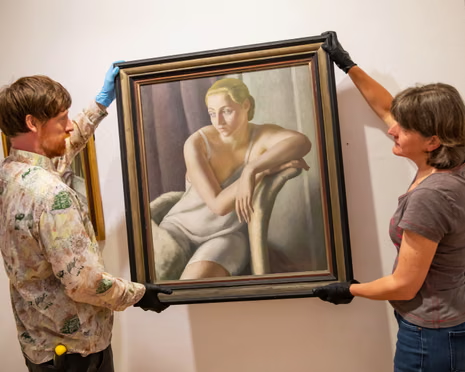
A primary thread running through the exhibition explores the lack of formal access for women. Historically, women faced immense barriers when attempting to study art at traditional academic schools. One poignant painting on display is the Portrait of Eileen Mayo by the artist Dod Procter. Both Procter and Mayo studied art together, yet they faced significant restrictions on their learning. Women were routinely excluded from life classes, forcing them to rely on very private arrangements. They frequently used each other as models to circumvent the unfair rules of the art institutions. Herbert noted that their resilience is a central pillar of the story they tell today. Although Barbara Hepworth maintained a studio in Cornwall, Penlee House lacked her work for years. The team was thrilled to feature one of her pieces from the Worcester city collection. Seeing her work back in its Cornish context provides a deeply moving experience for local residents.
Another essential highlight is the work titled Features, Fingers, Foot by the artist Lys Hansen. This piece originates from the Kirkcaldy collection and offers a raw, emotional look at motherhood. It depicts the artist’s young son clinging to her, almost creating an atmosphere of physical smothering. The work effectively represents the deep rage she felt when steered toward traditional domestic life. Curating a show requiring such extensive collaboration across great distances presented some truly unique challenges. For example, a large textile piece by Imogen Bright Moon was much larger than expected. The tapestry arrived from Worcester and required careful placement within the historic gallery space. Fortunately, the team found the perfect spot for it right next to the Emin. This harmonious arrangement highlights the breadth and variety of the contributions from each partner gallery.

Gracie Divall serves as the programme lead for the nationwide project known as Going Places. She observed that this collaboration has prompted all three organisations to rethink their collecting policies. It is incredibly exciting to see new relationships being forged between galleries across the country. Future themes to be explored in the coming years include heritage crafts at significant risk. The team also plans to address the complex experiences of refugees in their upcoming exhibitions. Another important strand of the project encourages local communities to create their own original art. In Penzance, the artist Kate Turner worked closely with several care-experienced young people recently. These participants travelled to Worcester and Scotland, enduring a twelve-hour train journey to visit. They successfully produced a striking protest banner in response to the themes of the exhibition. That vibrant, collaborative banner now hangs proudly within the main hall of the Penzance gallery.
Turner emphasised that female artists continue to face significant challenges in the modern creative world. She pointed out that there remains a stubborn gender pay gap for women in arts. Misogyny remains a persistent and harmful force that can still be found in wider society. Representation for women artists has definitely improved over the last few decades, she noted thoughtfully. However, she firmly believes that there is still a great deal left to talk about. This exhibition provides a necessary platform for those essential, ongoing conversations about equity and access. Visitors are encouraged to engage with the art and consider these deeper, challenging societal questions. Making Her Mark is not just a show, but a meaningful call for continued progress. The organisers hope that this collaboration will inspire other galleries to follow their excellent example. By shining a light on these women, they are changing the face of British art.
Related News:
 Sycamore Gap Artwork Chosen After Public Vote
 Reeves Faces Setback as Labour May Miss Homes Target
 Kate Winslet to Narrate Film Highlighting King’s Environmental Mission
 Trump’s UK Ambassador Urges North Sea Drilling to Strengthen US Ties
 UK Bans Fake Numbers: Scammers Lose Their Trick
 M&S Profits More Than Halve After Cyber-Attack
 Patients to Test Health at Home to Ease NHS Winter Pressure
 Millionaires group urge Reeves to introduce wealth tax to ‘lift kids out of poverty’
 Reeves rejects £1bn plea for NHS redundancy payouts
 Northern Lights may illuminate UK skies this week
 PM Condemns Leaks, Vows Loyalty to Ministers and Stability
 Major Rent Reform Ends No-Fault Evictions in England
 Stroke Patient Mistaken for Drunk, Care Delayed
 Inside the Helpline Protecting Missing Children in the UK
 Boots Showstopper Beauty Bundle Outshines Many Advent Calendars This Holiday Season
 PlayStation PS5 Deals Hit Lowest Prices Ahead of Black Friday
 Five-Year-Old Dies After Rare Tonsil Surgery Complication
 Starmer Says Labour’s Economic Plan Needs Years to Deliver
 UK unemployment rises to four-year high of 5.1% before budget
 Wiltshire Police Use Lasso to Catch Rampaging Village Goat
 Coasting Drinks: The Trend Redefining Alcohol Enjoyment This New Year
 Rising Hate Crimes Threaten Safety on UK Public Transport
 Starmer Faces Parliamentary Battles Over UK-EU ‘Reset’ Plan
 Met Police Vetting Failures Let Serial Rapists Remain
 Fatal Bolton Taxi Crash Claims Three Teens and Driver
 ScottishPower Tops List of Worst UK Energy Suppliers
 Judi Dench Champions Fight to Save London’s Green Spaces
 Crowborough Camp Welcomes First Asylum Seekers
 BBC Funding Crisis: Tim Davie Warns of Jeopardy Ahead
 Artificial intelligence will cost jobs, admits Liz Kendall
 Older Women Vanish from BBC Screens, Review Confirms Bias
 Streeting moves on doctor pay to end strike dispute
 Send spending gap leaves deprived areas behind
 Hidden Crisis: Domestic Abuse Suicide Toll in UK
 UK Unemployment Rate Climbs to 5.2% Peak
 BBC World Cup Presenting Duties Shared Among Trio
 Wales Approves Assisted Dying Bill Consent
 CPS Updates Guidance on Honour-Based and Dowry Abuse
 Asylum Seekers to Work After Year-Long Wait
 Inquiry into HMRC child benefit errors launched by NAO
 Rising Costs Force Families to Rethink Days Out
 Scott Mills Sacked by BBC Over Personal Conduct Claims
 Palantir Boss Defends NHS Deal Amid Government Break Clause
 Relationship with Trump may be beyond repair, Starmer warned
 UK Government Poised to Revive Stalled Hillsborough Law
 UK Staycations Rise as Travel Fears Grow
 Home Office Faces Legal Risks Over Asylum Hotel Living
 Official Admits Debate Over Mandelson Vetting Records
 Crisis in NHS Surgery Scheduling Hits Patients Hard
 Welsh Labour Faces Potential Historic Election Defeat
 Blue Badge Abuse: The Rising Tide of Public Hostility
 UK Faces Future Where Deaths Outnumber Births Yearly
 New AI Tool To Target Obesity Risk And Transform NHS Care
 Greens Face Internal Row Over Antisemitism Claims
 The Burning Lens: An Iranian Artist’s Visual Resistance
 Met Officers Probed Over Al Fayed Abuse Allegations
 Labour Members Doubt Starmer Future as Burnham Leads Poll
 Reform UK Faces Crisis as Newly Elected Councillors Resign
 Starmer Strikes Back as 100 MPs Sign Support Pledge
 UK Firms Freeze Spending as Iran Conflict Bites
 Rugby Legend Scott Hastings Dies Aged 61
 Reeves to Fast-Track Clean Energy Amid Iran Crisis
 The Battle for Wembley Sparking Unprecedented Legal Warfare
 Record Spending Highlights Growing Crisis In National Health Service
 Secret Role of UK Security Services in Troubles Amnesty Law
 Tube Strike Brings Capital to a Standstill Over Shift Disputes
 BP Stands Firm on Amanda Blanc Amid Boardroom Storm
 Teaching Machines Right From Wrong in the Digital Age
 UK House Prices Drop For Third Month Due To War Fears
 The Hidden Crisis Eroding Trust in British Communities
 Deepfake Abuse on X Sparks Safety Concerns for Dissidents
 Stolen Mobiles Could Soon Become Useless Bricks
 Clean Air Initiatives Spark Major Fall in London Hospital Admissions
 United Kingdom Politics Worse Now Than Before Brexit, Warns MP
 Russian Tanker Captain Remanded in UK Court After Channel Seizure
 UK Care Crisis: Row Explodes Over New Visa Settlement Rules
 Sainsbury’s Boss Optimistic As Grocery Inflation Eases
 US Airman Avoids British Court in Indecent Exposure Case
 Ann Widdecombe, Formidable Political Figure, Dies at 78
 UK Schools Struggle as Classrooms Top 40C