Published: 09 May 2026. The English Chronicle Desk. The English Chronicle Online.
Millions of people across the United Kingdom are quietly preparing for the possibility of major disruptions to everyday life, according to new research showing growing public concern about cyber-attacks, power failures, natural disasters and wider global instability.
The findings reveal that many households are now storing emergency cash, stockpiling tinned food and buying battery-powered equipment in case modern systems suddenly fail. The trend reflects increasing anxiety about the fragility of essential infrastructure as Britain faces mounting international tensions, worsening climate-related events and rising fears about digital vulnerabilities.
The research, conducted by Link, the organisation overseeing the UK’s ATM network, provides a revealing snapshot of how ordinary people are responding to a world they increasingly view as uncertain and unpredictable. While emergency planning was once associated mainly with survivalist groups or extreme “preppers”, the latest figures suggest such behaviour is becoming far more mainstream.
The survey found that many Britons are no longer assuming that electricity, internet access, banking systems and supply chains will always function without interruption. Instead, a growing number are making practical preparations for emergencies that could temporarily disrupt daily life.

Among the most striking findings was the continued importance of physical cash in emergency planning. Although Britain has rapidly embraced digital payments over recent years, fears about banking system outages and cyber-attacks appear to have renewed appreciation for cash as a backup during crises.
When respondents were asked how they would cope if card and mobile payments suddenly stopped working in shops, more than half said they would immediately withdraw cash from an ATM. Many also reported already keeping banknotes and coins safely stored at home specifically for emergencies.
According to the survey, 17% of people now maintain what researchers described as a “stash of cash” in their homes. In addition, 15% said they had deliberately set aside emergency money for situations where banking systems or electronic payment networks might become unavailable.
The findings suggest growing public awareness that digital systems, while convenient, remain vulnerable to technical failures, cyber-attacks and power disruptions. Recent incidents involving banking outages, IT problems and cyber-security breaches have heightened concerns that access to money could become temporarily restricted during a major emergency.
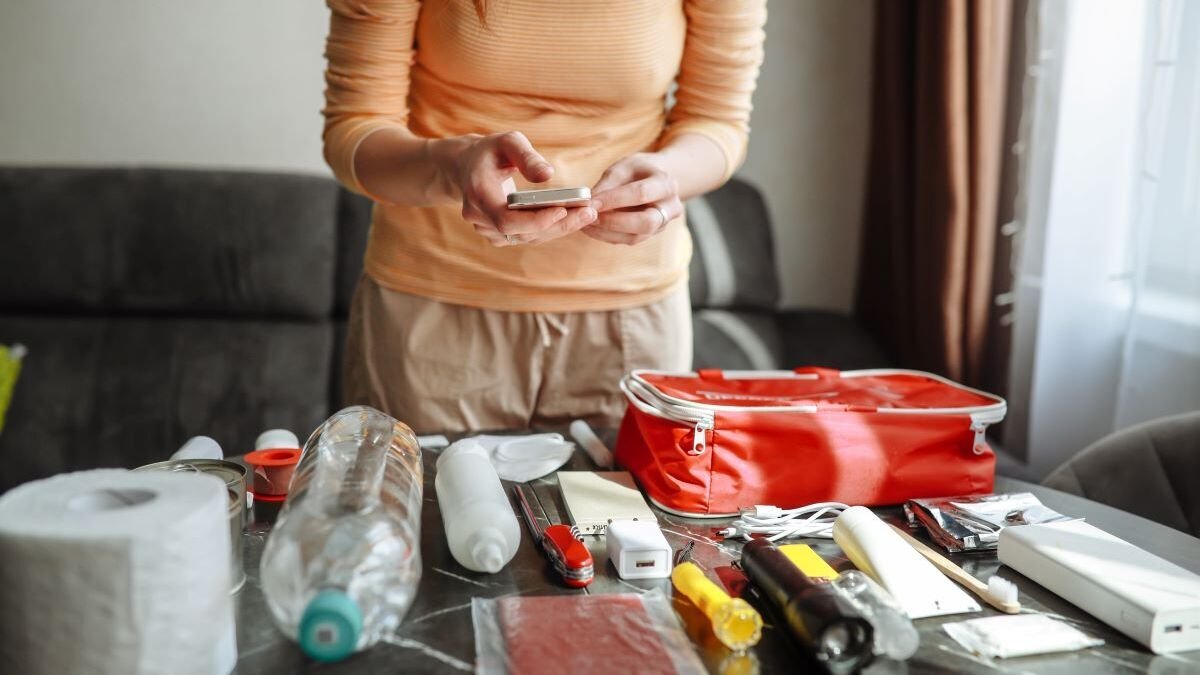
The survey also highlighted widespread efforts to prepare for shortages of food, electricity and basic household supplies. Nearly half of respondents said they kept battery-powered items at home, including torches and emergency lighting equipment. A similar number reported storing tinned foods such as canned vegetables, baked beans and fruit that could be eaten even if cooking facilities became unavailable.
Portable power banks for charging mobile phones have also become increasingly common emergency items, with more than one-third of respondents saying they now keep one at home. Others reported buying camping stoves, analogue radios and additional batteries in preparation for possible disruptions.
These preparations reflect broader concerns about Britain’s resilience during crises. In recent years, the country has faced a succession of events that have challenged public confidence in infrastructure stability, including severe storms, flooding, heatwaves, supply chain disruptions and rising geopolitical tensions.
The war in Ukraine and escalating conflict across the Middle East have further intensified anxieties about global instability. At the same time, repeated warnings from security experts about cyber threats targeting critical infrastructure have contributed to growing fears that everyday systems could become vulnerable during international crises.
Government officials and emergency planning experts have increasingly encouraged households to think more seriously about preparedness. The UK government’s official Prepare website advises families to maintain basic emergency supplies including bottled water, first aid kits, tinned food, battery-powered lighting and radios capable of functioning during power outages.
The website also encourages people to create contingency plans for communication and transport disruptions, especially during severe weather events or infrastructure failures. Such advice has become more prominent following lessons learned during the Covid-19 pandemic, when panic-buying and supply shortages exposed weaknesses in public preparedness.
The pandemic itself appears to have played a major role in changing attitudes toward emergency planning. Lockdowns, shortages of essential goods and sudden disruptions to everyday routines convinced many people that unexpected crises can rapidly affect access to food, medicine and services.
Specialist emergency preparedness retailers — often referred to as “prepper” shops — have reportedly experienced increased demand in recent years, particularly following the pandemic period. These businesses sell survival kits, emergency food packs, water purification equipment and off-grid power supplies to customers seeking greater self-sufficiency during emergencies.
However, the latest survey indicates that emergency preparation is no longer limited to dedicated survival enthusiasts. Instead, many ordinary households are now adopting small but practical measures designed to provide reassurance during uncertain situations.
Link’s director of strategy, Graham Mott, said the research demonstrated that cash continues to play a vital role in resilience planning despite the growth of digital banking. He noted that public concern about cyber-attacks, power cuts and payment system failures had encouraged more people to keep emergency cash reserves at home.
The findings also suggest that people increasingly view emergency preparation as a sensible precaution rather than an extreme reaction. While more than a quarter of respondents said they had not made any preparations at all, the majority had taken at least one practical step to improve resilience.
Interestingly, almost a quarter of those who had prepared said they had done so within the previous three months, indicating that concerns about instability may be accelerating. Experts believe that constant exposure to news about war, climate disasters, cyber threats and economic uncertainty is influencing public behaviour.
Psychologists say contingency planning often provides people with a sense of control during periods of uncertainty. Simple actions such as storing supplies or keeping emergency cash can help reduce anxiety by creating a feeling of preparedness.

At the same time, experts warn against panic-driven behaviour or excessive stockpiling, which can create unnecessary shortages and fear. Most official guidance focuses on maintaining modest emergency reserves sufficient to cope with short-term disruptions rather than preparing for extreme collapse scenarios.
The growing preparedness trend nevertheless reflects a significant shift in public thinking. For decades, many people in developed countries assumed uninterrupted access to electricity, banking, communications and supermarket supplies. Increasingly, however, recent global events have challenged those assumptions.
As climate change intensifies extreme weather, cyber threats evolve and international tensions remain high, resilience planning is becoming part of everyday life for millions of households across Britain. Whether preparing for storms, technological failures or wider geopolitical instability, many people now believe it is wiser to be cautious than caught unprepared.
In a world shaped by uncertainty, the humble torch, tin of beans and emergency cash reserve are becoming symbols of a society quietly adapting to new fears about the future.
Related News:
 UK Banks Maintain £100 Contactless Limit Despite FCA Rule Change
 Tractor Breakdown Tests Lincolnshire Farmers
 Sycamore Gap Artwork Chosen After Public Vote
 UK rejects EV charging VAT cut amid Treasury clash
 UK Schools Struggle as Classrooms Top 40C
 London Tube Heat Reaches Dangerous Levels
 Three-Quarters of England’s Riverbanks Still Off Limits
 London’s 2026 ‘Great Stink’ Raises Sewer Concerns
 Burnham unveils £65m drought aid for farmers
 Aberdeen Chosen for GB Energy HQ at Marischal Square
 Scotland’s Climate Plans Face Scrutiny Over ‘Science Fiction’ Targets
 Undercover officer deceived women with ‘grotesque and cruel’ lies, spycops inquiry told
 Wealthy Britons Flee Gulf War but Avoid UK Taxes
 UK Wage Growth Slows as Jobs Market Holds Firm
 Farage Faces Backlash Over Crypto Cameo Endorsements
 UK Energy Reform Could Cut Bills by £200
 Oil and Gas Prices Surge Amid Iran-Israel Attacks on Gasfields
 Rising Costs Force Families to Rethink Days Out
 UK Records Earliest Spring as Nature Awakens Fast
 North Sea Drilling to Cut UK Imports Only Slightly
 Archbishop Prays for Middle East Peace in First Easter Sermon
 Storm Dave Disrupts Travel but Conditions Set to Ease
 Heavier SUVs Accelerate Britain’s Pothole Crisis
 Student Loan Interest May Rise Despite 6% Cap
 Europe EV Demand Surges as Fuel Prices Rise
 10 Scenic Stays in Scotland’s Highlands & Islands
 Kezia Dugdale Warns of Possible Reversal of Equal Rights Gains
 Carmakers Face £3bn Gap in UK Loan Payout Scandal
 Richard Tice Faces £100k Tax Controversy
 Synagogue Arson Attempt Sparks Security Fears
 NHS Safety Fears as Nurses Cover Doctor Gaps
 Walsall Rapist Jailed After Hate-Filled Online Trail
 Chornobyl Still at Risk 40 Years After Disaster
 Crackdown Backfires on UK Climate Protesters
 Two Children Die in Wolverhampton House Fire Tragedy
 Reform UK funding: mystery billionaire revealed
 Farke’s Leeds revival: from pressure to FA Cup glory chase
 Nationwide Board Seat: A Member Challenges Status Quo
 Older Than Dinosaurs: Secrets of Mayfly Dance Revealed
 John Terry Faces Backlash Over Political Posts
 BBC News Faces Deep Cuts in 2,000 Job Plan
 New UK advice scheme to boost savings and investing
 UK may ban protests amid rising antisemitism fears
 Greens Face Internal Row Over Antisemitism Claims
 City & Guilds Faces Governance Crisis Over Sale
 Barrister Criticises Trial After Suicide Case Verdict
 Labour Members Turn Against Starmer Leadership
 UK Faces Mass Water Shortages by 2055, Lords Warn
 Reeves Fights to Keep Treasury Role Amid Labour Turmoil
 Pope Meets Families in Italy Toxic Waste Zone
 UK firms accused of ‘AI washing’ boom
 Victim says non-custodial rape sentence ‘rock in my face’
 Essex valley emerges as rising English wine hub
 Farage and Reform UK Reshape British Politics
 Starmer Leadership Under Pressure After Setbacks
 Public Confidence in University Degrees Plummets in the UK
 UK Nations Brace for Potential Breakup Amid Reform Surge
 Cornwall Van Dwellers Face Eviction in Housing Crisis
 British Teens in EU Face Soaring UK University Fees
 UK Seas Face Extreme Heatwave as Global Temperatures Surge
 UK Power Grid Strained by Summer Heatwave
 Weight-Loss Drugs Transform Fashion Shopping Habits
 Labour MPs Urge Burnham to Revive UK Aid Target
 EasyJet Takeover Sparks Fears Over Passengers’ Future
 Olympus Awaits Unesco Heritage Recognition
 Westminster Council Threatens Charing Cross Soup Kitchen
 BBC Warned About Missing Clothes of Murder Victim
 Weight-Loss Drugs Offer Food Savings Mainly to High Earners
 Cambridge Professor Jason Arday Found Dead at Home
 Gen Z turns to BirdTok for a gentler digital escape
 Inside the Helpline Protecting Missing Children in the UK
 PlayStation PS5 Deals Hit Lowest Prices Ahead of Black Friday
 Five-Year-Old Dies After Rare Tonsil Surgery Complication
 Starmer Says Labour’s Economic Plan Needs Years to Deliver
 Reform UK Faces Crisis as Newly Elected Councillors Resign
 Starmer Strikes Back as 100 MPs Sign Support Pledge
 UK Firms Freeze Spending as Iran Conflict Bites
 Reeves to Fast-Track Clean Energy Amid Iran Crisis
 The Battle for Wembley Sparking Unprecedented Legal Warfare
 Secret Role of UK Security Services in Troubles Amnesty Law