Published: 11 April 2026 .The English Chronicle Desk. .The English Chronicle Online
In early spring, what began as a routine nature observation along Moldova’s northern border quickly turned into one of the country’s most alarming environmental emergencies in recent years. Along the Nistru River—known internationally as the Dniester—a thick, oily stench and visible dark patches on the water signalled a developing ecological disaster that would soon draw national and international attention.
Local nature videographer Ilie Cojocari was among the first to document the unusual contamination near the village of Naslavcea, just 70 metres from his home and close to the Ukrainian border. His footage, captured on what should have been a peaceful seasonal outing, showed clear signs of petroleum pollution spreading across the river’s surface.
Only days earlier, Russia had carried out an attack on Ukraine’s Novodnistrovsk hydropower complex located upstream on the same river system. Residents in northern Moldova reported hearing heavy shelling through the night, with entire districts remaining awake due to the intensity of the strikes.

Although initial official communication from both Ukrainian and Moldovan authorities was limited, concern escalated quickly once Cojocari’s videos began circulating online. Moldovan environmental officials soon contacted him to verify the authenticity of the footage, signalling growing alarm within government circles.
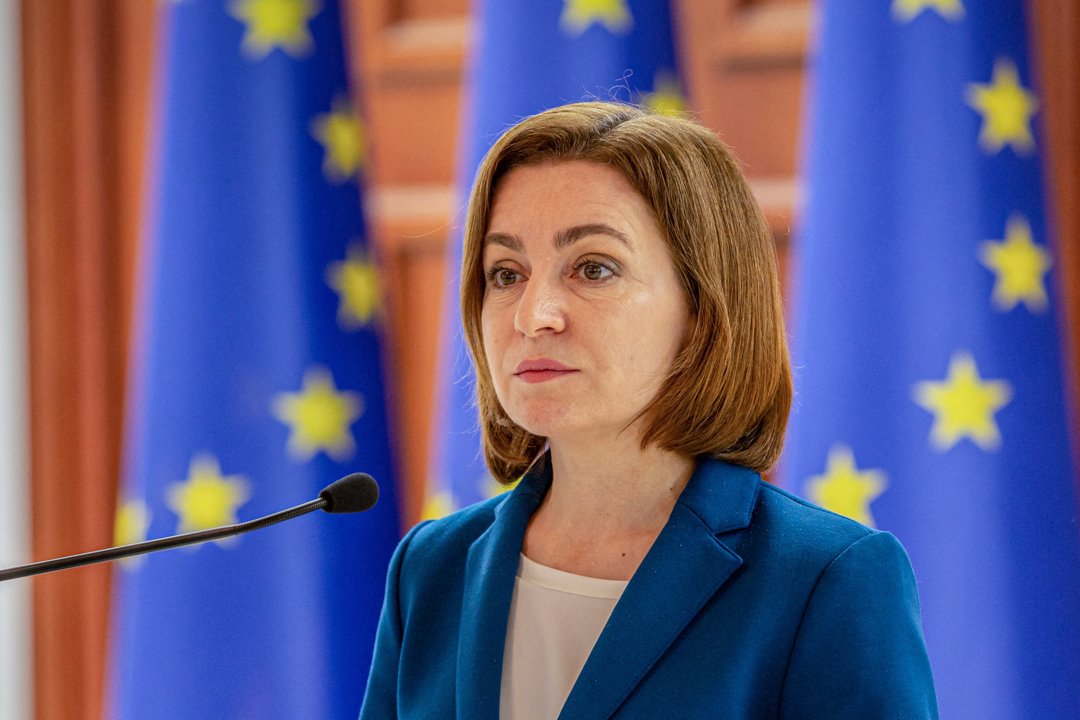
Within days, Moldova’s environment ministry confirmed testing of the water and began coordinating with Ukraine to determine the source of the contamination. By mid-March, the government formally declared an environmental alert, with President Maia Sandu directly attributing responsibility to Moscow, linking the incident to Russian strikes on Ukrainian infrastructure.
As the scale of the pollution became clearer, Moldovan authorities established a crisis coordination centre to manage containment efforts. Oil traps, absorbent barriers, and other emergency materials were deployed along affected stretches of the river in an attempt to slow the spread of contamination.
Water supplies were also distributed to affected communities as officials warned of potential risks to public health and agriculture. For many residents, however, the crisis was not simply environmental—it became a daily struggle for survival.
The Nistru River is Moldova’s most critical water source, supplying roughly 80% of the country’s drinking water. Any disruption therefore carries national consequences. As oil traces spread downstream, concerns intensified as far as the capital Chișinău, which depends heavily on the river system for its municipal water supply.
The crisis highlighted Moldova’s broader vulnerability at a time when regional instability has already placed significant strain on the country. Since the outbreak of the war in neighbouring Ukraine, Moldova has absorbed more than two million transit refugees and around 140,000 long-term Ukrainian residents. At the same time, repeated disruptions to regional energy infrastructure have contributed to inflation spikes, energy shortages, and emergency economic measures.
In northern cities such as Bălți, where thousands of residents were affected by water restrictions, daily life was dramatically altered. Authorities deployed military and emergency services to distribute water supplies, while residents queued for hours at wells and collection points.
One resident, Irina, a mother of three working as a cashier, described the routine disruption caused by the shortage. Families reorganised their schedules around access to water, often collecting supplies twice a day before and after work. Schools in some areas temporarily shifted to online learning, adding further strain on households already struggling with basic needs.
Retail stores reported rapid shortages of bottled water as panic buying increased. Even routine domestic tasks such as cooking and cleaning became logistical challenges for thousands of families.
Local officials in affected districts also mobilised emergency transport to deliver water for livestock and agricultural use, warning that the crisis could have broader implications for food production if contamination persisted.
While Moldovan authorities attributed the pollution to Russian strikes on upstream Ukrainian infrastructure, political disagreement quickly emerged within the country. Pro-European officials described the incident as a direct consequence of military action in Ukraine and a threat to Moldova’s national security.
However, pro-Russian commentators and propagandists offered alternative explanations, suggesting the contamination may have resulted from unrelated industrial or transport incidents. One widely circulated claim alleged that an accident on a separate bridge could have caused the spill, though environmental observers and local witnesses strongly disputed this version of events.
Experts and local observers pointed out inconsistencies in these claims, noting the absence of oil contamination in the areas cited by alternative narratives and the clear downstream movement of pollutants from the hydropower site.
The dispute over the cause of the spill quickly evolved into a broader information conflict, reflecting deeper political divisions within Moldovan society over alignment with the European Union and relations with Russia.
Although containment efforts eventually stabilised the most heavily affected sections of the river, environmental experts warned that the long-term impact remains uncertain. Concerns have been raised about potential damage to aquatic ecosystems, fish populations, and birdlife along the river corridor.
Although Moldovan authorities have not confirmed significant wildlife mortality linked directly to the spill, isolated reports of dead birds prompted further testing. Officials later suggested that some cases were likely due to natural disease outbreaks rather than contamination.
Beyond Moldova, the incident has renewed attention on the wider environmental consequences of the ongoing war in Ukraine. Similar events, including large-scale flooding following dam destruction and oil spills in the Black Sea region, have already demonstrated how military activity can produce long-lasting ecological damage.
Environmental researchers warn that water systems, in particular, are highly vulnerable to conflict-related disruption due to their cross-border nature and essential role in public health and agriculture.
For Moldova, the Nistru River incident has become a stark reminder of its geographic and political vulnerability. As a small country heavily dependent on a single water source, any upstream disruption carries immediate national consequences.

While emergency measures have so far prevented a full-scale humanitarian disaster, officials acknowledge that the situation exposed critical weaknesses in infrastructure resilience and cross-border environmental protection.
The crisis has also intensified calls for treating environmental security as a core element of national and regional defence planning, particularly in conflict-affected regions. As geopolitical tensions persist and climate pressures increase, experts warn that similar incidents may become more frequent unless stronger safeguards are established.
For now, the Nistru River continues to be monitored closely, with authorities maintaining surveillance and cleanup operations. Yet for many in Moldova, the episode has already left a lasting impression: that modern conflict does not remain confined to battlefields, but can flow silently through rivers, reaching homes, farms, and entire communities.
Related News:
 Canadian astronaut French words ease language row
 Chornobyl Still at Risk 40 Years After Disaster
 RAF Typhoons scrambled amid Russian drone threat near Nato
 Doomsday Clock Nears Midnight Amid Global Crises
 UK Fighter Jet Purchase Could Breach Nuclear Treaty, Warns CND
 Russia repeatedly targets UK military satellites, warns Space Command chief
 Experts Warn Russia’s Burevestnik Missile Could Destabilise Arms Control
 Britain deploys RAF specialists to assist Belgium with drone threats
 Night after night, Belgium is on high alert.
 Ukraine to Get 100 French Rafale Jets in Historic Deal
 Iran Signals Permanent Break From Global Internet, Activists Warn
 Iran Social Media Strategy Shifts to Information War
 Cluster Strikes Test Israel’s Missile Defences
 Athens Mayor Moves to Tackle Overtourism Crisis
 Reform UK funding: mystery billionaire revealed
 Older Than Dinosaurs: Secrets of Mayfly Dance Revealed
 Capitalism ‘Suicidal’, Warns Petro at Climate Summit
 France Faces Record Presidential Crowded Race Amid Far-Right Surge
 Norway Doubles Down on Oil and Gas for Europe Energy Security
 Trump’s Revenge Drive Deepens GOP Divide
 Pope Meets Families in Italy Toxic Waste Zone
 Farage and Reform UK Reshape British Politics
 Starmer Leadership Under Pressure After Setbacks
 UN Issues Urgent Warning: Imminent Return of El Niño
 Germany Summons Chinese Envoy Over Russian Troop Training
 Le Pen’s Popularity Holds Despite Conviction
 Dreyfus Statue Finally Gets Permanent Paris Home
 Venezuela Quake Death Toll Surpasses 4,000
 Olympus Awaits Unesco Heritage Recognition
 Three-Quarters of England’s Riverbanks Still Off Limits
 Is America Ready for an AOC Presidential Run?
 London’s 2026 ‘Great Stink’ Raises Sewer Concerns
 Five Years of Taliban Rule Leave Afghanistan in Crisis
 Burnham unveils £65m drought aid for farmers
 Gen Z turns to BirdTok for a gentler digital escape
 UK Must Act with Courage and Clarity on Israel-Palestine Conflict, Says Foreign Affairs Committee Report
 Radioactive Leak at UK’s Nuclear Warhead Base Sparks Outcry Over Safety and Secrecy
 Hong Kong Summons UK and Australian Envoys Following Asylum Grants to Democracy Activists
 Is the UK Ready to Put Boots on the Ground in Ukraine? Assessing Military Capacity and Challenges
 Channel Crossings Surge: Over 1,000 People Arrive in the UK in Small Boats in a Single Day
 Yvette Cooper Signals Global Momentum Towards Gaza Peace Deal Amid Humanitarian Crisis
 Russia’s Latest Push to Win US Favors Shows Deep Desperation
 BBC to Apologise Over Edited Trump Speech Amid Backlash
 Trump Urges Herzog to Grant Netanyahu Full Pardon
 Indian authorities demolish Kashmir home linked to Red Fort blast
 Greene Pushes Epstein Files Amid Trump Fallout
 December Run-Off in Chile as Election Produces No Winner
 Canada Passes Carney’s First Budget in Tight Parliamentary Vote
 Shadow Fleet at Sea: Europe’s Battle Against Illicit Oil Shipping
 India’s COP30 Delay Raises Global Climate Concerns
 Georgians Defy Government Crackdown After Year of Protests
 Greenland Crisis Forces Europe to Draw a Line With Trump
 South Korea Jails Ex-President in Martial Law Ruling
 Pentagon Signals Reduced Role in Deterring North Korea
 UK and US Drop in Global Corruption Index Rankings
 Canberra Poster Seizure Sparks Free Speech Row
 Evo Morales Returns After Mysterious Absence
 Jacinda Ardern Moves To Australia Following Her US Fellowships
 Jacinda Ardern Move Sparks Kiwi Reflection
 Nick Greiner Warns Over Election Review Fallout
 Injured Mojtaba Khamenei Elevated as Iran Leader
 Gordon Brown urges court for crimes against children
 The Kill Line: A Shifting Vision of the American Dream
 Pakistan Targets Militant Hideouts in Afghanistan
 Air Canada CEO Faces Outcry Over Recent Language Misstep
 Relationship with Trump may be beyond repair, Starmer warned
 Suspected Plot Targets Pipeline Before Hungary Vote
 Crackdown Backfires on UK Climate Protesters
 Coalition pushes fossil fuel phaseout plan
 Trump approval plunges amid Iran war fears
 Ohio’s Battle for Trust: Democrats Vying to Flip the Buckeye State
 US ‘Narco Boat’ Strikes Draw Global Outcry
 US Awaits Iran Reply on New Ceasefire Proposal
 Discontent grows around Putin amid war strain
 UK Ministers Lobby Trump Over Under-16s Social Media Ban
 Trump’s Mount Rushmore Speech: A Divisive Anniversary
 Sydney Records Hottest June Since 1859 as Expert Warns New High a ‘Signature’ of Global Warming
 Le Pen to Run for President Despite Embezzlement Conviction
 UK Schools Struggle as Classrooms Top 40C
 Houthis Strike Saudi Arabia as Middle East Tensions Rise