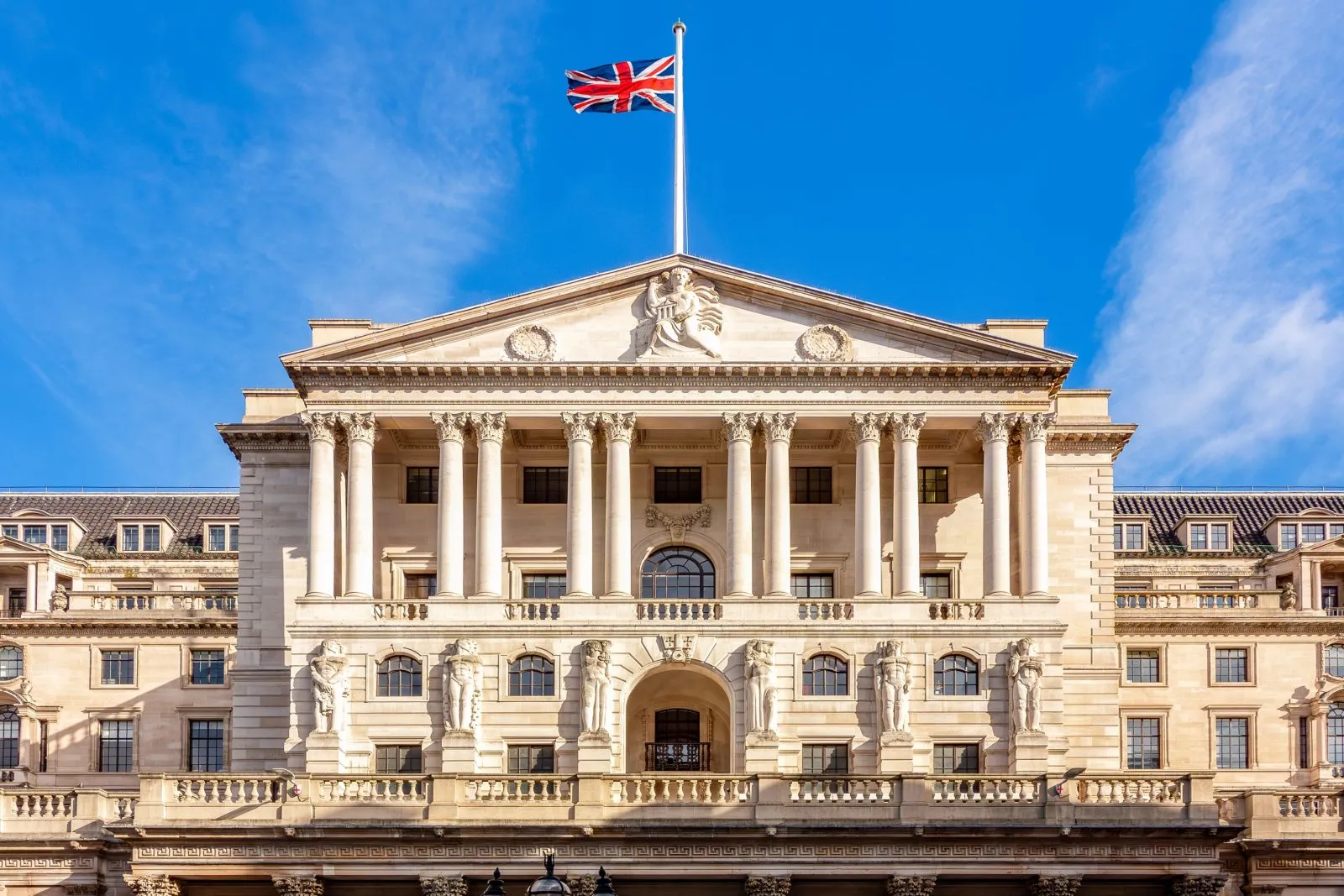
The Bank of England is preparing for a major £160m renovation of its historic headquarters in the heart of London’s financial district, but the ambitious project is already raising questions about costs, security, heritage preservation and the challenges of keeping a major institution operating during extensive construction work.
Governor Andrew Bailey and senior management face the difficult task of modernising the institution’s Grade I-listed Threadneedle Street building while preserving its historic character and ensuring that the work remains within budget. The project aims to create a more modern working environment for thousands of employees, with improved office facilities, informal meeting areas and in-house cafés. However, the scale and complexity of the redevelopment mean that even relatively small complications could create significant financial and operational pressure.
The renovation is particularly sensitive because the Bank of England has a central role in managing the British economy. Its reputation is built partly on financial discipline, careful oversight and responsible decision-making. Any substantial budget overrun or prolonged delay could therefore attract criticism from politicians, taxpayers and financial markets.

The project also comes at a time when another major central bank renovation has become an example of how construction costs can escalate. The refurbishment of the US Federal Reserve headquarters in Washington has experienced significant delays and rising expenses, eventually becoming a source of public disagreement between Federal Reserve chair Jerome Powell and US President Donald Trump.
The original budget for the Federal Reserve project was approximately $921m in February 2020. By December 2024, the estimated cost had increased to around $2bn, with the final bill expected to approach $2.5bn. Construction, initially scheduled for completion in mid-2024, is now expected to continue until December 2027.
Although the Bank of England’s project is considerably smaller, Bailey will be keen to avoid a similar situation. The central bank is already facing scrutiny over its spending priorities, and an expensive refurbishment could become politically uncomfortable if the final cost rises substantially above the announced figure.
The redevelopment was first announced in July 2025, with construction originally expected to begin in November 2026. However, the building contract was not awarded until October, when construction company Sir Robert McAlpine was appointed to undertake the work. Architects, project managers, cost consultants and engineering specialists have also been brought into the process to assess the building’s requirements and establish budgets and timelines.
The Bank has maintained that the project remains on schedule, pointing to the appointment of architects in November 2025 and the preparatory work already completed. Nevertheless, the detailed plans for the wider redevelopment have not yet received all the necessary approvals from heritage and planning authorities.
The headquarters is one of Britain’s most recognisable historic financial buildings. Located opposite the Royal Exchange and close to Mansion House, the site covers approximately 1.4 hectares and has undergone several major transformations throughout its history.
The Bank began operating in rented premises in 1694 before moving to Threadneedle Street in 1734. Its famous nickname, the Old Lady of Threadneedle Street, became popular following a satirical cartoon depicting the institution and former prime minister William Pitt the Younger.
Architect Sir John Soane was responsible for an extensive redesign between 1788 and 1833. The building underwent another major transformation during the 1920s, when much of its interior was demolished and reconstructed. Despite those changes, important architectural and historical features remain, including Roman mosaic floors, stone columns and ornate vaulted ceilings.
Preserving these features while creating a more practical workplace presents a substantial architectural challenge. The renovation must also comply with modern requirements involving fire safety, accessibility, electrical systems and building maintenance. New plumbing and heating infrastructure will be required, alongside improvements intended to make the building more environmentally sustainable through renewable energy-based heating systems.
The Bank’s ambition is not simply to repair an ageing structure. It wants to create a working environment that better reflects the needs of a modern financial institution. Some employees hope the renovated headquarters will resemble contemporary technology-company offices, with more collaborative spaces, informal meeting areas and facilities that encourage interaction between departments.
Vivienne Grafton, the Bank’s executive director of central operations, has described the project as an opportunity to bring new life to a historic building through careful and intelligent transformation rather than radical reinvention.
However, the redevelopment will also involve significant changes to the Bank’s workforce arrangements. Around 3,500 employees are currently working at the site. By the summer of 2028, approximately 1,400 staff based at the nearby 20 Moorgate office are expected to have moved to Threadneedle Street, accepted voluntary redundancy or been offered alternative positions at a new outpost in Leeds, which is also undergoing refurbishment.
The Bank expects to finance the renovation partly through savings generated by a programme of approximately 450 redundancies and other cost-cutting measures. It estimates that these changes could produce savings of around £100m annually over three years.
The workforce changes have nevertheless created unease among some employees. One member of staff reportedly described the atmosphere as resembling a workplace where there was a leaving party almost every week. The comment illustrates the human consequences of a restructuring programme that is intended to generate savings while preparing the institution for a different working environment.
Security is another major concern. The Bank’s headquarters contains approximately 400,000 gold bars valued at more than £200bn, alongside around £100m in banknotes held in its vaults. Maintaining the security of these assets throughout a large construction programme will require extensive planning and coordination.
The institution must ensure that contractors, construction equipment and temporary access arrangements do not compromise the safety of its premises. The building’s sensitive functions and security arrangements also explain why detailed floorplans are being kept confidential because of concerns about potential terrorist attacks.
Another unresolved issue concerns the future of the Bank of England Museum, which currently occupies part of the building facing Bartholomew Lane. The museum attracts approximately 100,000 visitors each year, many of them schoolchildren, and provides an opportunity for the public to learn about the history of money, banking and the British economy.
Some senior staff have considered moving the museum into the central courtyard, potentially allowing visitors to enter through the building’s main entrance. Others have favoured creating café facilities near the entrance to make the institution more welcoming and accessible. The final decision will need to balance public access, security and the operational requirements of the central bank.
The renovation also faces the complicated process of securing approval for changes to a nationally important historic building. The City of London Corporation and Historic England must consider the proposed work before the wider plans can proceed.
Anna Joynt, a senior architect and heritage specialist at Allies and Morrison, explained that complex historic-building projects often begin with preparatory work before the complete redevelopment receives formal consent. Smaller enabling works can be approved separately, allowing construction teams to begin certain activities while the more detailed plans are developed.
She noted that securing permission for listed buildings requires extensive documentation and careful consideration of architectural details. Separating early work from the wider scheme can help avoid unnecessary delays and reduce costs, particularly because construction expenses can increase while projects wait for approval.
Some progress has already been made. Scaffolding has been installed around the roof of the main portico to allow repairs to take place. The Bank also received planning permission last year to renovate a smaller section of the headquarters, formerly used as offices for the governor’s secretaries. The work will involve removing plasterboard walls and opening up the space to create a more modern interior.
However, the future of the wider 1.4-hectare complex remains dependent on further planning decisions and the successful management of the construction programme.

The Bank of England says its procurement processes are designed to deliver value for money and that it is examining how best to preserve the historic Threadneedle Street headquarters while reducing running costs. Yet the institution will have to demonstrate that its modernisation plans can deliver those objectives without creating an expensive burden.
For Bailey, the challenge extends beyond architecture and construction. The project will test the Bank’s ability to manage public resources, maintain institutional security, protect Britain’s architectural heritage and provide a suitable workplace for its employees. With the Federal Reserve renovation serving as a warning about the consequences of escalating costs, the Bank will face considerable pressure to ensure that its £160m transformation delivers what it promises.
Related News:
 Informa Agrees £2.24bn Deal to Buy Clarion
 Labour MPs Urge Burnham to Lead UK Reindustrialisation
 BBC News Faces Deep Cuts in 2,000 Job Plan
 Reeves Fights to Keep Treasury Role Amid Labour Turmoil
 Burnham Faces Mounting Budget Challenges
 Oil nears $100 as Saudi attacks shake markets
 John Lewis Losses Widen to £124m as Confidence Falls
 Thames Water Revises Oxfordshire Mega-Reservoir Plan
 Thinktank Calls for Abolition of UK State Pension
 MPs Defend UK Economic Watchdog Against Critics
 Tony Blair Calls for Britain to Rejoin EU Within a Decade
 UK Trade Losses Grow Without EU Product Deal
 AO Acquires Jessops in Camera Retail Expansion
 Beaverbrooks Boss Calls for Relief on Business Costs
 Poundland Rescue Bid Could Protect 11,000 Jobs
 UK Diesel Reaches £2 as Inflation Surges Across Europe
 Minister Rejects Fears of UK Diesel Shortage
 London Council Warns of 150% Council Tax Rise
 BT Agrees £400m TalkTalk Rescue Deal
 EU-China Talks Target Surge in Hybrid Car Imports
 Ministers Push ATO to Reconsider Credit Card Ban
 Australia Delays Tax Credit Card Payment Ban After Backlash
 Labour Fears Budget Will Fail to Lift Living Standards
 IFS Warns UK Budget Faces £35bn Spending Gap
IMF Raises UK Growth Forecast Ahead of Healey’s Budget
 Healey Plans £1bn Online Marketplace Tax Crackdown
 Business Chief Urges Burnham to Fix Brexit Damage
UK Borrowing Hits £24.5bn Ahead of Healey’s Budget
 Tax Online Sales to Save High Street, Burnham Urged
 UK Budget Leaves Households Facing Higher Energy Bills
 Lloyds Warns Against Extending Higher Bank Tax
 BP Profits Surge as Middle East Conflict Lifts Margins
Burnham Admits First Budget Fell Short of His Ambitions
 Poundland Remains Vulnerable as Rescue Talks Continue
 UK House Prices Suffer Sharpest Fall in Three Years
 California Voters Reject One-Time Billionaire Tax
 Swedish Mining Push Puts Sami Land Rights Under Pressure
 Billionaire Chris Rokos poised to leave UK
 JPMorgan Boss Warns Against UK Bank Tax Rise
 UK Retailers Accused of Breaking Refund Laws
 Farage Threatens Union Funding Ban Over Reform Donations
 North Sea Firms Urge Early End to Windfall Tax
 UK Pay Growth Slows to 3.9% as Rate Decision Nears
 Bank Urged to Slow Bond Sales as UK Costs Rise
 Mayors Could Gain Greater Powers Over Water Firms
 Entain Plans 400 Job Cuts After Profit Update
 Trump Threatens EU With Tariffs Over Canada Proposal
 UK Productivity Improves as Bank Weighs Interest Rates
 UK Retail Sales Rebound as Consumers Spend More
 UK Rent Gap Puts Low-Income Families Under Pressure
 Calls Grow to Expand UK National Wealth Fund
 Chinese Hybrid Car Surge Raises EU Auto Industry Concerns
 TalkTalk Races to Sell Arms as Administration Looms
 Should Savers Lock Into 5.25% Fixed Rates?
 Burnham Opens Door to Possible UK Return to EU
 Healey urged to act as UK energy bills rise 4%
 UK house price growth slows as mortgage rates rise
 UK borrowing costs surge as global bond sell-off deepens
 UK Assures Public Over Diesel Supply
 Badenoch Raises Prospect of 2027 UK Election
 UK Weighs Chinese Car Tariffs Amid EU Trade Push
 IMF Warns Governments Over Rising Debt Burdens
 Tesco Raises Profit Forecast as Consumer Confidence Holds
 IMF Warns Global Economy Is Nearing Its Limits
 UK Could Rejoin EU Through a Switzerland Plus Deal
 Iran War Pushes UK Corporate Profit Warnings to Two-Year High
 UK Unemployment Falls to 4.7% as Vacancies Decline
 Sainsbury’s Warns of Tough Christmas Ahead
 China’s AI Ambitions Hit $2.4 Trillion Market Setback
 Healey Set to Scrap Planned Cut to Cash ISA Allowance
 Albanese Faces Labor Pressure as Inflation Hits 4.3%
UK Devolution Plan Faces Test Over Regional Inequality
 London Luxury Homes Face Deeper Price Declines
 Avanti West Coast Faces £70m Refund Bill
 Australia Faces Deeper Economic Slowdown
 UK Mortgage Holders Face Fresh Payment Shock
 Australia Raises Interest Rates to 18-Year High
 Starbucks to Create 7,500 UK Jobs in Major Expansion
 UK Youth Face Jobs Crisis as Economy Loses Momentum
 Burnham Weighs Tax Cuts to Boost Youth Employment