Published: 12 October 2026. The English Chronicle Desk. The English Chronicle Online
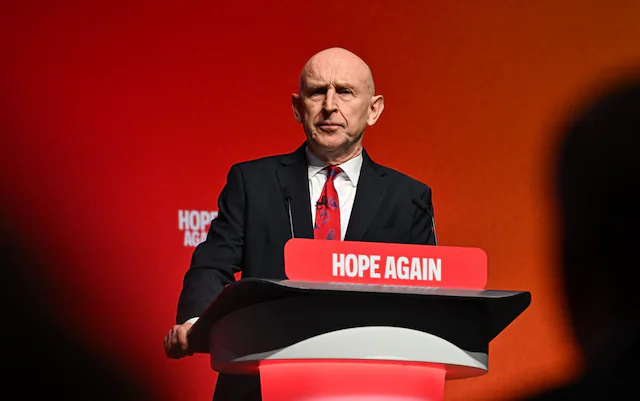
Britain’s forthcoming budget risks being dismissed as a “work of fiction” unless Chancellor John Healey sets out a credible plan to address an estimated £35bn in public spending pressures, the Institute for Fiscal Studies (IFS) has warned. The influential economic thinktank says rising inflation, higher borrowing costs and the government’s defence commitments are creating difficult choices that cannot simply be postponed until next year.
The warning comes ahead of the budget scheduled for 28 October, at a time when the war in the Middle East is placing additional pressure on the UK economy and unsettling financial markets. The conflict has contributed to inflation concerns and a sell-off in government debt, raising the prospect of higher borrowing costs for the Treasury.
According to the IFS, the government faces a fundamental decision over how to maintain public services while meeting its fiscal rules. It can provide additional funding to departments, identify substantial efficiency savings, accept reductions in the quality or quantity of services, or raise revenue through higher taxes and other measures. Each option carries political and economic consequences, but failing to explain how the government intends to manage the pressures could undermine confidence in its budget plans.

Helen Miller, the IFS director, warned that the chancellor could not simply assume that difficult decisions would somehow resolve themselves in the future. She argued that quietly incorporating spending reductions into official plans without a genuine intention to deliver them would make the budget misleading.
The thinktank’s latest assessment, published as its influential pre-budget “green budget”, urges Healey to establish realistic spending limits and make key decisions now rather than relying on next year’s spending review to provide answers.
The central issue is the growing gap between the government’s existing spending commitments and the resources likely to be available. Higher inflation reduces the purchasing power of departmental budgets, meaning that the same amount of money buys fewer services, supplies and staff hours. Unless funding rises or departments become more efficient, public services could face real-terms cuts even if their nominal budgets remain unchanged.
The IFS estimates that addressing the inflation-related pressures while also meeting the government’s ambition to increase defence spending to 3% of gross domestic product by 2030 could require tax increases or benefit reductions worth around £35bn.
That figure represents a major challenge for a government seeking to support households, improve public services and maintain economic stability without allowing borrowing to rise beyond sustainable levels. It also highlights the tension between protecting everyday services and expanding defence expenditure at a time of heightened international uncertainty.
Miller said the government should avoid presenting spending plans that departments would not realistically be expected to follow. If Healey announces funding limits that cannot be maintained without damaging essential services, the IFS argues, the credibility of his broader fiscal strategy will be called into question.
The organisation does not necessarily expect the chancellor to publish every departmental allocation for the years ahead. Instead, it wants him to establish overall spending limits that the government would genuinely be prepared to respect. Such a framework, the thinktank argues, would provide a clearer basis for judging whether the government’s promises can be delivered.
The warning echoes criticism directed at former Conservative chancellor Jeremy Hunt before the 2024 general election, when concerns were raised about spending projections that appeared to rely on reductions without sufficient detail about how they would be achieved. The IFS’s concern is that a similar approach could leave the current government with plans that look financially balanced on paper but prove difficult to implement in practice.
The budget debate has so far focused heavily on the amount of financial headroom available under Labour’s main fiscal rule. That rule requires day-to-day public spending to be balanced by revenues in the 2029–30 financial year, although investment spending is treated separately.
Former chancellor Rachel Reeves left a buffer of approximately £24bn at the spring statement. However, the increase in government borrowing costs since the Middle East conflict intensified in February has threatened to erode that margin.
When investors demand higher returns to hold government debt, the cost of servicing that debt increases. Over time, this can absorb money that might otherwise be available for public services or investment. Rising borrowing costs can also reduce the government’s flexibility when economic conditions deteriorate unexpectedly.
Leading economists have suggested that the market movements since the conflict began could eliminate around half of the existing fiscal buffer. Such a reduction would leave the Treasury with less protection against disappointing economic forecasts, unexpected expenditure or further increases in borrowing costs.
The IFS, however, has cautioned against treating the fiscal headroom figure as the only measure of the government’s financial position. The inflation shock affects not only the cost of borrowing but also the ability of departments to deliver the services promised under existing spending plans.
The thinktank estimates that higher debt interest payments could add around £10bn to government borrowing in 2029–30. Yet higher inflation can also increase tax receipts by raising nominal wages, prices and some business revenues. Taking these effects into account, the IFS suggests the net reduction in fiscal headroom could be closer to £4bn.
That estimate offers some potential relief compared with the more severe projections circulating in the run-up to the budget. Nevertheless, the organisation stresses that a smaller reduction in fiscal headroom does not eliminate the underlying challenge of funding public services.
Higher tax receipts do not automatically compensate departments for the increased cost of providing healthcare, education, transport, local services and other essential functions. If prices rise faster than departmental budgets, services can still deteriorate even when the Treasury receives more revenue overall.
The government must therefore decide whether it is willing to increase spending allocations, make savings elsewhere or accept a lower level of public provision. Keeping the existing spending totals unchanged would not necessarily mean maintaining the same services in real terms.
For households, the consequences could be felt through longer waiting times, reduced service capacity, pressure on local authorities or changes to the availability of public support. The exact impact would depend on which departments faced the greatest pressure and whether they could make meaningful efficiency improvements without undermining services.
The defence commitment adds another layer of complexity. Raising military spending to 3% of GDP by 2030 would require additional resources unless the government reduces other expenditure, increases revenue or changes the timetable or scale of its plans. The IFS’s analysis suggests that attempting to accommodate the commitment within existing spending limits could intensify the squeeze on other departments.
The budget also comes against a difficult backdrop in financial markets. Bank of England governor Andrew Bailey recently emphasised that fiscal policy must be credible and perceived as credible by investors. His warning reflects the importance of convincing markets that the government has a realistic approach to taxation, spending and borrowing.
If investors believe official projections depend on implausible savings or unexplained future decisions, confidence could weaken. That could contribute to higher borrowing costs, making it even more expensive for the government to finance its commitments. The result would be a potentially damaging cycle in which uncertainty over fiscal policy increases the cost of managing public debt.
Miller has argued that the government should prepare for adverse outcomes rather than assume that economic conditions will improve sufficiently to remove the need for difficult choices. A credible budget, in the IFS’s view, should demonstrate how the government would respond if inflation remains elevated, borrowing costs stay high or expected savings fail to materialise.
The Treasury has defended the chancellor’s approach, saying Healey remains focused on supporting businesses, helping households with the cost of living and delivering for communities across the country. It also reaffirmed the government’s commitment to fiscal discipline and compliance with its fiscal rules, including maintaining a buffer against uncertainty.
The department said the Office for Budget Responsibility would publish updated economic and fiscal forecasts alongside the budget later in October. It declined to comment on speculation or proposals concerning the contents of the forthcoming announcement.
Those forecasts will be crucial in determining the scale of the challenge facing the chancellor. They will provide an updated assessment of economic growth, inflation, public borrowing and the government’s ability to meet its fiscal targets.
However, the IFS’s warning suggests that the budget’s credibility will depend on more than the headline figures. Investors, public service leaders and taxpayers will also want to understand whether the spending assumptions can be delivered in practice and who will bear the cost if they cannot.

Healey faces a difficult balancing act. Higher taxes could place additional pressure on households and businesses, while spending reductions could undermine public services. Greater borrowing would offer another way to fund commitments but could expose the public finances to further risks if debt interest costs remain elevated.
The £35bn challenge therefore represents both a financial calculation and a political test. The chancellor must demonstrate that his promises are compatible with the resources available, while explaining how the government intends to protect essential services and meet its defence ambitions.
With the budget approaching, the IFS is urging the government to make realistic choices rather than defer the most difficult decisions. Whether Healey follows that advice will help determine not only the credibility of his fiscal plans but also the capacity of Britain’s public services to withstand a prolonged period of economic uncertainty.
Related News:
 Thinktank Calls for Abolition of UK State Pension
 MPs Defend UK Economic Watchdog Against Critics
 Informa Agrees £2.24bn Deal to Buy Clarion
 BBC News Faces Deep Cuts in 2,000 Job Plan
 Reeves Fights to Keep Treasury Role Amid Labour Turmoil
 Burnham Faces Mounting Budget Challenges
 UK House Prices Fall as Mortgage Rates Rise
 Oil nears $100 as Saudi attacks shake markets
 Thames Water Revises Oxfordshire Mega-Reservoir Plan
 UK Pay Growth Slows to 3.9% as Rate Decision Nears
 Bank Urged to Slow Bond Sales as UK Costs Rise
 UK Inflation Hits 3.1% as Household Pressure Grows
 UK Retail Sales Rebound as Consumers Spend More
 UK Borrowing Hits £18.3bn Ahead of Budget
 Tony Blair Calls for Britain to Rejoin EU Within a Decade
 UK Trade Losses Grow Without EU Product Deal
 Saudi intercepts Houthi missiles as oil fears grow
 Should Savers Lock Into 5.25% Fixed Rates?
 UK Diesel Prices Hit Record High Amid Iran Conflict
 Poundland Rescue Bid Could Protect 11,000 Jobs
 UK house price growth slows as mortgage rates rise
 UK borrowing costs surge as global bond sell-off deepens
 UK Assures Public Over Diesel Supply
 UK Diesel Reaches £2 as Inflation Surges Across Europe
 Minister Rejects Fears of UK Diesel Shortage
 London Council Warns of 150% Council Tax Rise
 EU-China Talks Target Surge in Hybrid Car Imports
 IMF Warns Governments Over Rising Debt Burdens
 Google Maps Brings Live Fuel Prices to UK Drivers
 Ministers Push ATO to Reconsider Credit Card Ban
 Australia Delays Tax Credit Card Payment Ban After Backlash
 France Faces Debt Crisis as Protests and Markets Clash
 Labour Fears Budget Will Fail to Lift Living Standards
 UK Doubles Steel Tariffs to 50% to Protect Domestic Plants
 UK Pushes for New EU Goods Trade Deal
 UK rejects EV charging VAT cut amid Treasury clash
 Labour MPs Urge Burnham to Revive UK Aid Target
 EasyJet Takeover Sparks Fears Over Passengers’ Future
 Europe Faces Winter Gas Supply Anxiety
 UK Households Could Save £173 on Fixed Energy Deals
 Dutch Bank Moves 86 Tonnes of Gold to London
 Trump Hardens Canada Trade Stance as Talks Stall
 Reform Faces Fresh Financial Controversy
 UK Cost Squeeze Deepens as Mortgages and Gas Rise
 Billionaire Chris Rokos poised to leave UK
 JPMorgan Boss Warns Against UK Bank Tax Rise
 John Lewis Losses Widen to £124m as Confidence Falls
 UK State Pension Set to Rise 3.9% as Triple Lock Holds
 North Sea Firms Urge Early End to Windfall Tax
 Trump Threatens EU With Tariffs Over Canada Proposal
 UK Productivity Improves as Bank Weighs Interest Rates
 Trump Threatens EU Over Canada Partnership Proposal
 Japan Raises Rates to 31-Year High
 UK Rent Gap Puts Low-Income Families Under Pressure
 Reform UK Faces Internal Debate Over £72m Spending
 Calls Grow to Expand UK National Wealth Fund
 Trump Eyes Major Belarus Fertiliser Deal Amid Canada Trade Dispute
 Iran Rejects Claims of Shift in US Talks
 Chinese Hybrid Car Surge Raises EU Auto Industry Concerns
 AO Acquires Jessops in Camera Retail Expansion
 Beaverbrooks Boss Calls for Relief on Business Costs
 Why Americans Feel Ripped Off by Rising Prices
 Ukraine Faces $45m Hourly Cost From Missile Alerts
 Burnham Opens Door to Possible UK Return to EU
 Healey urged to act as UK energy bills rise 4%
 Boots Sale Nears as Weston Family Eyes $9bn Deal
 French Debt Fears Put Euro Markets Under Pressure
 Badenoch Raises Prospect of 2027 UK Election
 London Luxury Homes Face a Prolonged Property Slump
 UK Faces Calls to Review Bank Failure Bets
 North Sea Strike Threatens UK Fuel Supplies
 UK Weighs Chinese Car Tariffs Amid EU Trade Push
 BT Agrees £400m TalkTalk Rescue Deal
 Asos Investigates Hack Claims After Customer Alerts
 UK house prices stall as mortgage costs rise
 Tesco Raises Profit Forecast as Consumer Confidence Holds
 France Urges UK to Consider Returning to EU
 Oil Shock Sends Markets Lower as Middle East Risks Grow
 Labour MP Urges Billions for Affordable Homes
 UK Savers Face Uncertainty as Rates Rise Above 5%