Published: 24 September 2026. The English Chronicle Desk. The English Chronicle Online.
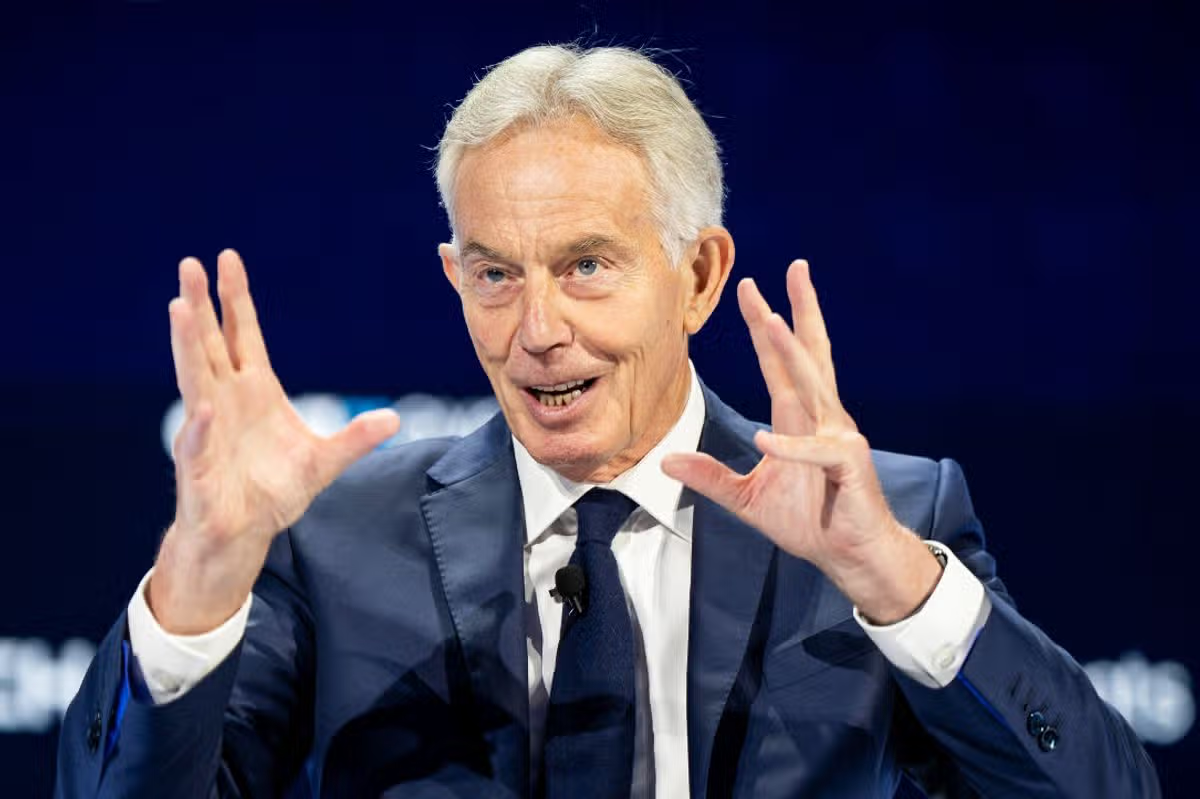
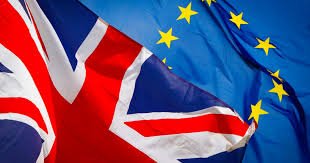
Former British prime minister Tony Blair has called for Britain to work towards rejoining the European Union within the next decade, putting the question of EU membership back at the centre of Labour’s political debate and increasing pressure on Prime Minister Andy Burnham over the party’s long-term approach to Brexit.
Blair’s intervention comes a decade after the 2016 referendum in which Britain voted to leave the European Union. His argument is set out in a new paper from the Tony Blair Institute, which proposes that the UK should pursue a structured process aimed at rebuilding its relationship with Europe and, ultimately, creating the possibility of returning to the bloc under substantially revised conditions.
The proposal represents a significant shift from the cautious approach Labour has maintained towards EU membership since the Brexit referendum. Burnham has previously expressed a personal hope that Britain could one day rejoin the European Union, but since becoming prime minister he has emphasised rebuilding practical relations with European governments rather than immediately reopening the question of membership.
When asked recently whether Labour could promise to seek EU membership in its next election manifesto, Burnham declined to rule it out, describing the question as one for another day. His immediate focus, he has said, is on repairing relations with European partners and strengthening cooperation following years of political and economic tension caused by Brexit.

Blair’s new intervention goes considerably further. The paper argues that Britain should signal an intention to enter negotiations with the EU if suitable terms could be established, while avoiding any assumption that an eventual agreement would be guaranteed. It presents negotiations as a process in which different aspects of Britain’s relationship with Europe could be discussed before either side commits to a final arrangement.
The Tony Blair Institute has argued that Britain should work over the next decade towards the ambition of rejoining a reformed European Union. Its proposal includes accepting some of the obligations that would accompany membership, including free movement and a financial contribution to the EU budget.
The paper also suggests that Britain could use the prospect of eventual membership as leverage in encouraging reforms within the European Union itself. According to the institute, Britain could seek greater economic flexibility within the bloc, including reforms involving energy, technology and regulation. The proposal therefore presents rejoining not simply as a restoration of the pre-Brexit relationship but as part of a broader attempt to reshape Britain’s place within Europe.
The debate places Burnham in a politically sensitive position. Labour has spent years attempting to move beyond the divisions created by the Brexit referendum, while the party continues to face competing views among voters about Britain’s relationship with the European Union.
Some Labour figures have already argued publicly for a much closer relationship with Europe. Defence Secretary Wes Streeting has previously described Brexit in strongly negative terms and supported the idea of Britain eventually rejoining the EU. Burnham himself has also previously said that he hoped to see Britain return to the European Union during his lifetime. Those statements, however, have not translated into an immediate government policy of seeking membership.
Other senior Labour figures have taken a more cautious position. Culture Secretary Lisa Nandy has previously warned against reopening the political arguments surrounding Brexit, reflecting concerns that another major debate over EU membership could revive divisions that have shaped British politics for much of the past decade.
The question is also connected to Labour’s electoral strategy, although available polling should not be treated as a prediction of a future election result. A YouGov survey commissioned by the pro-European campaign group Best for Britain questioned more than 13,000 people between late May and early June 2026, before Burnham became Labour leader and prime minister. Its modelling examined several possible Labour positions on Britain’s relationship with the EU, ranging from closer cooperation to seeking full membership.
Best for Britain reported that its modelling produced a substantially larger projected parliamentary seat total for Labour under an EU membership pledge than under the party’s existing Brexit red lines. The organisation reported a modelled figure of 321 seats under a commitment to seek EU membership, compared with 136 under the then-current approach. These were scenario estimates based on polling conducted before Burnham became prime minister, rather than forecasts of an actual future election outcome.
The polling also found considerable support for EU membership among some progressive voters. A separate analysis of the same research reported that majorities of current Labour, Liberal Democrat and Green supporters selected EU membership as the relationship they most wanted the British government to propose.
At the same time, the political implications are contested. Critics of an immediate move towards rejoining the EU argue that Labour could face resistance in communities where support for Brexit remains significant and where Reform UK has expanded its presence. They also point to the political significance of the 2016 referendum and the risk that reopening the membership question could return Brexit to the centre of national political conflict.
For Burnham, the immediate challenge is therefore not simply whether Britain should eventually rejoin the EU, but how far his government should move towards that objective and at what stage. The government has been pursuing closer practical cooperation with Brussels while maintaining distinctions between partnership and full membership.
That distinction has become increasingly important as economic and industrial issues expose the practical consequences of Britain’s position outside the EU. Britain remains closely connected to European supply chains, particularly in sectors such as automotive manufacturing. Burnham has recently sought cooperation with the EU over its proposed “Made in Europe” industrial policies, expressing concern about the effect of rules favouring EU-produced goods on British manufacturers.
The debate also extends beyond trade. Questions involving defence, energy, technology, migration and regulatory standards have all become part of the wider discussion about Britain’s relationship with Europe. Blair’s proposal argues that a future British government should be prepared to consider these areas together rather than treating EU relations as a narrow question of tariffs or market access.
The former prime minister’s position nevertheless goes beyond the government’s current emphasis on rebuilding ties. His institute argues that Labour should remove several existing policy restrictions, including opposition to returning to the single market, customs union and free movement. Instead, it proposes a broader principle under which Britain would consider European rules and initiatives according to their economic or strategic value.
Any eventual attempt to rejoin the EU would also require negotiations with the European Union itself. Membership would involve conditions, obligations and institutional arrangements that would have to be agreed between Britain and the bloc. Blair’s proposal therefore does not suggest that rejoining could happen simply through a unilateral British decision.
The political debate is consequently likely to develop gradually. Burnham is expected to set out his government’s longer-term direction in a 10-year plan in November, and the question of Britain’s European future could become part of that discussion. Whether he chooses to endorse an eventual membership objective, maintain the existing distinction between cooperation and membership, or leave the question open remains unresolved.
For Blair, however, the direction is clear. He is arguing that Britain should not regard the Brexit settlement as permanently fixed and should instead prepare for a future in which closer European integration, including possible EU membership, is again considered a legitimate national policy objective.

A decade after the referendum, the issue has therefore returned to British politics in a different form. The immediate question is no longer whether the 2016 decision can simply be reversed, but whether a future government should begin preparing for a fundamentally different relationship with Europe and what conditions would accompany it.
For Burnham and Labour, the debate will involve competing considerations over economic cooperation, migration, sovereignty, electoral politics and Britain’s wider international position. For the European Union, any British attempt to return would also raise questions about the terms of membership and the reforms that Blair’s institute says should accompany such a process.
The discussion is still at an early stage. No decision has been made by the British government to seek EU membership, and Burnham has not committed Labour to including such a promise in its next manifesto. What has changed is that senior Labour figures are once again openly discussing the possibility, while Blair has placed a specific decade-long timeframe around the idea.
Ten years after Britain voted to leave, the question of Europe has consequently begun another chapter in British political debate, with the future direction of that relationship now likely to become an increasingly important issue for Labour, its supporters and the wider electorate
Related News:
 Reeves Fights to Keep Treasury Role Amid Labour Turmoil
 UK Wage Growth Slows as Jobs Market Holds Firm
 BBC News Faces Deep Cuts in 2,000 Job Plan
 UK Pushes for New EU Goods Trade Deal
 Labour MPs Urge Burnham to Revive UK Aid Target
 Burnham Faces Mounting Budget Challenges
 Oil nears $100 as Saudi attacks shake markets
 Trump Threatens EU With Tariffs Over Canada Proposal
 Trump Threatens EU Over Canada Partnership Proposal
 Burnham Leaves Door Open to Future Brexit Reversal
 Thinktank Calls for Abolition of UK State Pension
 MPs Defend UK Economic Watchdog Against Critics
 Wealthy Britons Flee Gulf War but Avoid UK Taxes
 UK Doubles Steel Tariffs to 50% to Protect Domestic Plants
 New UK advice scheme to boost savings and investing
 UK rejects EV charging VAT cut amid Treasury clash
 Europe Faces Winter Gas Supply Anxiety
 UK Households Could Save £173 on Fixed Energy Deals
 Dutch Bank Moves 86 Tonnes of Gold to London
 Trump Hardens Canada Trade Stance as Talks Stall
 Green Leader Targets Starmer’s Former Seat
 Reform Faces Fresh Financial Controversy
 Swedish Mining Push Puts Sami Land Rights Under Pressure
 UK House Prices Fall as Mortgage Rates Rise
 Argentina to file criminal charges over Falklands oil drilling
 UK plans tougher Israel stance with settlement trade ban
 Trump Pledges $5,000 if Republicans Win Midterms
 John Lewis Losses Widen to £124m as Confidence Falls
 Thames Water Revises Oxfordshire Mega-Reservoir Plan
 Reform Faces Questions Over £72m Donations
 North Sea Firms Urge Early End to Windfall Tax
 UK Pay Growth Slows to 3.9% as Rate Decision Nears
 Bank Urged to Slow Bond Sales as UK Costs Rise
 JLR Eyes NATO Market With New Defender Military Vehicle
 UK Inflation Hits 3.1% as Household Pressure Grows
 Slave-Trade Wealth Embedded in Britain’s Financial System
 UK Youth Jobs Gap Reveals Deep Regional Divide
 Tories Press Healey Over Tax Rises Ahead of Budget
 US House Passes Russia Sanctions Bill Amid Debate
 Japan Raises Rates to 31-Year High
 UK Retail Sales Rebound as Consumers Spend More
 UK Rent Gap Puts Low-Income Families Under Pressure
 Reform UK Faces Internal Debate Over £72m Spending
 Calls Grow to Expand UK National Wealth Fund
 Trump Eyes Major Belarus Fertiliser Deal Amid Canada Trade Dispute
 UK Borrowing Hits £18.3bn Ahead of Budget
 Iran Rejects Claims of Shift in US Talks
 Trump’s UK Ambassador Urges North Sea Drilling to Strengthen US Ties
 Millionaires group urge Reeves to introduce wealth tax to ‘lift kids out of poverty’
 Canada Passes Carney’s First Budget in Tight Parliamentary Vote
 Starmer Says Labour’s Economic Plan Needs Years to Deliver
 UK shelves £110m border project amid trade strain
 Trump Tariffs Threat Spark UK and EU Alarm
 Gordon Brown urges court for crimes against children
 Farage Faces Backlash Over Crypto Cameo Endorsements
 Army Probes Apache Flyover at Kid Rock’s Nashville Estate
 Relationship with Trump may be beyond repair, Starmer warned
 Unions Raise Concerns Over Doctors’ Pay Dispute
 UK Stands Firm on Falklands Amid US Rift
 Albanese Rejects Gas Export Tax Push
 Oil Prices Surge Above $120 Amid Iran Blockade Fears
 Silent Tracks: Rail Line Without Passengers
 Trump approval plunges amid Iran war fears
 Kevin Warsh sworn in as Fed chair amid economic backlash
 Discontent grows around Putin amid war strain
 Farage and Reform UK Reshape British Politics
 Burnham unveils £65m drought aid for farmers
 Unions Warn Labour Over Zero-Hours Contract Reforms
 Former Diplomats Urge UK and France to Act on Palestine
 Bayeux Tapestry Revives Franco-British Ties
 Trump Calls Iran War ‘Small Potatoes’ Despite US Deaths
 UK Cost Squeeze Deepens as Mortgages and Gas Rise
 Billionaire Chris Rokos poised to leave UK
 JPMorgan Boss Warns Against UK Bank Tax Rise
 UK Retailers Accused of Breaking Refund Laws
 Mayors Could Gain Greater Powers Over Water Firms
 Entain Plans 400 Job Cuts After Profit Update
 US Sanctions Open New Battle for Cuba Assets
 Tom Watson Takes Senior Role at Palantir
 Chinese Hybrid Car Surge Raises EU Auto Industry Concerns