The United States military has reportedly evacuated several aircraft from a second airbase in Britain following a potential security threat linked to Iran, raising fresh concerns about the safety of American military installations in the United Kingdom amid escalating tensions between Washington and Tehran.
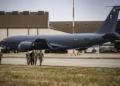
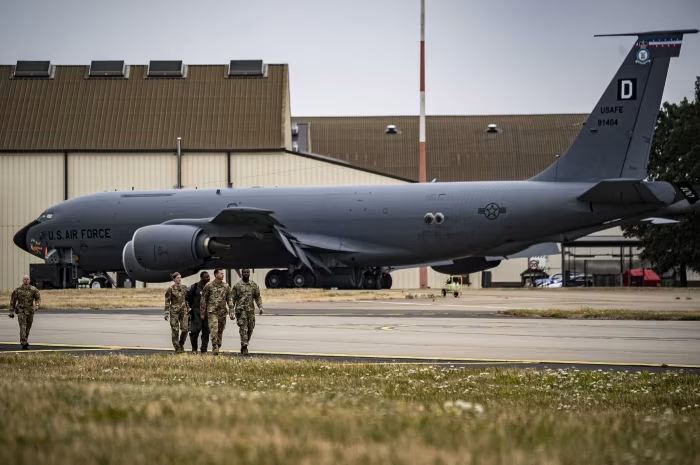
According to a report by the Wall Street Journal, two US aerial refuelling tankers operating from RAF Mildenhall in Suffolk were diverted to Germany on Monday, 9 November. Several other tanker aircraft stationed at the base were subsequently relocated to Germany and other locations later the same day. The reported movements came after American officials assessed a possible threat involving the military installation.

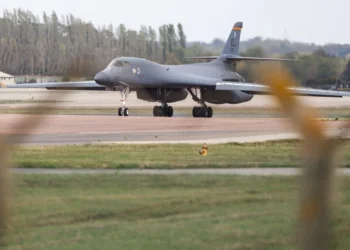
The development is particularly significant because it follows a similar security-related withdrawal from RAF Fairford in Gloucestershire, where the United States previously removed its B-1 bombers after a suspected Iran-linked security incident. The latest reported evacuation suggests that American military authorities are taking additional precautions to protect their aircraft and personnel stationed across Britain.
Although the precise nature of the threat to RAF Mildenhall has not been publicly established, the reported aircraft movements have prompted questions about the security situation surrounding US military facilities in the country. Officials in Washington have yet to provide a detailed public explanation of the circumstances behind the decision.
The Wall Street Journal, citing people familiar with the matter, reported that the United States had increased security measures at both RAF Mildenhall and RAF Lakenheath. The two installations are important components of the American military presence in Britain and support a range of operational activities, including aerial refuelling, aircraft deployment and other military operations.
According to the report, the security status at the installations was raised to Force Protection Condition Charlie, commonly known as FPCON Charlie. This is the second-highest level in the US Department of Defense’s force protection system. It is generally implemented when intelligence or other information indicates that a terrorist attack or hostile action is likely.
The classification reflects a heightened security environment and can lead to additional protective measures, including tighter access controls, increased surveillance, more intensive security checks and restrictions on certain activities. However, the decision to raise the threat level does not necessarily mean that an attack is imminent or that a specific operational plan has been identified.
The British Ministry of Defence declined to discuss the reported movements in detail. A spokesperson said the department did not routinely comment on the activities of other countries, adding that aircraft and other military assets regularly move between locations according to operational requirements.
A spokesperson for the US Air Force also declined to provide specific details about the movement of aircraft. However, the spokesperson indicated that American military aircraft frequently rotate between installations and operating locations for various operational reasons.
Reuters said it could not immediately reach the US Air Force for further clarification. The White House, the Pentagon and US European Command also did not immediately respond to requests for comment sent outside regular business hours.
The latest development has attracted particular attention because of an earlier security incident at RAF Fairford, which remains largely unexplained publicly. In September, five men were arrested outside the airbase in south-west England following an investigation into suspicious activity. Two additional individuals were subsequently arrested on suspicion of assisting Iranian intelligence.
The arrests triggered considerable international attention because of the wider confrontation between the United States and Iran. Security agencies in Britain and the United States have been increasingly concerned about potential threats to military installations, personnel and strategic infrastructure as tensions between the two countries have intensified.
Following the Fairford incident, Washington removed its B-1 strategic bombers from the base on security grounds. RAF Fairford had previously served as an important location for American long-range bomber operations, including aircraft used in military strikes against Iran.
The decision to withdraw the bombers demonstrated the seriousness with which American military authorities were treating the security concerns surrounding the installation. It also highlighted the strategic importance of protecting overseas military facilities at a time when the United States was directly involved in military operations against Iranian targets.
British Prime Minister Andy Burnham said last month that the activity surrounding RAF Fairford was likely to have been coordinated in Iran. His remarks added to concerns about the possibility of foreign involvement in attempts to gather intelligence or conduct hostile activities around sensitive military installations.
However, the Iranian government has rejected accusations of involvement in a plot against the British airbase. Tehran’s ambassador to the United Kingdom has denied that Iran was connected to any such operation.
At the same time, Iran’s Revolutionary Guards had previously warned that RAF Fairford and other military installations used to launch attacks against Iran could be considered legitimate targets. The statement, made in July, reflected Tehran’s position that countries providing facilities for military operations against Iran could face consequences.
These competing statements have contributed to an increasingly complicated security environment for Britain, which hosts several important American military facilities. Although the bases operate within the framework of longstanding defence cooperation between London and Washington, their strategic significance has made them particularly sensitive during the current confrontation.
RAF Mildenhall and RAF Lakenheath are especially important to American military operations in Europe. Their facilities support aircraft deployments, aerial refuelling and other activities that contribute to the operational capabilities of US forces. The presence of American military personnel and equipment at these locations also makes their security a matter of considerable importance for both governments.
The reported relocation of refuelling aircraft to Germany is therefore significant beyond the immediate movement of military assets. Aerial refuelling aircraft play an important role in extending the operational range of military aircraft, allowing them to remain airborne for longer periods and support missions across considerable distances.
Moving such aircraft to alternative locations can provide additional protection during periods of heightened security concerns. It may also allow military planners to maintain operational flexibility while reducing the potential exposure of valuable equipment to possible threats.
Nevertheless, there is currently no publicly confirmed evidence that RAF Mildenhall has been directly targeted or that an attack against the installation has been planned. The available information is based primarily on media reporting and statements from officials who have declined to discuss operational details.
For Britain, the situation presents a difficult security challenge. The country remains a close military partner of the United States, but developments involving American installations on British soil can also have wider implications for national security, diplomatic relations and the safety of local communities.

The latest reported aircraft movements have therefore renewed attention on the security arrangements surrounding US military bases across Britain. Whether the evacuation represents a temporary precaution or part of a broader adjustment to American military operations remains unclear.
Until Washington and London provide further information, the exact nature of the threat and the reasons behind the aircraft movements are likely to remain subjects of considerable international scrutiny. What is clear, however, is that the continuing confrontation between the United States and Iran is creating additional security pressures for military installations far beyond the Middle East, including those located in the United Kingdom.
Related News:
 UK Prepares Aircraft Carrier for Middle East Crisis
 US Pushes for Final Russia-Ukraine Peace Deal
 Thousands Protest Iran Strikes Outside US Embassy London
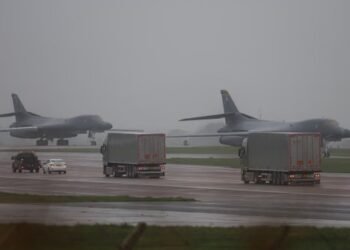 US Bombers Arrive at RAF Base Amid Rising Iran Tensions
 Charles Faces Trump Test in High-Stakes US Visit
 UK Stands Firm on Falklands Amid US Rift
 Ceasefire Standoff Deepens in Ukraine War
 Houthis Strike Saudi Arabia as Middle East Tensions Rise
 Trump dismisses concerns over 250-day carrier deployment
 Trump Calls Strait of Hormuz ‘American Territory’
 Trump Faces Iran War Crisis Before Midterm Vote
 UN expert urges UK to rethink Israel policy
 Middle powers seek new alliances amid Trump era
 Netanyahu faces protests and pressure at UN
 Trump Asked Xi About Buying US Weapons
 US bombers leave RAF Fairford after terror threat
 Canadian Veterans Condemn Trump Allies’ Military Remarks
 Vance Demands Iran Cut Nuclear Enrichment
 Tanker Attacked Near Qatar as Hormuz Tensions Escalate
 Trump Rules Out Iran Attack Before US Elections
 Trump Slams Ukraine Strikes as Russia Ceasefire Collapses
 US Strikes Iran Island as Vance Signals Hope for Peace
 Qatar Pushes Iran Deal to Reopen Strait of Hormuz
 Thousands Protest ICE Operations in Nationwide US Day of Action
 Epstein Files Reveal Trump Officials’ Emails with Financier
 Starmer Condemns ‘Depraved’ Russian Strikes on Ukraine
 California Democrats Vow Trump Reckoning
 Trump Tariffs Threat Spark UK and EU Alarm
 Ukraine war briefing: Zelenskyy offers help to Saudi Crown prince on combatting Iranian drones
 Gordon Brown urges court for crimes against children
 Army Probes Apache Flyover at Kid Rock’s Nashville Estate
 Relationship with Trump may be beyond repair, Starmer warned
 Trump orders US troop pullout from Germany
 Trump approval plunges amid Iran war fears
 Ohio’s Battle for Trust: Democrats Vying to Flip the Buckeye State
 US ‘Narco Boat’ Strikes Draw Global Outcry
 Afghan Families Left in Limbo Face Risk of Deportation
 Trump Announces 3-Day Russia–Ukraine Ceasefire Deal
 US Awaits Iran Reply on New Ceasefire Proposal
 Fear and Betrayal: The Chilling Case of Kouri Richins
 Farage and Reform UK Reshape British Politics
 Starmer Leadership Under Pressure After Setbacks
 House Curbs Trump’s War Powers in Rare Rebellion
 New South Wales Premier Chris Minns Signals Tough Road Ahead for Labor
 Former Diplomats Urge UK and France to Act on Palestine
 Trump Hardens Canada Trade Stance as Talks Stall
 Bayeux Tapestry Revives Franco-British Ties
 Trump Calls Iran War ‘Small Potatoes’ Despite US Deaths
 UK plans tougher Israel stance with settlement trade ban
 Europe’s democracies face a growing far-right threat
 Lib Dems Prepare for Election Amid Reform Challenge
 US Networks Suspend Trump White House Pool Coverage
 Xi urges Trump to avoid US-China military conflict
 Lula accuses Trump of seeking control over Brazil
 Republican Senator Questions Trump Ad Spending
 Burnham Opens Door to Possible UK Return to EU
 US Sends Third Carrier to Middle East
 Brazil Election Draws Religion Into Final Campaign
 Lula Warns of Bolsonaro Family Return as Brazil Votes
 Families Await USS Abraham Lincoln Homecoming
 Quebec separatists return to power without majority
 Israeli Settlers Assault Palestinian Photographer
 Israel Marks Three Years Since October 7 Attack
 UK Mission in East Jerusalem to Remain Open
 Trump Says He Deserves Nobel Peace Prize
 Trump’s Russian Diesel Deal Sparks Ukraine Fury
 Trump Names Katie Zachariah as Next White House Press Secretary
 Brazil Court Scandal Threatens Lula as Bolsonaros Rise
 UK Could Rejoin EU Through a Switzerland Plus Deal
 Brexit Debate Returns as UK Voters Reconsider EU Exit
 Lula Supporters Make Final Push Ahead of Brazil Runoff
 Flávio Bolsonaro Reportedly Leaves Brazil After Election Defeat
 Palestinian Parties Gain Power in Israel’s Election
 Trump’s Global Policies Put Republicans at Risk
 King Charles Faces Reparations Protests at Antigua Summit
 James Talarico Makes History with Texas Senate Victory
 Hegseth Faces Growing Pressure After GOP Election Defeat
 Trump-Backed Republicans Suffer Major Midterm Defeats
 Paraguay President Quits After Major Bank Collapse
 EU Citizens Sue Home Office Over UK Residency Rights