Published: 24 October 2026. The English Chronicle Desk. The English Chronicle Online
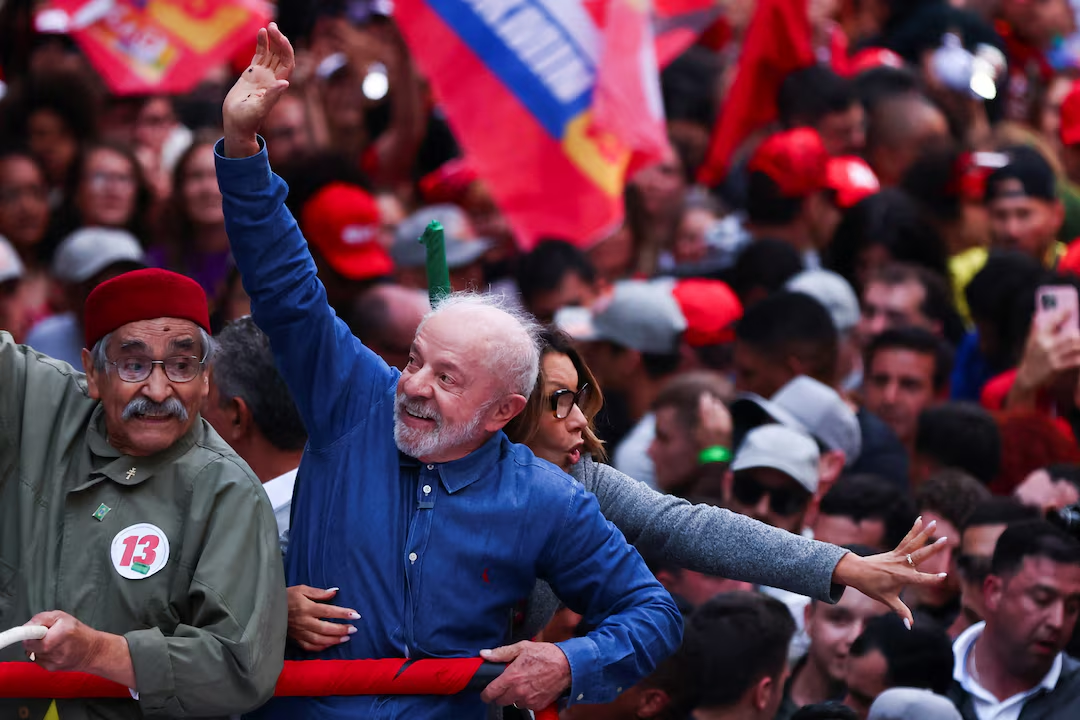
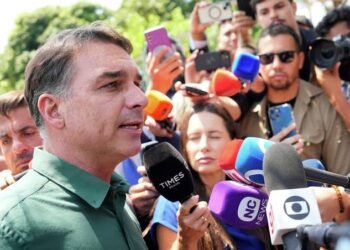
Supporters of Brazilian President Luiz Inácio Lula da Silva are making a determined final effort to secure his re-election, appealing to undecided voters, previous abstainers and former supporters of rival candidates as Brazil prepares for a closely contested presidential runoff on Sunday. In the politically influential state of Minas Gerais, where the latest opinion polls suggest an exceptionally tight race, volunteers are working to persuade voters that another victory for the far right could threaten democratic institutions, social protections and rights they believe are essential to the country’s future.
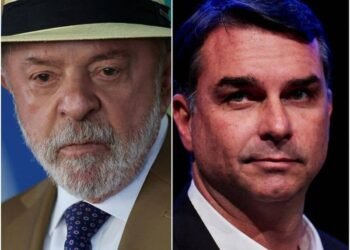
The final days of campaigning have become a contest not only between Lula and his far-right challenger, Senator Flávio Bolsonaro, but also between competing visions of Brazil’s political direction. Lula’s supporters are attempting to overcome the disadvantage of his first-round defeat on 5 October, while Bolsonaro’s campaign is seeking to preserve its initial momentum and convince voters that a change in leadership is necessary.
Across Belo Horizonte, the capital of Minas Gerais, ordinary citizens have taken on an increasingly important role in the campaign. Naiara Boroni, Nikolas Domingues and Jodersson Diego, three residents who do not know one another, have each tried to persuade someone who did not support Lula in the first round to vote for the incumbent in Sunday’s decisive contest.

Boroni spoke to her grandmother, who had abstained from voting, while Domingues attempted to convince a cousin who had supported a candidate who finished fourth. Diego, a 33-year-old dance teacher, said he had persuaded one of his students to reconsider her support for Bolsonaro.
The student had initially rejected Lula because of the influence of her evangelical church, Diego explained. Rather than engage in an argument over religion or politics, he tried to challenge some of the negative claims she had heard about the incumbent. According to Diego, the conversation ultimately changed her perspective.
His experience illustrates the importance Lula’s campaign has placed on personal conversations and persuasion in a country where political divisions frequently extend into families, workplaces, religious communities and friendships. With the election approaching, even a small number of changed votes could prove significant in a contest expected to be decided by a narrow margin.
Lula’s challenge is particularly difficult because he received approximately 3.8 million fewer votes in the first round than he did in the 2022 election, when he defeated Flávio Bolsonaro’s father, former president Jair Bolsonaro, in the runoff. The incumbent is now attempting to reverse an initial defeat, something no presidential candidate in Brazil’s electoral history has achieved under comparable circumstances.
Flávio Bolsonaro, meanwhile, secured approximately five million more votes than his father received in the first round of the 2022 election. His political alliance also performed strongly in congressional, gubernatorial and state legislative contests, strengthening the position of conservative forces across the country.
Those results initially appeared to place Bolsonaro in a commanding position. However, the gap between the two presidential candidates has narrowed during the subsequent three weeks of campaigning. Recent polling has placed them almost level, with Bolsonaro retaining a marginal advantage in some surveys.
Political scientist Manoel Leonardo Santos, a professor at the Federal University of Minas Gerais, said Lula’s campaign had performed considerably better during the runoff period. Nevertheless, he cautioned that an improved campaign did not necessarily guarantee victory, particularly given the difficulties of mobilising voters who had already stayed away from the first round.
Minas Gerais has become central to the final struggle because of its electoral importance and historical record. It has the second-largest electorate among Brazil’s states, behind São Paulo, and has long been regarded as an important indicator of the national political mood. No candidate has won the Brazilian presidency without carrying the state, making its outcome particularly significant for both campaigns.
Lula finished almost five percentage points behind Bolsonaro in Minas Gerais during the first round. The result has forced his supporters to focus on rebuilding support among groups that traditionally lean towards the left, including lower-income households, older citizens and people with less formal education.
The national abstention rate reached a record 21% in the first round. Analysts believe this could disadvantage Lula because non-voting is relatively common among demographic groups that have historically supported him. Eight of the ten Brazilian municipalities with the highest abstention rates were in Minas Gerais, highlighting the scale of the mobilisation challenge facing the incumbent’s campaign.
Political scientist Helcimara de Souza Telles, also a professor at the Federal University of Minas Gerais, said Lula could win if his supporters returned to the polls, but warned that there was no guarantee his campaign would succeed in bringing them back.
The Bolsonaro camp is also working to maintain turnout and prevent complacency among its supporters. At a campaign event in Minas Gerais last Tuesday, governor-elect Cleitinho Azevedo urged supporters not to assume the election had already been decided. The gathering featured an appearance by Flávio Bolsonaro through a video call and a large inflatable figure of his father.
The event demonstrated that the conservative campaign continues to rely on established political networks, cultural values and strong personal loyalties. Magda Aparecida Araújo, a 44-year-old pharmacist who attended the gathering, acknowledged the benefits she had received from Lula-era education policies, including a university scholarship. However, she said she now supported Bolsonaro because of his emphasis on family and traditional values.
Her position reflects a broader challenge for Lula. While his governments retain support among people who benefited from social programmes and expanded educational opportunities, the incumbent continues to face resistance from voters whose political identities are shaped by religious beliefs, conservative social attitudes and distrust of the left.
Young voters have emerged as another important source of energy for Lula’s campaign. At a recent rally in Belo Horizonte, 17-year-old student Ester Nascimento said she was participating because she did not want the far right to return to power and undermine rights that previous generations had fought to establish.
Nascimento and her friends represent a younger generation that has increasingly taken part in public demonstrations and political campaigning. Supporters believe this mobilisation could help counterbalance lower turnout among other traditionally pro-Lula groups.
The campaign has also undergone a significant transformation online. Taking advice from younger politicians who understand digital communication, Lula’s team has expanded its use of short videos, social media content and coordinated online mobilisation. The 81-year-old president, who does not own a mobile phone, has begun recording selfie videos to reach voters directly.
Millions of supporters have joined a WhatsApp channel known as Lula’s Army, where Congressman André Janones has circulated frequent instructions encouraging participants to share pro-Lula material and increase its visibility online. Recent digital popularity measurements have indicated that Lula’s reach overtook Bolsonaro’s during the runoff campaign, providing the incumbent with a potential advantage in the final days.
Lula has also pursued economic and legislative measures aimed at strengthening his appeal among working-class voters. His government accelerated payments under the Bolsa Família cash-transfer programme for low-income families and advanced a package of benefits within the limits of electoral law. Congress also approved a reduction in the working week to 40 hours, a measure that could affect approximately 30 million workers.
However, analysts have questioned whether Lula’s gains are driven entirely by growing enthusiasm for his candidacy. Some believe Bolsonaro’s declining popularity and rising rejection rate have played an equally important role in narrowing the contest.
The senator’s campaign has faced criticism over his aggressive performance in the first presidential debate and a controversial statement suggesting that a new conservative-dominated Congress could change the constitution and restore democracy. Critics interpreted the remarks as raising concerns about the future of Brazil’s democratic institutions.
Douglas Pereira Melo, a 25-year-old administrative assistant who supported far-right influencer Renan Santos in the first round, said he had decided to vote for Lula after reconsidering Bolsonaro’s proposals. He expressed particular concern about the possibility of constitutional changes, pointing to Jair Bolsonaro’s failed attempt to overturn the 2022 election result.
Flávio Bolsonaro has also faced scrutiny over several controversies. He is reportedly the subject of two federal police investigations, including inquiries concerning an alleged request for financial support for a film about his father and suspected money laundering linked to business connections. The allegations have not, by themselves, established criminal guilt, and their legal implications remain matters for investigation.
Additional controversy has surrounded a dispute involving Brazilian footballer Richarlison, who has accused Bolsonaro and a businessman of conspiring to deprive him of a property on an island. Separately, a magazine report concerning a boat gathering during the Covid-19 pandemic has generated further questions about the senator’s associations. These issues have provided opponents with fresh opportunities to challenge his credibility, although the extent to which they will influence voters remains uncertain.
As Brazil approaches Sunday’s runoff, the outcome remains difficult to predict. Lula’s campaign has gained momentum through grassroots organising, youth participation, digital outreach and efforts to attract voters who previously supported other candidates. Bolsonaro, however, continues to benefit from the strong first-round result and the broader electoral success of conservative political forces.

For Lula’s supporters in Minas Gerais, the final hours are about more than securing a numerical advantage. They see the election as a decision about the country’s political future, social priorities and democratic stability. For Bolsonaro’s supporters, the contest represents an opportunity to strengthen conservative leadership and advance their preferred vision of Brazilian society.
Ultimately, the result may depend on whether Lula can turn renewed enthusiasm into actual votes and persuade enough undecided citizens that his return to office is preferable to a Bolsonaro presidency. With the two candidates separated by only a narrow polling margin, individual conversations, turnout and last-minute changes of opinion could determine the outcome of one of Brazil’s most consequential elections in recent years.
Related News:
 Trump’s Revenge Drive Deepens GOP Divide
 Is America Ready for an AOC Presidential Run?
 Families Await USS Abraham Lincoln Homecoming
 Latin America women fear rollback of rights
 Holborn and St Pancras Vote Tests Labour and Greens
 USS Lincoln Ends Record 265-Day Deployment
 Labour Wins Key London By-election as Greens Fall Short
 Bolsonaro Gains Key Endorsement Ahead of Brazil Runoff
 Burnham Rises as Farage and Polanski Face Setbacks
 Labour Beats Greens in Crucial London By-election
 Trump Attacks Norway After Nobel Peace Prize Snub
 Trump Names Katie Zacharia as Next White House Spokesperson
 Trump Names Katie Zachariah as Next White House Press Secretary
 Ten US Midterm Races That Could Defy Expectations
 Millions Face Tougher Medicaid Rules From January
 Ohio Airports Become Key Hubs for ICE Deportation Flights
 Trump Warns Alaska Voters Over Rival Dan Sullivans
 Brazil Cuts Working Week to 40 Hours in Lula Election Boost
 Talarico Faces Tough Voter Test in Texas Senate Race
 Trump Slams Ukraine Strikes as Russia Ceasefire Collapses
 Obama Warns Against Threat to Ilhan Omar’s Citizenship
 Thousands Protest ICE Operations in Nationwide US Day of Action
 Epstein Files Reveal Trump Officials’ Emails with Financier
 Thousands Protest ICE in New York Against Trump Deportation Campaign
 Clinton Testimony Erupts in Fiery Exchange
 Melania Trump Epstein remarks spark survivor backlash
 UK Stands Firm on Falklands Amid US Rift
 Trump orders US troop pullout from Germany
 Judge halts deportation of Yemeni refugees in US
 Trump approval plunges amid Iran war fears
 Ohio’s Battle for Trust: Democrats Vying to Flip the Buckeye State
 US ‘Narco Boat’ Strikes Draw Global Outcry
 Afghan Families Left in Limbo Face Risk of Deportation
 Tensions Emerge in Netanyahu-Trump Alliance
 US Awaits Iran Reply on New Ceasefire Proposal
 Immigration Judges Fear Pressure in Trump Era
 Farage and Reform UK Reshape British Politics
 Starmer Leadership Under Pressure After Setbacks
 House Curbs Trump’s War Powers in Rare Rebellion
 Trump’s Mount Rushmore Speech: A Divisive Anniversary
 Le Pen’s Popularity Holds Despite Conviction
 Houthis Strike Saudi Arabia as Middle East Tensions Rise
 Trump Hardens Canada Trade Stance as Talks Stall
 Trump Calls Iran War ‘Small Potatoes’ Despite US Deaths
 Lib Dems Prepare for Election Amid Reform Challenge
 US Networks Suspend Trump White House Pool Coverage
 Democrat Says ICE Restricted Detention Camp Oversight
 Xi urges Trump to avoid US-China military conflict
 Lula accuses Trump of seeking control over Brazil
 Republican Senator Questions Trump Ad Spending
 Madrid Tent Camp Grows as Spain Housing Crisis Deepens
 Burnham Opens Door to Possible UK Return to EU
 Drumcree Talks Falter as Legal Challenge Deepens
 Green Party faces dispute over Zionism motion
 Brazil Election Draws Religion Into Final Campaign
 French School Protests Escalate as 400 Schools Close
 Lula Warns of Bolsonaro Family Return as Brazil Votes
 Bosnia’s Young People Look Beyond Election Hope
 Quebec separatists return to power without majority
 Canadian Veterans Condemn Trump Allies’ Military Remarks
 Argentina Protesters Resist Milei’s Land Sale Drive
 Vance Demands Iran Cut Nuclear Enrichment
 Trump Says He Deserves Nobel Peace Prize
 Gaza War Deepens India’s Strategic Ties With Israel
 Turkey Rules Out Troops in Saudi Arabia’s Houthi Conflict
 Trump Rules Out Iran Attack Before US Elections
 Trump’s Russian Diesel Deal Sparks Ukraine Fury
 Panama Hit by Powerful 7.7-Magnitude Earthquake
 US Execution Livestream Plan Sparks Global Outrage
 Delhi Detains Protest Leaders as Youth Rally Escalates
 French Students Protest Poor Conditions in Paris Suburbs
 Brazil Court Scandal Threatens Lula as Bolsonaros Rise
 Greta Thunberg Backs French Students in School Protests
 Gadi Eisenkot: Israel’s Anti-Netanyahu Challenger
 Trump Rallies GOP as Senate Democrats Boost Key Races
 Serbia Leader Linked to Controversial Trump Tower Plan
 Milan Luxury Stores Shut as Italy Plans Troop Deployment
 Zelenskyy Says US Failed to Warn Kyiv of Russian Strikes
 Omar Claims US Raid on Residence Was Meant to Intimidate
 Greens Face Leadership Test as Jordon Steele-John Misconduct Claims Leave Party in Limbo