Published: 25 September 2026. The English Chronicle Desk. The English Chronicle Online
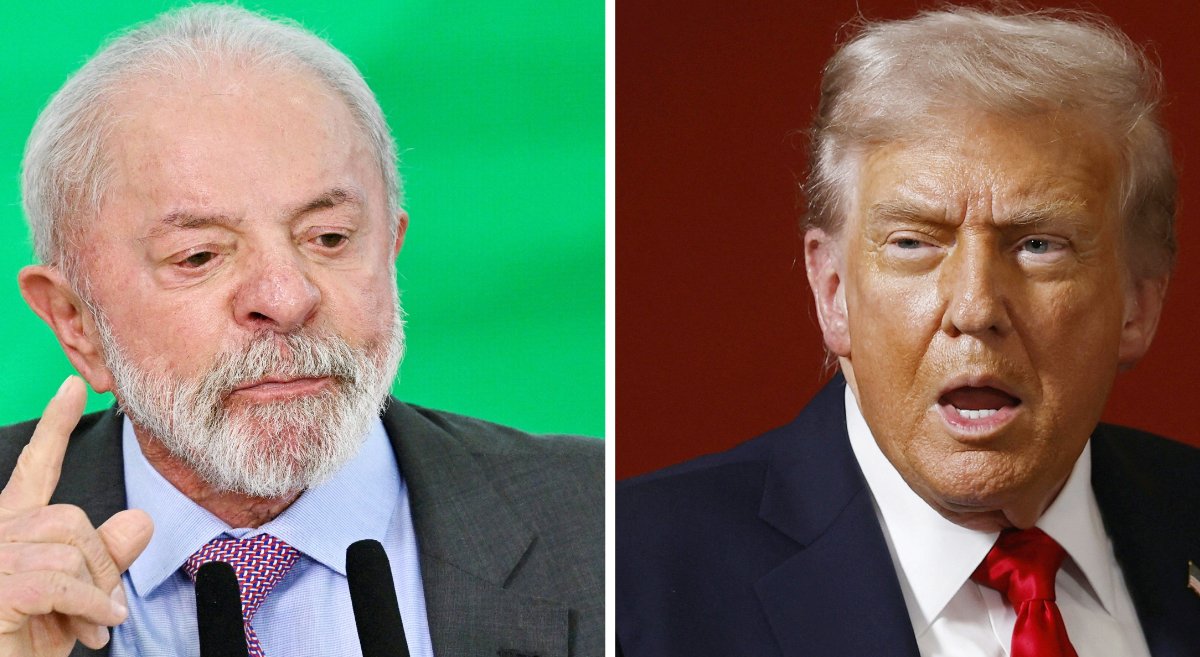
Brazilian President Luiz Inácio Lula da Silva’s presidential campaign has accused US President Donald Trump of attempting to influence Brazil’s upcoming election in order to advance American interests and gain greater access to the country’s natural resources.
The allegation was made in a televised campaign advertisement released by Lula’s team on Thursday, September 24, as concerns over possible foreign influence become increasingly prominent in Brazil’s presidential race. The campaign claimed that Trump was seeking to help Lula’s principal opponent, Senator Flávio Bolsonaro, and linked the alleged effort to wider US economic and political interests in Brazil.
The accusation represents another escalation in the increasingly tense relationship between Brasília and Washington. While Lula and Trump have continued to discuss trade and other bilateral issues, disagreements over tariffs, Brazil’s domestic political affairs and the direction of US policy in Latin America have created significant friction between the two governments.
The campaign advertisement used particularly strong language, accusing Trump of seeking to “colonise” Brazil and obtain control over its wealth. It portrayed Flávio Bolsonaro as the preferred candidate of the US president and suggested that an electoral victory for Bolsonaro would allow Washington to pursue its strategic and economic objectives more freely.

The US government has rejected allegations that it is attempting to manipulate Brazil’s election. The State Department has previously described suggestions that Washington is pursuing a scheme to undermine a democratic election as unfounded.
The disagreement comes less than two weeks before Brazil’s first-round presidential vote, scheduled for October 4. If no candidate receives more than half of the votes, the two leading candidates will face each other in a second round on October 25.
Lula has repeatedly raised concerns about foreign involvement in the election. Speaking at the United Nations General Assembly in New York earlier this week, he warned against attempts by internal or external actors to interfere with the will of Brazilian voters. Without directly naming Trump, Lula stressed that Brazil’s democracy belongs to Brazilians.
The issue has attracted attention beyond Lula’s own political movement. A group of Democratic members of the US Congress has also accused the Trump administration of interfering in Brazil’s electoral process. In a letter to Secretary of State Marco Rubio, the lawmakers expressed concern over what they described as a sustained campaign involving diplomatic, economic and political pressure.
The congressional letter cited several developments involving US policy towards Brazil. These included tariffs imposed on Brazilian goods, disagreements involving Brazilian judicial officials and plans for US officials to travel to Brazil to examine the country’s electronic voting system. Brazilian authorities ultimately denied visas to the proposed US delegation.
The lawmakers argued that such measures could undermine confidence in Brazil’s democratic institutions and damage relations between two countries that have traditionally maintained significant economic and diplomatic ties. They asked the Trump administration to commit to respecting Brazil’s electoral process and requested a response before October 1.
The Trump administration has not accepted the characterisation of its policies as election interference.
The dispute has also been influenced by the increasingly important economic relationship between the two countries. The United States has imposed tariffs on Brazilian products, creating additional pressure on exporters and generating a political debate inside Brazil over the reasons behind Washington’s measures.
Lula has criticised the tariffs while maintaining that Brazil remains willing to negotiate with the United States. Recent discussions between the two governments have focused on trade and the possibility of resolving disagreements through diplomacy rather than escalating retaliatory measures.
The tariffs have nevertheless become an important issue in Brazil’s election campaign. Lula has argued that US economic pressure is connected to Washington’s political preferences, while Bolsonaro and his supporters have offered different interpretations of the dispute.
The question of natural resources has added another layer to the controversy. Brazil possesses substantial deposits of minerals considered important to modern industries, including technologies associated with energy, electronics and advanced manufacturing. The country’s natural resources have consequently attracted growing international attention.
Another right-wing presidential candidate, Renan Santos, has also criticised what he described as US pressure on Brazil. Although his political position differs substantially from Lula’s, Santos has said he does not want Brazil to become dependent on Washington and has raised concerns about foreign interests in the country’s mineral resources.
His comments demonstrate that anxiety about external influence is not limited to Lula’s political camp. Different candidates and political groups have interpreted US actions through their own political perspectives, but concerns about national sovereignty have increasingly entered the wider election debate.
The controversy has also extended into Brazil’s institutions. Lula’s Workers’ Party has sought legal action concerning alleged foreign interference and has argued that measures taken by the Trump administration, together with alleged contacts involving members of the Bolsonaro family, require investigation. Those claims remain matters of political and legal dispute rather than established findings of wrongdoing.
Brazilian intelligence authorities have separately warned about the possibility of foreign influence surrounding the election. A confidential assessment reportedly sent to senior Brazilian authorities described the risk associated with potential US interference as significant. The existence of such concerns has contributed to the broader debate over the protection of Brazil’s electoral institutions.
Brazil has one of the world’s most extensive electronic voting systems, and the security and reliability of its voting process have previously been subjects of political controversy. Brazilian electoral authorities have repeatedly defended the system, while political disputes over electronic voting have continued to influence the country’s public debate.
The Trump administration’s relationship with the Bolsonaro family is another central element of the controversy. Former Brazilian president Jair Bolsonaro remains a major figure within the country’s political right, while his son Flávio Bolsonaro is now campaigning for the presidency. Trump has maintained political ties with the Bolsonaro family, and Washington’s policies towards Brazil have been interpreted by Lula’s allies as evidence of an effort to shape the country’s political direction.
The US government disputes the allegation that its policies amount to an attempt to control the outcome of the election.
The disagreement illustrates the broader difficulty facing US-Brazil relations. Washington and Brasília have significant shared economic interests, while Brazil remains an important regional power and a major trading partner of the United States. At the same time, the two governments have adopted different approaches to several international and domestic political questions.
For Lula, the issue has also become part of a broader argument about Brazilian sovereignty. His administration has sought to portray the election as a decision that should be determined exclusively by Brazilian voters, while warning that external pressure could undermine confidence in the democratic process.

For Trump and his administration, the central disputes with Brazil have involved trade, economic policy, security and broader US interests in the Western Hemisphere. Whether those policies constitute legitimate foreign-policy pressure or electoral interference remains sharply contested by the two sides.
With the October 4 vote approaching, the dispute is likely to remain a significant part of Brazil’s political conversation. The allegations have added an international dimension to an already closely contested election and have placed the relationship between Washington and Brasília under renewed scrutiny.
The immediate question is whether diplomatic disagreements can be contained without further damaging bilateral relations. For Brazilian voters, however, the central issue remains the country’s own electoral process and the extent to which domestic political choices should be determined without outside pressure.
The competing claims from Lula’s campaign, the Trump administration, US lawmakers and other Brazilian political figures highlight the complexity of the dispute. Allegations of interference remain contested, while documented measures such as tariffs, diplomatic actions and public statements have clearly become intertwined with Brazil’s election debate. As voting day approaches, the controversy is likely to remain closely connected to questions of sovereignty, trade, natural resources and the future direction of US-Brazil relations.
Related News:
 Trump Calls Iran War ‘Small Potatoes’ Despite US Deaths
 US states redraw maps after voting rights ruling
 Trump approval plunges amid Iran war fears
 Trump Threatens UN Budget Cuts as US Pushes ‘Trade Over Aid’ Agenda
 US ‘Narco Boat’ Strikes Draw Global Outcry
 US Awaits Iran Reply on New Ceasefire Proposal
 Hormuz Talks Near Critical Stage
 Is America Ready for an AOC Presidential Run?
 Trump announces major US oil deal with Venezuela
 Trump Hardens Canada Trade Stance as Talks Stall
 Trump Pledges $5,000 if Republicans Win Midterms
 Experts Warn of Growing US Terrorism Risks 25 Years After 9/11
 Trump’s Washington Projects Face Architectural Criticism
 Trump Media Ban Triggers First Amendment Clash
 Macron and Carney deepen France-Canada ties
 US Networks Suspend Trump White House Pool Coverage
 Trump Eyes Major Belarus Fertiliser Deal Amid Canada Trade Dispute
 Xi urges Trump to avoid US-China military conflict
 Canada Passes Carney’s First Budget in Tight Parliamentary Vote
 India’s Labour Law Overhaul Sparks Fierce Debate
 Trump Escalates Minnesota Immigration Surge Amid Rising Tensions
 Greenland Faces Pivotal Summit Over Arctic Power Struggle
 Mark Carney Walks Diplomatic Tightrope on China Visit
 Government Unveils Northern Powerhouse Rail Plans
 Trump Fed bid heads to Supreme Court
 Thousands Protest ICE Operations in Nationwide US Day of Action
 Epstein Files Reveal Trump Officials’ Emails with Financier
 Thousands Protest ICE in New York Against Trump Deportation Campaign
 Clinton Testimony Erupts in Fiery Exchange
 Trump to Deploy “God Squad” Over Gulf Wildlife Protections
 Can Congress Stop US Sports Teams From Moving Cities?
 Iran Crisis Tests Trump’s Global Leadership
 Trump Slams UK Ties and Threatens To Rewrite Trade Deal
 Iron Worker Challenges Trump Loyalist in Ohio
 Trump Faces Crisis as Iran Reopens Hormuz Tensions
 UK Stands Firm on Falklands Amid US Rift
 Southeast Asia Turns to Russia Amid Energy Crisis
 US Calls Australia Media Law “Foreign Extortion”
 Capitalism ‘Suicidal’, Warns Petro at Climate Summit
 Oil Prices Surge Above $120 Amid Iran Blockade Fears
 Cartel crackdown raises fears of fresh violence
 Trump orders US troop pullout from Germany
 Judge halts deportation of Yemeni refugees in US
 Ohio’s Battle for Trust: Democrats Vying to Flip the Buckeye State
 Trump warns Iran as Middle East tensions surge again
 Ohio Primaries Set Stage for Crucial Midterms
 Afghan Families Left in Limbo Face Risk of Deportation
 Tensions Emerge in Netanyahu-Trump Alliance
 Immigration Judges Fear Pressure in Trump Era
 Kevin Warsh sworn in as Fed chair amid economic backlash
 UK Pushes for New EU Goods Trade Deal
 Former ICC prosecutor condemns US sanctions
 Gunman Killed After White House Security Shootout
 House Curbs Trump’s War Powers in Rare Rebellion
 Ukraine Creates Long-Range Strike Command
 Trump Refuses to Sign Housing Bill, But Law Takes Effect
 Houthis Strike Saudi Arabia as Middle East Tensions Rise
 Israeli Strike in Southern Lebanon Kills Seven
 Trump Calls Strait of Hormuz ‘American Territory’
 Trump orders US to rename Lake Ontario ‘Lake America’
 Ukraine Villagers Demand Answers After Deadly Arms Depot Strike
 Reform Faces Fresh Financial Controversy
 Swedish Mining Push Puts Sami Land Rights Under Pressure
 UK plans tougher Israel stance with settlement trade ban
 Europe’s democracies face a growing far-right threat
 New Mexico Takes Facebook to Trial Over Data Scandal
 Saudi Arabia Shuts Oil Pipeline After Drone Attack
 Israel Accused of Undermining Palestinian Life
 Fugitive Developer Rants at NSW Corruption Inquiry
 US Sanctions Open New Battle for Cuba Assets
 Omar Proposes Bill to Redirect ICE Funding
 Lib Dems Prepare for Election Amid Reform Challenge
 Middle powers seek new alliances amid Trump era
 Trump and Mamdani Hold Cordial Gracie Mansion Meeting
 Democrat Says ICE Restricted Detention Camp Oversight
 AI Takes Centre Stage in Trump-Xi Talks
 UK Plans New Centre to Counter Information Warfare
 Iran Rejects Claims of Shift in US Talks
 Trump gives Xi red-carpet welcome as trade truce extends
 Elif Eralp Emerges as Berlin’s Next Political Force